






 Portuguese
  Spanish


A study by Anfavea shows that the automotive Brazil cost increases the production and sale of cars by up to 44% in the country, with a difference that reaches 33% at the dealership and directly impacts the consumer’s pocket.
Manufacturing and buying a car in Brazil remains much more expensive than in Mexico, and the cost appears both on the production line and at the dealership. A study released by Anfavea, according to Quatro Rodas, shows that the same vehicle can be up to 40% more expensive to produce in the neighboring country and that, in sales to the consumer, the difference reaches 33.25% in models imported from Mexico.
In direct comparison, the weight of the automotive Brazil cost appears at various stages: taxes, materials, logistics, labor charges, and industrial expenses. The survey indicates that even before any tax at the time of sale, the car made in Brazil can already be at a disadvantage compared to the equivalent assembled in Mexico.
The numbers help explain why the discussion about new car prices in Brazil insists on returning to the center of the conversation. And they show that the difference is not only in the store: it starts much earlier, inside the factory.
-
BYD Patents Revolutionary System Using Computer Vision to Detect Animals Under Cars Before Starting, Preventing Tragedies

-
Toyota to Open New Factory in Brazil by November 2026 with $2.2 Billion Investment, Creating 2,000 Jobs, and Ending Corolla Production in Indaiatuba

-
Brazilian Factory Restores Truck Engines and Parts, Reducing Raw Material Use by Up to 85% After 80 Years in Business

-
British Marines Set Record by Changing Ford Escort Engine in 42 Seconds, Unbroken for 40 Years



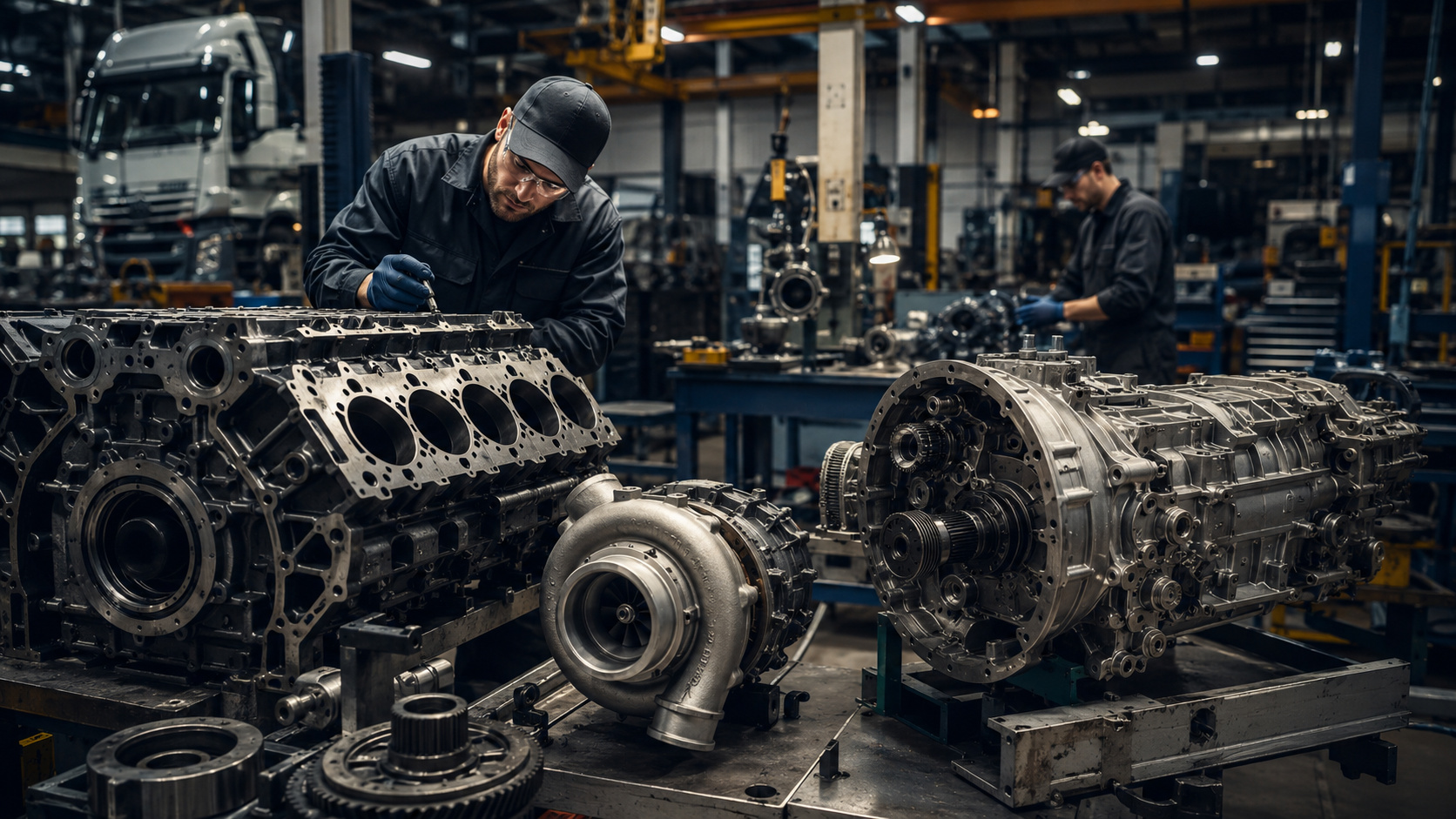

Brazilian taxes widen the gap right at the factory exit
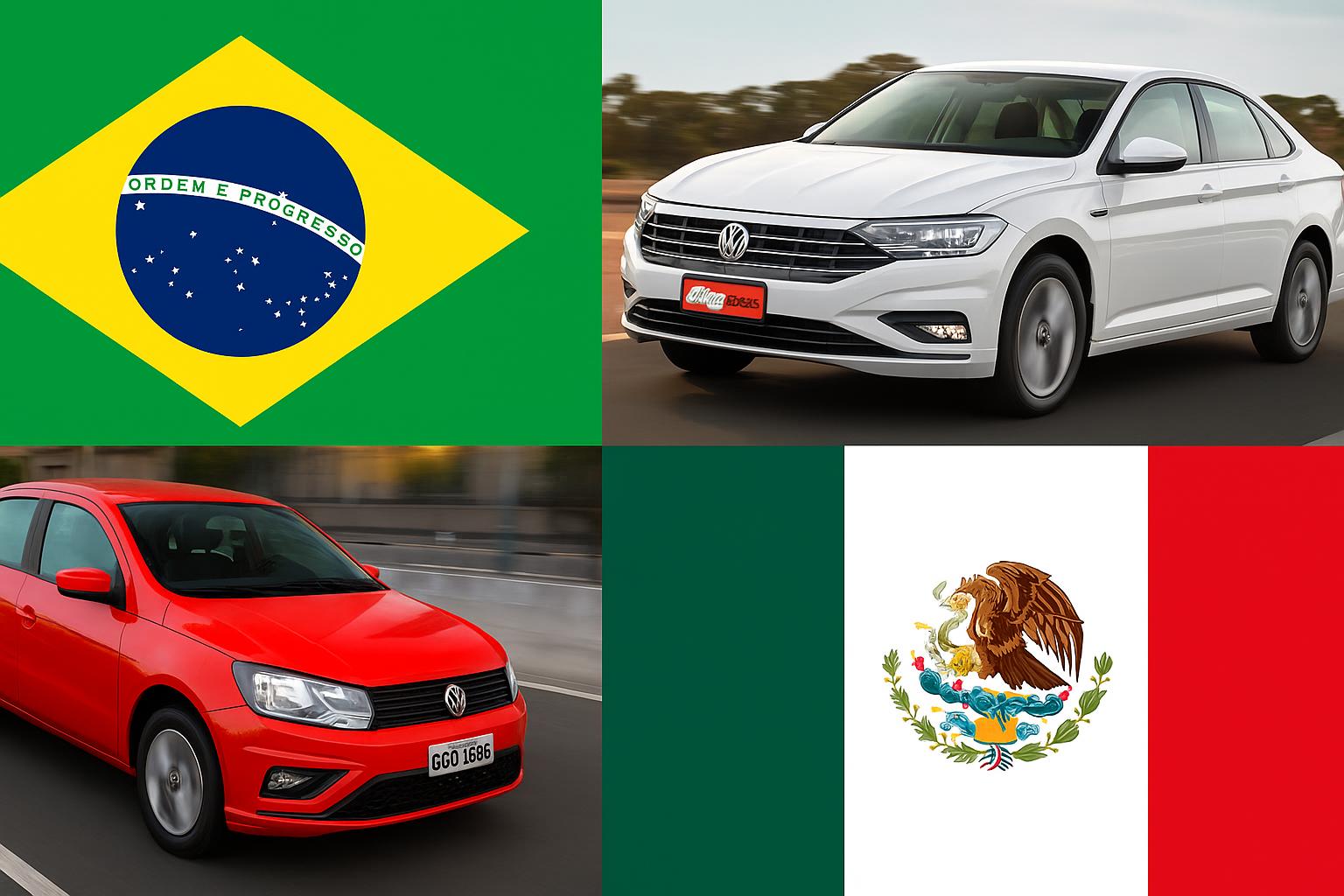
According to Anfavea, Brazilian taxation alone accounts for a difference that can vary from 21 to 28 percentage points compared to Mexico. There, the system is based on a single tax, the VAT, with a rate of 16% on sales.
In Brazil, the structure is heavier and more fragmented: ICMS of 12%, PIS/Cofins of 11.6%, and IPI, which varies from 7% to 13% depending on the engine’s cubic capacity. For the entity, this design helps push the final price up and reduces the competitiveness of the national car.
Materials, labor, and logistics also make the Brazilian car more expensive
When the study looks only at manufacturing costs, the difference in favor of Mexico decreases, but it is still significant: 18 percentage points. In practical terms, for every 100 cost points of a Mexican car, the same model produced in Brazil costs 118 points before the full tax load on sale.
Within this account, manufacturers located in the country pay on average 8.1 percentage points more when purchasing materials and components from suppliers. This represents 55% of the difference in specifically productive costs, according to Anfavea.
The rest of the gap comes from labor costs and social charges, which add up to 3.3 points, as well as logistics, with 2.9 points, manufacturing costs, with 2.8 points, and administrative expenses, with 1.6 points.
At the dealership, the final price highlights the disadvantage
Even with the application of tax on vehicles imported from Mexico, Brazil still loses out. Anfavea calculates that a Mexican car would cost 12 points less to be sold in the Brazilian market, while a Brazilian car would be 24 points more expensive when sold abroad.
In practice, a model produced in Mexico arrives in Brazil costing on average 33.25% more than the price charged for the same vehicle in the Mexican market. Examples cited include Volkswagen Tiguan, Chevrolet Tracker, Kia Sportage, Nissan Sentra, and Volkswagen Jetta.
On the other side of the scale, cars made in Brazil are, on average, 22.54% cheaper for Mexican consumers than the equivalent versions sold here. The list includes models like Fiat Strada, Fiat Fiorino, VW Gol, Renault Captur, and Ford Ka.


Brazil also loses in the race for scale and export
According to Anfavea, Mexico has an advantage not only in taxes but also in its relationship with global suppliers, incentives for research and development, and production scale. The country exported 3,253,859 vehicles in 2018, while Brazil shipped 629,175 units in the same period.
Geography also matters. Mexico is a neighbor of the United States, which buys almost 75% of the cars exported by its industry. Meanwhile, the main destination for Brazilian vehicles is Argentina, which accounts for 55% of the sector’s exports, but has a smaller market and is experiencing a prolonged economic crisis.
For the industry, this changes the type of car that leaves the factory and the space to compete abroad. For those buying in Brazil, the effect remains the same: a more expensive vehicle, produced in a chain that combines high taxes, logistical costs, and distortions that continue to pressure the common driver’s wallet.
If this comparison helps explain why cars in Brazil weigh so heavily on the budget, it is worth following and commenting: in your opinion, is the biggest problem the taxes, the industry, or the final price charged to the consumer?


