Portuguese
  Spanish


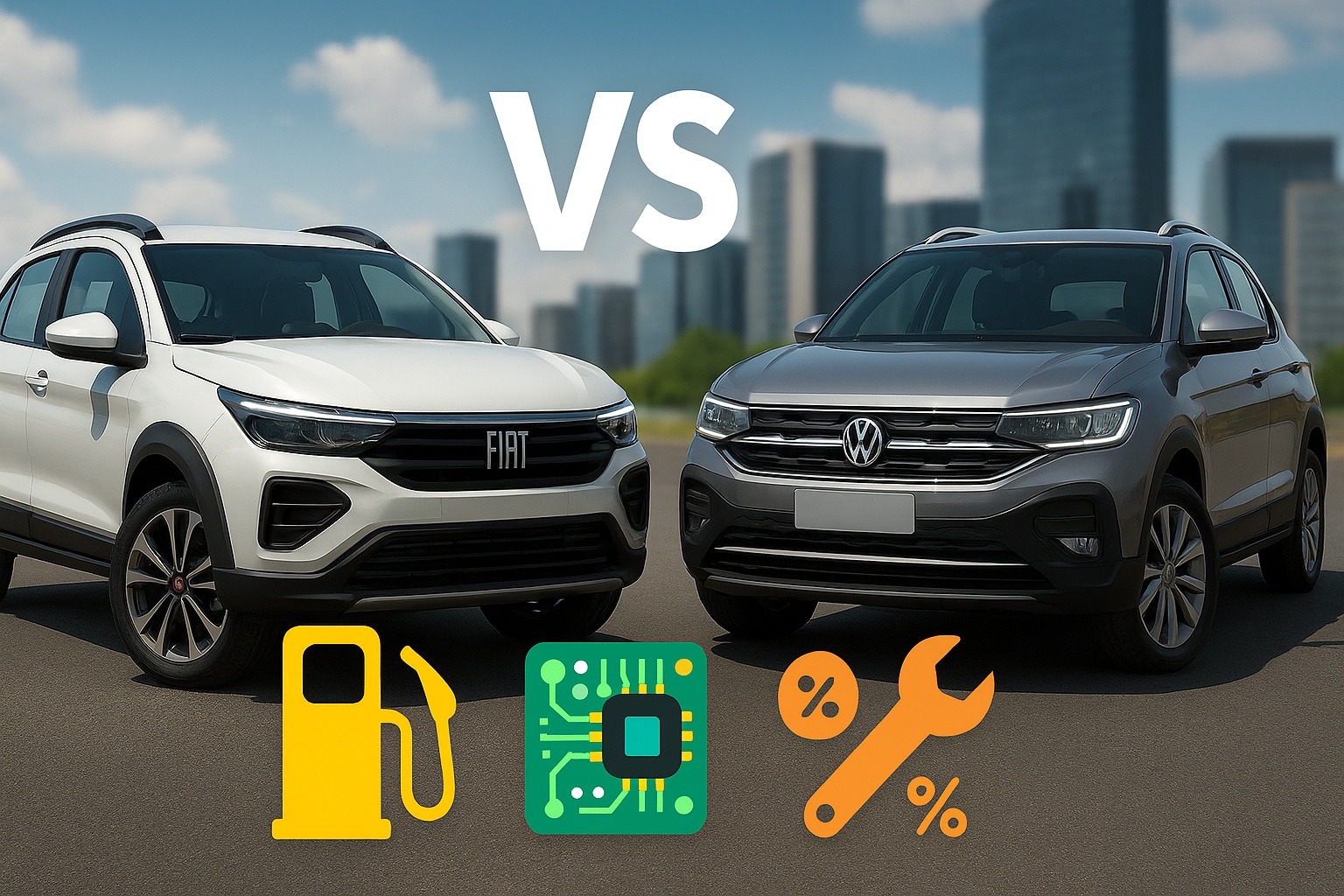


Discover Which SUV Priced at R$ 100 Thousand Offers Better Consumption, Technology, and Maintenance in 2025. Detailed Comparison Between Fiat Pulse and Volkswagen Tera Helps You Choose the Ideal Model
The compact SUV market in Brazil remains heated, with models that are increasingly technological, efficient, and appealing to the audience seeking versatility without compromising the budget. Among the most competitive options for 2025 are the Fiat Pulse and the Volkswagen Tera, both in the price range close to R$ 100 thousand. But which one stands out in consumption, onboard technology, and maintenance costs? This comparison details each aspect to help the consumer make the most informed decision.
Fiat Pulse or Volkswagen Tera, Which to Choose?
Compact SUVs have won over the Brazilian market by offering comfort, urban style, and practical capacity for everyday use.
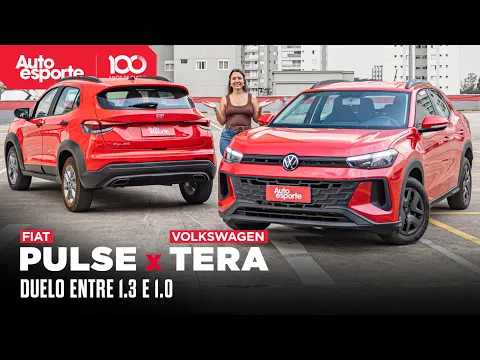

The Fiat Pulse arrives with a robust and modern design, prioritizing style and safety, while the Volkswagen Tera bets on onboard technology, connectivity, and performance. Evaluating factors such as consumption, maintenance, and internal features is essential for those looking for a reliable and economical SUV priced at R$ 100 thousand.
-
Practical Driving Tests in Brazil Surge by 23.5%, Exceeding 2.2 Million by 2026, as New Rules Make the Process Cheaper and Simpler

-
Brazil’s Lula Government Allocates $463 Million Quota for Electric Car Parts, Waives Import Tax Until December, Sparking Competition Among BYD, Automakers, and Unions as Consumers Question Impact on Prices and Local Industry

-
Thinking of Installing LED Headlights? Why Replacing Halogen Bulbs is Still Banned, the Glare Risks Authorities Worry About, and How a New Proposal Could Allow Certified, Safe Installations
-
2027 Toyota Corolla Cross Unveiled: New Design, Enhanced Fuel Efficiency, Reduced Maintenance Costs, Advanced Technology, Connected Services, and Up to 10-Year Warranty


Design and Comfort: Fiat Pulse Stands Out in Style
The Fiat Pulse draws attention for its modern and robust design. The front features full LED headlights, a trapezoidal grille, and alloy wheels of up to 17 inches, giving the SUV a more premium look within the category.

Inside, the Pulse offers a digital dashboard of up to 10.25 inches, automatic air conditioning, an 8.4-inch multimedia center compatible with Android Auto and Apple CarPlay, as well as quality finishing in durable materials.
The interior comfortably accommodates five adults, and the 370-liter trunk ensures practicality for daily use or short trips.
The ergonomics and comfort of the Pulse reinforce its position as a solid option in the segment, especially for those who value style combined with functionality.
Volkswagen Tera: Onboard Technology and Advanced Connectivity
The Volkswagen Tera differentiates itself through its technological package. Equipped with an Active Info Display digital dashboard, the Tera offers complete personalization of information for the driver, including navigation, multimedia, and real-time consumption data.
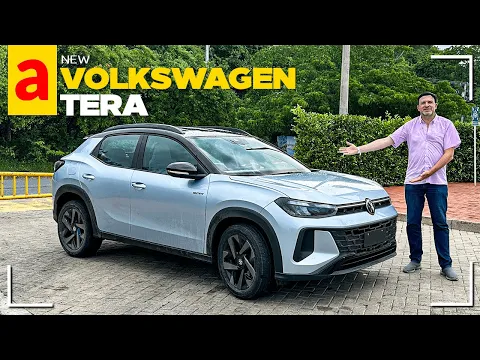
The infotainment system features a 10-inch touchscreen and wireless integration with Apple CarPlay and Android Auto, in addition to voice commands. In terms of safety, the Tera offers stability control, emergency braking assist, and multiple airbags, ensuring complete protection.
For those who value onboard technology in a R$ 100 thousand SUV, the Tera delivers a modern and practical experience, with a focus on connectivity and advanced digital systems.
Fuel Consumption: Efficiency of Fiat Pulse and Performance of Volkswagen Tera
Fuel consumption is a decisive factor in choosing an SUV. According to data from Inmetro and road tests:
- Fiat Pulse 1.3 MT: presents consumption of 12.6 km/l in the city and 14.5 km/l on the highway with gasoline, while the 1.0 Turbo 200 AT version achieves 12.1 km/l in the city and about 14 km/l on the highway.
- Volkswagen Tera 1.0 TSI: with a manual transmission averages 12.9 km/l in the city and 15 km/l on the highway with gasoline, while the Comfort/High automatic version achieves 12.2 km/l in the city and 14.5 km/l on the highway. With ethanol, urban consumption varies between 8.6 and 9.0 km/l.
The Fiat Pulse shows better average efficiency, being more economical in everyday use, especially in urban routes. The Tera, while slightly more fuel-consuming, offers superior performance and technologies that help optimize consumption on highways and in heavy traffic.
Maintenance Cost: Fiat Pulse Maintains Advantage
The maintenance cost is a crucial factor for budget-conscious consumers.
- Fiat Pulse: has scheduled maintenance every 10,000 km, with average costs ranging between R$ 532.00 and R$ 884.00, depending on mileage and services performed. Replacement parts are affordable, especially brake pads, filters, and common wear items.
- Volkswagen Tera: maintenance every 10,000 km, with an average cost of R$ 750. Sophisticated electronic components increase repair costs outside the warranty.
The Pulse stands out for offering more accessible maintenance and a wide service network, while the Tera requires a higher investment, especially in advanced technology.
Performance and Driving Dynamics of R$ 100 Thousand SUVs
The Fiat Pulse 1.3 Turbo produces 107 hp of power and 13.7 kgfm of torque, delivering adequate acceleration for urban use and trips. The suspension balances comfort and stability, offering good drivability even on uneven surfaces.
The Volkswagen Tera 1.0 TSI has 116 hp of power and 16.8 kgfm of torque, ensuring quicker starts and safety during overtaking. The electric steering is light and responsive, and the SUV maintains stability in curves thanks to electronic stability control.
Although the Tera is more powerful, the Pulse offers satisfactory dynamics for most urban and highway situations, balancing performance and comfort.
Safety and Advanced Features
Safety is essential for any R$ 100 thousand SUV.
- Fiat Pulse: six airbags, electronic stability control, hill start assist, tire pressure sensor, and braking monitoring.
- Volkswagen Tera: seven airbags, stability and traction control, braking assist, blind spot sensor, and 360° camera in the top-of-the-line versions.
Both models offer modern equipment, but the Tera stands out in driver assistance features, providing greater safety in urban and highway traffic.
Final Comparison: Fiat Pulse or Volkswagen Tera for 2025?
Choosing between Fiat Pulse or Volkswagen Tera depends on what the consumer values most: economy, technology, or performance.
The Fiat Pulse stands out for its modern design, efficiency in consumption, and affordable maintenance. Ideal for those seeking a reliable compact SUV and economical, perfect for urban trips, short travels, and daily use without compromising the budget.
The Volkswagen Tera excels in onboard technology, connectivity, and superior performance, being recommended for those who seek innovation and advanced digital features, even if it means higher maintenance costs.
Both are competitive options in the R$ 100 thousand range, with distinct characteristics that cater to different consumer profiles. Evaluating consumption, technology, performance, and maintenance budget is crucial to decide which model offers more benefits in 2025.