Portuguese
  Spanish


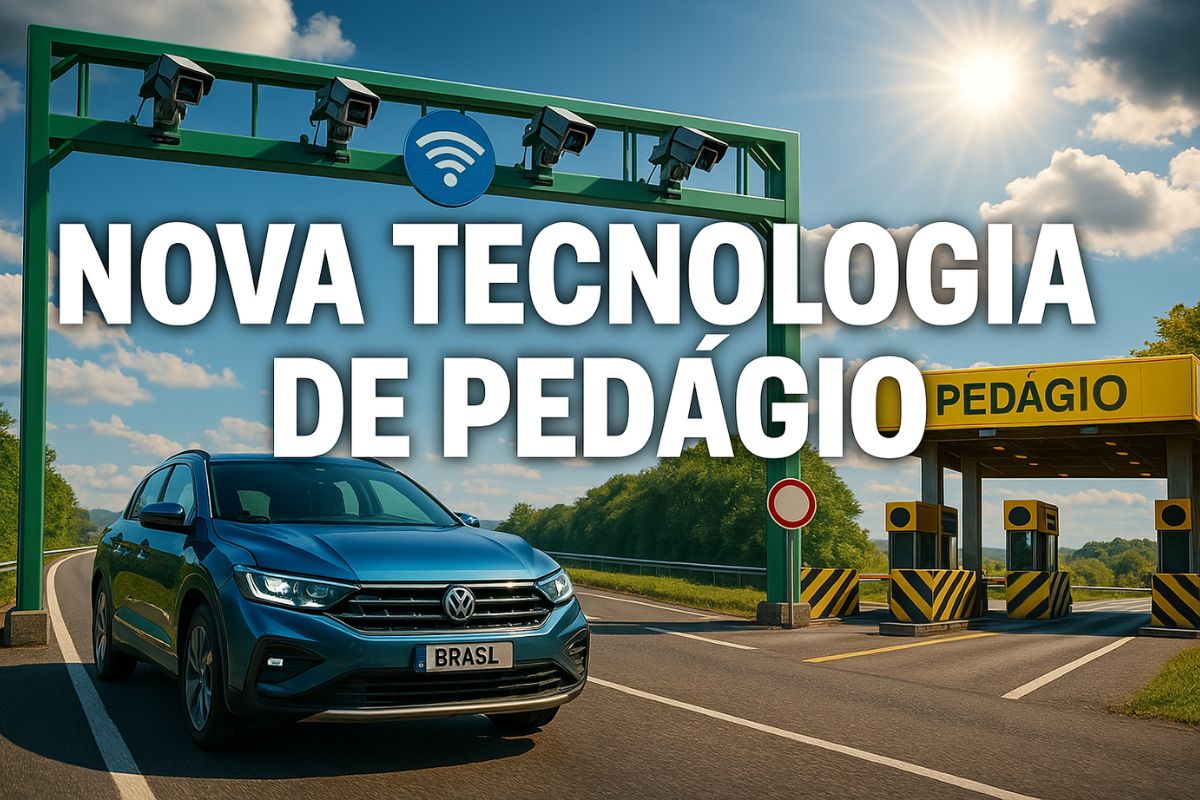

The New Toll Technology, Called Free Flow, Has Begun to Operate on Brazilian Highways. Without Gates, Without Stopping, and Paying Only for the Distance Used, the System Is Set to Expand by 2030.
Remember that stress of facing a toll line, looking for the exact change, or hoping the tag doesn’t malfunction? You can say goodbye to that. The new toll technology — known as free flow — has already started to change the routine for drivers in Brazil. And the best part: you don’t even need to slow down.
The system eliminates traditional toll plazas and replaces them with smart gantries that identify the moving vehicle and charge only for the distance traveled. In other words, no more paying full fare just to drive a short distance. It’s the revolution that the roads have been asking for.
How Does Free Flow Toll Work?
The logic is simple: cameras and sensors detect the car’s license plate (or the tag, if you have one). The charge is made automatically at the toll based on the distance traveled. No stopping, no turnstiles, no booths. Just pass — and pay later.
-
Has the charge for sitting together ended? Anac confirms that minors under 16 have the right to a seat next to their guardians without an extra fee, and airlines may be penalized for failing to comply with the new rule.

-
After nearly two decades in operation, the Grupo Dass shoe factory ends production, confirms 150 layoffs, and shows how the drop in orders changed everything.

-
Pizza Day highlights a curious contrast in Brazil: while 13 new pizzerias open every day, the price of mozzarella skyrockets, and the country’s most beloved dish weighs increasingly on family budgets.
-
It’s official: Petrobras takes 75% of block 3 in São Tomé and Príncipe and debuts as an offshore operator outside South America.


The first gantries of the system are already being installed in the Sorocabana Lot, covering 12 highways in inland São Paulo, with a total length of 460 km. The expectation is that the system will start operating there by April 2026.
More Is to Come: 24 Highways by 2030
And this is just the beginning. By 2030, the plan is to have the free flow toll system operating on at least 24 highways in São Paulo, including Via Dutra, the Mário Covas Ring Road, and several other stretches that today accumulate traffic jams and honking during peak hours.
According to recent data, more than 60% of drivers have already heard about the system, and 95% claim that the experience on highways has become more efficient where the model has been tested.
And the Wallet, How Does It Change?
In theory (and in practice, so far), the system is fairer: you pay for what you drive. Those who travel only 10 km pay less than those who travel 80 km. Simple as that.
Furthermore, the government has changed some rules: starting in October 2024, the deadline to pay the electronic toll has been extended to 30 days, without fines. And soon, all charges should appear directly in the Digital Traffic Wallet, making life easier for those who live on the road.