Portuguese
  Spanish


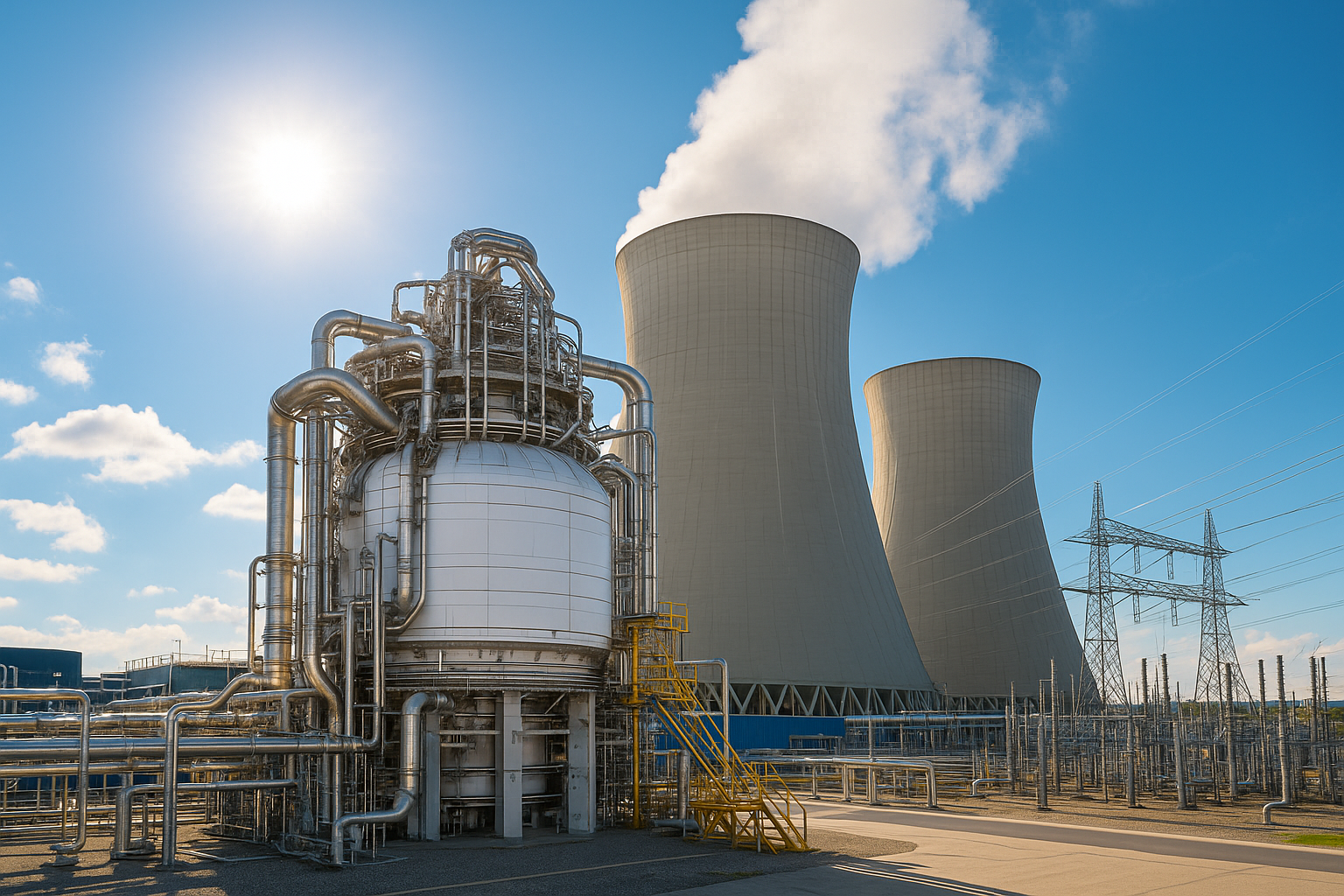


Virginia Will Host The World’s First Grid-Scale Nuclear Fusion Plant
The Commonwealth Fusion Systems (CFS) announced on May 27, 2025, the construction of the world’s first grid-scale nuclear fusion plant. Located at the James River Industrial Park, near Richmond, Virginia, the facility aims to generate 400 megawatts of clean energy by the early 2030s, enough to power approximately 150,000 homes.
Strategic Site Selection and Institutional Support
The choice of Virginia as the plant’s location was based on factors such as economic growth, skilled labor, and commitment to clean energy. The site, previously occupied by a coal plant, will be leased by Dominion Energy, which will also provide technical support. Governor Glenn Youngkin highlighted the project as a historic milestone for the state and the world.
Nuclear Fusion Technology and Challenges
Nuclear fusion, the process that fuels stars, involves the merging of hydrogen atoms to release large amounts of energy. Unlike nuclear fission, fusion does not produce long-lasting radioactive waste. The most common technology uses a tokamak, a donut-shaped reactor that confines superheated plasma. CFS plans to produce its first plasma in 2026 and achieve net fusion energy shortly thereafter.
-
Holtec and EDF Submit Joint Proposal to Install Four SMR-300 Reactors in England with Combined Capacity of 1.3 GW

-
Brazil’s Angra 3 Nuclear Plant Reaches 66% Completion; Government Faces 2026 Deadline to Decide on $24 Billion Project’s Future
-
American company drills a 1,830-meter hole in Kansas using oil well technology, places a nuclear reactor inside, and claims it will generate electricity without any cooling tower.
-
Canada invests more than 2 billion dollars to upgrade an old nuclear laboratory and try to rival the world’s major atomic energy powers.


Investments and Future Prospects
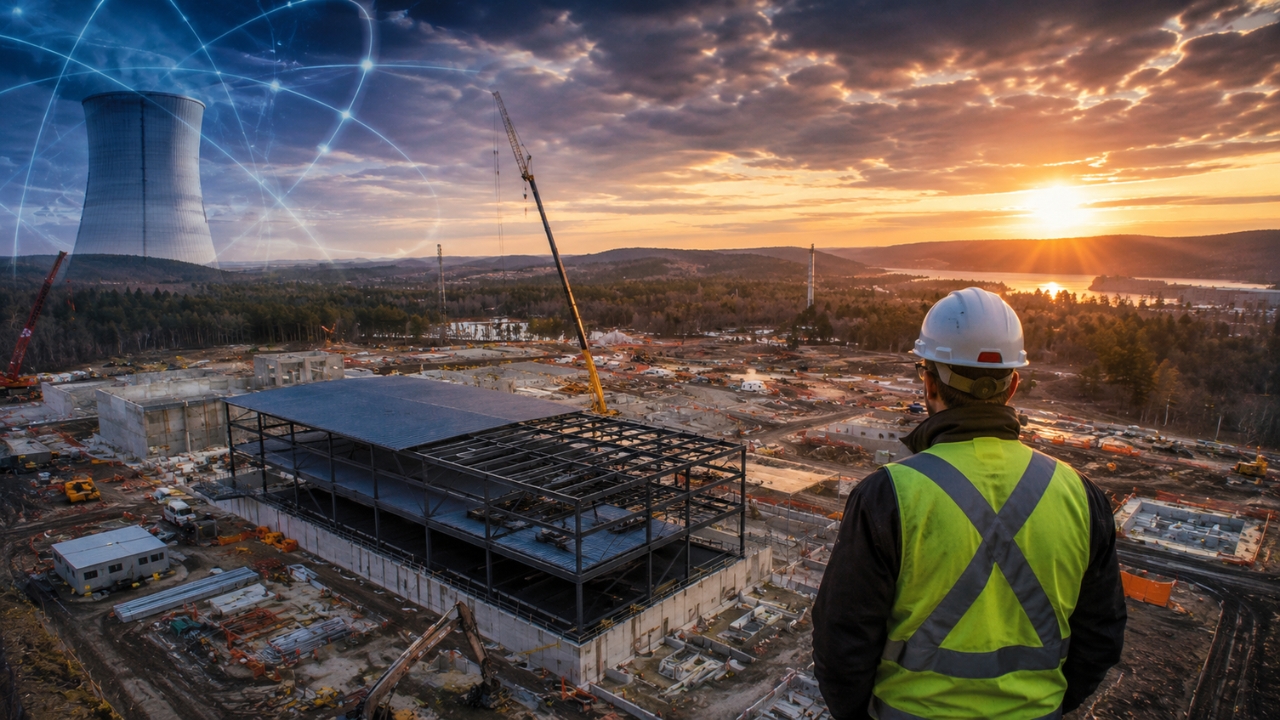
CFS, spun out of MIT in 2018, has already raised over US$2 billion for the project. The company anticipates that this plant will be the first of many to be connected to the power grid in the future. The success of the project could represent a significant breakthrough in the search for clean and sustainable energy sources, reducing reliance on fossil fuels.
Global Implications and Competitiveness
The development of the nuclear fusion plant in Virginia, therefore, positions the U.S. at the forefront of the global race for clean and sustainable energy. Moreover, with the increasing demand for electricity, especially in sectors like data centers, there is an urgent need for new reliable energy sources. In this context, nuclear fusion emerges as a promising solution. After all, it can meet future energy needs without generating carbon emissions. Consequently, the U.S. could lead the global energy transition while investing in long-term energy innovation and security.