






 Portuguese
  Spanish
  3 min of reading
  0 comments


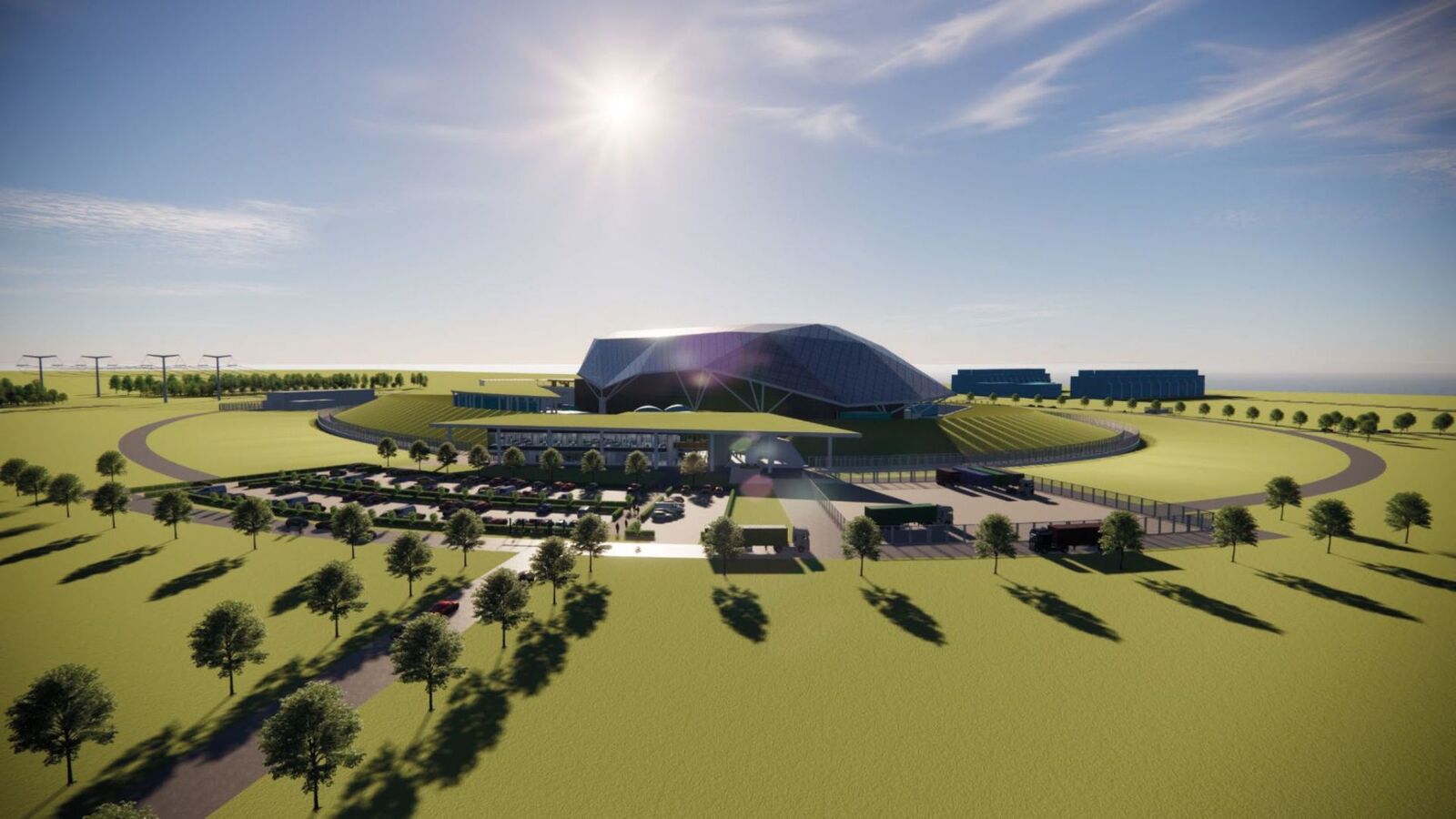
The approval of three modular reactors in Wylfa places nuclear energy back at the center of British strategy and projects jobs, investment, and supply
The approval of three small modular nuclear reactors (SMRs) in Wylfa, in North Wales, officially marked a new phase of nuclear energy in the UK on April 13, with a projected capacity to supply around 3 million homes for over 60 years.
Approval in Wylfa
The government approved the development of three Small Modular Reactors at the Wylfa complex in Anglesey. The decision opens what the government calls a “golden era” for the British energy sector.
The project brings together Rolls-Royce SMR and Great British Energy – Nuclear. The aim is to boost domestic low-carbon technology and strengthen nuclear energy in the country’s supply.
-
American company drills a 1,830-meter hole in Kansas using oil well technology, places a nuclear reactor inside, and claims it will generate electricity without any cooling tower.

-
Canada invests more than 2 billion dollars to upgrade an old nuclear laboratory and try to rival the world’s major atomic energy powers.
-
Nuclear company backed by Bill Gates partners with Hyundai for next-generation 345 MW nuclear reactor

-
Russia is sailing all 8 nuclear icebreakers of its fleet simultaneously for the first time in history, as the Arctic freezes two weeks earlier than expected.


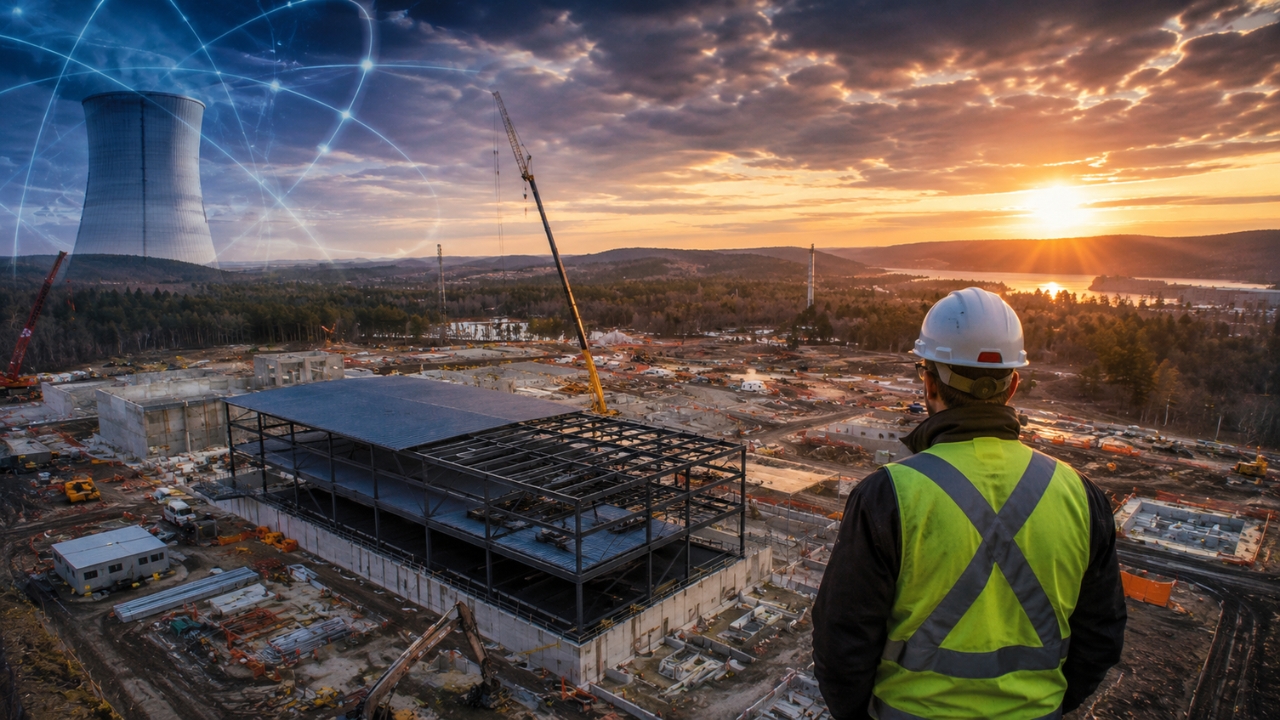


The BBC reported that the three units will have a total capacity to serve approximately 3 million homes for over 60 years. The first SMRs made in the country are expected to come online in the 2030s.
On April 13, Tufan Erginbilgic, CEO of Rolls-Royce, stated that the approval represents a crucial milestone for the company’s SMR program and for the UK.
Area Becomes a Priority Again
Last November, Prime Minister Sir Keir Starmer confirmed that the coast of Ynys Môn, in Anglesey, would be the official site for three of the UK’s first small modular reactors.
Through a £2.5 billion partnership, the site is being transformed into a high-tech energy center. This move places Wylfa back in the nuclear energy strategy.
The original Wylfa plant ceased operations in 2015, after 44 years of operation.
The closure occurred due to the outdated infrastructure of the 1960s reactors and the cessation, in 2008, of the production of the specific fuel needed for the plant’s operation.
The initial replacement plans were abandoned in 2021. Now, after proposals presented in 2024, the site enters a modern chapter of energy.
Modular Structure
The Rolls-Royce SMR is a 470 MWe pressurized water reactor. It is designed to provide reliable base load power for at least 60 years.
Each unit has compact dimensions of approximately 16 meters by 4 meters. The shape is part of the modular proposal of the British plan.
According to World Nuclear News, the modular design allows 90% of the unit to be manufactured off-site. This reduces impacts and helps maintain a faster and more predictable schedule.
Chris Cholerton, director of Rolls-Royce SMR, stated that the project represents a victory for national innovation and shows that the United Kingdom can build its own path towards energy security.
Money and jobs
The pursuit of energy independence has become one of the main slogans of the government. By building locally, the United Kingdom aims to protect itself from global price fluctuations and meet net zero emission targets.
The National Wealth Fund has allocated £599 million to support the engineering and implementation of the reactors.
Authorities estimate the creation of 8,000 jobs. Of this total, 3,000 positions are expected to be in Anglesey, while another 5,000 will be distributed across the national supply chain.
Next steps
Wylfa has faced false starts before. A previous plan for a large-scale power plant was scrapped in 2021, leaving the local community in limbo.
Construction begins immediately, but the final investment decision is not expected before the turn of the decade. Until then, the project will still have to overcome planning and regulatory barriers.
The goal is to have the reactors operational during the 2030s. Once financial and legal issues are resolved, Wylfa could contribute to the electrical grid in the next decade.
With information from Interesting Engineering.





Be the first to react!