






 Portuguese
  Spanish


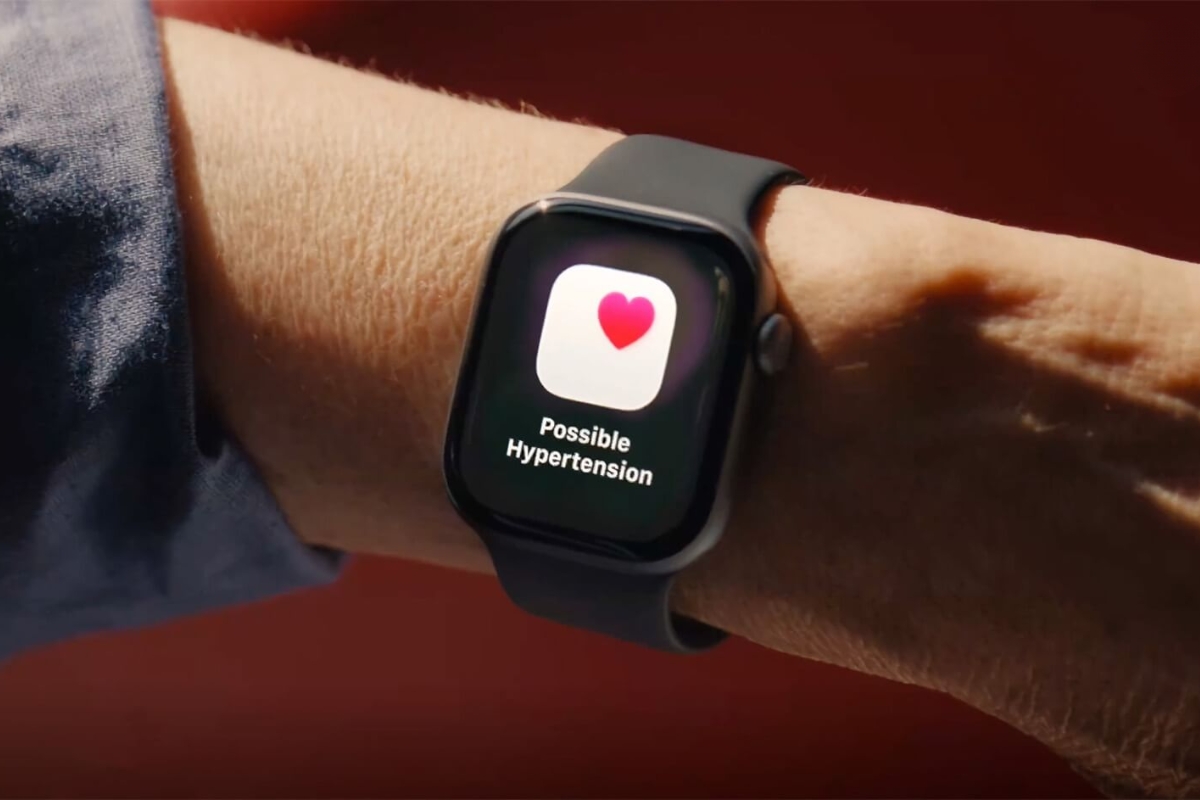
ANVISA Approved a New Feature of the Apple Watch in Brazil, Allowing Apple to Release It via Software Update After Two Months of Technical Analysis and Clinical Validation
Apple finally has the green light to release in Brazil one of the most anticipated features by Apple Watch users. Last Monday, the 24th, ANVISA concluded the regulatory process and officially approved thehypertension alert feature of the company’s smartwatch. The new feature has been under analysis for almost two months and is now registered as valid in the agency’s database, paving the way for Apple to activate the feature whenever it wants.
This authorization is the last step before the system arrives for Brazilian consumers, just as it happened with the blood oxygen sensor in the past. As soon as the company decides to release it, the feature should appear through a software update in future versions ofwatchOS and also iOS.
The feature is especially relevant because it expands the set of health tools of the Apple Watch, one of the pillars of the company’s global strategy. Even recent models, such as the Apple Watch Series 11, have been evaluated with the expectation that this feature would be unlocked here.
-
Trump Signs Orders to Develop Quantum Computer and Bolster U.S. Systems Against Encryption-Breaking Attacks

-
Breakthrough in Clean Energy: Scientists Develop Battery-Free Artificial Photosynthesis Using Only Sunlight to Generate Chemical Energy
-
Revive Old Photos: Gemini’s Little-Known Feature Uses AI to Restore Damaged Images in Seconds with a Professional Six-Step Recovery Process

-
Young Brazilian Inventor Develops Microplastic Filter, Wins Scholarship to Study in China, and Implements Solution to Improve Water Quality in Southern Brazil


How the New Approved Feature Works
Unlike what many imagine, the hypertension alertdoes not directly measure blood pressure. The Apple Watch crosses information from the watch’s sensors with the user’s physiological history and compares it to machine learning models. When the system identifies patterns that may indicate elevated pressure, the watch sends a notification suggesting that the person seek medical advice.

Since it involves body monitoring and influences decisions related to health, ANVISA classified the tool in the same category as digital medical resources. The feature receivedrisk classification II, a category aimed at technologies that do not perform diagnosis but provide support for well-being and prevention.
In practice, this means that the feature depends on regulatory approval and supervision but continues to be released via software, without the need for any physical adjustment to the device.
How the Approval Process Went
The official analysis began onOctober 1, 2025, when the documentation was submitted. Since then, the feature has gone through stages of technical review and clinical validation until it was published in theOfficial Gazette of the Union on November 24, underResolution 4651.
The process was conducted byEmergo.Brasil, the company responsible for representing Apple in sanitary proceedings in the country. Now that the approval is published, Apple can activate the feature at any time — it remains only to make an internal decision about when this will happen.
Compatible Models and Expected Release
According to the approved registration, the hypertension alert will be available for:
• Apple Watch Series 9 and later
• Apple Watch Ultra 2 and future versions
TheApple Watch SE is not on the list and will not receive the new feature.
As the functionality depends only on software, the expectation is that the release will occur soon, possibly in one of the upcoming watchOS updates. With the regulatory pathway cleared, Apple has no more formal obstacles in Brazil.





-

1 person reacted to this.