






 Portuguese
  Spanish


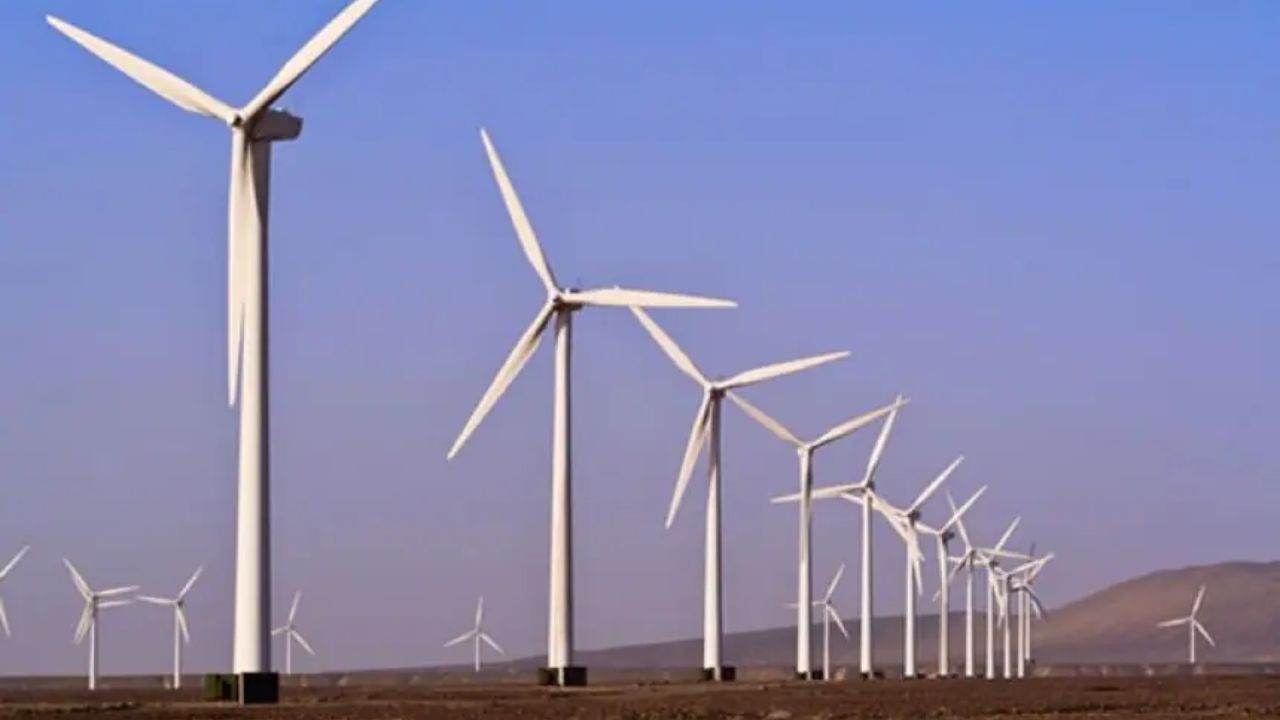


With The Largest Wind Potential, The Region Of The ‘Saudi Arabia’ Of Winds Faces A Crisis: Transmission Bottlenecks Force The Waste Of Clean Energy And Cause Instability In The System.
Brazil is experiencing an energy paradox. The Northeast Region, nicknamed the ‘Saudi Arabia’ Of Winds due to its immense wind potential, concentrating 93% of the country’s installed capacity, ironically suffers from two serious problems: the waste of clean energy and the risk of blackouts. While public perception associates “blackouts” with local failures, such as fallen poles, the true crisis is systemic and affects the entire country.
The problem is not a lack of generation, but rather the inability to transport it. The accelerated growth of wind farms has surpassed the capacity of the transmission infrastructure. This forces the National System Operator (ONS) to ‘disconnect’ power plants (spillage) and, paradoxically, activate more expensive and polluting thermoelectric plants. A report from InsideEVs classified the situation as the “worst crisis” in the clean energy sector, highlighting this disconnect between generation and infrastructure.
The Billion-Dollar Loss From Waste
The waste of clean energy, generated but unused, has an alarming cost. A detailed report from Volt Robotics quantified the loss at R$ 1.6 billion just in 2024, resulting from forced cuts in wind and solar generation. This ‘spillage’ (the technical term for disconnection) is the only technical solution when the generated energy has nowhere to go, whether due to lack of transmission lines or temporary oversupply.
-
Crab Trapped in Plastic Bottle for 62 Days Near Okinawa Highlights Little-Known Impact of Marine Pollution on Small Animals

-
Esperanza’s Bamboo Barrier in Oaxaca Redirects River and Reduces Erosion by 85% in Five Years

-
Family Builds Homemade Wind Turbine to Power Off-Grid Home, Video Reaches 555,000 Views on Ngô Thị Huyền’s Channel
-
Indian Brand Creates Sneakers from Recycled PET Bottles and Discarded Tires, Repurposing Over 1 Million Bottles and Raising $4 Million for Expansion




Volt Robotics’ analysis reveals that the Northeast is the epicenter of the problem, concentrating 75% of all cuts in renewable energy in the country. More importantly, the report identified the root cause: 65% of this waste did not occur due to lack of demand (low consumption), but rather due to physical problems in the transmission network, such as bottlenecks, undersized lines, and construction delays.
Why Does The Northeast Suffer From “Blackouts”?
It is crucial to understand that there are two distinct types of “blackouts” affecting the Northeast, and they have completely different causes. The first, and most frequent, is the everyday “blackout,” which fuels public perception of instability. Data from 2024 shows that the region accounted for 75% of the power outages in Brazil. However, these are distribution failures—local problems under the responsibility of utility companies, such as vehicle collisions with poles (which affected 634,000 people in Bahia over four months) or kites on the grid. These failures are not related to wind generation.
The second type is the “systemic blackout”, much rarer but with a devastating impact, like the national blackout on August 15, 2023. This event disconnected 16,000 MW of load and separated the country’s electrical system. The irony is that the very abundance of renewable energy was a risk factor in this case. The rapid growth of wind generation exposed a new vulnerability in the national grid.
The Anatomy Of The Blackout Of 2023
The blackout of 2023 exposed an even more complex technical challenge than bottlenecks: the instability of the grid. Investigations by the National System Operator (ONS) pointed out that, after an initial failure in a transmission line, what caused the cascading collapse was a “failure in the performance of wind and solar park equipment”.
Instead of helping to stabilize the system, as predicted in simulations, this equipment disconnected improperly, creating a domino effect. The traditional electrical system, based on hydropower, has a physical “inertia” (heavy rotors) that acts as a damper against disturbances. Wind generation, connected through electronics (inverters), does not possess this inertia, making the Northeast’s grid “lighter” and vulnerable to rapid collapses in the event of a failure.
The Race Against Time: “Roads” And “Dampers”
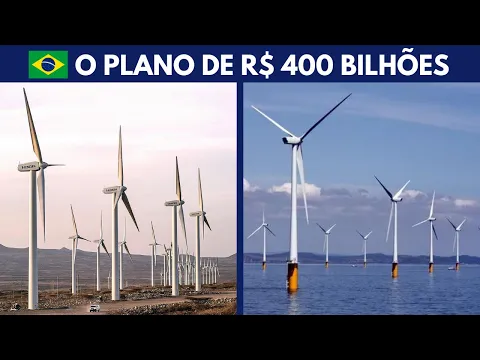

To solve this dual crisis, the government and ANEEL are racing to auction two simultaneous solutions. The first is to build “new roads” for energy. Transmission auctions, such as the one in March 2024, secured R$ 12.4 billion to implement 6,300 km of new lines in the Northeast, directly addressing the bottleneck that causes the billion-dollar waste.
The second solution is to install “dampers” to heal the instability of the grid. The ONS has mandated the installation of Synchronous Compensators at strategic points (such as Açu/RN and Quixadá/CE). These devices do not generate energy but act as giant motors that spin in idle, returning the “inertia” and physical robustness that the grid has lost, ensuring that the system does not collapse under the weight of its own renewable generation.
The paradox of the ‘Saudi Arabia’ Of Winds is clear: Brazil has an abundance of clean energy but has failed to plan the infrastructure to transport and stabilize it. The result is a billion-dollar loss and a system that, at times, is forced to trade clean wind for polluting thermoelectric plants. The solution lies in the transmission auctions and new compensators, but it’s a race against time.
Do You Live In The Northeast And Often Suffer More From Local Power Interruptions (Distribution) Or Do You Think The Main Problem Is The Systemic Risk Affecting The Entire Country? Leave Your Opinion In The Comments, We Want To Know How This Crisis Affects Your Day-To-Day Life.


Palmas Paraná tem potencial energia eólica e recebe investimento em energia. A energia eólica é mais barato e as empresas querem aproveitar essa energia. Minha cidade atrai investimento pela energia e estradas boas para transporte de riqueza e outras.
Este desgoverno não está interessado em resolver,e sim em complicar pra quem investe,por burrice,falta de capacidade,e ideologia de atraso.