Portuguese
  Spanish


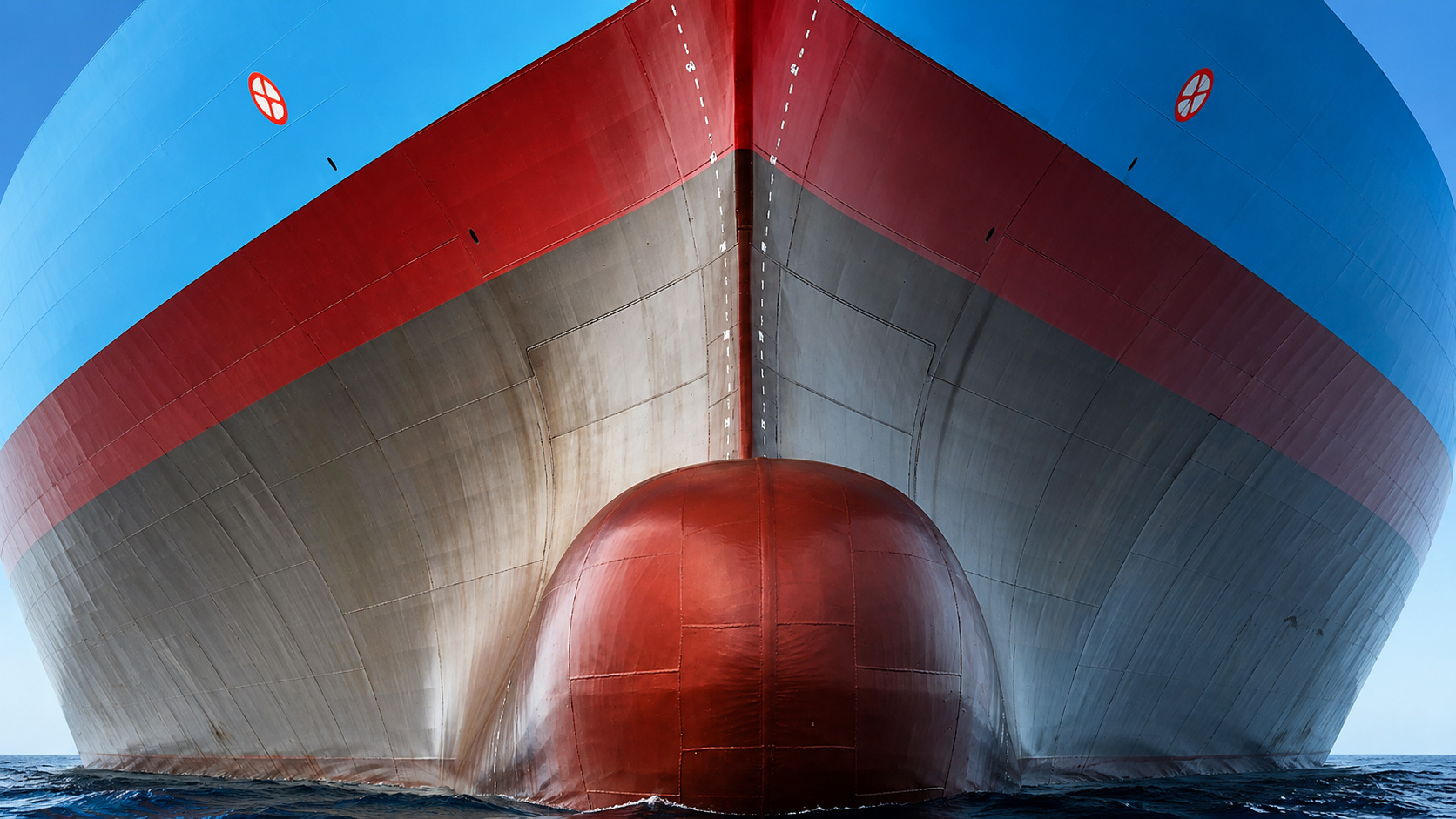

Air lubrication produces bubbles under the hull of cargo ships, reduces water resistance, can save fuel and decrease CO₂ emissions, but depends on compressors, energy, and proper adaptation of the vessel
Cargo ships have started using air bubbles under the hull to create a layer between the steel and the water. The idea is to reduce the friction that slows the vessel and requires more power from the engines during ocean voyages.
On November 9, 2021, the technical explanation was published by DNV, an international maritime safety and classification entity. The air lubrication system can reduce CO₂ emissions by 5% to 10% and also save fuel.
The technology does not make the ship lighter and does not replace the engines. It tries to reduce the effort needed to cross the water, something important for vessels that spend days or weeks sailing.
-
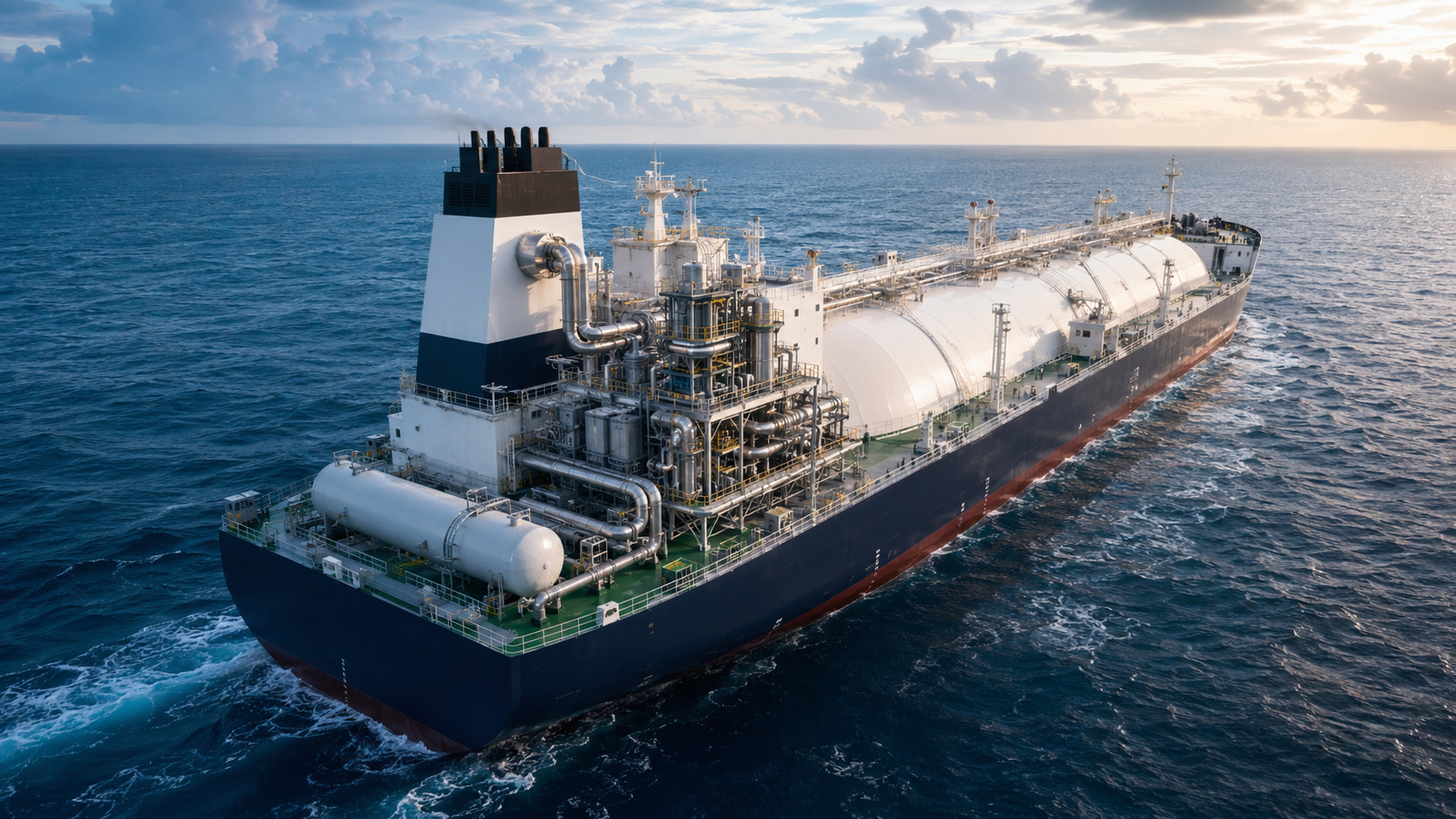
Tanker Ship Installs Onboard Factory, Captures 78% of CO2 Emissions in Test and Stores Gas in Large Tanks

-
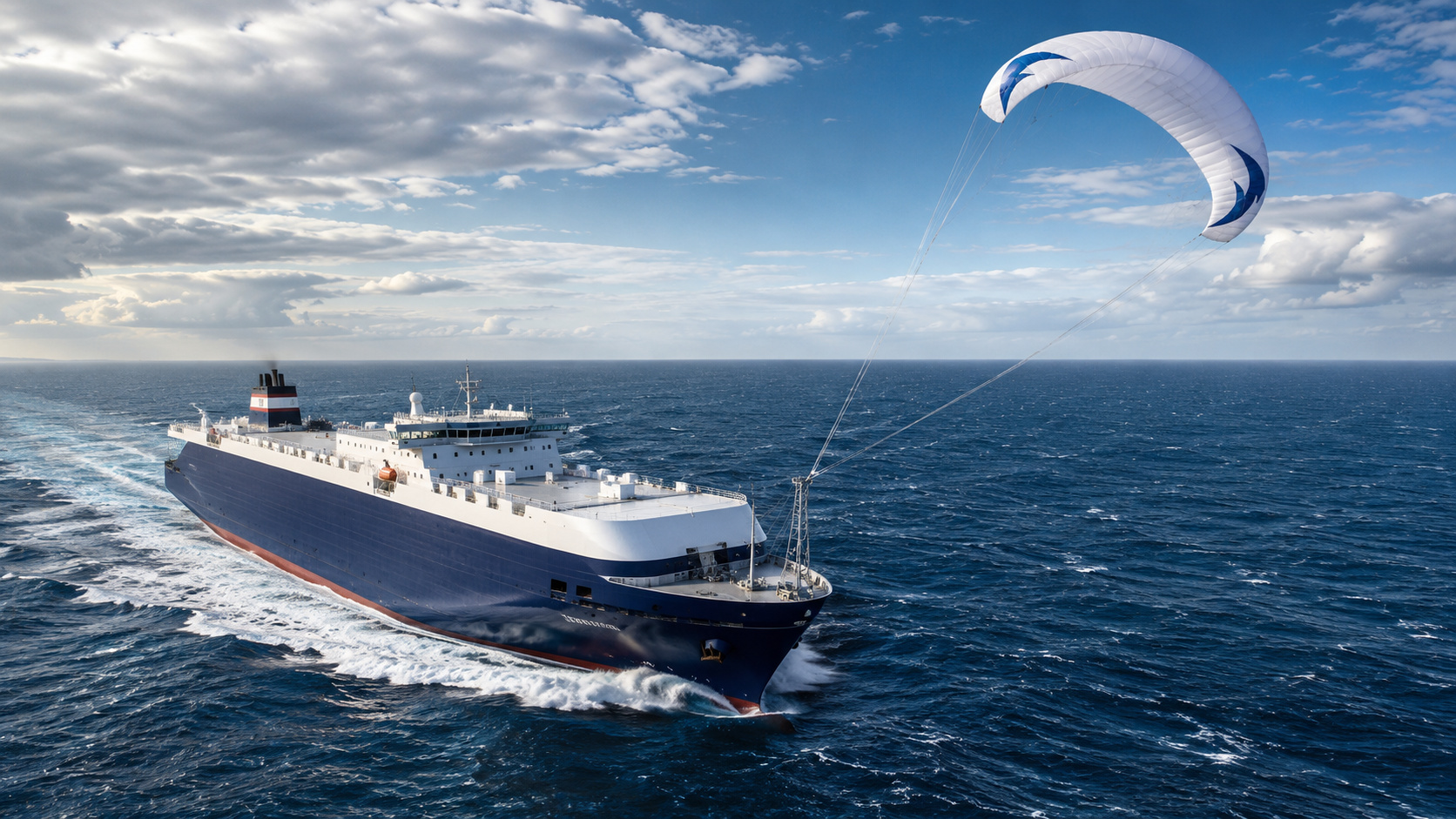
A 500 m² Automated Kite, Larger Than Many Apartments, Helps Propel Airbus Cargo Ship, Reducing Fuel Use
-
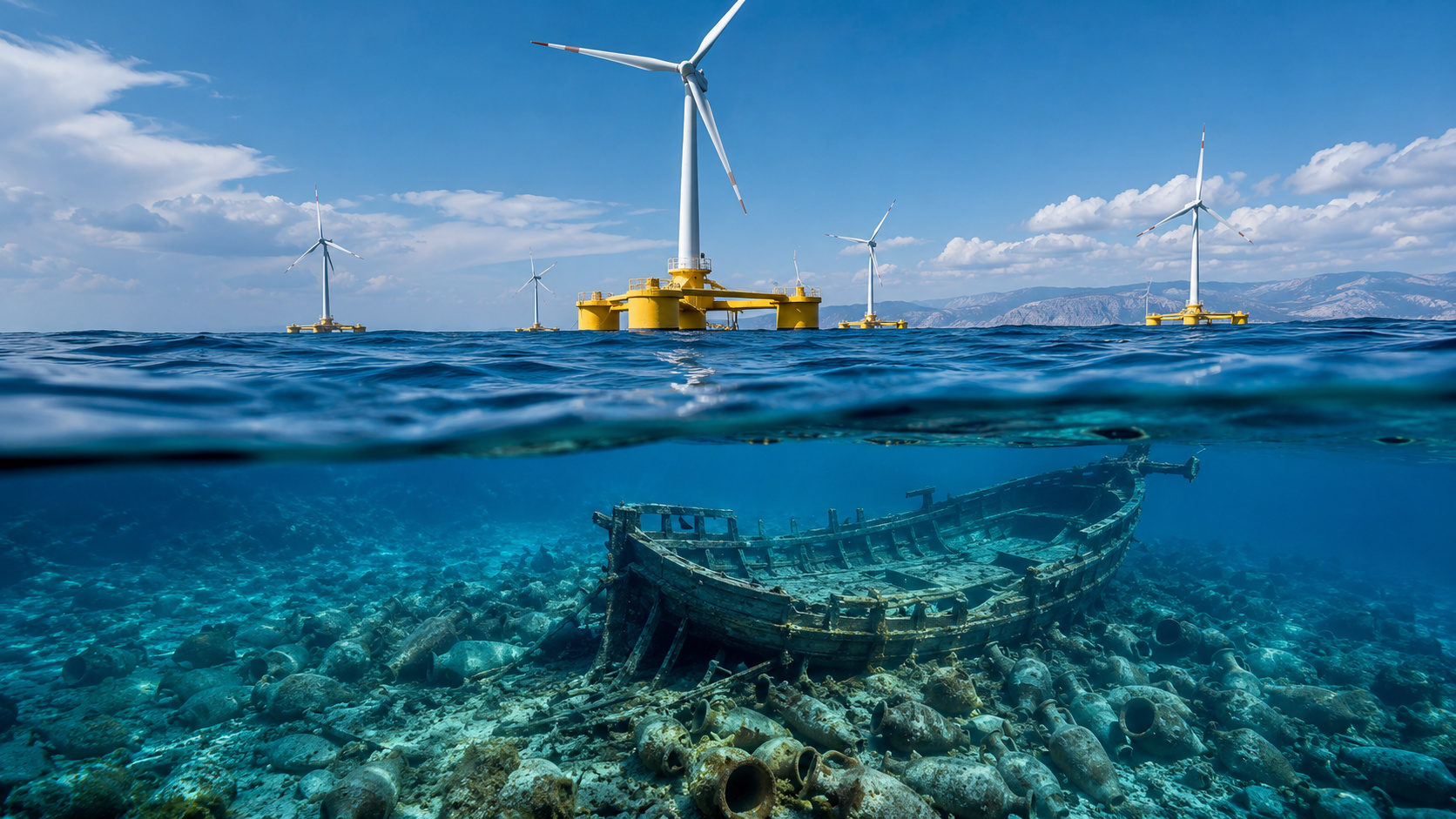
Floating Wind Farm in the Ionian Sea Alters Plans to Protect Ancient Greek Shipwreck with Over 300 Amphorae
-
Sunken Ships Near Israel and Southern France Carried Tin from Britain, Evidence of a 4,000-Kilometer Trade Route Supplying the Mediterranean 3,300 Years Ago

Why water slows cargo ships during the journey
Every ship needs to push water to move forward. Part of this water hits the hull and creates a force that hinders the vessel’s movement.
The greater this resistance, the more energy is required from the engines. This increases fuel consumption and raises the amount of CO₂ released during navigation.
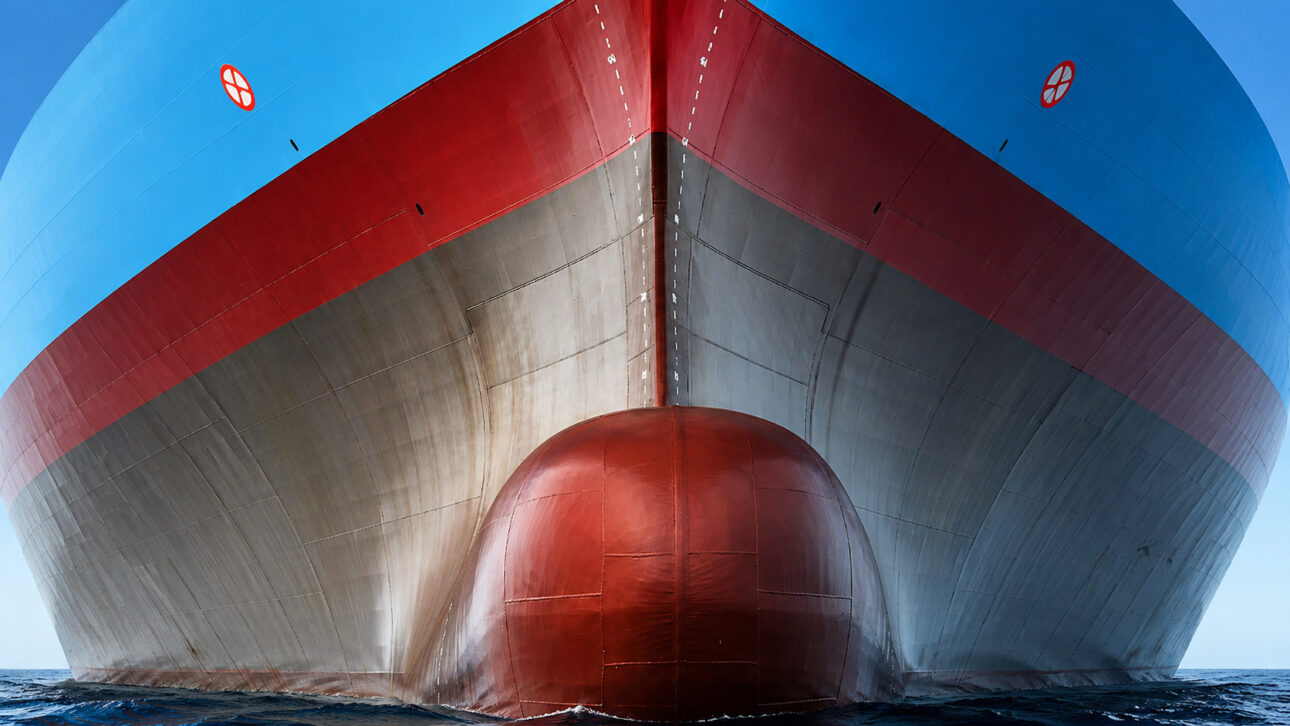
The hull is the external structure that is in direct contact with the water. In large ships, this area is enormous and any reduction in friction can make a difference over a maritime route.
How air bubbles are produced under the hull
The system uses compressors, machines that push air under pressure, to release bubbles on the underside of the hull. The air spreads near the steel surface that is in the water.
These bubbles form a slippery strip, similar to an invisible air carpet. Instead of the hull touching only the water, part of the surface comes into contact with this layer of bubbles.
The air distribution needs to function continuously. If the bubbles disperse too quickly, the effect on friction may be reduced.
Air reduces resistance between steel and water
DNV, an international maritime safety and classification entity, detailed that air has lower viscosity than water. In simple words, it offers less difficulty for the hull to move.
When air occupies part of the ship’s wetted surface, the frictional force can decrease. The wetted surface is the entire area of the hull that remains below the waterline.
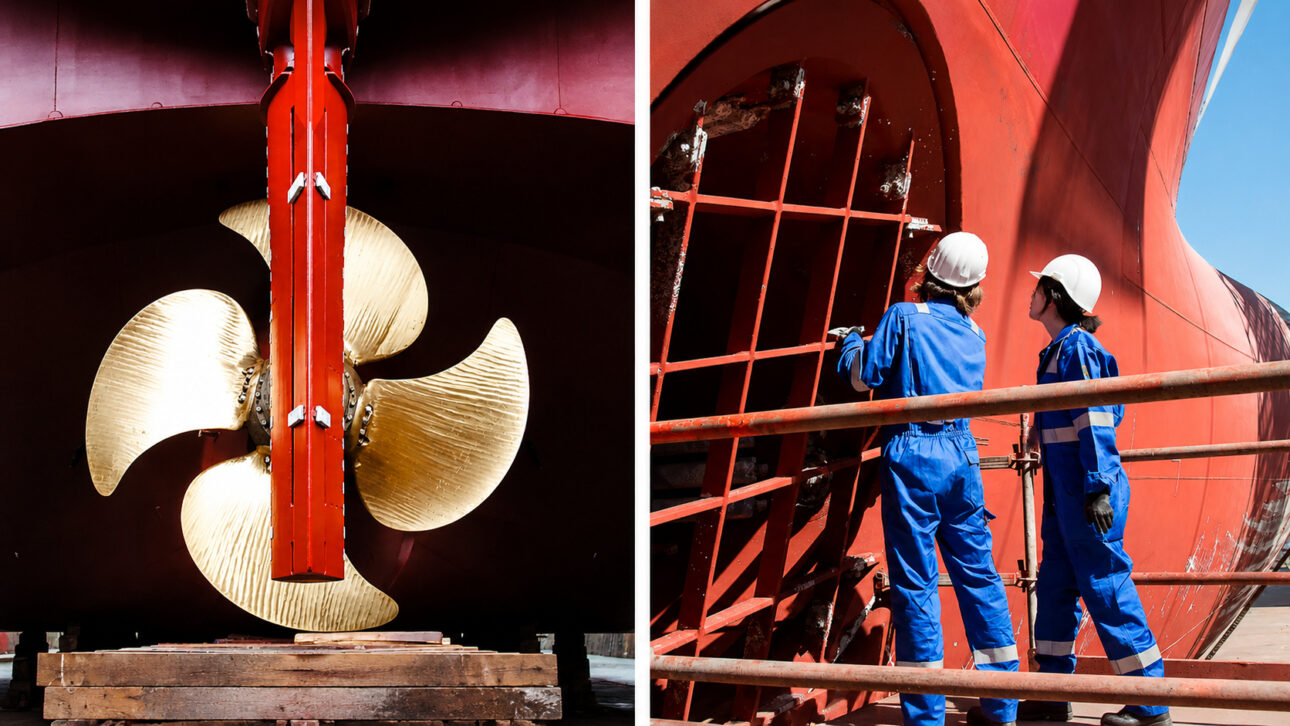
The reduction does not occur equally in all vessels. The result depends on the hull design, the type of operation, and how the system was installed.
Every percentage of savings matters in ocean voyages
A cargo ship journey can last many days. During this time, the engines need to work non-stop to keep the vessel moving.
Therefore, a small reduction in fuel consumption can have a significant impact at the end of a long journey. The impact is seen in the operational cost and also in the amount of gases released by the engines.
The range of 5% to 10% CO₂ reduction shows why this system sparks interest in maritime transport. The savings do not eliminate emissions, but can reduce part of the problem without abandoning conventional engines.
Compressors and energy also create limits for the technology
The compressors need energy to produce and maintain the air bubbles under the hull. Therefore, the fuel gain needs to be greater than part of the energy used by the system itself.
The installation also requires space for equipment and adaptation to the vessel’s shape. A hull with a different design may need another way to distribute the air.
Maintenance is another important point. The system needs to continue releasing bubbles regularly to deliver the expected effect during the journey.
Cargo ships, tankers, and cruise ships can use air lubrication
Air lubrication can be applied to vessels that spend long periods navigating. Cargo ships, tankers, and cruise ships are among the types that can benefit from reduced water resistance.
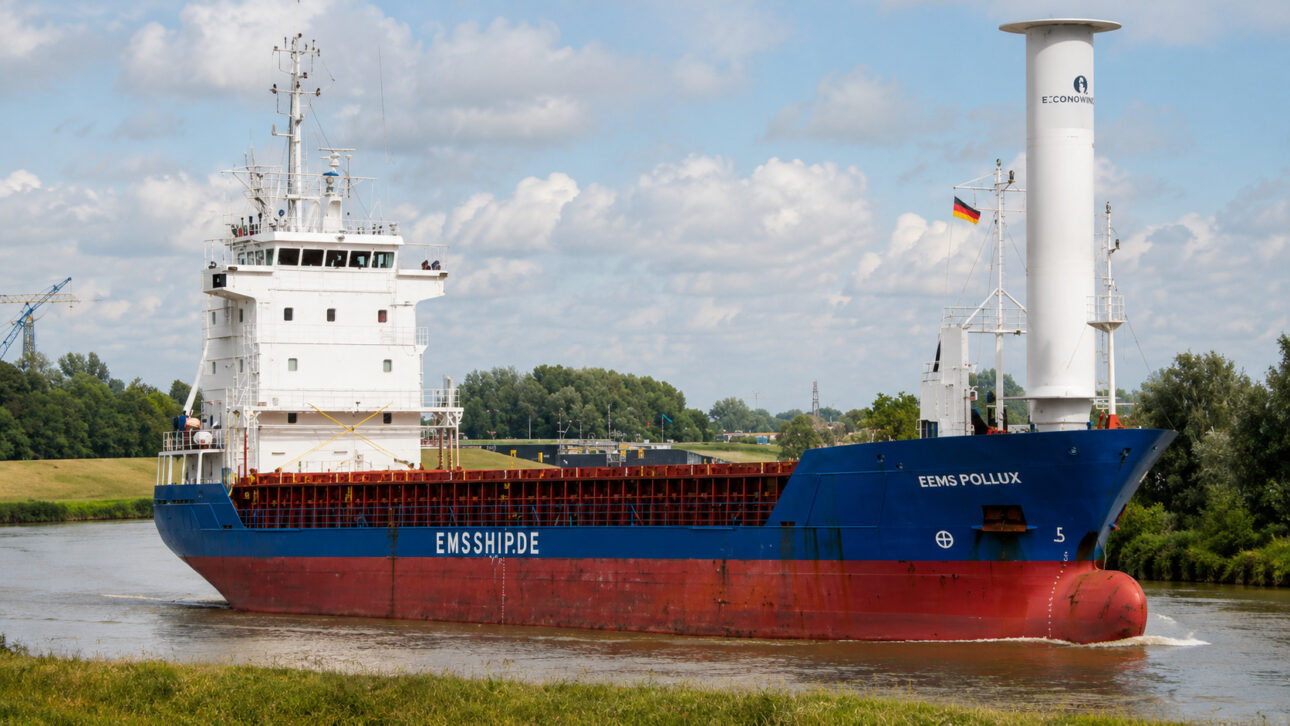
Each project needs to consider the size of the ship, the hull area in contact with the sea, and the route profile. A vessel that sails on long journeys can better take advantage of small savings repeated over many hours.
The bubble carpet alone does not solve fuel consumption in maritime transport. It functions as a tool to reduce part of the engine’s effort and help cut CO₂ emissions.
Under the hull, air tries to turn one of the greatest challenges of navigation, water friction, into a savings opportunity. The technology requires machinery and adaptation, but it shows that even bubbles can help reduce fuel consumption on the high seas.
Do you believe that an invisible carpet of bubbles can become common on large ships, or will the cost of equipment still be an obstacle? Leave your opinion in the comments and share the publication.