






 Portuguese
  Spanish
  3 min of reading
  0 comments


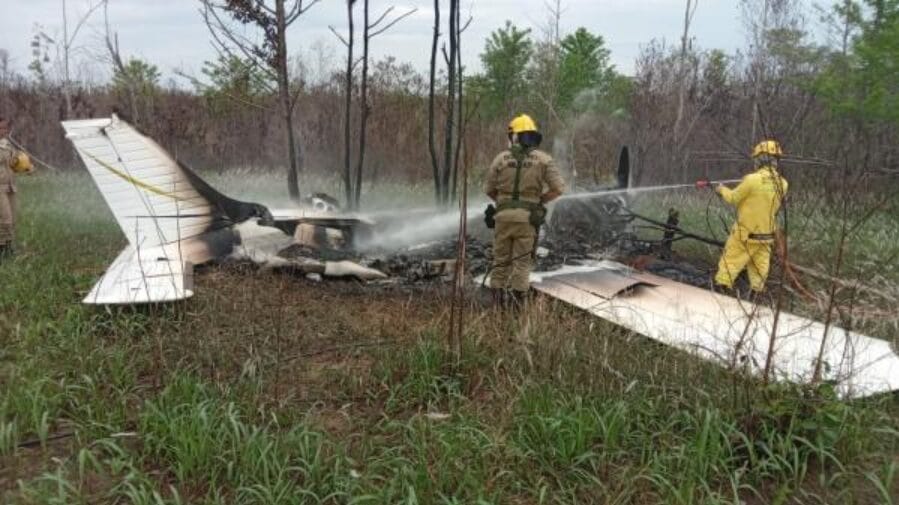
A Scene Worthy Of An Action Movie Unfolded Last Tuesday, October 22, When An Unknown Aircraft Illegally Crossed Brazilian Airspace, Triggering A Rapid And Energetic Response From The Brazilian Air Force (FAB).
The FAB intercepted a PA-28 Cherokee aircraft that had entered national airspace without permission, coming from Peru.
The incident occurred in the municipality of Lábrea, in the interior of Amazonas, and highlighted the effectiveness of the Brazilian air monitoring system.

According to information from the FAB, the A-29 Super Tucano defense aircraft and the E-99, used for intelligence, surveillance, and reconnaissance, were promptly activated when the illicit traffic was detected by the Brazilian Air Defense System (SISDABRA).
-
The military spaceplane that almost took the Cold War into orbit: Boeing X-20 Dyna-Soar was designed to re-enter above Mach 20, fly for up to 40 hours, land like a plane, and transform Titan rockets into a gateway to a new era of orbital warfare.

-
FAB bets on national drones and increases investments to strengthen the Brazilian aerospace industry

-
Six times, a luminous crescent the size of the Moon startled the Soviet sky at dusk: it seemed like a wave of UFOs, but it was a secret orbital weapon created to attack the United States via the South Pole and evade Cold War radars.

-
The United States government approved a potential sale of 100 portable Stinger anti-aircraft missiles to the Brazilian Army, in a package estimated at around 330 million dollars that still depends on negotiations between the two countries.




The interception took place at 10:50 AM (Brasília time). During the Airspace Policing Measures (MPEA), the Air Defense ordered a series of procedures that included everything from remote reconnaissance to intervention, culminating in a mandatory landing order.
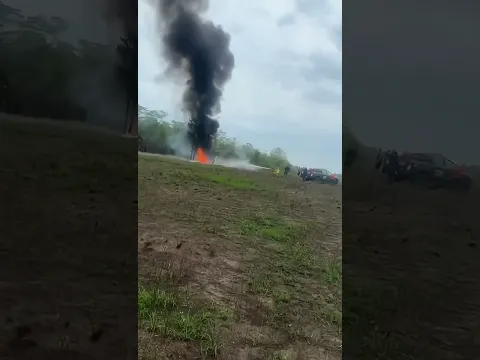
However, the pilot of the aircraft disregarded the orders and opted for an emergency landing in an open area south of the Lábrea runway, near the Trans-Amazonian Highway.
After landing, the occupant was seen setting the aircraft on fire and fleeing the scene. The Federal Police (PF) was called to carry out Ground Control Measures and initiate investigations into the incident.
The scene raised many questions about the nature of the aircraft’s mission.
Major-Brigadier of the Air João Campos Ferreira Filho, Head of the Joint General Staff of the Aerospace Operations Command (COMAE), emphasized the importance of the readiness of defense forces.
“The monitoring technologies embedded in our radars, along with the readiness of crews and controllers, enhance our ability to map the routes of traffickers and take action to prevent drugs from reaching their destination”, he stated.
This incident is part of Operation Ostium, a strategy interconnected with the Integrated Border Protection Program (PPIF), aimed at combating cross-border crimes.
The operation is a partnership between the FAB and public security agencies, following Decree No. 5,144 of July 16, 2004.
Strategic Intervention
The rapid response of the FAB reflects not only the effectiveness of the air monitoring system but also the seriousness with which Brazil treats security issues at its borders.
Combat aircraft, such as the A-29 Super Tucano, are crucial for operations of this nature, enabling authorities to act decisively in risky situations.
Furthermore, the use of advanced technology for tracking clandestine aircraft represents a significant advance in the fight against drug trafficking and other crimes.
The Impact on Security
The presence of unidentified aircraft in Brazilian airspace raises concerns about national security and the effectiveness of control measures.
Authorities have emphasized the need for constant vigilance and readiness to deal with potential threats.
The actions of the FAB, in addition to protecting airspace, reflect a broader commitment to public security and the protection of borders.
This episode serves as a warning about the persistence of illicit activities in Brazil’s border regions.
As the country mobilizes to investigate the origin and purpose of the aircraft, the population wonders: what will be the next step by authorities to ensure the security of airspace?
In light of events like this, cooperation among different security agencies becomes even more vital.
And you, what do you think of the FAB’s actions in this incident? Do you believe Brazil is prepared to deal with new threats in its airspace?



Be the first to react!