






 Portuguese
  Spanish


With Fiscal Balance, Technical Qualification, and Focus on Innovation, Teresina Stands Out as a Model Northeastern Capital, Attracting Startups, Industries, and Large National Groups with Stability and Skilled Labor.
At the height of the economic crises that shook the country between 2015 and 2021, many northeastern capitals faced budget cuts, delays in projects, and loss of competitiveness. But one of them did the opposite: organized its finances, invested in people and technology — and it worked. Teresina, the capital of Piauí, now stands out as one of the most economically balanced cities in Brazil and has become a magnet for national and foreign investments.
While major urban centers saw their debts explode, the capital of Piauí chose another path: fiscal rigor, encouragement of innovation, and a serious bet on the technical training of the population.
Organized Public Finances: The Silent Secret of Success
Among the elements that help explain Teresina’s good moment, there is one factor often invisible to the population: fiscal discipline.
-
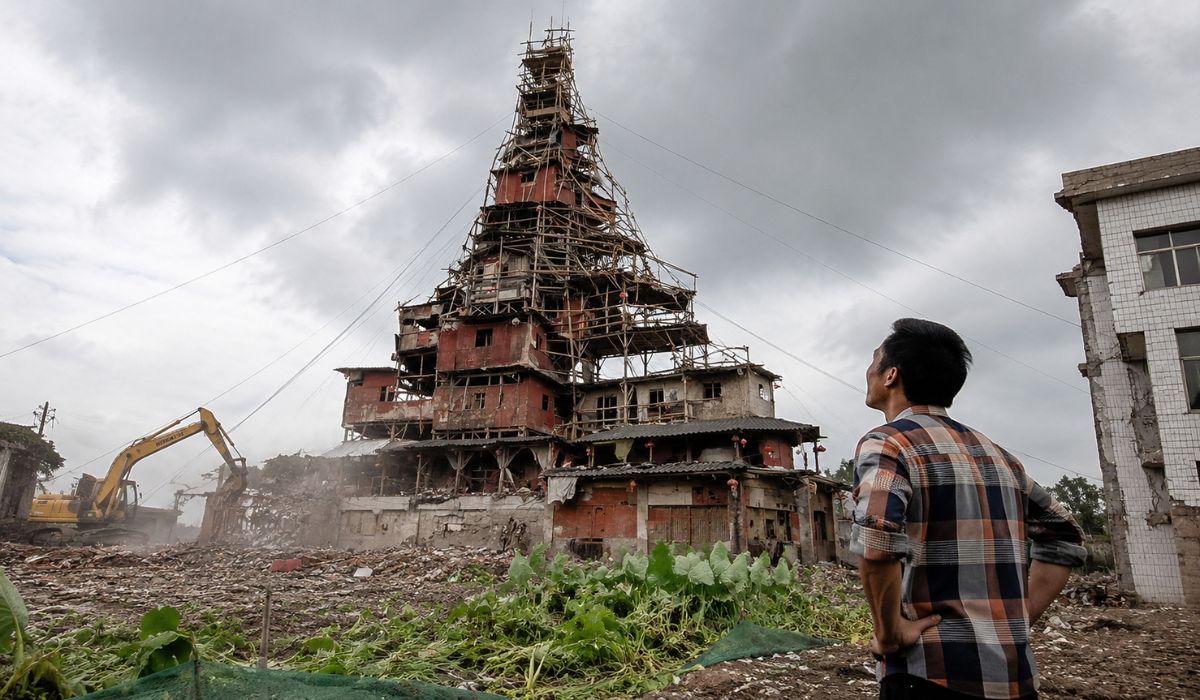
Chinese Man Transforms Home into 10-Story Pyramid Over 8 Years, Defying Authorities Before Demolition

-
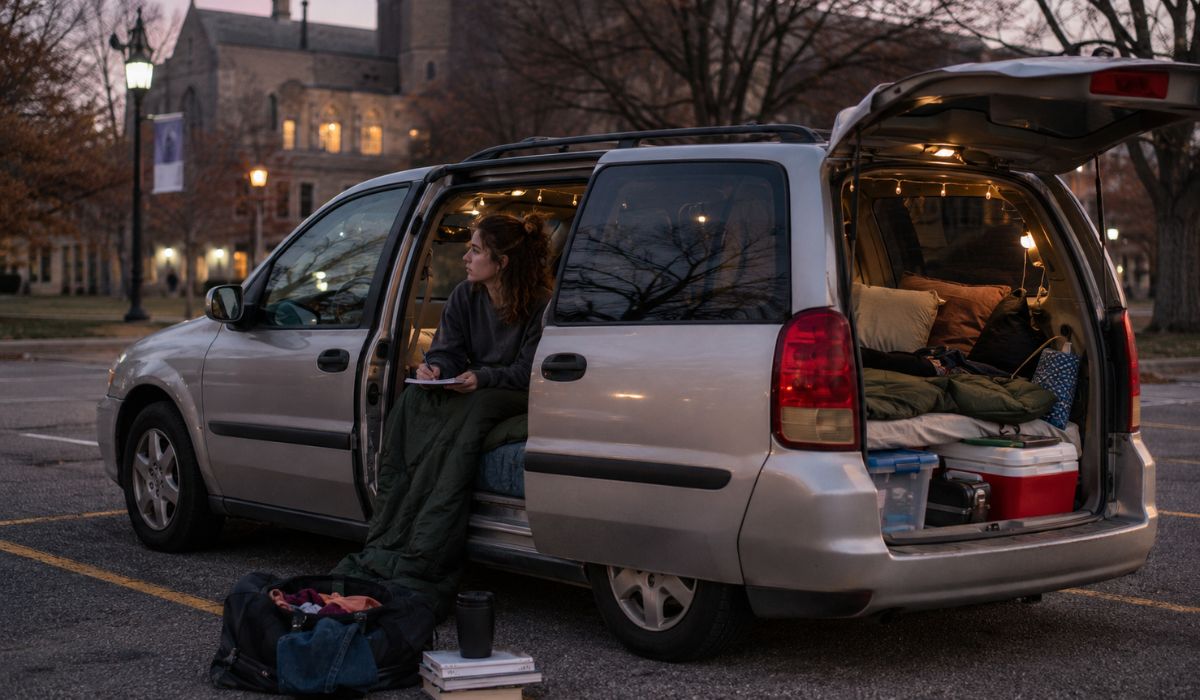
Faced with College Costs, Brazilian Student Lived in a Minivan for Nearly Two Years to Graduate Debt-Free
-
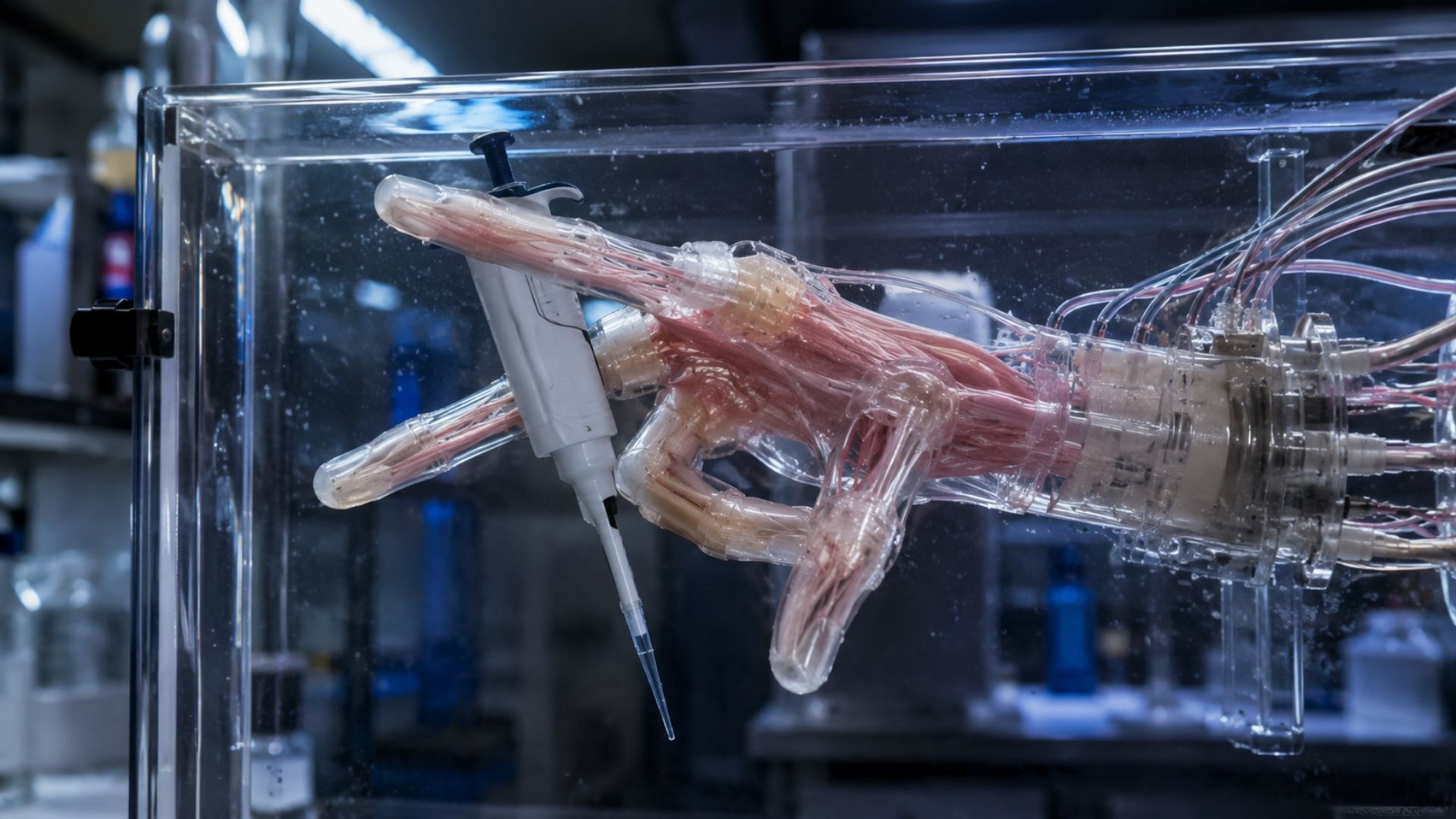
Tokyo Scientists Create First 18cm Biohybrid Hand Using Human Muscle, Capable of Scissor Gesture and Holding a Pipette

-
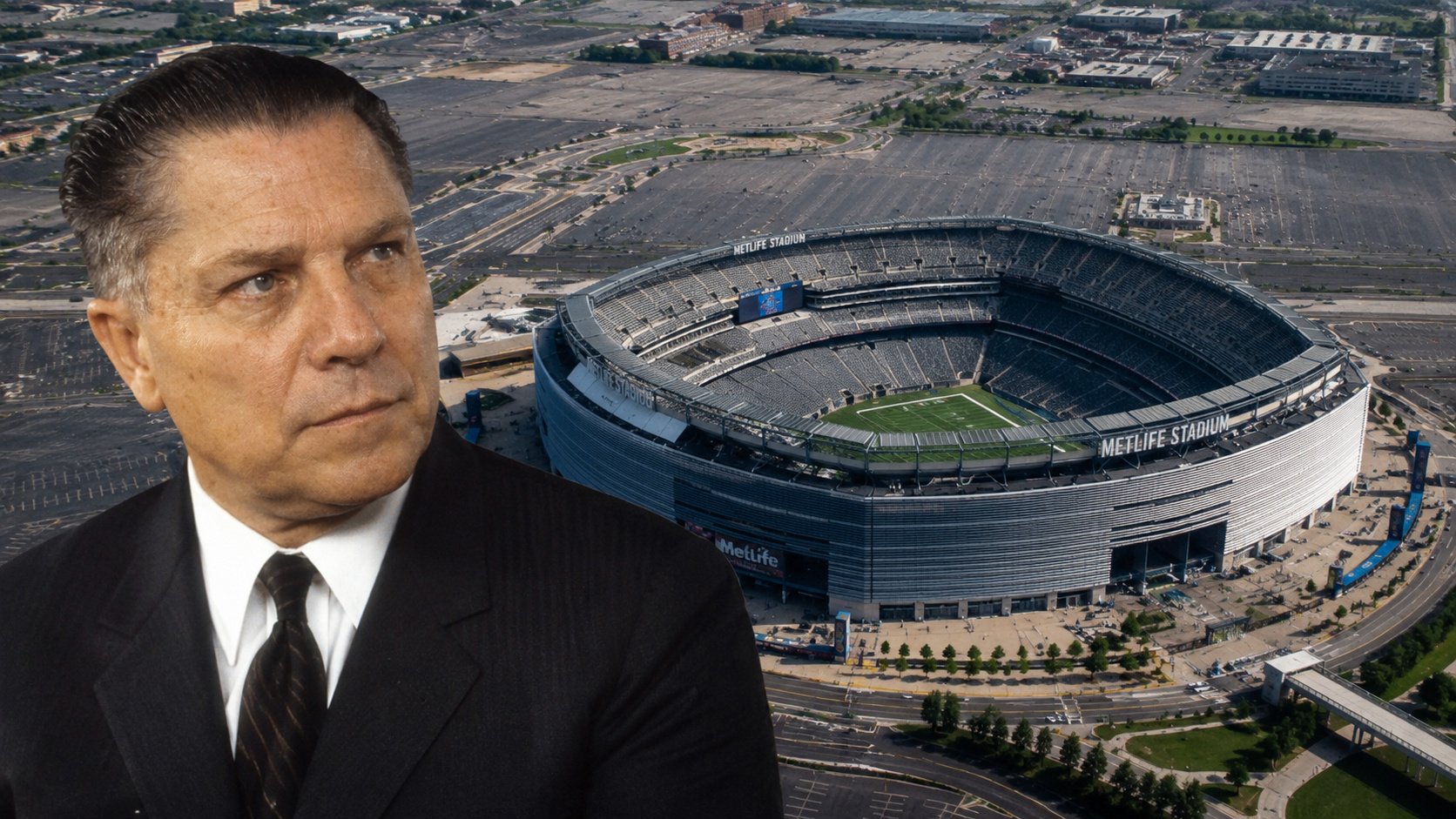
Brazil Faces Norway in World Cup at Stadium Linked to Jimmy Hoffa’s Mysterious Disappearance

Teresina has excelled in national rankings of transparency, budget responsibility, and public resource management. The Federation of Industries of the State of Rio de Janeiro (FIRJAN) has already listed the city as an example of fiscal balance, with recurring surpluses even in years of economic contraction.
This means that the city spends less than it collects — something rare in municipal administrations — and thus can maintain investments, honor commitments with suppliers, and pay public servants on time.
This scenario attracts medium and large companies that seek economically stable environments to establish themselves — something essential for long-term planning.
Innovation and Technology: The New Fuel of the Capital of Piauí
Teresina understood that it is not necessary to have large industrial parks to grow. Instead, it began to invest in the knowledge economy.
The city now hosts the CITinova – Technological Innovation Center, a structure that connects researchers, students, and entrepreneurs to innovation promotion programs. In addition, UFPI (Federal University of Piauí) and the Federal Institute of Piauí (IFPI) maintain research hubs in areas such as:
- Information Technology
- Digital Health
- Logistics and Smart Cities
- Renewable Energies
There is also a growing ecosystem of startups, incubators, and technology-based companies, especially focused on govtechs (solutions for governments), remote education, and digital service platforms.
Teresina has gradually become a reference for innovative solutions applied to public power. This attracted partnerships with BNDES, Finep, Sebrae, and BID — and, above all, brought national visibility as a center of creativity and efficiency outside the Rio-SP axis.
Technical Education: A Strategic Asset for Job Creation
A significant part of the advances in innovation only become viable when there is qualified labor to execute them. Teresina has made a big bet on this.
The city has one of the best educational arrangements in the Northeast when it comes to technical and vocational training. The S System (Senai, Sesi, Senac) operates strongly in the capital, offering courses aligned with the demands of industry, technology, and specialized services.
At the same time, state technical schools have been restructured, and partnerships with private companies have enabled internship programs, first jobs, and on-demand training.
This model has helped train thousands of young people in areas such as:
- Computer Networks
- Mobile and Web Development
- Industrial Automation
- Logistics and Supply Chain
- Customer Service and Backoffice
And it is no coincidence that giants in the call center and information technology sectors have begun to set up units in the capital, employing thousands of people with competitive salaries and real career opportunities.
Infrastructure and Stability: The Equation That Attracts Major Investors
In addition to qualifying the workforce and ensuring fiscal security, Teresina has something rare: urban infrastructure in expansion without uncontrolled debt.
With a good road network, airports with daily flights to strategic capitals, and constant investments in sanitation and energy, the city has become a safe harbor for companies that want to operate in the Northeast with lower logistical and human costs.
In recent years, national and international groups in logistics, energy, food, and pharmaceuticals have opened operations around the capital, attracted by:
- Lower operational costs than in Fortaleza, Salvador, or Recife
- Political and budget stability
- Municipal and state incentives for new installations
- Availability of urbanized land in industrial areas
- Favorable business climate and reduced bureaucracy
A Northeastern Model of a Competitive City
Teresina is becoming a national example of a mid-sized city that became a reference without resorting to megaprojects or miraculous incentives.
It invested where it truly matters:
- In qualified people
- In strict control of public finances
- In fostering technology and innovation
- In long-term public policies
The result?
Better indicators of formal job creation
Low levels of public delinquency
Economic growth above the Northeast average in the last 5 years
Teresina represents a new generation of Brazilian capitals that understand development as a construction built on a solid foundation. It is not enough to attract investments: it is necessary to create the right environment, with transparency, technical preparation, and intelligent public policies.
In a Brazil still lacking good examples in public administration, Teresina shows that it is possible to do it differently — and better.





Também não acredito nessa matéria e só perguntar ao povo de Teresina, porque a mídia estaria falando sobre essa cidade.
Teresina vai virar uma metrópole brasileira.
Depois reclamam quando o STF quer regular as redes sociais. Devem estar falando da Islândia.