






 Portuguese
  Spanish


Striking Military Innovation: Chinese Robot Dog with Machine Gun Causes Alarm and Could Redefine the Future of Combat with Its Advanced Technology
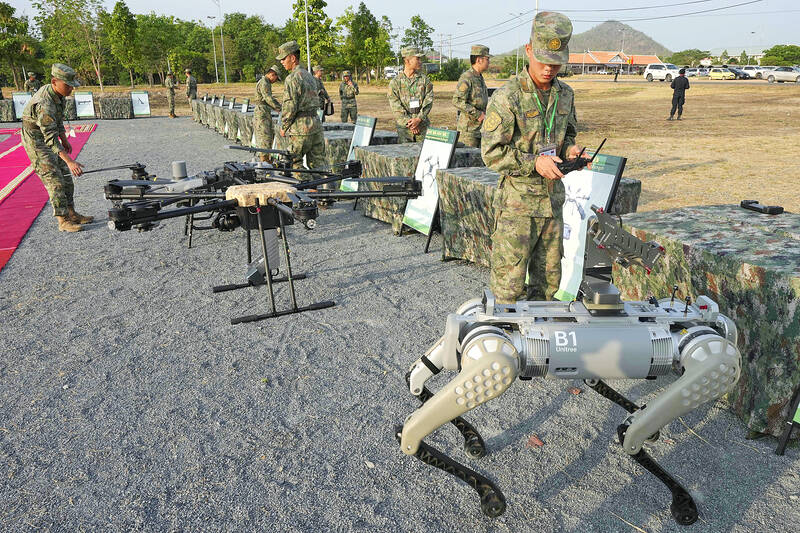
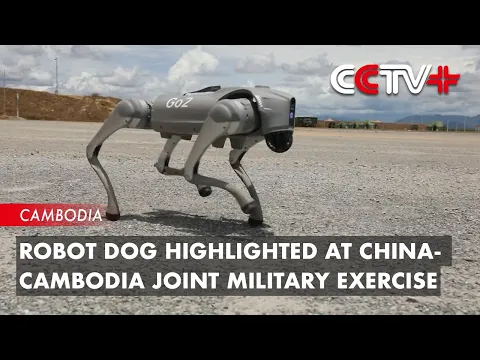
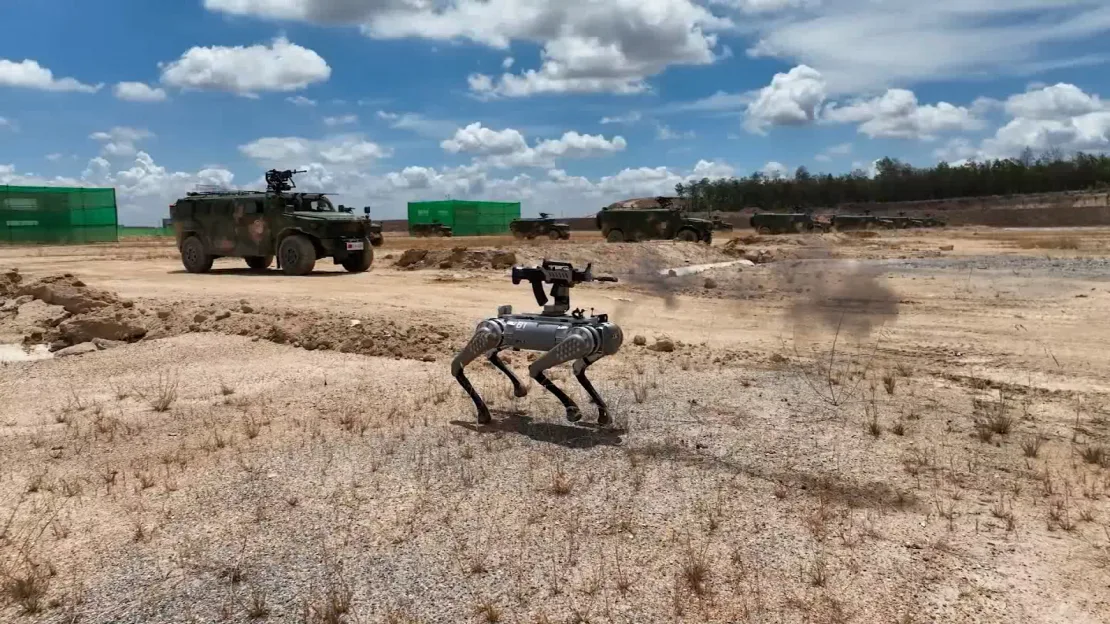
In a recent military exercise held in conjunction with Cambodia, China showcased an innovation that seems straight out of science fiction movies. This is a robot dog equipped with an automatic rifle mounted on its back, a machine designed for reconnaissance and combat. Watch the video right below.
The apparatus, which is as impressive as it is alarming, represents a significant advancement in Chinese military capabilities. A soldier identified as Chen Wei, in an interview with the state broadcaster CCTV, commented on the robot: “It can serve as a new member in our urban combat operations, replacing our soldiers to perform reconnaissance, identify enemies, and attack targets.”
This display caught the attention of the international public, with the first news coming from Agence France-Presse, which reported on the joint military exercise lasting 15 days between China and Cambodia, called “Golden Dragon“.
-
Brazilian Students Repurpose Clay Tea Cups to Create Cooler That Lowers Room Temperature by Up to 10°C Without Air Conditioning or Fans

-
353-Year-Old Mystery Deepens as Archaeologist Arrested with Teeth and Bone Fragment Possibly Linked to d’Artagnan, the Real Musketeer Behind Alexandre Dumas’ Inspiration

-
16-Year-Old Invents CoolTowel, a Fitness Towel That Stays Cold for Up to 2 Hours, Wins Global Alibaba Competition with Over 15,000 Participants, Earning $1 Million

-
Brazil to Install First Operational Quantum Computers in the Northeast and Establish New Center to Boost Technological Sovereignty




In addition to the news, videos showcasing the robot dog’s capabilities began circulating, demonstrating its functionalities on the battlefield. With a relatively affordable price of US$ 2,800, the Go2 model used in this exercise is one of China’s cheapest weapons with high destructive power.
The Dehumanization of War
Although the use of drones and other unmanned military equipment is already a reality in many countries, the creation of autonomous ground combat robots is a relatively new phenomenon. Drones, for example, have been widely used by militaries in surveillance and airstrike operations, and now the trend seems to be expanding to the ground.
The use of armed robotic dogs marks the next step in the dehumanization of combat, as these machines are designed to perform functions that previously required human presence.
The first “dog” robots gained popularity with Boston Dynamics, a company known for its innovations in robotics. However, while some companies, such as Boston Dynamics itself, have pledged not to turn their creations into weapons, other companies seem to take a different ethical stance.
The Chinese government, like the U.S. military, is exploring the use of robots in combat operations, demonstrating the potential for man-machine integration to transform war as we know it.

China’s Role in the Global Military Landscape
China is already one of the largest users and exporters of military drones, and now, with the introduction of armed robot dogs, the country continues to consolidate its position as one of the leading innovators in the field of technological warfare. Armed robot dogs are being widely promoted on Chinese social media platforms, which are heavily regulated and censored by the government. When something related to the People’s Liberation Army receives so much attention, it indicates that the government is seriously investing in these technologies.
This vision of dehumanized warfare, where robots play central roles, marks a significant shift in combat methods. Armed robot dogs are designed not only for reconnaissance but also to eliminate targets without the need for human intervention. With advanced software powered by artificial intelligence, these robots can make complex decisions on the battlefield, such as identifying and attacking targets without direct commands from human operators.
The Future of Wars
The advancement of armed robot dogs in China highlights a growing trend: the warfare of the future will be increasingly defined by machines.
The autonomy of these robots, especially when powered by artificial intelligence, raises questions about the ethical and moral implications of using robots in combat situations. While they represent an impressive technological advancement, the prospect of machines deciding the fate of human lives without direct intervention raises significant concerns among many experts.
With China and other countries heavily investing in autonomous military technologies, the world may be on the brink of witnessing a new era in warfare. The introduction of armed robot dogs into military forces is just the beginning of a technological revolution that could completely transform the global combat landscape, bringing unprecedented challenges and risks.








Quem dúvida da China e acha correto provoca-la está vivendo errado.