Portuguese
  Spanish


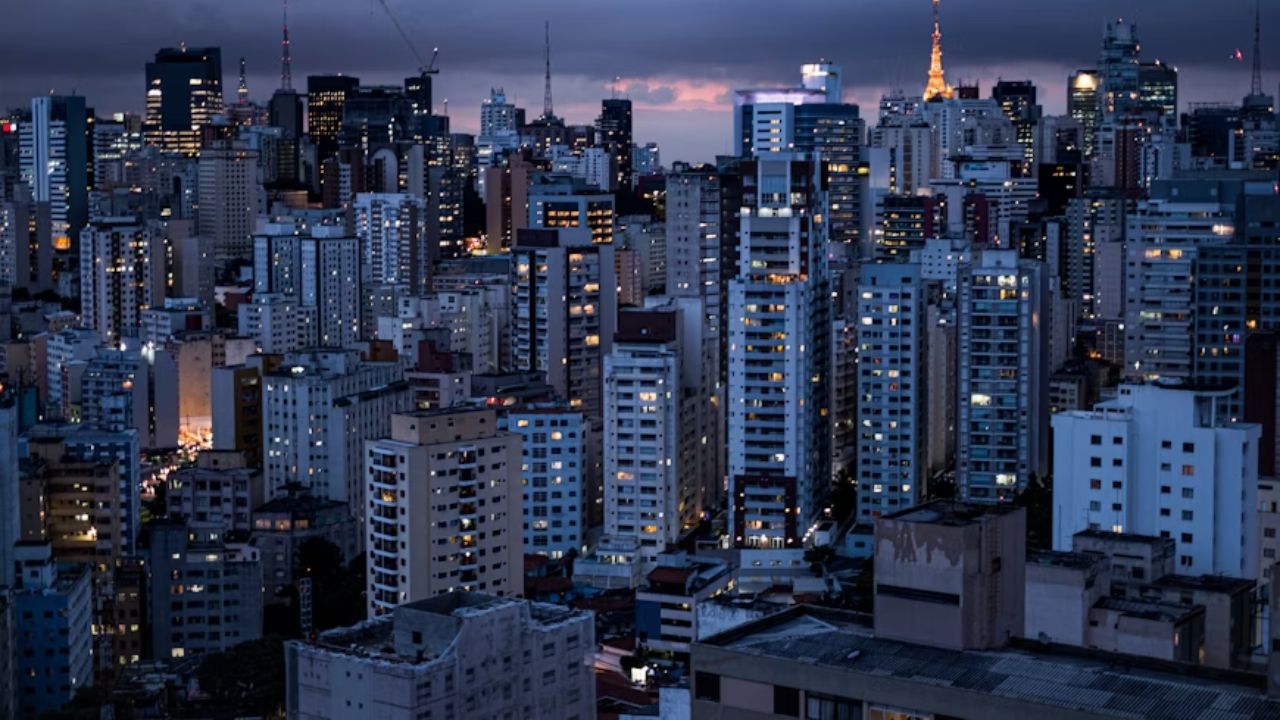


São Paulo Is Not Just the Largest Metropolis in the Country; It Is Home to Nearly Half of the Largest Fortunes and the Main Corporate Headquarters in Brazil.
The Brazilian city consolidates itself as the nerve center of the Brazilian economy. The metropolis concentrates an impressive share of the country’s billionaires. Furthermore, it hosts the operations of the largest corporations. This dominance is not recent. It is the result of historical development that transformed it into a magnet for capital, talent, and power.
The Unquestionable Dominance of Numbers and Fortunes
The data confirms São Paulo’s supremacy. According to the 2024 Forbes List, the state of São Paulo is home to 97 of the 239 billionaires in the country. This represents a dominant slice of 40.6% of the total. In other words, two out of five Brazilian billionaires are from São Paulo.
The list of fortunes is led by heavyweight figures. Eduardo Saverin, co-founder of Facebook (Meta), tops the ranking with a net worth of R$ 155.97 billion, a historical record. The wealth of families such as the Safras, with R$ 110.17 billion, and the Moreira Salles, linked to Itaú Unibanco, is also central to this scenario. The diversity of sectors, ranging from finance and technology to agribusiness, demonstrates the robustness of the local economy.
-
Tourist Discovers Forgotten Joaquín Sorolla Painting Worth Up to 60,000 Euros While Strolling in Seville

-
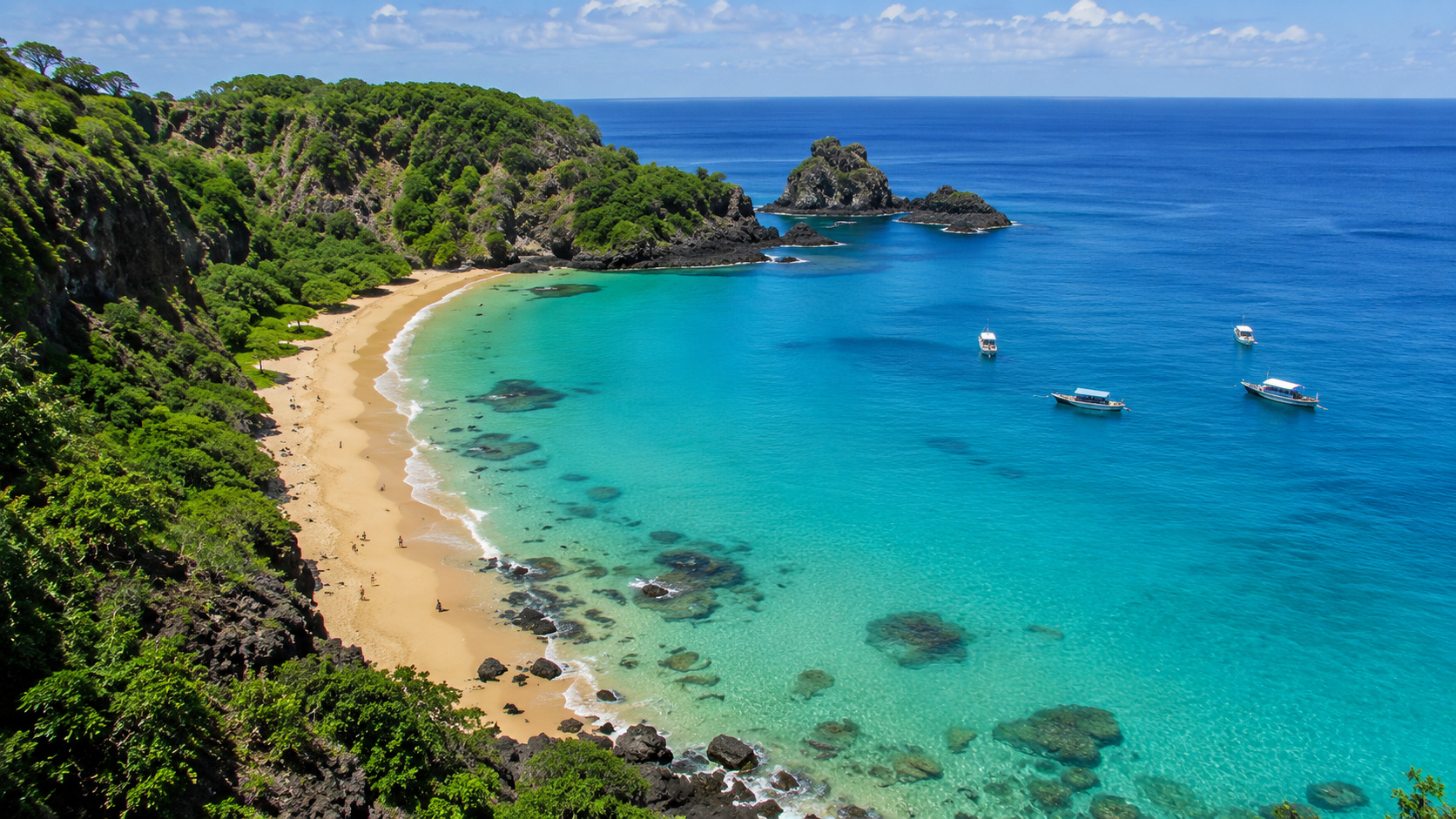
Brazil’s Fernando de Noronha Boasts World’s Most Beautiful Beach, Accessible Only by Descending 208 Cliffside Steps and With No Food Vendors Allowed

-
Wave Rock: Australia’s Giant Granite Wave Stands 15 Meters Tall, Spans 110 Meters, and Showcases 2.7 Billion Years of Erosion in the Australian Desert
-
How to Unclog Showerhead Holes Blocked by Limescale and Hard Water Without Replacing or Hiring a Technician



When compared to other hubs, the leadership of the Brazilian city becomes even more evident. The Rio de Janeiro ranks a distant second, with 36 billionaires (15.1%), followed by Santa Catarina, with 34 (14.2%). This concentration of billionaires translates into a massive accumulation of capital in the Southeast region, totaling R$ 1.2 trillion in wealth.
In Which Brazilian City Do the Largest Companies in the Country Have Their Headquarters
The concentration of personal wealth is directly linked to corporate dominance. São Paulo is the undisputed headquarters of Brazil’s business elite. It houses giants of the financial sector such as Itaú Unibanco, Banco Bradesco, and BTG Pactual. In retail, names like Carrefour and Assaí Atacadista lead the national ranking from their bases in São Paulo.
The beating heart of this corporate power is the Avenida Brigadeiro Faria Lima. This area is the most coveted and expensive address in the country, concentrating the main financial institutions. This physical proximity facilitates business and creates an environment of high density of talent and innovation.
Beyond finance, the São Paulo economy is diverse and strong. In the first half of 2024, the state’s GDP grew by 3.3%, driven by Industry (3.7%) and Services (2.8%). This dynamism increasingly attracts businesses, with the Brazilian city setting a record for business openings in 2024.
The Historical Roots of Wealth
The current power of São Paulo has deep roots. The journey began in the 19th century with the coffee boom. The “black gold” generated extraordinary wealth that financed the construction of essential infrastructure, such as the railways connecting the interior to the Port of Santos.
The capital accumulated from coffee was then reinvested. This movement laid the foundation for the city’s industrialization. Banks emerged to finance commerce, planting the seeds for the future financial hub. The Brazilian city evolved from an agricultural outpost into a complex economic center, consolidating its leadership around 1950.
The Ecosystem That Attracts and Sustains Billionaires


The high concentration of wealth feeds and is sustained by a high-quality infrastructure. The luxury real estate market is one example. In 2023, sales in this segment grew by 40%, totaling R$ 15.3 billion. Neighborhoods like Jardim Europa and Vila Nova Conceição have properties with an average price of R$ 7.8 million and R$ 5.81 million, respectively.
A key piece in this ecosystem is the São Paulo Catarina International Executive Airport. It is the first airport in Brazil dedicated exclusively to executive aviation, offering privacy and efficiency for corporate leaders and high-net-worth individuals. The 41.1% growth in airport movements in 2024 highlights the high demand for this exclusivity.
Social Challenges in the Most Expensive Brazilian City
The economic dynamism has its consequences. According to the 2024 Mercer survey, São Paulo is the most expensive city in Brazil to live in, ranking 124th in the global ranking. The high cost of living, driven by economic activity itself, affects the entire population.
This creates a landscape of contrasts. Billionaire fortunes coexist with significant social challenges. However, the scenario is complex. Recent data from IBGE shows a positive trend at the state level, with per capita household income reaching a record R$ 2,588 and the Gini index, which measures inequality, decreasing. The overall economic vitality seems to raise the income of many, but the exponential appreciation of the assets of the wealthiest keeps the wealth disparity as a central challenge.