






 Portuguese
  Spanish


Analândia Preserves the Atmosphere of a Small Town, Without High Buildings, Traffic Lights, or Intense Traffic, Standing Out for Trails, Waterfalls, Ancient Caves, and a Unique Bucolic Atmosphere in the Interior of São Paulo.
Located about 220 kilometers from São Paulo, Analândia stands out as one of the most unique destinations in the interior of São Paulo, offering visitors the rare experience of slowing down and living a routine free from typical elements of big cities.
With an estimated population of just over 4,500 inhabitants, according to data from the Brazilian Institute of Geography and Statistics (IBGE), the municipality is recognized for its peaceful atmosphere and preservation of rural traditions, aspects that are increasingly valued in times of intense urbanization.
Those who arrive in the town quickly notice the absence of tall buildings, bustling shopping centers, and even traffic lights.
-
Man Disguises as His Own Mother to Collect €3,000 Monthly Pension, but Makeup and Beard Stubble Raise Suspicions at Registry Office

-
Brazilian Airport to Receive $2.8 Million Investment, Completion Expected Within a Year

-
UN Warns of AI’s Environmental Impact and Calls for Greater Corporate Transparency

-
Former Atacadão Employee Turns Online Cake-Baking Lessons into a Confectionery Brand with Factory, Store, Delivery, and Nearly $400,000 in Revenue




According to information from the City Hall of Analândia, there is specific regulation that prevents the construction of skyscrapers, with the aim of preserving the bucolic characteristic of the municipality.
This often leads to Analândia being described as a “city frozen in time”, where the pace of life follows its own rhythm and the urban landscape has remained virtually unchanged for decades.
Adventure and Nature Tourism in Analândia
Among the main attractions of Analândia, adventure tourism and contact with nature stand out.
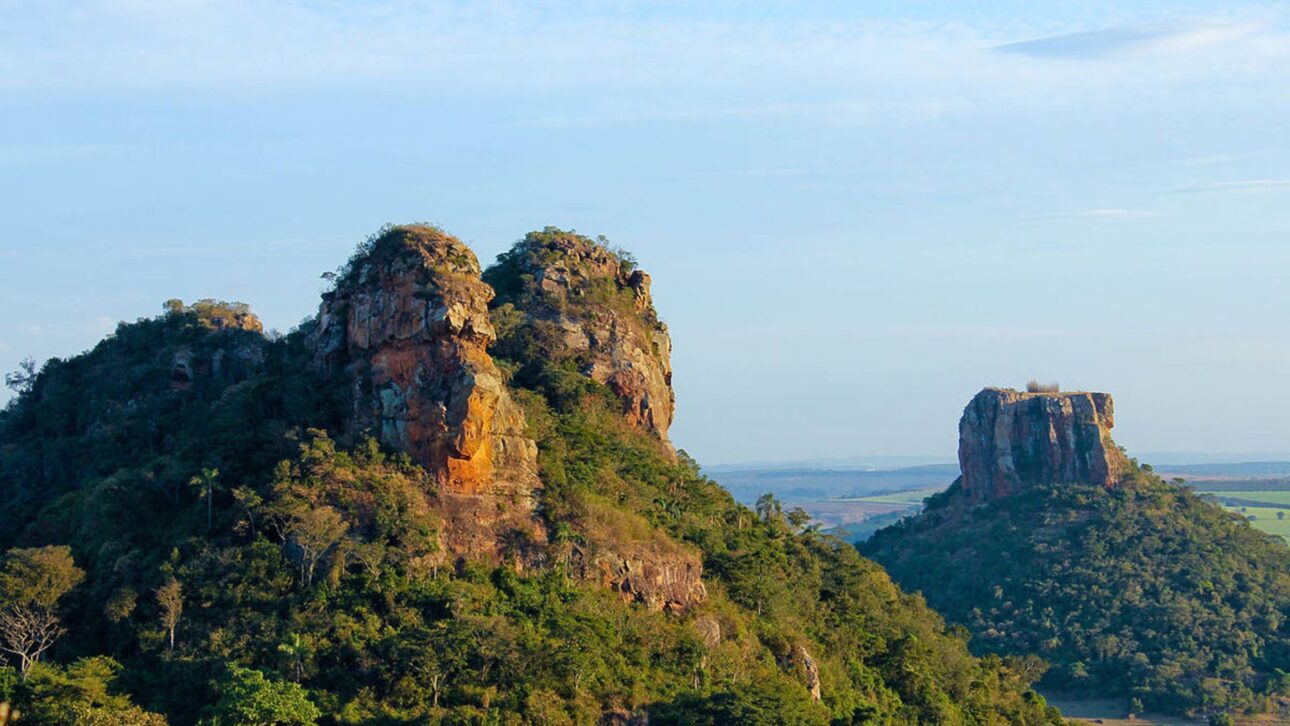
Morro do Cuscuzeiro, a sandstone rock formation about 900 meters high, is considered the postcard of the municipality and one of the most visited spots by hikers, climbers, and adventure sports enthusiasts.
The location offers a panoramic view of the region and features various climbing routes, attracting tourists and athletes from different states.
Preserved Waterfalls and Springs
Another distinctive feature of the municipality is its abundance of water resources.
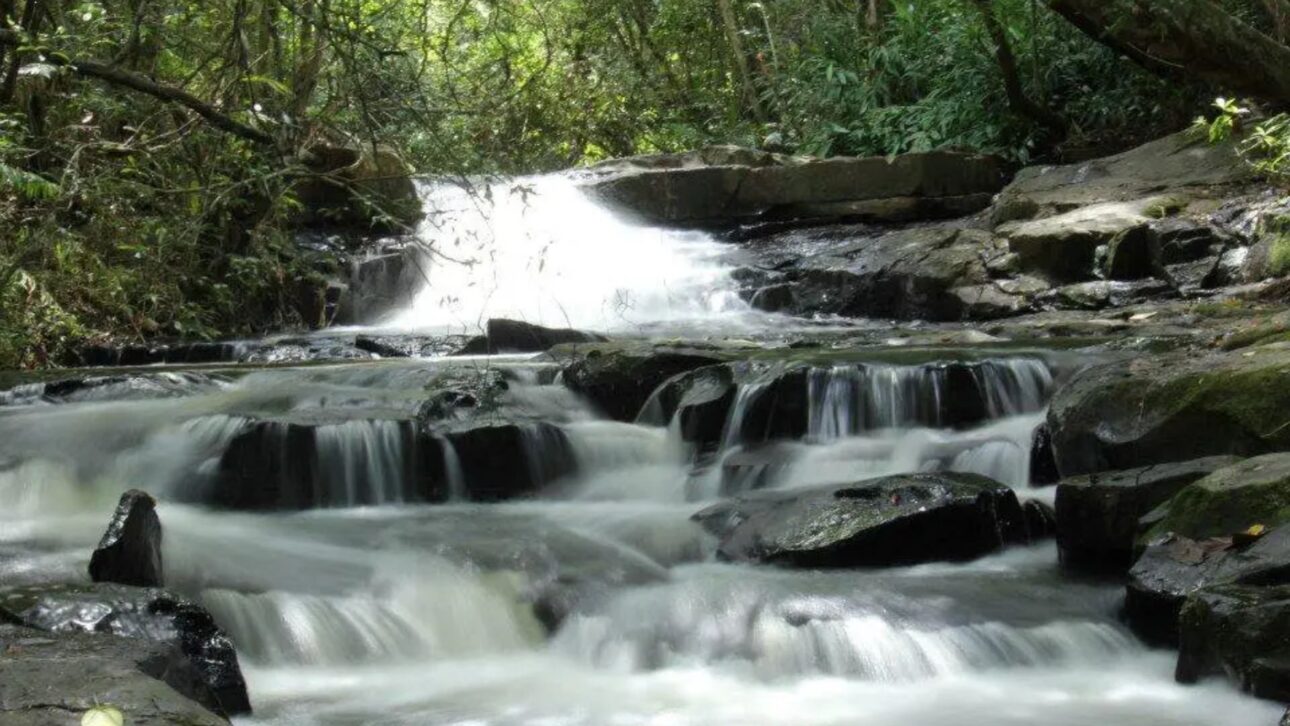
Analândia has over 700 cataloged springs, which contributes to the presence of clearwater waterfalls, especially sought after during the hottest months of the year.
Among the most known waterfalls are Cachoeira da Ponte Amarela, ideal for family swimming and picnics, and Cachoeira do Salto Major Levy, which stands out for its 25 meters in height and easy access via trail.
Ancient Caves and Archaeological Records
The town also preserves important historical and archaeological records, with caves that house ancient rock paintings.
Gruta do Índio and Abrigo do Alvo are examples of sites where inscriptions and drawings dating back approximately 7,000 years have been identified, according to archaeological studies conducted in the region.
These sites attract not only tourists but also researchers interested in traces of prehistoric human presence in the interior of São Paulo.
Tranquil Life and the Essence of a City Without Rush
The rural environment and the climate of tranquility are reflected in the daily lives of the residents.
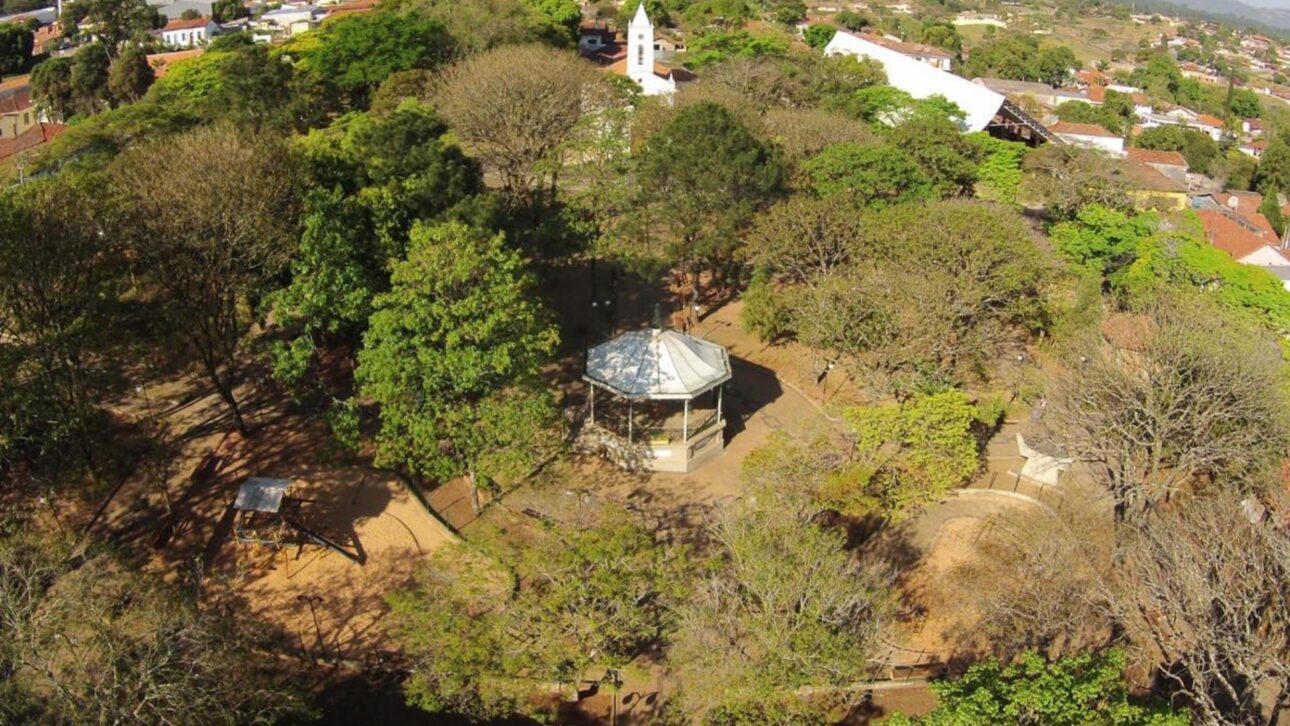
In Analândia, haste is replaced by community living and the habit of enjoying public spaces, such as the central square and local product fairs.
There are no recorded major traffic jams, as vehicle flow is reduced and circulation mainly occurs peacefully.
By administrative decision, there are no traffic lights in the town, contributing to a constant feeling of pause and slowing down, even for those just passing through.
Ecological Tourism, Local Economy, and Preservation
Ecological and adventure tourism has gained momentum in recent years, boosting the availability of services such as accommodations in family inns, restaurants with typical cuisine from the interior of São Paulo, and activities guided by licensed professionals.
Visitors can book trips for ecological trails, waterfall swimming, sport climbing, and even explore caves with specialized guidance, ensuring greater safety and understanding of the natural heritage.
Despite the growth of tourism, the town maintains strict environmental preservation standards, aligned with sustainable development policies.
The responsible use of natural resources is a frequent topic in local discussions, and attractions are managed in such a way as to minimize negative impacts and ensure the maintenance of the area’s original characteristics.
How to Get to Analândia
The strategic location of Analândia, approximately three hours by car from São Paulo, favors the flow of visitors seeking leisure alternatives in direct contact with nature, without the need for long journeys.
For those departing from the capital, access can be done via the Anhanguera (SP-330) or Washington Luís (SP-310) highways, followed by state roads that cut through small towns in the interior.
Climate, Events, and Economy
The mild climate for most of the year, combined with the scenery of mountains, valleys, and preserved forests, makes Analândia an attractive destination for both short trips and extended periods of rest.
The variety of trails, waterfalls, and ancient caves offers options for different profiles of visitors, including families, couples, groups of friends, and tourists seeking authentic experiences outside the traditional circuit.
For those seeking cultural experiences, Analândia hosts seasonal events related to rural traditions, religious festivals, and adventure sports gatherings, reinforcing its vocation as a welcoming tourist city.
The local economy, strongly based on tourism and family agriculture, also contributes to the offering of artisan products, such as sweets, cheeses, and regional cachaças.




