Portuguese
  Spanish


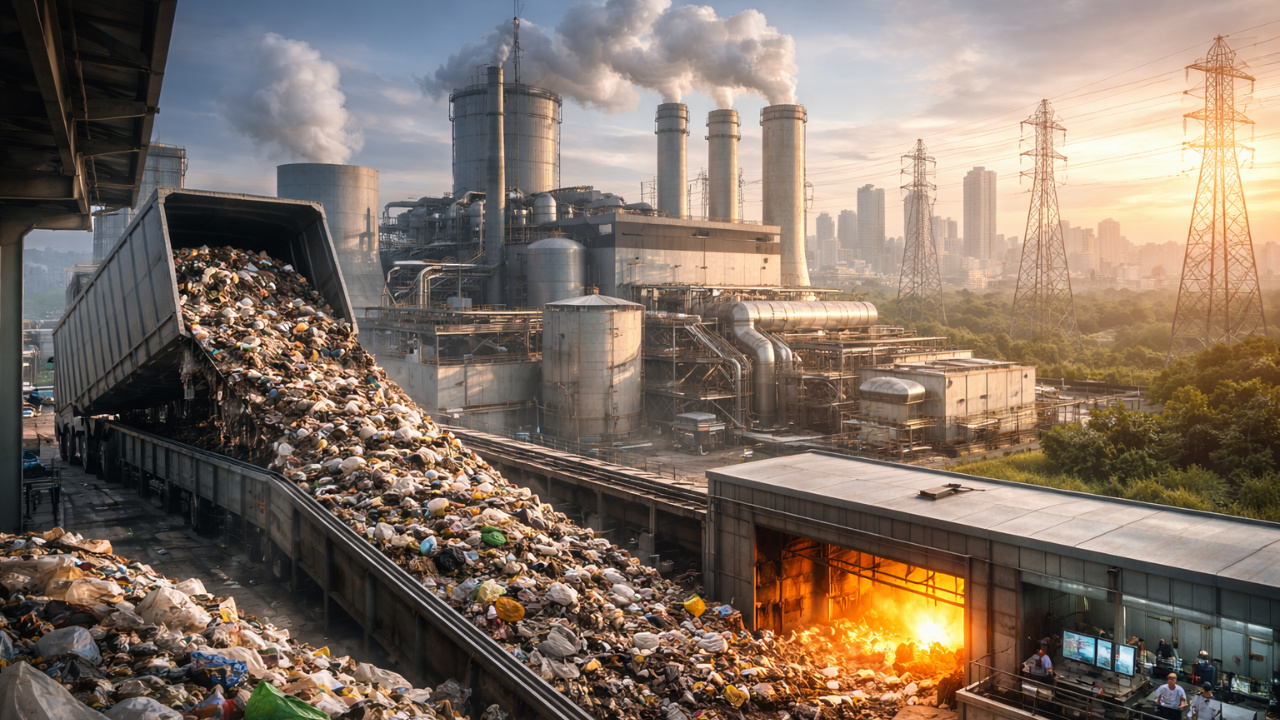

Cubatão Studies to Implement Plant for Electricity Generation from Urban Solid Waste with Chinese Technology and Bets on a New Sustainable Energy Hub.
What was once a problem can become a solution. In Cubatão, in the São Paulo coast, the city is considering implementing a bold project for electricity generation from urban solid waste.
The proposal provides for the installation of a WTE (Waste-to-Energy Plant) in an area that once housed an old dump.
The idea is simple yet ambitious: transform waste into electricity and thermal steam through WTE technology.
-
USP researcher creates thesis to attract international funds for the country’s electric energy sector

-
Trafigura receives authorization from ANEEL to trade electricity in Brazil and expands its operations in the largest energy market in Latin America.
-
Mobile solar panels promised to share space with corn crops, but the 20% to 25% shade reduced production by an average of 7.7% and opened a new dispute between energy and food.
-
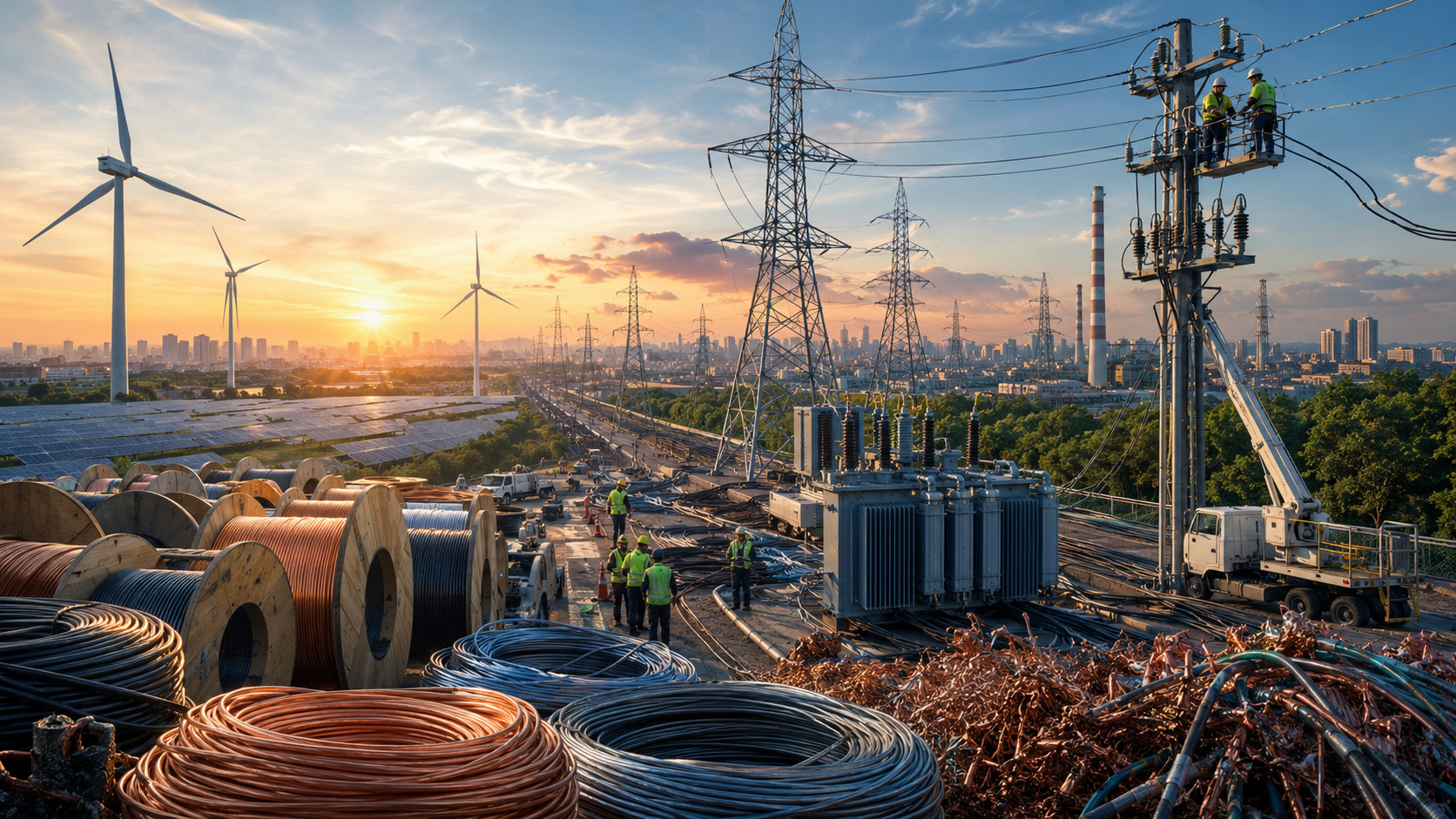
More than 80 million kilometers of wires need to be replaced by 2040: the energy transition doesn’t just depend on panels and electric cars, but on a colossal race for copper, aluminum, transformers, and recycling of old cables.


This technology is already used on a large scale in Asia and Europe. Now, it may come to Brazil.
In addition, the project is part of a larger plan. It is integrated into the future Sustainable Energy Hub of Cubatão, which is also negotiating the installation of a green hydrogen industry in the municipality.
Foreign Technology Promises to Boost Electricity Generation
To take the project from paper to reality, the city has initiated discussions with China Civil Engineering Construction Corporation, a partner of SUS Environment.
The proposal involves adopting modern thermal efficiency and gas filtration systems.
The goal is to convert urban waste into energy input for the Industrial Hub of Cubatão and the future Porto-Industry Corridor.

In other words, electricity generation would no longer rely solely on traditional sources and would start to utilize the waste produced by the city.
According to Wang Kay, manager of the Technology and Projects Department at the Chinese company, the model is already established in other countries.
“It is a safe and globally consolidated process. Our technology already operates on a large scale in several countries in Asia and Europe, converting waste into valuable resources,” the executive stated.
He also highlighted that China has practically eliminated its dumps after building over 600 similar plants.

Project Involves Governments and May Come Through PPP
As negotiations progress, the city is also mobilizing political support.
Mayor César Nascimento confirmed that there are discussions with state and federal governments to enable not only the plant but also other projects related to energy transition.
“We are already in advanced discussions to bring the green hydrogen industry to the city, with support from State and Federal governments. Now we are also advancing in another promising front aligned with global trends,” he stated.
However, the implementation still depends on technical analyses and environmental licensing. Additionally, the model may be structured through a PPP (Public-Private Partnership), which will require detailed financial studies.
Old Dump Could Become a Symbol of the New Economy
If approved, the project will completely change the fate of an area previously marked by environmental degradation.
The proposal is to transform the space into a circular economy hub, where waste ceases to be discarded and starts to generate value.
Electricity generation from waste can also reduce environmental impacts, decrease the need for landfills, and strengthen local energy infrastructure.

On the other hand, experts point out that projects of this kind often generate debates about costs, environmental impacts, and long-term efficiency.
Still, the promise of transforming waste into energy and economic development has drawn attention.
Cubatão, historically known for its industrial hub, may be about to write a new chapter in its energy trajectory.