






 Portuguese
  Spanish
 5 min of reading
  2 comments


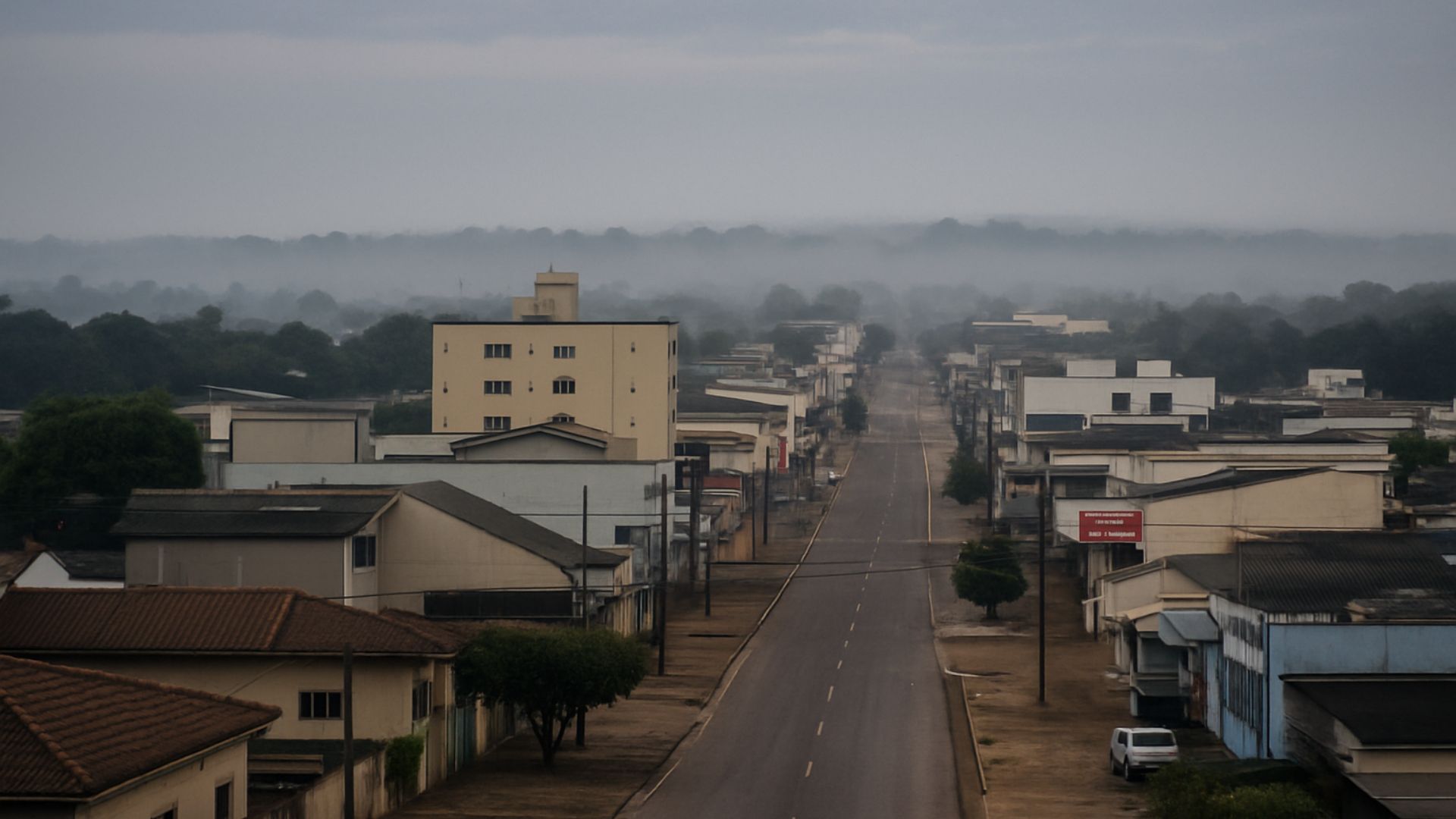


Amazon City at Over 600 Meters in Altitude Frequently Appears in Records of Intense Cold During Cold Spells, When Polar Air Masses Advance Through the Interior of the Continent and Lower Temperatures in the Southern Northern Region.
In the Northern Region, heat is often the most remembered feature by those thinking of the Amazon’s climate.
Nevertheless, during some periods of the year, a sudden change in weather can lead the thermometer to unusual marks for the region, especially when cooler air masses manage to advance through the interior of the continent.
In this scenario, Vilhena, in the Southern Cone of Rondônia, frequently appears in records and reports about episodes of sharp temperature drops in Western Amazon.
-
When an asteroid appears without warning, ESA switches from emails to voice calls and speeds up alerts that can determine the response on Earth.

-
With 10 volcanic islands 600 kilometers off West Africa, Cape Verde becomes an example of political stability, cultural richness, musical strength, and an economy linked to tourism and Cape Verdeans abroad.

-
Resident finds 11th-century medieval sword in a river in Poland; artifact linked to the Piast dynasty impresses with its state of preservation and rekindles the history of the first Polish ruling house.

-
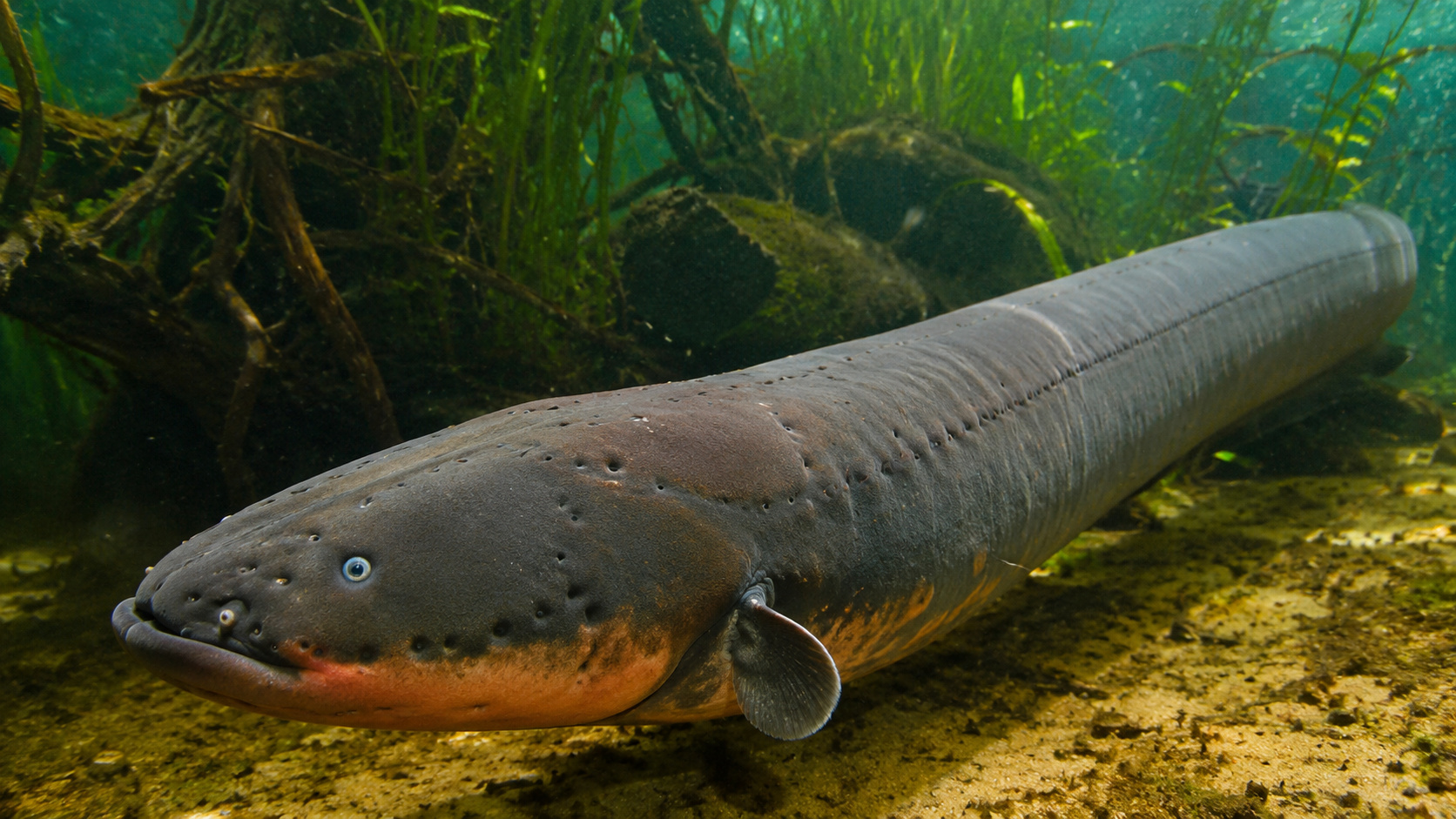
Far beyond simple shocks: scientists highlight how electric fish from the Amazon use complex bioelectric mechanisms to generate up to 860 volts, a natural evolutionary innovation that ensures an absolute advantage in dark and challenging ecosystems.


The city is located at 612 meters in altitude and has recorded 7°C noted by a weather station from the National Institute of Meteorology (Inmet) during an episode associated with the influence of cold air of polar origin, a situation described by meteorology as “cold spell”.
Location and Altitude Explain the Cold in Vilhena
The location helps to explain why the municipality comes into view when cold air moves northward.
Located in the southern portion of the Northern Region, Vilhena is in an area that tends to be reached more easily when cold air masses advance through the interior of South America and reach the Western Amazon.
Another factor related to the temperatures is the altitude.
The Observatory of the State Secretariat for Planning, Budget, and Management of Rondônia (Sepog) gathers indicators and geographical information about the municipality and points out that Vilhena is 612 meters above sea level.

In meteorology, higher areas can present lower temperatures than neighboring lower regions, especially during episodes of cold air ingress.
Record of 7°C at Inmet Station
The record of 7°C in Vilhena appears in a weather report from Inmet describing the conditions observed during a period of temperature drop in the Western Amazon.
In the section dedicated to minimums, the document informs that, in that context, the lowest temperatures in the Northern Region were around 8°C to 12°C and relates the situation to the phenomenon called cold spell in Rondônia and Acre.
In the same report, Inmet cites the measurement of 7°C recorded at the weather station in Vilhena.
The institute’s materials treat this behavior as a specific atmospheric episode.
There is no indication of a permanent change in the regional climate, but rather a temporary condition associated with the action and movement of a cold air mass.
What Does “Cold Spell” Mean in the Amazon
In Brazilian meteorology, the term “cold spell” is used to describe the incursion of cold air of polar origin into low latitude areas, reaching parts of the Amazon.
An academic study from the Federal University of Amazonas (UFAM) describes that these incursions reach the state annually during the southern winter.
According to the study, the cold air masses, locally called cold spells, can cause sudden drops in air temperature.
The intensity of the phenomenon varies according to the atmospheric configuration of each event.
In stronger situations, the incursion can advance to even lower latitudes, which helps explain why some states in Western Amazon go on alerts and technical assessments when there is a forecast of significant drops.

Rondônia in Cold Wave Alerts
Rondônia and Acre frequently appear in communications and analyses from Inmet when there is a projection of significant cooling in the Western Amazon.
In technical notes about episodes of cold air mass, the institute has already indicated the possibility of important temperature reduction in areas of the southern Northern Region.
These communications include Rondônia, Acre, and the central-southern Amazonas and associate the scenario with the phenomenon known as cold spell.
In a technical assessment of a strong cold wave, Inmet registered the advance of cold air into the southern Northern Region.
In the same material, the agency presented measurements in different cities and pointed out 8.1°C in Vilhena at one of the times analyzed, within the set of records associated with the movement of the cold air mass.
Why Vilhena Becomes a Cold Reference in the Northern Region
These examples help to understand why Vilhena often appears on cold temperature days in the Amazon.
When the cold spell establishes, the city gathers geographical and regional position factors that favor lower minimums than in municipalities in less elevated areas.
The effect becomes more evident when measurements are compared within the same time interval.
The contrast with the more frequent pattern of high temperatures in the Northern Region contributes to the impact of these episodes.
The drop occurs in a short period of time and alters the thermal behavior in places accustomed to little variation throughout the year.
Impacts Noticed During Cold Spell Episodes

UFAM’s research observes that the Amazonian population, accustomed to high temperatures, can clearly perceive the thermal drop associated with the cold spell.
The study also notes that, in more intense episodes, the change can have economic repercussions.
Among the cited sectors are activities sensitive to temperature variation, such as fish farming.
Additionally, daily life can be affected in areas where heat usually prevails throughout the year.
In Vilhena, what is observed in official records and technical materials from Inmet is the recurrence of low minimums when cold air masses reach the southern Northern Region.
For this reason, the municipality is again mentioned as a regional reference in these episodes, especially when weather stations record marks close to or below 10°C.
And where you live, has the temperature changed from hot to cold in just a few hours, enough to alter the routine from one day to the next?





Aqui no ESPÍRITO SANTO, temos a REGIÃO SERRANA, onde as temperaturas ficam a baixo de 10* com frequência no inverno.
paralelamente temos o festival do vinho, na cidade de DOMINGOS MARTINS, festa da uva, na cidade de SANTA TEREZA, festa da polenta, na cidade de, VENDA NOVA DO IMIGRANTE, entre outros eventos na estação mais fria do ano.
Eu sou morador de Vilhena, e em 2007 tínhamos termômetro no centro da cidade e cheguei ver 3 graus registrado nesses termômetro nas madrugadas