






 Portuguese
  Spanish


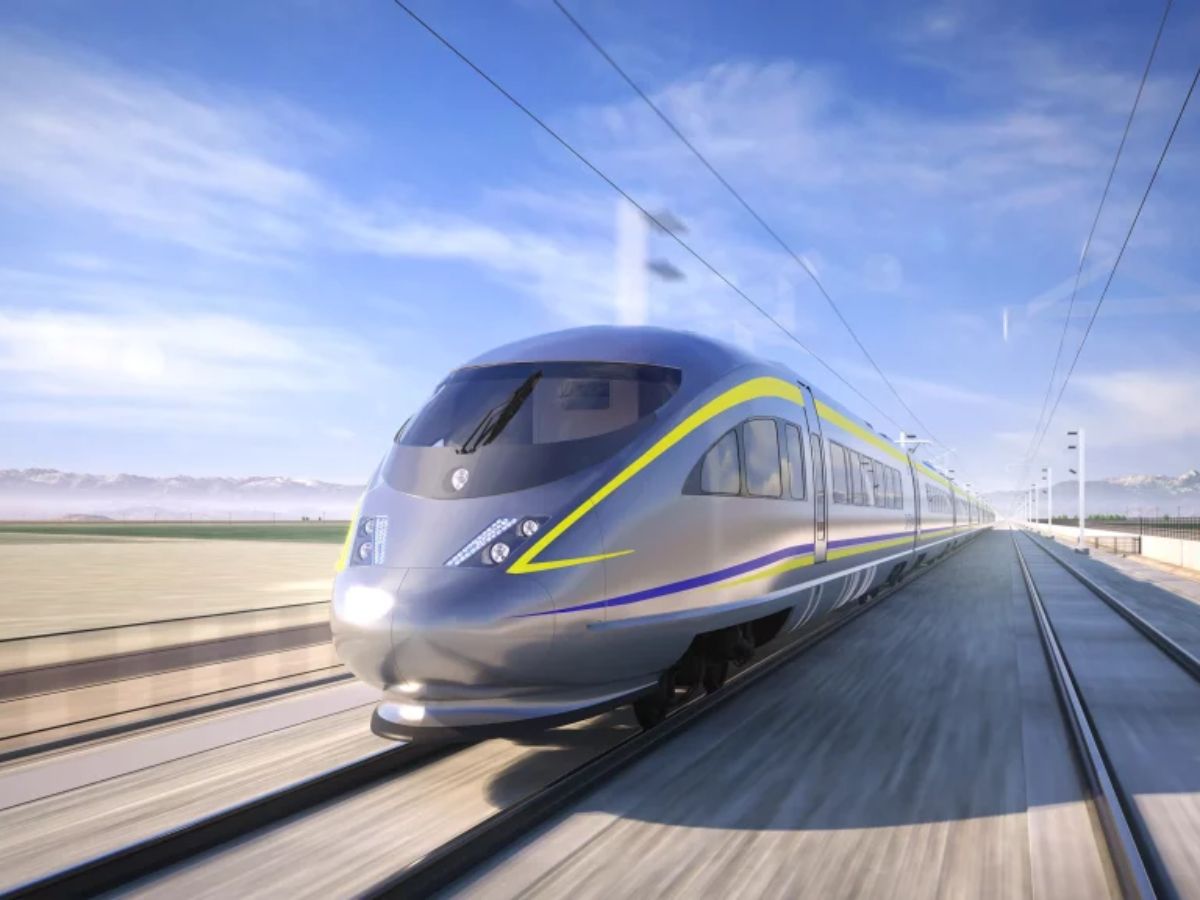

With the Aim of Reaching 350 km/h, the California High-Speed Rail Advances in Its First Section in the Central Valley, But the Construction of the Controversial Railway Is Marked by Rising Costs, Delays, and an Uncertain Future
Since its approval in 2008, the project has faced soaring costs, significant delays, and intense political debate. This article delves into the construction of the controversial railway, its current status, and the challenges that will shape its future.
The California High-Speed Rail (CAHSR) project, nicknamed the “Desert Bullet Train,” is one of the most ambitious and controversial infrastructure initiatives in the United States. The promise of connecting San Francisco to Los Angeles with a high-speed train has revolutionized the Californian imagination. However, the journey has been turbulent.
The Dream of High-Speed Rail in California
The idea of a bullet train in California gained momentum with the approval of Proposition 1A in 2008, which authorized US$ 9 billion in bonds to initiate the project.
-
How to Prevent Brown Recluse Spider Bites: Common Hiding Spots and Free Tips to Reduce Risks

-
Natto: The Unusual Japanese Superfood Gaining Popularity on Social Media and Driving Record Exports
-
Brazilian Mayor Goes Undercover as Homeless for 24 Hours to Assess Public Services

-
15-Year-Old Entrepreneur Malu Lira Publishes 20 Children’s Books on Financial Education, Earns $500,000, and Expands Her Project to the Amazon Rainforest




The goals were grand: connecting the state’s mega-regions, fostering economic development, creating jobs, and providing a cleaner transportation alternative, thereby reducing emissions.
The plan was ambitious, promising a journey between San Francisco and Los Angeles in under three hours, at speeds of up to 350 km/h (220 mph).
The Idealized Route and Real Progress in the Central Valley
The complete plan for CAHSR envisions a network of approximately 1,287 km. Phase 1 was designed to connect San Francisco to Los Angeles and Anaheim, traversing the Central Valley.
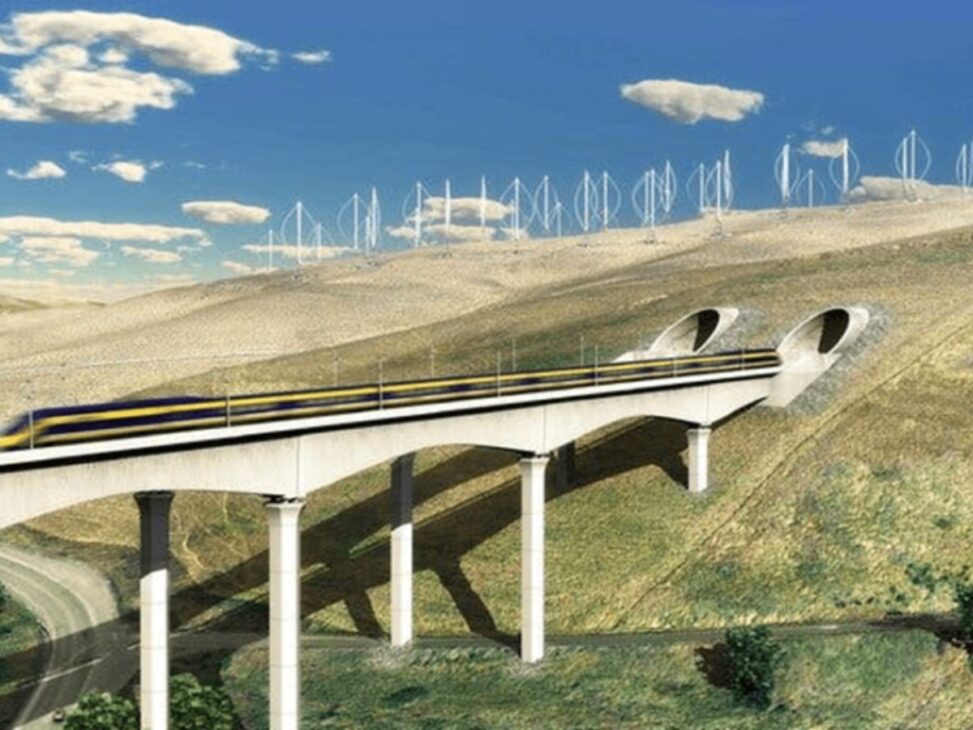
By 2025, physical progress is most evident in the first segment of 190 km (119 miles) in the Central Valley, between Madera and north of Bakersfield. In this section, the construction of the controversial railway is at an advanced stage, with dozens of structures, such as viaducts and bridges, already completed or underway.
However, this advancement occurs in a relatively isolated area. The biggest engineering challenges, such as constructing a 21.7 km tunnel at the Pacheco Pass and crossing the Tehachapi Mountains to reach the major metropolitan areas, still lie ahead and depend on funding.
The Controversy of Costs Exceeding US$ 100 Billion
The financial trajectory of CAHSR is the focal point of its controversy. When approved in 2008, the estimated cost for the entire system was US$ 45 billion. Today, estimates for Phase 1 alone exceed the US$ 100 billion mark, with some projections reaching US$ 133 billion.
Funding has been a constant source of uncertainty. The project relies on a combination of state bonds, federal funds (which have faced threats of cuts), and revenue from the state’s cap-and-trade program (carbon emissions trading).
Private investment, originally anticipated, has virtually not materialized, and the project faces a funding deficit of billions of dollars just to complete the initial stretch.
The Construction of the Controversial Railway, Management, Delays, and Public Perception
The management of the project by the California High-Speed Rail Authority (CHSRA) has faced severe criticism. Reports from oversight bodies, such as the Federal Railroad Administration (FRA), point to missed deadlines, budget shortfalls, poor management, and a lack of a viable plan to complete the project on time or within budget.
Despite the controversies, public support for the project remains relatively resilient. A survey from April 2025 indicated that 67% of registered voters in California support the continuation of the work, possibly due to frustration with transportation alternatives and the substantial amount of investment already made.
The California Bullet Train in Perspective, Lessons, and the Way Forward
Compared to international high-speed systems, the cost per kilometer of CAHSR is significantly higher.
While projects in Europe and China cost between US$ 17 and US$ 39 million/km, estimates for California exceed US$ 125 million/km in some analyses. This suggests that factors such as regulatory processes, labor costs, and litigation play a disproportionate role.
The future of the construction of the controversial railway is uncertain. Success will depend on California’s ability to secure stable, long-term funding and implement exemplary project management.
CAHSR is a monumental case study on the difficulty of executing infrastructure megaprojects in a democratic society, and its final legacy is still being written on the tracks of the Central Valley.







