Portuguese
  Spanish


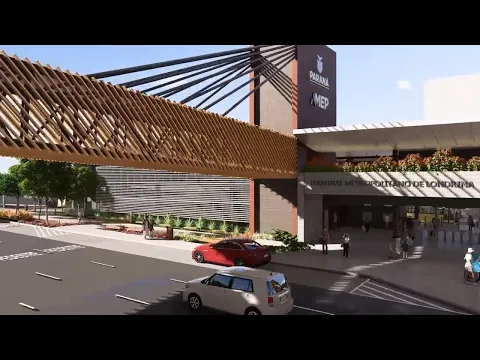
Meet the project of the new terminal in Londrina, which will unite solar energy, efficient mobility, and sustainability in a modern and regional structure.
The city of Londrina, located in the north of Paraná, is moving towards a significant transformation in its urban infrastructure. Therefore, the construction of the new terminal in Londrina represents more than just an engineering project.
In practice, it symbolizes an important advancement towards more modern, efficient, and environmentally responsible mobility.
-
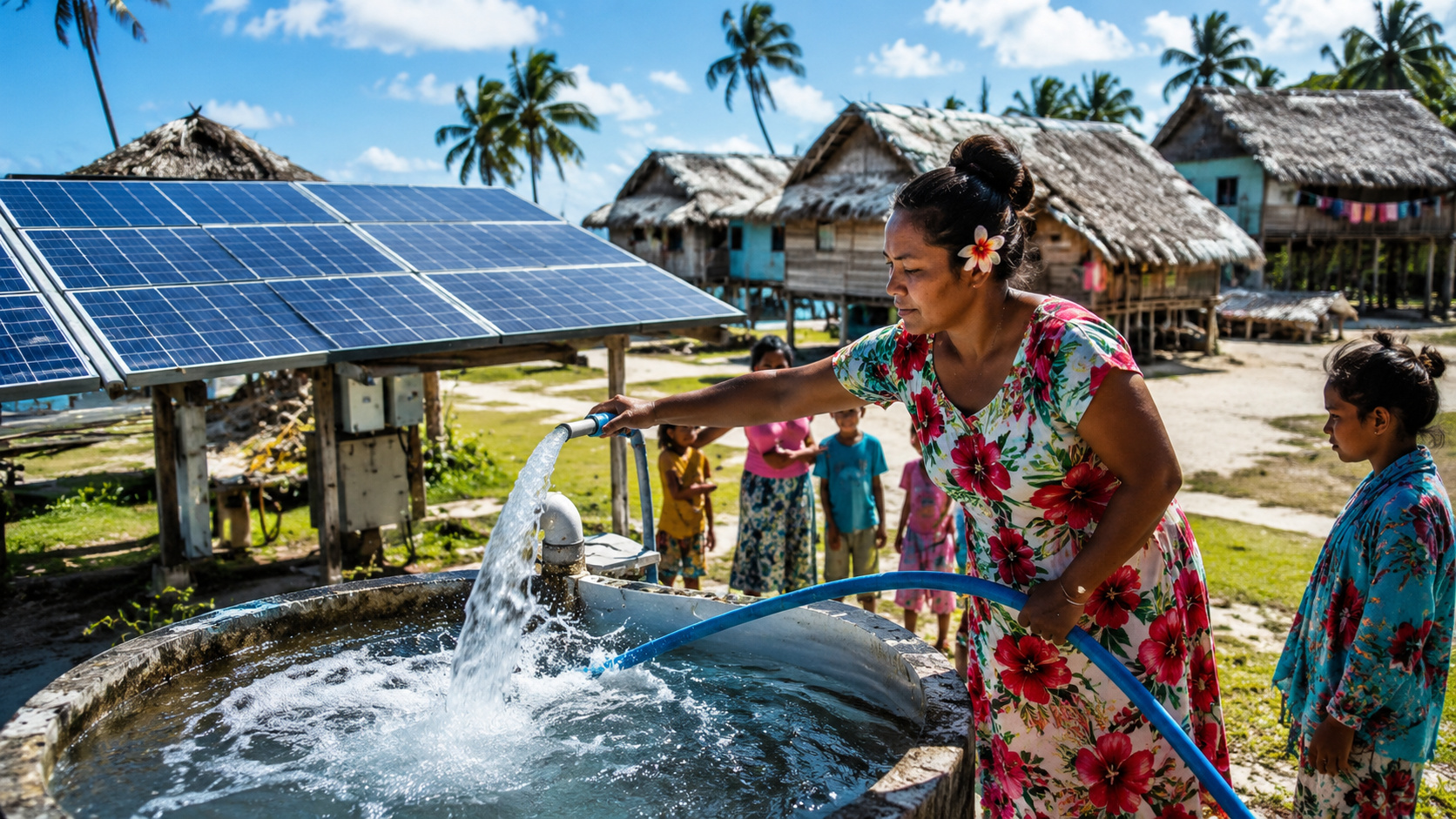
More than 1,000 residents of a remote island in Kiribati now have clean water and electricity with solar systems operated by the community itself.

-
Island in Brazil Innovates by Installing 184 Solar Panels on Urban Lagoon to Generate Clean Energy
-
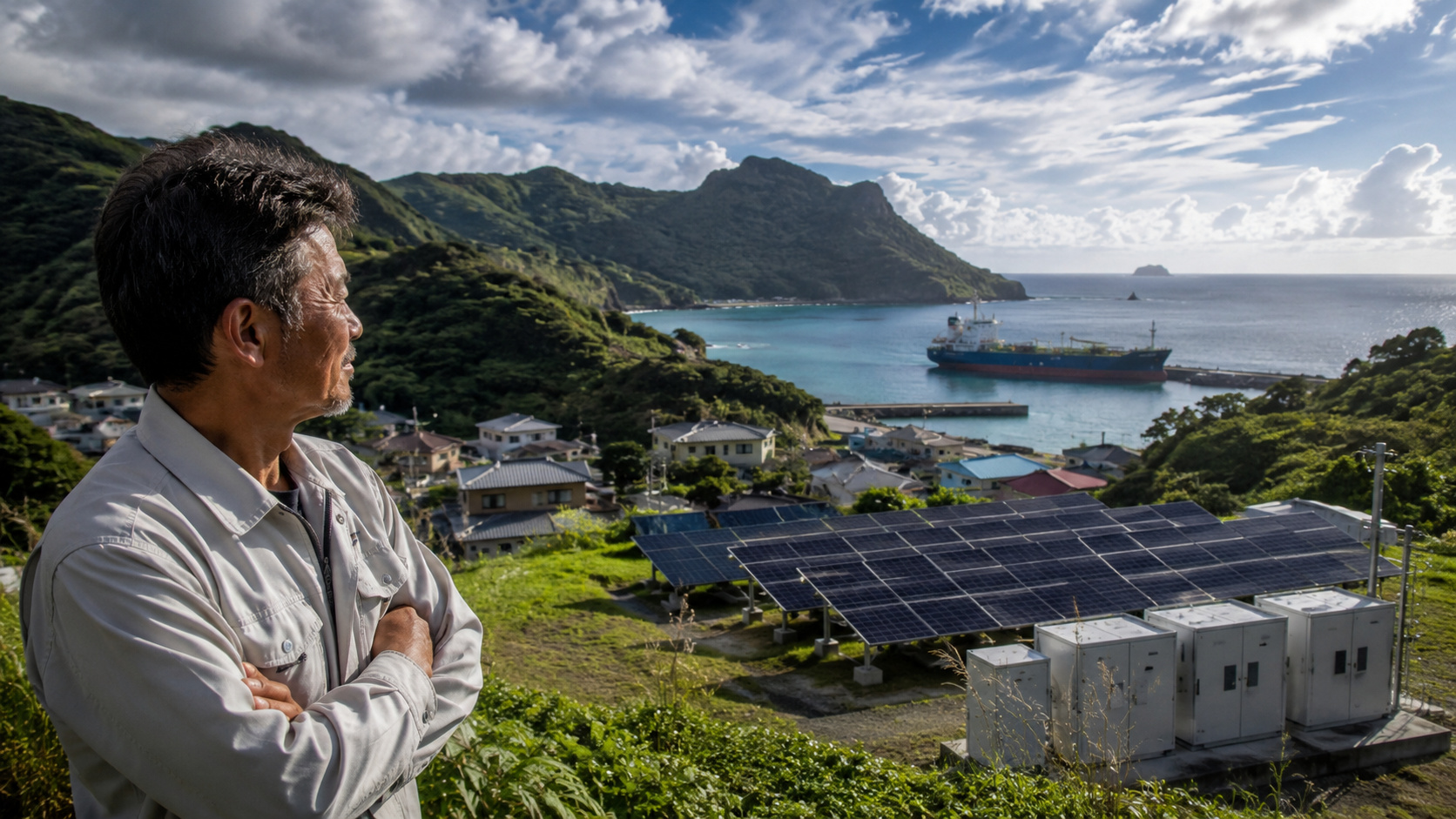
Japanese Island of 417 Residents to Test Living Half the Year Solely on Solar Power, Reducing Dependence on Diesel Brought by Ship
-
Brazilian Fishermen Use Solar Power to Produce Nearly One Ton of Ice Daily, Preventing Fish Spoilage Before Reaching Market


Over the past decades, the demand for a terminal that effectively serves both the city’s residents and those from the metropolitan area has only increased. Thus, it was necessary to plan a structure that reflects the needs of a growing population.
In this sense, the current proposal arises as a direct response to this urban challenge.
As a result, the population, which has faced overcrowding and poor boarding points for years, will finally see a structured project designed to offer comfort, accessibility, and integration among neighboring cities.
Consequently, the new terminal will bring benefits that go beyond public transportation.
Investment and Project Timelines
Initially, the bidding notice was published by Amep (Metropolitan Affairs Agency of Paraná) in August 2025.
According to the planning, the total investment will be R$ 43.8 million, with proposals expected to be opened in October of the same year.
Furthermore, the work is expected to be completed within 22 months after the issuance of the service order.
Unlike traditional models, the contracting will be integrated, meaning that the winning company will be responsible for both the executive project and the execution of the work.
Consequently, this will allow for greater efficiency and agility in delivering the terminal.
Moreover, the project’s land spans over 12,000 square meters, with 9,300 m² designated for buildings.
This way, the construction will drive various sectors of the local economy, generating direct and indirect jobs throughout all phases of the work.
Solar Energy as a Differentiator for Sustainability
On the other hand, one of the great highlights of the new terminal in Londrina will be the use of photovoltaic solar energy.
According to the project, the plant will have 580 solar modules, each with a capacity of 565 watts, totaling an installed capacity of 327.7 kWp.
Besides being environmentally friendly, this initiative will occupy around 1,877 square meters, generating approximately 470,000 kWh per year.
Therefore, there will be a considerable reduction in operational costs, along with important environmental gains.
To put it into perspective, the investment of approximately R$ 2 million is expected to pay off in six years and four months.
In the long run, savings could exceed R$ 15 million over two decades.
Even more importantly, the plant will prevent the emission of 133 tons of CO₂ during that same period.
A Terminal Focused on Community and Accessibility
Additionally, the project has also been designed to offer much more than mobility.
According to Governor Carlos Massa Ratinho Junior, the space will be modern, functional, and inclusive.
Thus, the terminal will include multi-sports courts, playgrounds, outdoor gyms, kiosks, shops, and leisure areas.
In this way, the place will cease to be merely a boarding and disembarking point.
Instead, it will transform into a community space and service area for citizens.
Consequently, this proposal follows the main trends of contemporary urbanism, integrating transportation, leisure, and security in one location.
Not surprisingly, other Brazilian cities like Curitiba, São Paulo, and Belo Horizonte have already adopted similar models.
Therefore, the capital of northern Paraná shows that it is also aligned with best practices for sustainable urban mobility.
Historical Context and Need for the Work
Since the 1970s, Londrina has established itself as a regional hub for commerce, education, and services.
As a result, the flow of people between neighboring municipalities has grown considerably.
Thus, it has become urgent to modernize the metropolitan transportation infrastructure.
In this context, the new terminal in Londrina emerges as a practical response to the shortcomings of the current model.
Cities like Cambé, Ibiporã, Rolândia, and Arapongas heavily depend on efficient integration with Londrina.
Therefore, a structure that facilitates these daily movements will have a direct positive impact on the quality of life for the population.
At the same time, the work contributes to the regional urbanization plans of the state, promoting the enhancement of urban space, incentivizing public transportation, and reducing the use of private vehicles.
Integrated Planning and Efficiency
In general, the decision to opt for integrated contracting is justified by the pursuit of greater control over timelines and costs.
This is because, when the same company handles both the project and execution, the risks of communication failures decrease significantly.
Moreover, the expectation is that technologies like BIM (Building Information Modeling) will be employed.
This way, it will be possible to predict problems before they occur, optimize the materials used, and avoid waste of public resources.
With this approach, the state government demonstrates that it intends not only to construct but also to manage responsibly and intelligently the investment made.
Renewable Energy as a Vision for the Future
From an energy perspective, the use of solar panels signifies a significant shift in posture.
Currently, the public sector seeks alternatives that combine efficiency, cost savings, and environmental preservation.
Therefore, the choice of photovoltaic energy stands out as strategic.
Although the initial cost is high, the quick financial return and environmental benefits fully justify the investment.
Furthermore, the terminal will gain energy autonomy and become a benchmark for sustainable projects.
In this scenario, Londrina could lead the urban energy transition in the state of Paraná.
Over time, other municipalities may follow the same path and transform their terminals into centers for clean energy generation.
A Model to Be Followed by Other Cities
In summary, the construction of the new terminal in Londrina represents a milestone for regional urban mobility.
By uniting modern infrastructure, social inclusion, and sustainability, the project goes far beyond its walls and roofs.
As a result, it inaugurates a new phase in how cities organize to provide quality of life for their inhabitants.
If well executed, it will serve as a model for other Brazilian urban centers facing the same challenges of growth and mobility.
Therefore, more than meeting an old demand, the terminal will be a symbol of innovation.
Ultimately, it will show that it is possible to integrate public transportation, clean energy, and intelligent urbanism into a single project.