Portuguese
  Spanish


With the Maintenance of the Red Flag in September, the Search for Solar Power Generation Grows, Which Already Moves Billions in Investments and Guarantees Savings for Consumers and Businesses.
The Permanence of the Red Flag Level 2, Announced by the National Electric Energy Agency (Aneel) for September, Keeps Electricity Bills at the Highest Level of the Tariff System. Families, Businesses, and Industries Continue to Feel the Effects of This Increase, Which Has Become One of the Main Drivers for Seeking Cheaper Alternatives.
In this Scenario, Photovoltaic Solar Energy Has Gained Prominence as a Solution Capable of Alleviating Budgets and, at the Same Time, Strengthening the Competitiveness of Productive Sectors, as Pointed Out by ABSOLAR (Brazilian Association of Photovoltaic Solar Energy) and Reported by Gazeta de Toledo This Monday, September 8.
Solar Energy Advances Even with High Costs Caused by the Red Flag
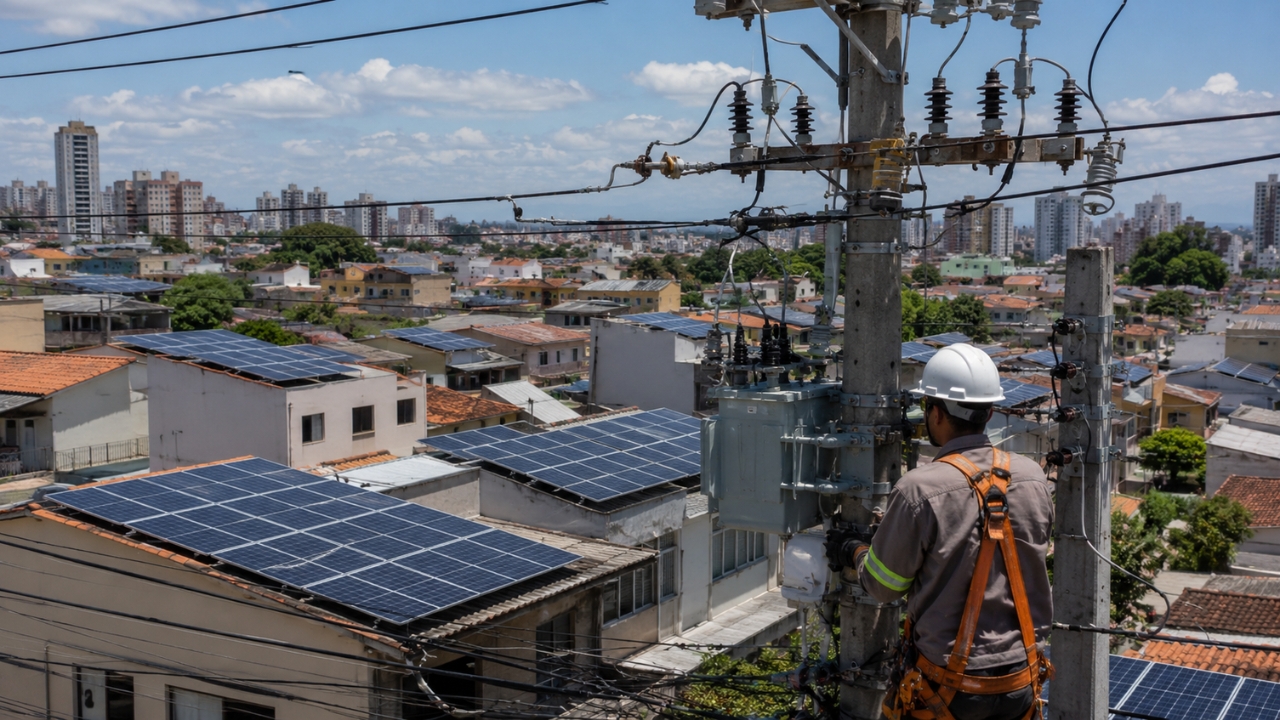
According to ABSOLAR, Since July — When the Red Flag Came into Effect — Thousands of Brazilians Chose to Invest in Their Own Generation. Between July and Mid-August, 115,000 New Consumer Units Were Connected.
-
World’s Largest Engie Solar Plant in Brazil Highlights Billion-Dollar Energy Waste Issue: Company Considers Batteries and Bitcoin Mining to Avoid Wasting Production

-
Over 60 Tractors Take to the Streets in Lopera as Solar Parks Compete with Olive Groves, Affecting 13,000 to 100,000 Trees According to Conflicting Reports

-
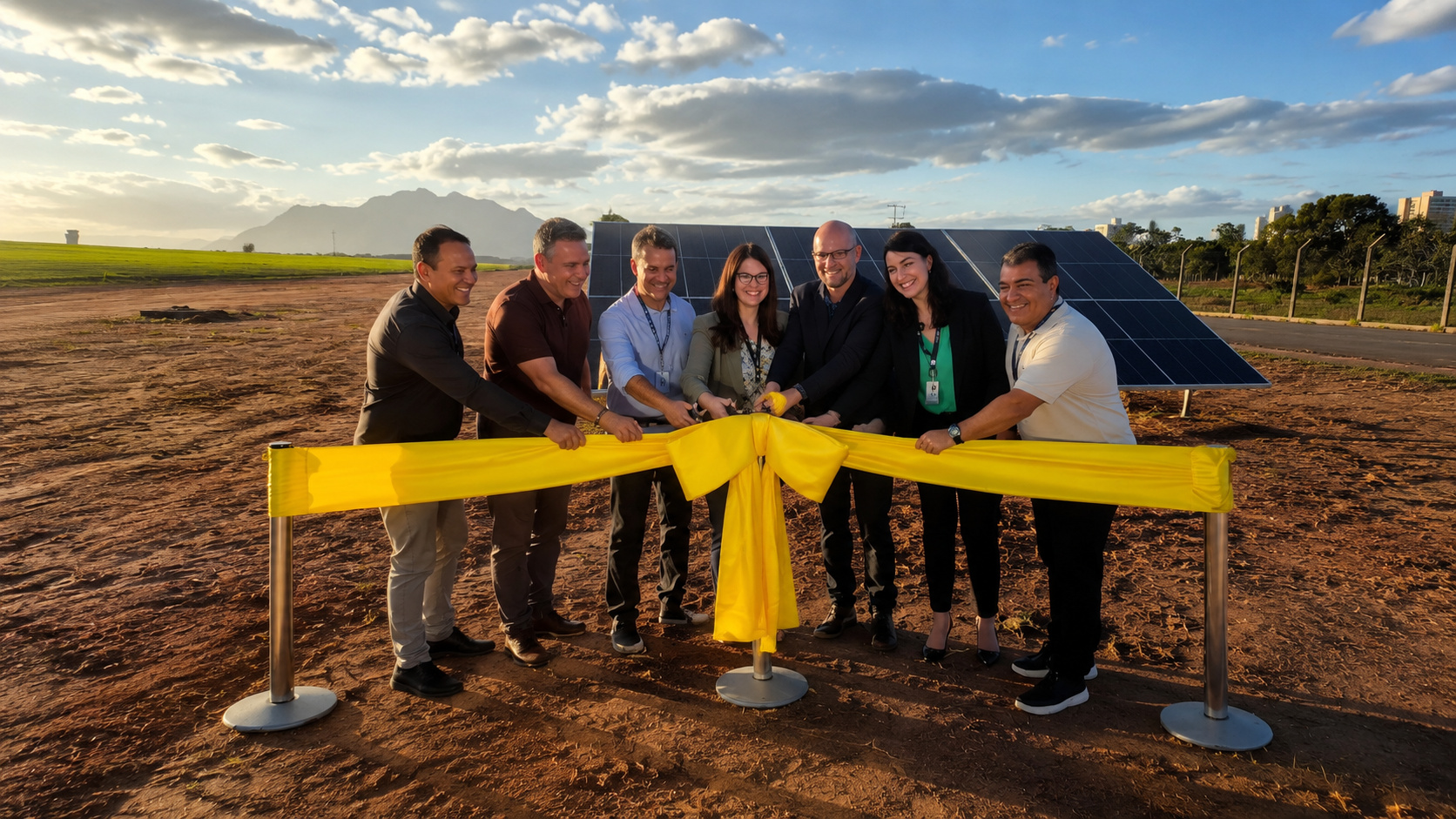
Brazil’s Vitória Airport to Launch Solar Plant Covering Area of 10 Soccer Fields, Boosting Clean Energy and Cutting Costs
-
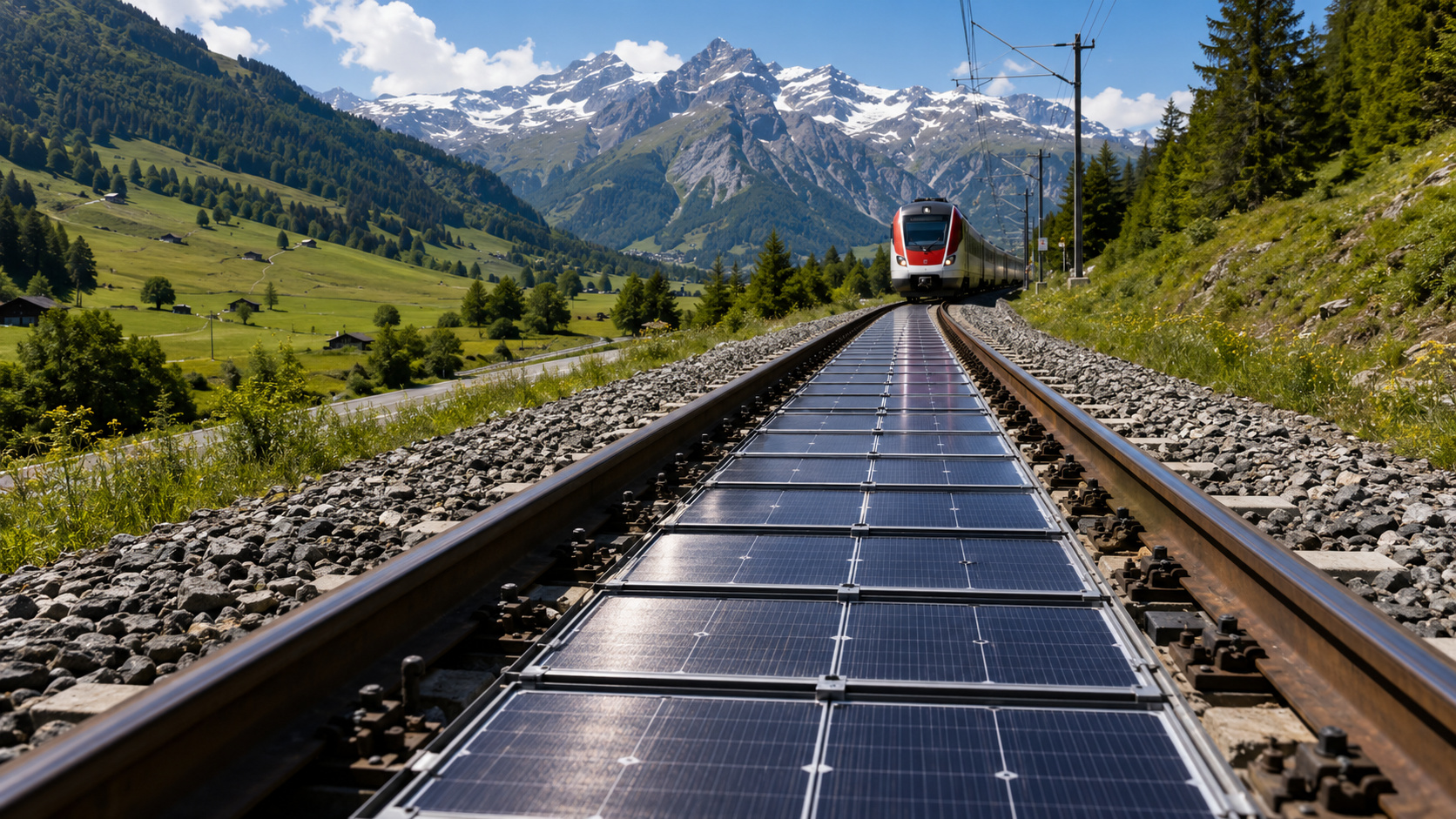
Switzerland Converts Train Tracks into Solar Power Plants with Removable Panels to Generate Energy Without Using Additional Land


These Adoptions Resulted in Over 64,000 Solar Systems in Operation and Created Approximately 19,000 Green Jobs, Which Combine Income, Innovation, and Sustainability.
A Study Conducted by the Consulting Firm Volt Robotics Reinforces the Collective Impact of Solar Expansion. According to the Survey, Distributed Generation Could Generate R$ 84.9 Billion in Net Savings on Brazilians’ Electricity Bills by 2031.
This Result Does Not Only Benefit Those Who Installed Photovoltaic Panels. The Reduction in Costs Also Reaches Consumers Who Do Not Yet Have Their Own Systems, As the Decentralization of Supply Helps to Balance the Entire Electric Grid.
Installed Capacity and Increasing Investments
Today, Brazil Already Has 42 Gigawatts (GW) of Installed Capacity in Distributed Solar Generation, According to Data from ABSOLAR. Since 2012, the Sector Has Accumulated Over R$ 191 Billion in Investments, as Well as Created 1.2 Million Green Jobs in Different Regions of the Country.
The Progress Confirms the High Potential of Solar Energy in Brazilian Territory, Driven by Both Natural Availability and Societal Support. Research Shows That Nine out of Ten Brazilians Wish to Produce Their Own Renewable Energy.
Sustainability, Autonomy, and Energy Security
For Ronaldo Koloszuk, President of the Board of Directors of ABSOLAR, the Next Step Involves Integrating Storage Technologies. “Although the Growth of Solar Energy Demonstrates a Robust Protagonism of the Source in the Brazilian Electric Matrix, the Combination with Batteries Will Bring Even More Savings, Security, and Autonomy to Consumers, Thus Helping in the Energy Transition Process in the Country,” He Stated.
Beyond the Financial Aspect, Solar Energy Also Stands Out for Its Sustainability. As Rodrigo Sauaia, CEO of the Entity, Reminds Us, the Proximity of Generation to Consumption Brings Additional Benefits: “By Bringing Electricity Generation Closer to Consumption Locations, the Technology Reduces the Use of Transmission Infrastructure, Alleviates Pressure on Water Resources, and Helps Decrease Losses Over Long Distances, Which Contributes to Reliability and Security in Critical Moments.”