Portuguese
  Spanish


Environmental licensing holds back R$ 130 billion in construction in Brazil: understand why Ferrogrão has been stalled for 5 years, BR-319 was blocked in court, and a Chilean giant threatens to leave the country taking R$ 27 billion to Paraguay.
Brazil is seeing billions in strategic projects rot in the bureaucratic queue while neighboring countries roll out the red carpet. R$ 130 billion in public and private projects are currently stalled due to conflicts and uncertainties in the environmental licensing process — and most Brazilians have never heard of it.
The number, gathered by the Brazilian Chamber of Construction Industry (CBIC), does not represent poorly planned projects or dishonest companies. These are highways, railways, power plants, and housing projects stuck in a maze of conflicting decisions between Ibama, Funai, the Federal Public Ministry, and the Judiciary — each with different, often subjective criteria.
The embarrassing timeframe: 3 years to approve a license
According to the report “Radiography of Federal Environmental Licensing” published by Ibama itself in 2025, the average time to issue a preliminary license for large projects exceeds 3 years. Three years. Meanwhile, machines rust, contracts expire, and project costs multiply.
-
Brazil’s July Bolsa Família Payments May Include Extra $150 and $50 for Families with Children, Pregnant Women, and Updated CadÚnico Registration

-
Brazilian Woman Buys €1 House in Sicily, Clears 50 Truckloads of Debris, and Transforms Ancient Ruin into Inspiring Life Project by 2026

-
Havan Competitor Expands in Brazil with 170 Stores, Offering Everything from Stationery to Asian Food and Focusing on Affordable Products to Attract Shoppers

-
Norway’s $2 Trillion Dilemma: How Oil Revenue Created a Massive Savings Fund with Too Much Money to Spend




The problem is not the existence of licensing — no serious country dispenses with environmental impact assessment. The problem is the execution: vague regulations that allow for arbitrary decisions, conflict of competencies between agencies, and a growing judicialization that turns any project into a legal minefield.
Ferrogrão: 5 years stalled, R$ 7.9 billion lost per year
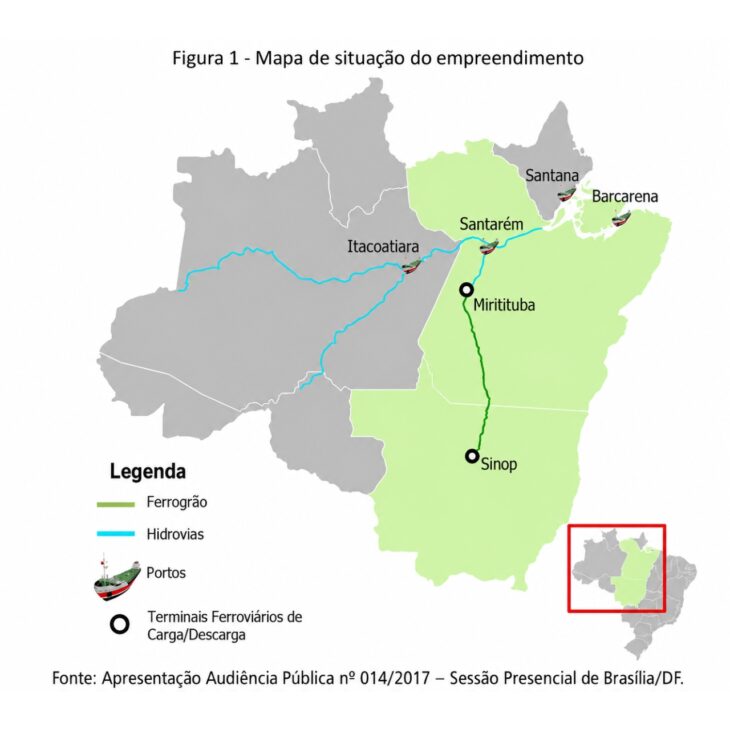
The Ferrogrão is the most emblematic symbol of this collapse. The 933-kilometer railway that would connect Sinop, in Mato Grosso, to the port of Miritituba, in Pará, has been stalled since 2021 due to a court decision — five years of waiting for a project that the government estimates could save R$ 7.9 billion per year in logistical costs.
In May 2026, the STF decided by 9 votes to 1 to uphold the law that adjusts the boundaries of the Jamanxim National Park to enable the project. But the victory is partial: the railway still depends on full environmental licensing before the first track is laid. The Minister of Transport promised an auction in the second half of 2026 — a promise the sector hears with skepticism.
BR-319: the road that isolates Amazonas and divides the country
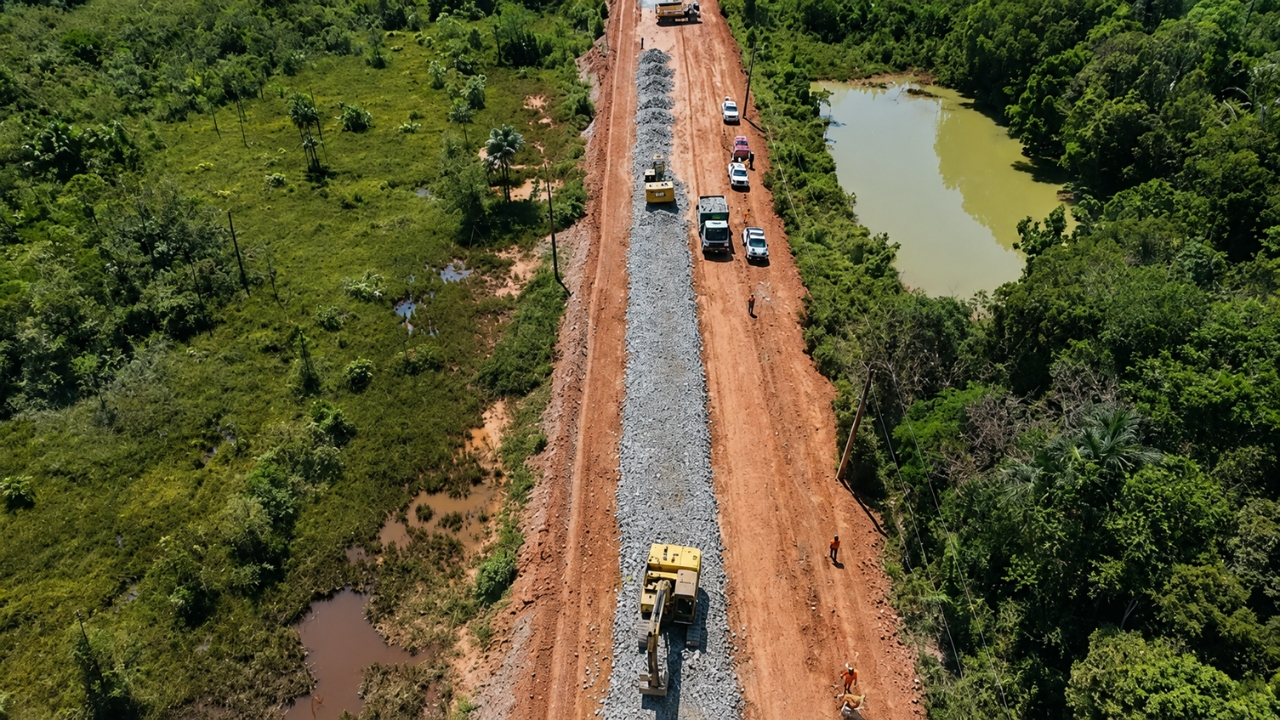
The highway that connects Porto Velho to Manaus — and which represents for thousands of Amazonians the basic right to come and go — has become another battlefield. In April 2026, the Federal Court suspended four DNIT bids for works on the central section of the road, halting a R$ 678 million contract for 60 days.
The reason: the government tried to classify the works as simple “improvement and maintenance” to waive the environmental licensing based on the new General Law approved in 2025. The judge rejected the argument, pointing out that BR-319 itself was treated for two decades as a project of significant environmental impact — and cannot change category for political convenience.
The CMPC case: when Brazil loses to Paraguay
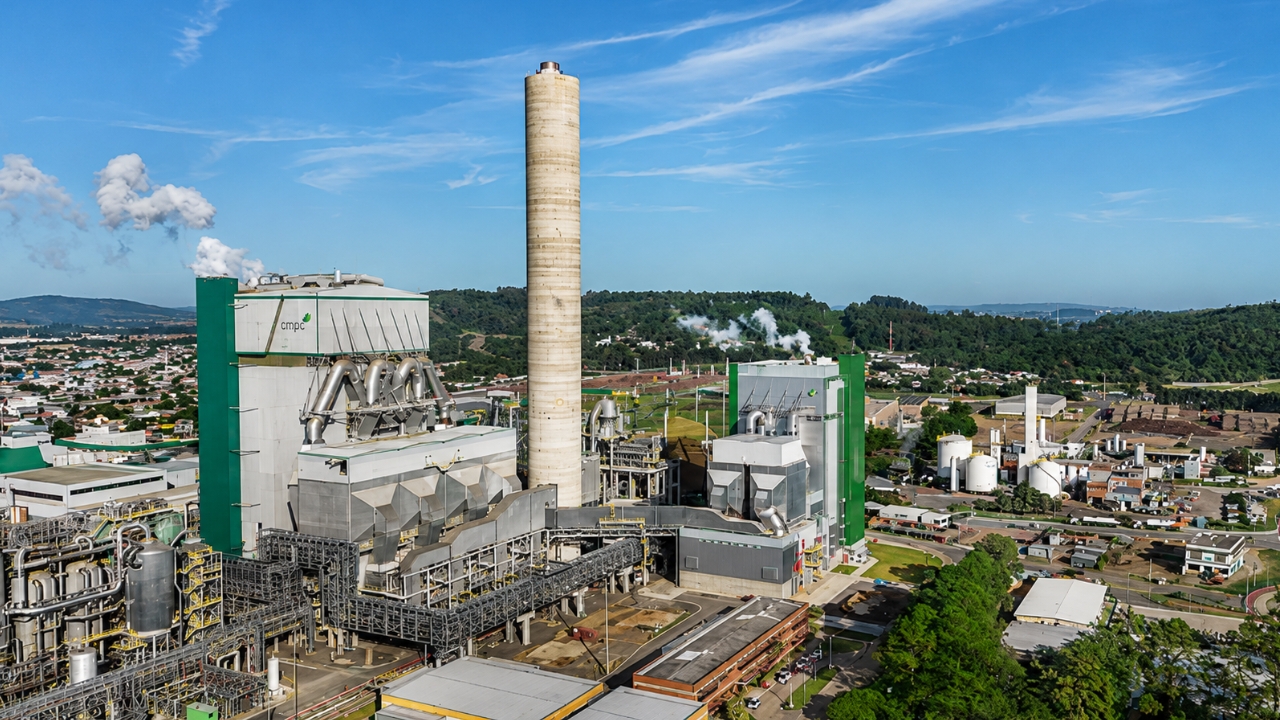
No case illustrates the crisis better than the Nature Project by the Chilean giant CMPC. The company plans to build in Barra do Ribeiro (RS) the largest pulp mill in Rio Grande do Sul — an investment between R$ 25 billion and R$ 27 billion that would generate jobs, revenue, and regional development for decades.
CMPC has already committed US$ 400 million just in planning and project studies. Without laying a single brick. In May 2026, the Federal Public Ministry filed a public civil action pointing out that the licensing advanced without conducting the Free, Prior and Informed Consultation with Guarani Mbya indigenous communities, artisanal fishermen, and quilombolas — a requirement of ILO Convention 169.
The general director of CMPC in Brazil was direct: “If we don’t have the project for Rio Grande do Sul, it dies. Unfortunately, it dies.” And Paraguay entered the radar as an alternative destination — with the fatal argument that the neighboring country offers “wood and legal predictability”, two assets that Brazil cannot guarantee at the moment.
The new law that promised to solve — and became a new controversy
The federal government tried to tackle the problem with the General Environmental Licensing Law (Law 15.190/2025) and, in December of the same year, with the Special Environmental License Law (Law 15.300/2025), which creates a 12-month express licensing for projects considered strategic — and only 90 days for highways.
Environmentalists fought back: three Direct Actions of Unconstitutionality are pending in the Supreme Court questioning the new norms. The central argument is that “strategic” became a political criterion, without technical basis, allowing high-impact projects to escape responsible analysis. So far, the Supreme Court has not granted any injunctions — the laws remain in effect.
What is at stake beyond money
R$ 130 billion stalled is not just an abstract number. It’s the road that could reduce the cost of beans in the supermarket. It’s the transmission line that was delayed 24 months and leaves entire regions dependent on expensive energy. It’s the port that Brazil did not build while the South American competitor advanced.
Will Brazil be able to unlock this equation — or will it continue losing investments to neighbors who have learned to say “yes” faster?