





 Portuguese
  English
  Spanish
  4 min of reading
  0 comments


Toyota Introduces Electric Car with Almost Infinite Range, No Need for Constant Charging, That Can Be Charged in a Backpack!
Innovation in the automotive sector never stops, and Toyota, an industry giant, is once again leading the way with its portable hydrogen cartridges, recently presented at the Japan Mobility Bizweek.
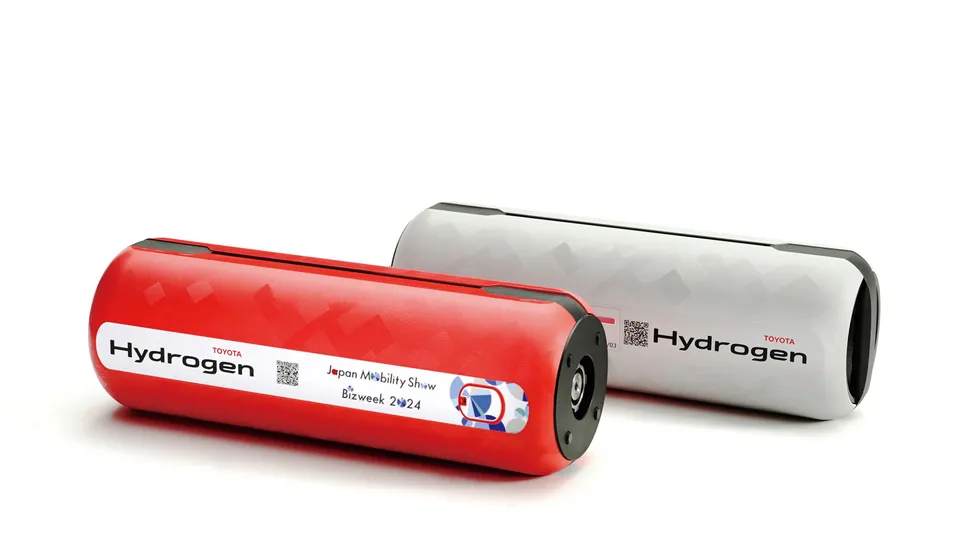
These cartridges, resembling giant AA batteries, may signal the end of the long charging times faced by current electric vehicles, offering a more practical and quick solution for owners of fuel cell electric vehicles (FCEVs).
What Are Toyota’s Hydrogen Cartridges?
Hydrogen cartridges are an innovation developed by Woven, Toyota’s technology subsidiary. The concept was first introduced in 2022 as a prototype and has since undergone significant improvements.
-
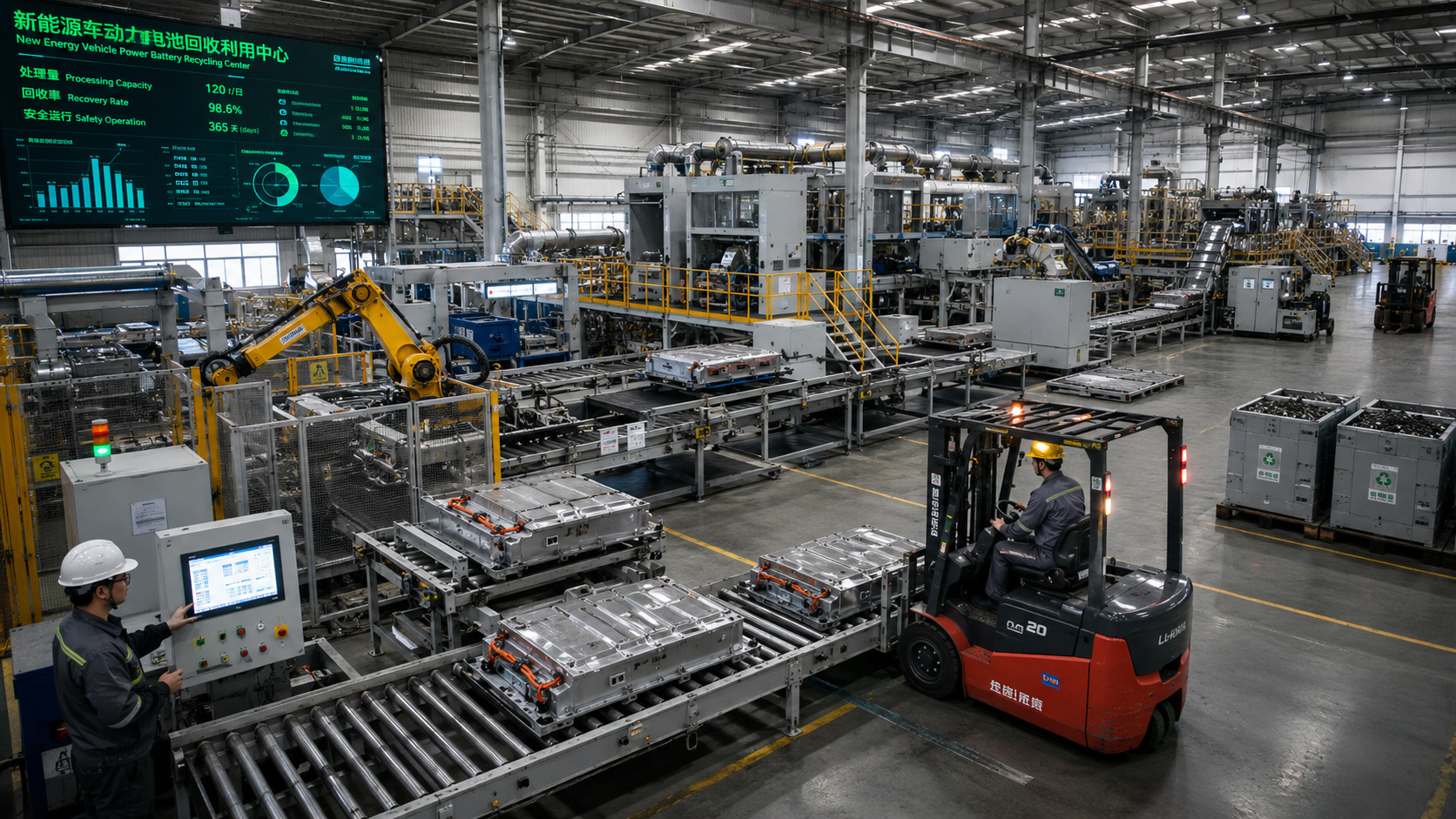
China has put millions of electric cars on the roads and now recycles up to 99.6% of used batteries, recovering lithium, nickel, and cobalt at levels that surpass Europe and the United States.

-
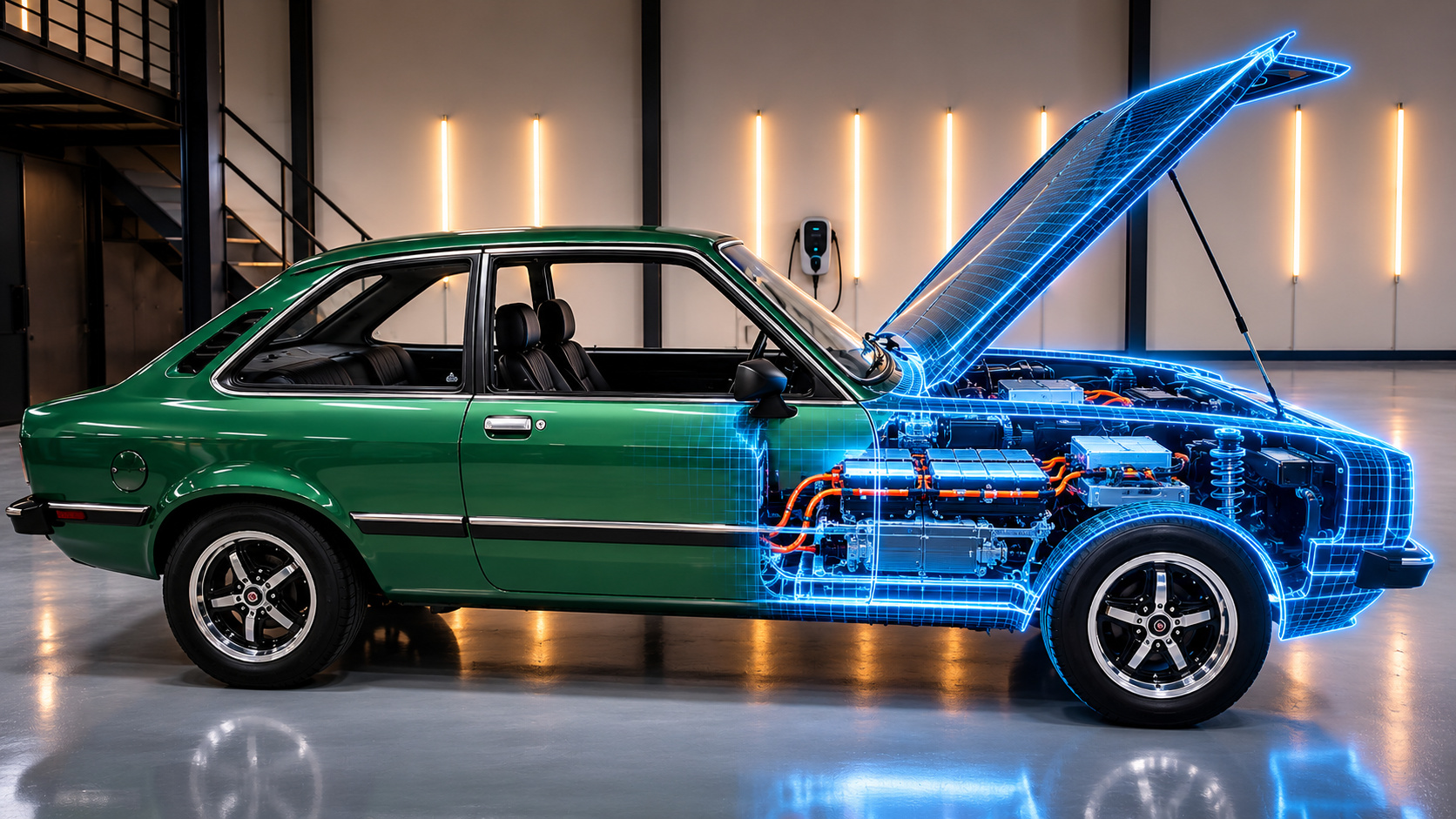
A Brazilian project is converting a classic 1970s Chevette into an electric car with a WEG motor, hybrid Volvo batteries, and showcases the real challenge of integrating modern technology into an old car.
-
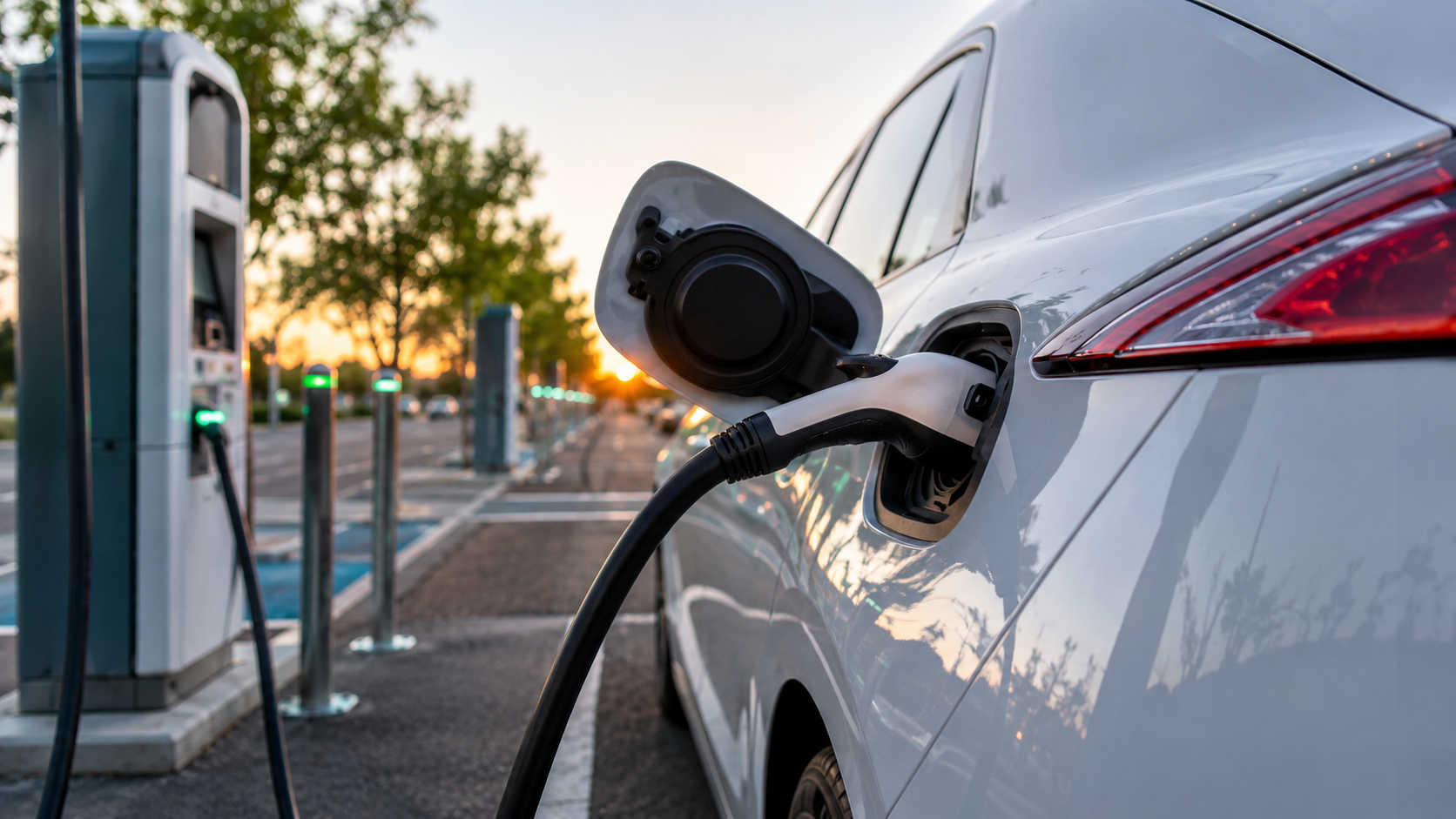
As electric cars advance worldwide, a report by the International Energy Agency predicts 23 million sales in 2026, and Brazil sets a record with electrified vehicles already occupying 16% of the market.
-
New Fiat EV, priced at R$ 77,000, will bring a reinterpretation of the 147 and a consumption equivalent to 70 km/l.


The main objective of these cartridges is to provide a practical and portable energy source for hydrogen fuel cell electric vehicles, eliminating the need for long charging periods at refueling stations.
These cartridges, despite their resemblance to AA batteries, have a much larger capacity and are designed to power not only vehicles but also generators and appliances. Although they are slightly larger, they are still compact enough to be carried in backpacks, offering portability that stands out among other energy solutions.
How Do Hydrogen Cartridges Work?
The functionality of these cartridges is simple and efficient. When the hydrogen levels in the vehicle are low, the driver can simply swap the empty cartridge for a full one, eliminating the need to refuel at specific stations or wait hours for a recharge.
This not only speeds up the process but also makes refueling fuel cell electric vehicles a much more practical experience, similar to refueling fossil fuel-powered cars.
Additionally, Toyota plans to expand the use of these cartridges beyond vehicles. They can be used to generate electricity in homes, power appliances, and even serve as a power source in emergencies, such as blackouts.
Toyota’s collaboration with Rinnai Corporation, demonstrated at Japan Mobility Bizweek, showed that hydrogen can also be used in stoves, providing a clean and efficient alternative for cooking.
Versatile Applications and the Transformative Potential of Cartridges
The versatility of hydrogen cartridges is one of the biggest attractions of this innovation. In addition to powering vehicles, the cartridges can be used in a variety of applications, from supplying energy to household appliances to use in emergencies.
In a blackout, for example, the cartridges can be removed from vehicles and used to power essential devices, providing a reliable backup energy source.
Another significant benefit is that these cartridges can be recharged and reused, making them a sustainable and renewable solution. This could revolutionize the way we consume energy, promoting a transition to cleaner and more efficient sources, especially in countries like Brazil, where there is growing concern about sustainability and environmental impact.
Hydrogen: The Key to a Sustainable Future?
Hydrogen, while already known as a potential energy source, is back in the spotlight of the automotive industry, and companies like Hyundai, BMW, and Honda are also exploring ways to make this technology commercially viable. Toyota, with its vision of portable hydrogen cartridges, is at the forefront of this transformation.
The use of hydrogen as fuel offers a number of environmental benefits. When used in fuel cells, it does not emit CO2, with water being its only byproduct, which significantly contributes to reducing the carbon footprint.
When produced from renewable sources such as solar or wind energy, hydrogen becomes even more attractive, as it directly supports carbon neutrality goals.
This movement by Toyota is particularly important at a time when demand for battery electric vehicles (EVs) is declining.
While EVs still represent a viable solution for reducing carbon emissions, long charging times and the need for specific infrastructure are obstacles that can be overcome with the introduction of hydrogen as a rapid and efficient refueling alternative.
Challenges and Future Perspectives
While hydrogen technology has great potential, there are still challenges to overcome. The infrastructure needed for the distribution and refueling of hydrogen cartridges is still under development, and large-scale commercialization depends on collaborations among manufacturers, governments, and innovative startups.
However, Toyota is optimistic, seeking strategic partnerships that can accelerate the adoption of this technology.
Additionally, the cost of hydrogen production is still a factor to consider. Although hydrogen is a clean and abundant energy source, the most effective methods for large-scale production are still under development.
However, with the increasing demand for sustainable solutions, it is likely that hydrogen production will become more accessible and viable in the coming years.
Toyota’s portable hydrogen cartridges represent a promising leap for the future of electric vehicles and beyond. Their ability to provide a portable, renewable, and efficient energy source for a variety of applications could transform how we consume energy in our daily lives.
As technology advances and infrastructure expands, hydrogen could become one of the main solutions for the transition to a more sustainable future, benefiting both Brazil and the world.
What is certain is that Toyota is paving the way for a new energy refueling model, with the potential to reduce emissions and make transportation and other everyday activities more efficient and eco-friendly. The era of hydrogen cartridges may just be beginning.






Be the first to react!