






 Portuguese
  Spanish
  5 min of reading
  0 comments


The Lion Lights system uses flashing LED lights to protect cattle in Kenya, reduce nighttime attacks, and decrease lion deaths in rural areas near Nairobi National Park
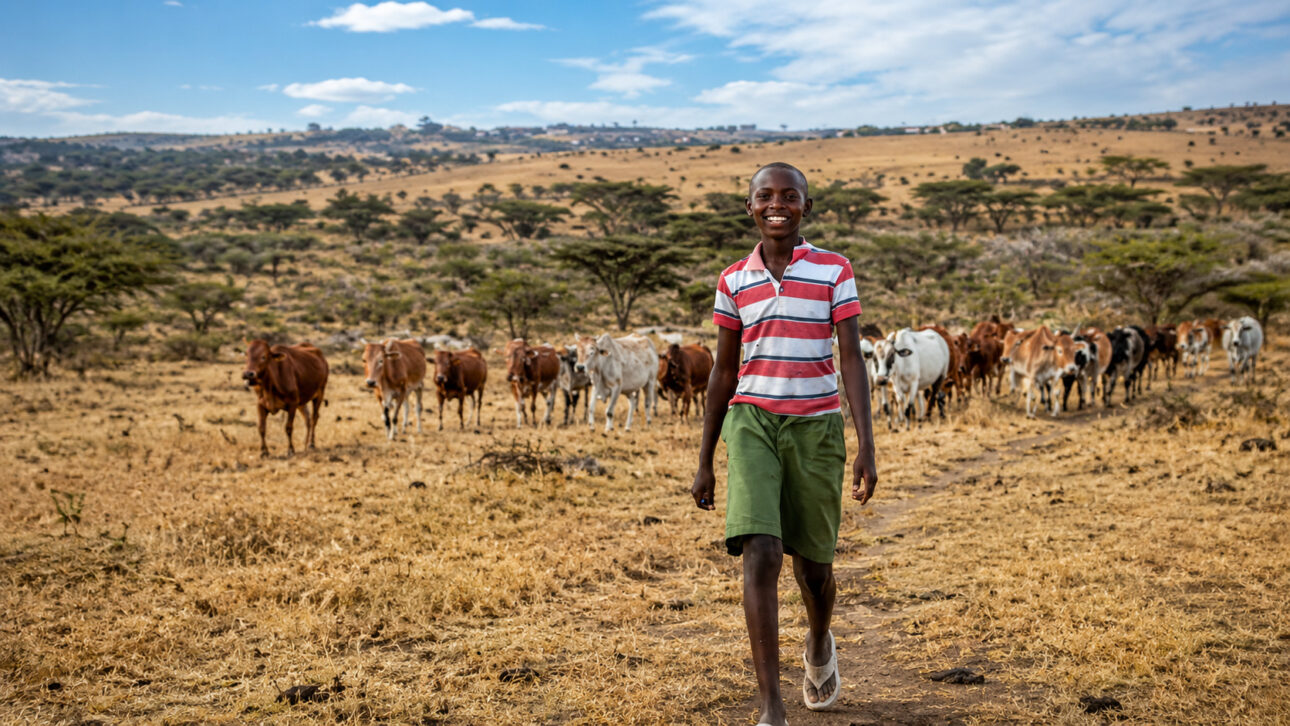
A Maasai boy noticed the fear of lions towards human light and created an inexpensive system that protects corrals without driving away or eliminating the predators. The solution was born in Kitengela, south of Nairobi National Park, in a region where cattle herders coexist with lions, leopards, cheetahs, and other wild animals.
This information was published by WIPO Magazine, a publication of the World Intellectual Property Organization, on August 3, 2023. The case shows how flashing LED lights began to be used around corrals to ward off predators before attacking the cattle.
The idea was created by Richard Turere, a young Maasai inventor from Kenya and founder of Lion Lights. The technology mimics the movement of a person walking with a flashlight at night, without harming the animal and without forcing the herder to confront the predator.
-
During a session, Norwegian deputies dropped politics and “rowed” like Vikings inside the Parliament to support the team in the Cup, in a scene that went viral this Thursday.

-
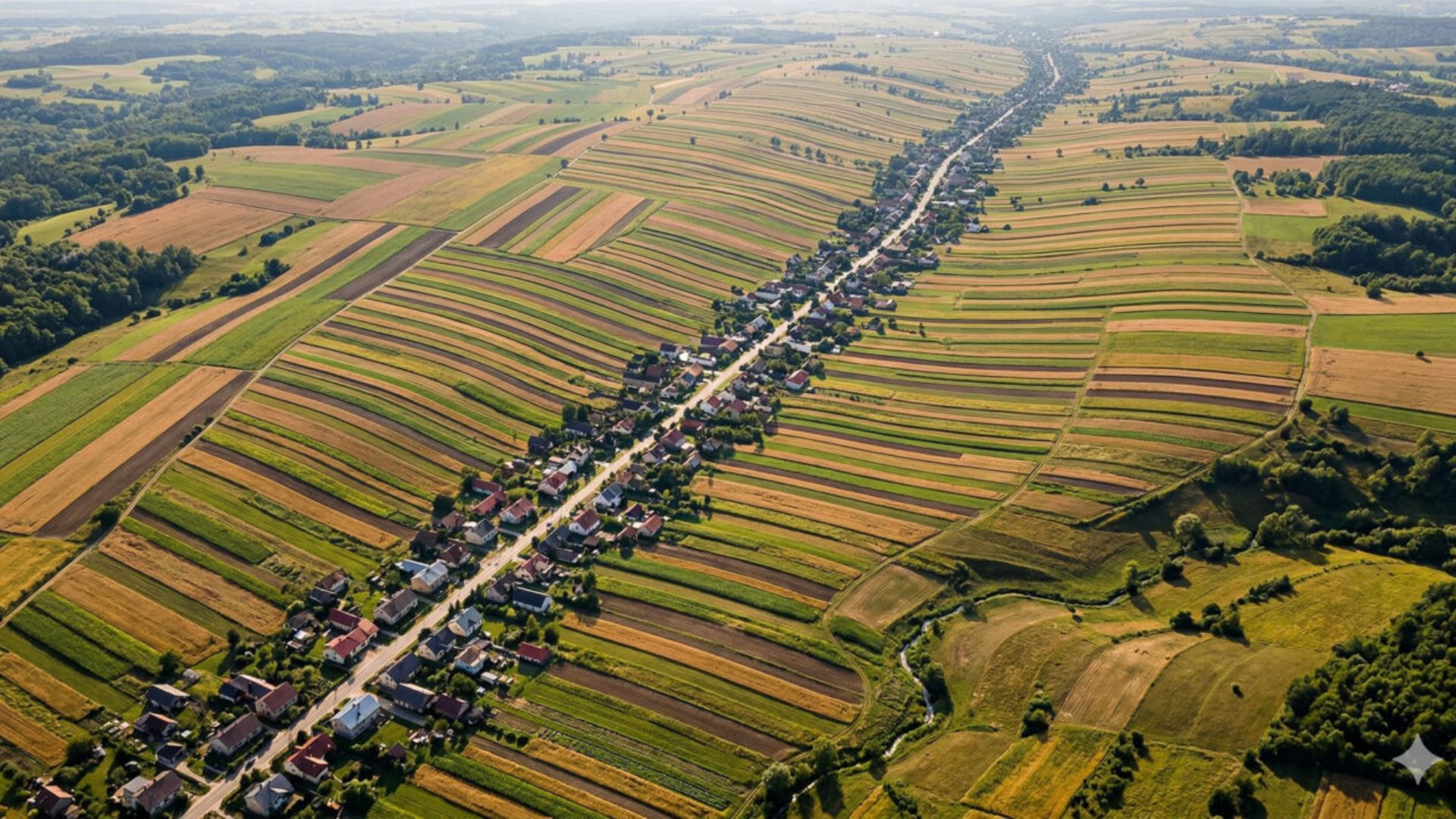
Almost 6,000 residents live concentrated along a single street nearly 9 km long in the interior of Poland. Houses form a continuous row, and behind them, narrow agricultural strips emerge, creating one of the most unusual rural patterns in Europe.
-
Brazilian flying boat aims to shorten trips that can currently take days in the Amazon by using rivers as runways and reaching speeds of 150 km/h to transport people, cargo, and even provide health support in isolated regions.
-
Cristiano Ronaldo’s family focuses on Brazil and buys 3 plots in a condominium worth R$ 410 million in RS, with lots of up to 600 m², 450 units, 70% of the area navigable, and the largest artificial beach in the country.



The conflict between cattle and lions weighs on rural income and threatens wildlife
In areas near Nairobi National Park, cattle can become targets for predators during the night. For families that depend on these animals, losing cows means losing an important part of their income and security within the property.
When attacks occur, some herders resort to very toxic pesticides or spears to try to defend their herds. These responses may seem quick, but they increase the risk of lion deaths and deepen the conflict between people and wild animals.
The problem is not just about environmental conservation. It also touches the lives of those who live in the countryside, raise animals, and need to protect their family’s livelihood. Therefore, the strength of Lion Lights lies in trying to prevent the attack before it happens.
Richard Turere observed the predators’ reaction and turned a flashlight into a solution
Richard Turere received at nine years old the task of taking care of his father’s cattle. Since the family home was near the park, encounters with wild animals were part of the routine.
He tried fire and scarecrows, but these alternatives did not work as expected. The change came when he noticed that predators fled upon seeing a person walking at night with a light in hand.
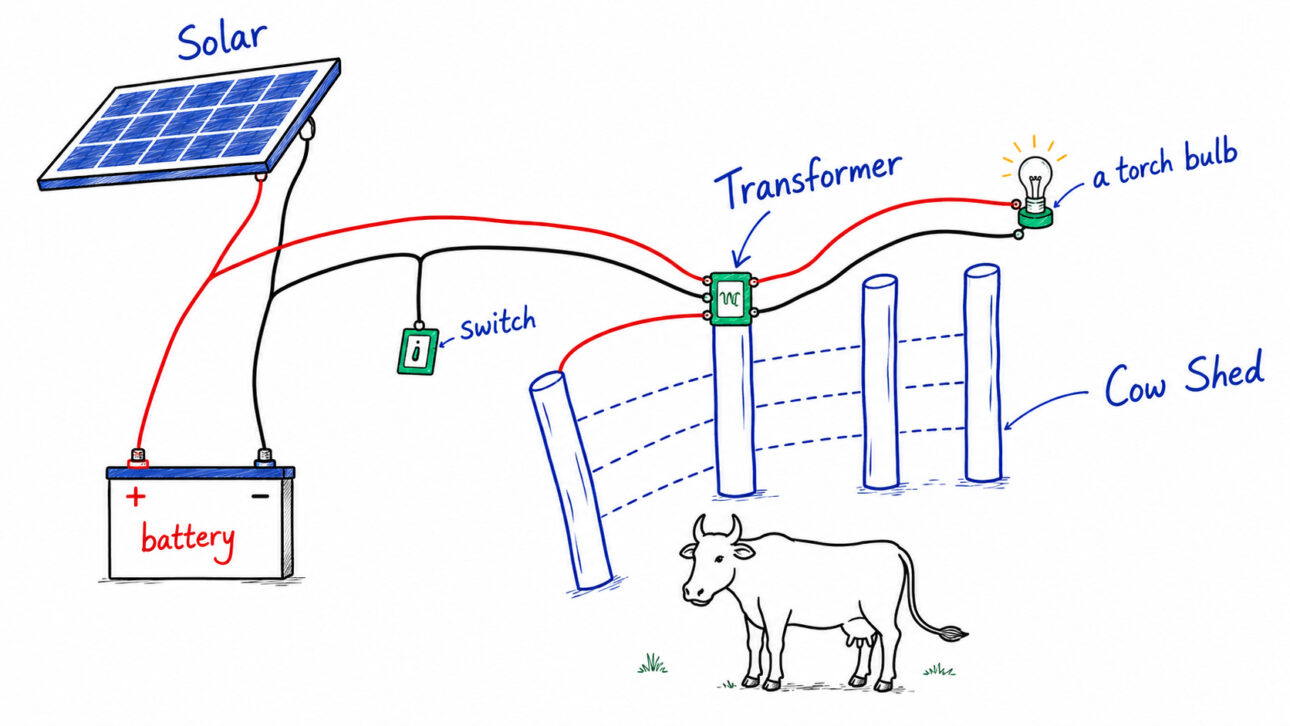
From this observation, Turere created a sequence of LED lights placed around the corral. The lights flash at different intervals to give the impression of human movement near the animals.
How the LED lights that trick lions at night work
The Lion Lights use small LED lamps installed around the area where the cattle are protected. LED is a common, economical type of light used in many everyday devices.
In the system created by Turere, these lights flash alternately. The sequence changes over time to confuse the lions and make the predators believe that someone is walking near the corral with a flashlight.
The logic is simple for the reader to understand: if the lion avoids human presence, the moving light creates a false human presence. Thus, the predator tends to move away before attacking the cattle.
The cheap system protects corrals without poison, spears, or direct confrontation
The system does not eliminate the predator and does not require the farmer to walk around the corral all night. It uses light, energy, and repetition of movement to create a visual barrier.
The source reports that Turere’s family went from losing three cows per week to none after the invention. This number helps to show the practical impact for those who depend on cattle.
The reported cost for the system is USD 20.5 per unit. The technology can also work with solar and wind energy, which facilitates its use in rural areas with less infrastructure.
WIPO Magazine detailed the expansion of the idea for small properties in Kenya
WIPO Magazine, publication of the World Intellectual Property Organization, detailed that Turere created the Lion Lights Foundation in 2013 to expand the use of the system in areas with a higher risk of large predator attacks.
The foundation works with local communities to install the lights around the corrals. The system has come to be used in more than 2,300 small properties in Kenya.
The technology has also reached Botswana, Namibia, Tanzania, and Zimbabwe. The source also records use in Argentina and India to ward off pumas, hyenas, and other predators from herds.
The invention shows that simple technology can also protect nature
Richard Turere’s story does not eliminate all conflicts between rural communities and wild animals. Even so, it shows a practical solution to a common problem in regions where livestock farming and predators share the same territory.
The main change is in the way of acting before the attack. Instead of waiting for the loss of the animal and responding with violence, the system tries to prevent the lion’s approach during the night.
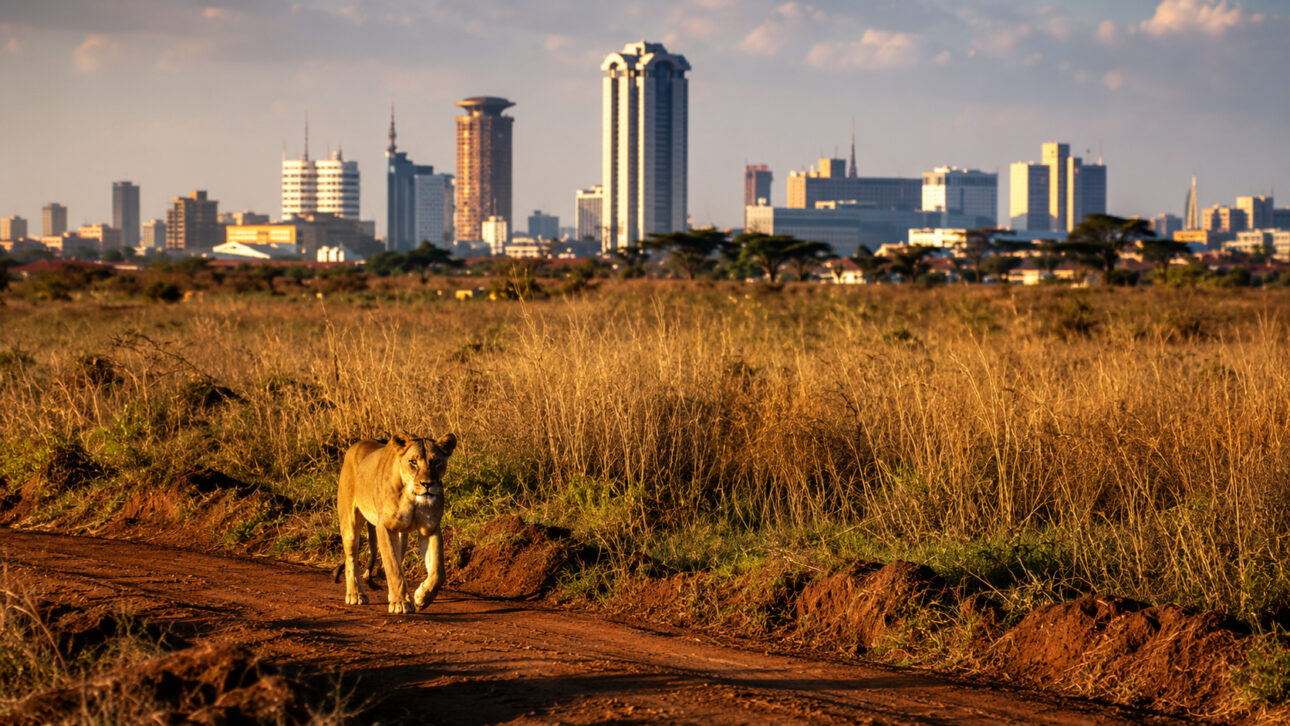
For the farmer, this can mean less loss. For the lions, it can mean less risk of death by retaliation. For the community, the technology offers a safer way to coexist with wildlife.
An idea born in the corral became an example of coexistence between people, cattle, and predators
The Lion Lights show how a simple solution can have a real impact when it arises from direct observation of a problem. Richard Turere saw that lions feared human light and turned this perception into a protection system for corrals.
The case matters because it combines cattle protection, lion conservation, and low-cost technology in the same rural challenge. When innovation prevents loss and reduces wild animal deaths, it ceases to be just an invention and becomes a form of coexistence.
Do you believe that simple ideas like this can help rural communities protect their livelihood without destroying the surrounding wildlife? Leave your opinion in the comments and share with those interested in technology and the environment.




Be the first to react!