






 Portuguese
  Spanish
  6 min of reading
  0 comments


In Brooklyn Heights, the fake house at 58 Joralemon Street looks like a preserved residence, but houses subway ventilation and an emergency exit connected to the New York subway. The uninhabited facade integrates the underground infrastructure installed in one of the most valued and historic residential areas of the American city.
A fake house without residents, furniture, or domestic routine occupies number 58 Joralemon Street, in Brooklyn Heights, one of New York’s historic neighborhoods. The property, originally built as a residence in the 19th century, was acquired in 1907 to conceal a facility linked to the city’s subway.
As shown in a video published by the channel Luisito Comunica, behind the facade that mimics neighboring houses, ventilation structures and an emergency exit associated with the Joralemon Street Tunnel operate, currently used by trains on lines 4 and 5. The address looks residential from the outside, but it integrates the underground infrastructure that keeps New York’s mobility functioning.
Facade looks like a common house, but signs reveal no one lives there

The first impression of those passing by Joralemon Street is that of a continuous row of historic residences, with exposed bricks, narrow staircases, and preserved architecture. Number 58 follows this visual pattern and can go unnoticed among real properties in Brooklyn Heights.
-
Federal Police involved in the case to identify the person responsible for hacking the Civil Defense system, which sent ten false alerts, frightened residents of different capitals, and turned messages about real risks into notifications with “misanthropy” and even alien attacks.

-
Extreme drought causes ghost village to reappear at the bottom of the reservoir that supplies Athens, revealing houses, a school, and ruins swallowed since the 1980s as the lake shrinks and exposes the water crisis threatening the capital of Greece.

-
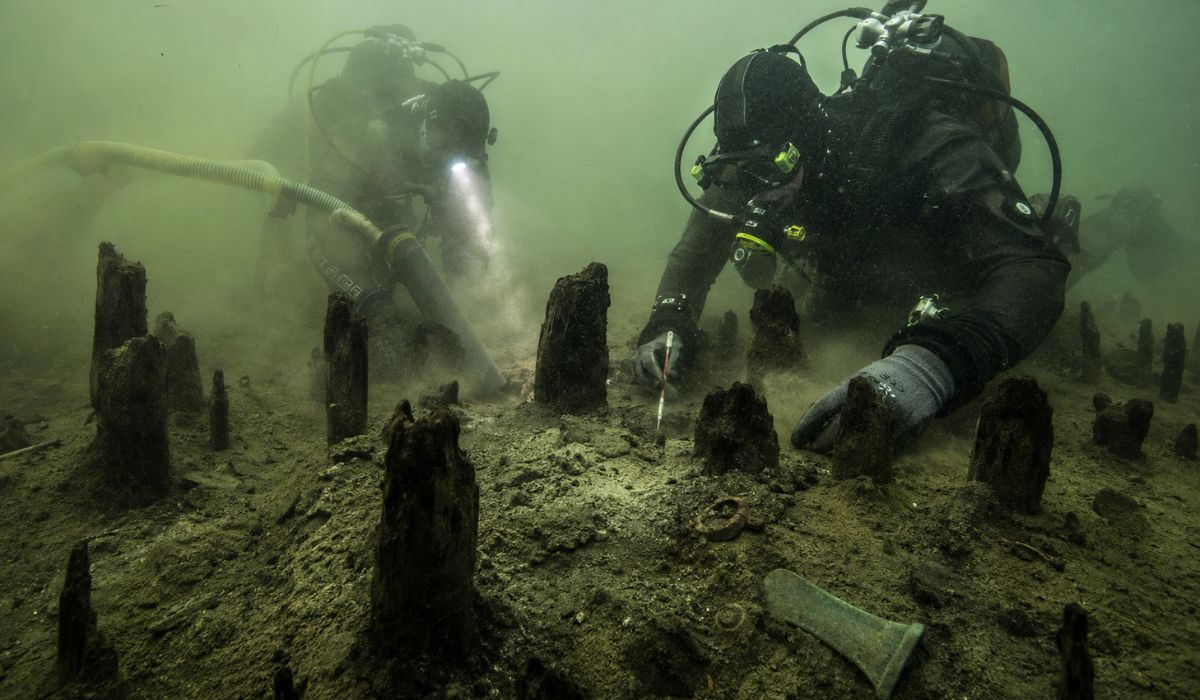
An entire village lay asleep at the bottom of a lake for 3,000 years: divers suction sediments in Italy and reveal more than 600 wooden stakes, bronze tools, and traces of a Bronze Age settlement hidden underwater.
-
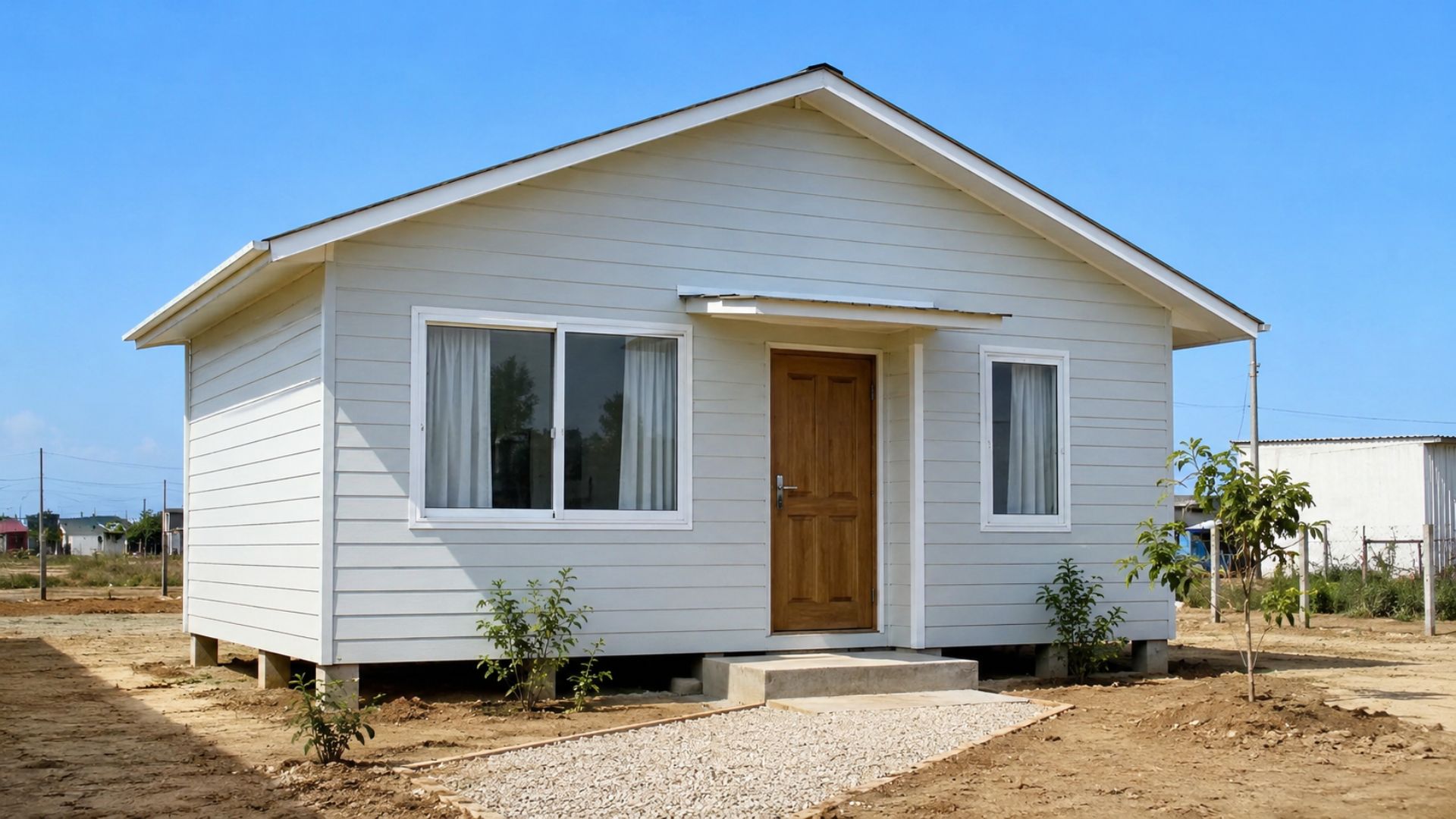
They call it the “Shopee house” and even cardboard, but the R$ 20,000 house is a certified Wood Frame from Alea, financed by Minha Casa Minha Vida: understand if it’s worth more than masonry.


A more careful observation, however, reveals differences. The windows are dark, there are no everyday signs of residents, and the entrance does not function like that of a conventional residence. Instead of hiding a family or apartments, the fake house houses a technical structure linked to the underground transport system.
The domestic appearance is not a decorative detail: it allows an operational facility to remain integrated into a street marked by historic buildings. The result is a property that visually participates in the neighborhood, although it serves a completely different function from the surrounding houses.
House built in the 19th century was transformed during subway expansion
The structure at 58 Joralemon Street was erected in 1847 as a private residence in an architectural style compatible with the landscape of Brooklyn Heights. Decades later, the expansion of the New York subway definitively altered the fate of the address.
In 1907, during the work related to the tunnel under the East River, the property was acquired by the Interborough Rapid Transit Company, predecessor of parts of the current transportation system. The interior was adapted to accommodate equipment necessary for air circulation and emergency access to the tunnel.
The intervention occurred during a decisive phase of New York City’s urban infrastructure. The Joralemon Street Tunnel opened to passengers in 1908 and became the first subway rail tunnel under the East River connecting Manhattan to Brooklyn. The former residence then began to perform a task invisible to most pedestrians but strategic for underground operation.
Subway ventilation explains the function of the fake house in Brooklyn
Underground rail tunnels require systems capable of moving air and supporting adequate operational conditions for passengers, workers, and equipment. At 58 Joralemon Street, the residential facade precisely hides a New York subway ventilation structure.
The fake house keeps the subway ventilation integrated into the architectural ensemble of the neighborhood, without directly exposing an industrial construction amidst historic residences. Behind the outer walls and opaque windows, there are no bedrooms or living rooms, but spaces associated with the tunnel’s operation.
The installation also demonstrates how large cities incorporate essential services into the urban landscape. Systems for energy, air circulation, maintenance, and emergency are not always apparent to those walking on the sidewalks. In Brooklyn Heights, engineering was placed behind a facade capable of appearing as a natural part of the neighborhood.
Emergency exit connects quiet street to lines 4 and 5
Besides ventilation, the address functions as an emergency exit for the Joralemon Street Tunnel. The tunnel transports trains of subway lines 4 and 5 between Manhattan and Brooklyn, crossing an underground area linked to the East River.
In an emergency situation on the route, the emergency exit can offer an evacuation route to the surface. This transforms the small residential-looking facade into a potentially important point for operational safety, even though its function remains unknown to many residents and visitors.
The discreet door of the fake house does not lead to a living room, but to a connection with one of the busiest transportation networks in the world. The presence of this access on a residential street shows that emergency infrastructure can be much closer to everyday life than it seems.
Property is located in a historic neighborhood surrounded by valued houses
The contrast draws attention because the technical installation is located in Brooklyn Heights, a region known for preserved streets and high-value properties. In 2022, the house next to number 58, located at number 60 on the same street, was listed for nearly $6 million.
The value does not correspond to the fake house, whose role is neither residential nor commercial in the conventional market. Even so, the listing of the neighboring property sizes the scenario in which the facade is inserted: an area where visual preservation and real estate appreciation have significant weight.
This location helps explain why the appearance of the installation was maintained so carefully. An exposed industrial structure, with visible equipment and design incompatible with neighboring buildings, would alter the landscape of a street recognized for its historical ensemble.
The adopted solution reconciled two urban needs: preserving the architectural identity of the neighborhood and maintaining a necessary subway equipment in operation.
Restored facade keeps secret visible to those who observe details
The current appearance of the installation was reinforced after a renovation carried out in 1999, when the structure underwent improvements that included the facade and internal ventilation components. The goal was to preserve its integration into the historical surroundings of Brooklyn Heights.
The dark windows remain one of the easiest signs to notice. They preserve the external appearance of a residence but prevent viewing of an interior that was not designed for domestic life. The absence of common movements in a house also fuels the curiosity of those who discover the building’s real function.
Although it seems to hide something mysterious, the documented function of the address is objective: to support the ventilation system and provide emergency access to the subway. What makes the location extraordinary is not a secret theory, but the way a technical necessity was incorporated into the residential landscape of New York.
New York uses architecture to hide essential structures


58 Joralemon Street is not just a visual curiosity. It reveals a frequent challenge in large urban centers: how to install essential equipment without altering historical neighborhoods or established residential areas.
In dense cities, part of the infrastructure needs to coexist with facades, sidewalks, preserved buildings, and private properties. In the case of Brooklyn Heights, the old house was maintained as a kind of architectural shell for a function that became entirely urban and operational.
The false house also changes the way one observes a city. A closed window, a door without apparent residential use, or a silent property may house structures that ventilate tunnels, distribute energy, or offer safety routes.
In New York, even an apparently ordinary facade can hide the engineering that allows the city to keep moving.
House without residents raises a question about modern cities
The construction on Joralemon Street shows that infrastructure does not always need to occupy the landscape in an obvious way. Where many see just an old house among expensive properties, there is an installation linked to the ventilation of the New York subway and the safety of those who circulate beneath the city.
The address remains integrated with the street, without residents and without the expected routine of a residence. At the same time, it fulfills a function that helps connect Brooklyn and Manhattan beneath New York’s soil. The false house remains stationary on the sidewalk but participates daily in the life of an entire metropolis.
Have you ever imagined that an apparently residential facade could hide subway ventilation and emergency exits? In your city, are there constructions that seem ordinary but might have another function? Tell us in the comments if you’ve seen anything similar.



-

1 person reacted to this.