






 Portuguese
  Spanish
  5 min of reading
  0 comments


The phrase he heard the most was a question: “are you crazy?”. Instead of backing down, he sold and transferred stores and went to factories in Europe and Asia to understand a technology that almost no one knew about here. Years later, the market they said had no future became a trend and proved the bet right.
Hearing from many people that he was crazy, the businessman from Joinville, Paulo Cortez, left the traditional parts store he had been running for over 25 years and crossed the world, going to China, to bet on a business that no one took seriously in Brazil. The bet was on electric bicycles, a market practically unknown in the country at the time, but which the businessman believed had a future, contrary to the skepticism of those around him.
The story was recalled by Paulo himself in a video posted on his social media and published on May 31, 2026, by the ND Mais portal. For decades, he was at the helm of Jobrasil, a traditional parts store for motorcycles and bicycles, founded in 1946 and one of the oldest in Joinville. It was precisely when he already had a consolidated career that he decided to risk everything on something new, in a turn that would change the course of his business life.
The decision that many called madness

After selling some stores and transferring others to family members, the businessman embarked on a journey around the world to understand the electric bicycle market, still nascent in Brazil, visiting countries like Spain, Italy, the Netherlands, and China, in search of factories, technologies, and references on how the sector worked.
-
Federal Police involved in the case to identify the person responsible for hacking the Civil Defense system, which sent ten false alerts, frightened residents of different capitals, and turned messages about real risks into notifications with “misanthropy” and even alien attacks.

-
Extreme drought causes ghost village to reappear at the bottom of the reservoir that supplies Athens, revealing houses, a school, and ruins swallowed since the 1980s as the lake shrinks and exposes the water crisis threatening the capital of Greece.

-
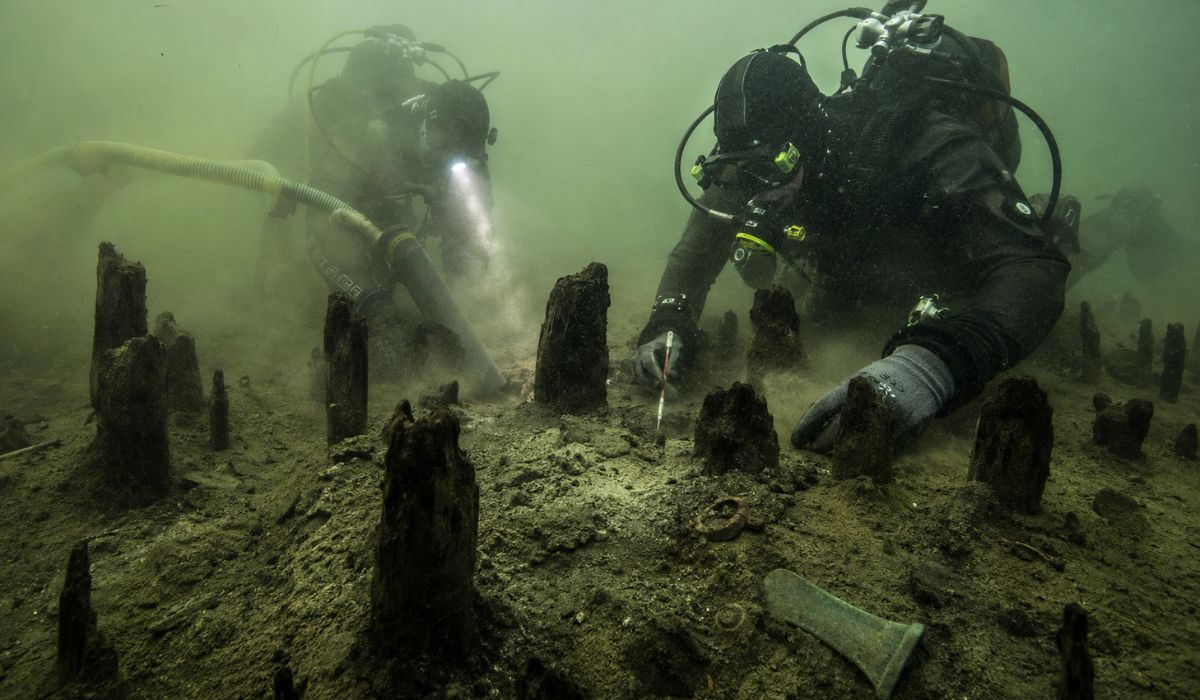
An entire village lay asleep at the bottom of a lake for 3,000 years: divers suction sediments in Italy and reveal more than 600 wooden stakes, bronze tools, and traces of a Bronze Age settlement hidden underwater.
-
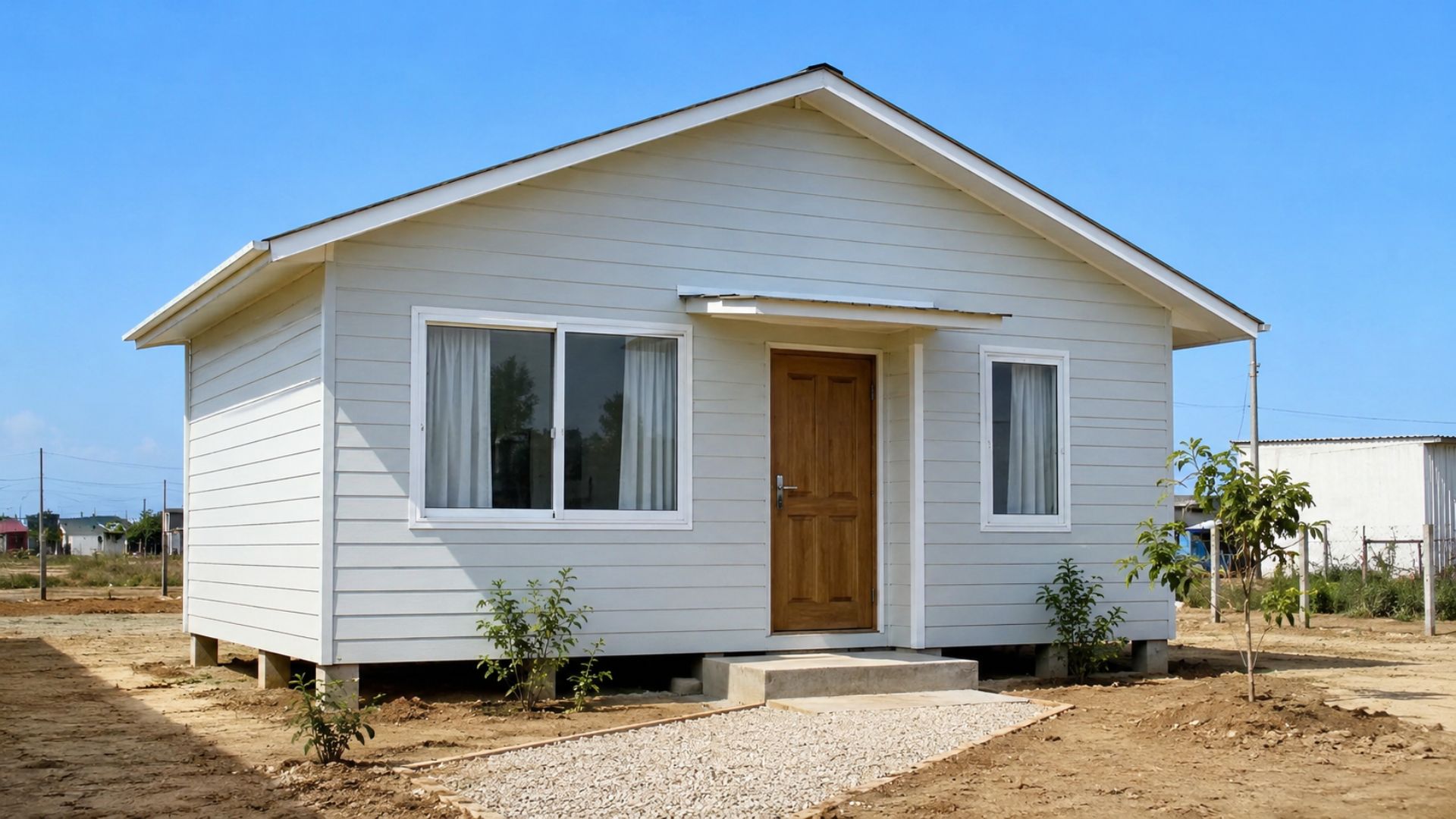
They call it the “Shopee house” and even cardboard, but the R$ 20,000 house is a certified Wood Frame from Alea, financed by Minha Casa Minha Vida: understand if it’s worth more than masonry.


The initiative was met with much skepticism. “Mr. Paulo, are you crazy? Going to the other side of the world for electric bicycles? This will lead to nothing, it won’t catch on,” the businessman recalls about the comments he heard at the time. Even so, he maintained the conviction that electric mobility would find space to grow in the country, and he remained firm in his bet despite the criticism.
Time proved the bet right
What seemed like an idea with no future turned out to be visionary. Years after international trips, the electric bicycle market consolidated in Brazil and gained strength in Santa Catarina, and the bet that many considered madness turned into a solid business. According to Paulo himself, his company was a pioneer in the state in marketing this type of product.
It is worth noting that this claim of pioneering comes from the entrepreneur’s own account, which is natural in a story told in the first person. In any case, the fact is that electric mobility has ceased to be a distant curiosity to become a concrete trend in Brazilian cities, driven by the search for more economical and sustainable transportation alternatives, which ended up supporting the intuition he had back then.
The new generation in command
With the growth of the sector came renewal within the business. When the market began to accelerate around 2019, Paulo decided to involve a new generation in the company and invited his grandson, Paulinho Cortez, to participate in the operation, which helped modernize the business and strengthen its presence in the electric bicycle segment.
Today, it is the young man who visits importers, evaluates suppliers, and selects the models sold, taking the lead in technical decisions. “He outshines me now in electric bicycles,” admits the entrepreneur, proudly recognizing that his grandson masters the subject. It is an example of how the experience of one generation can be combined with the energy and updated knowledge of another, keeping the business alive and competitive.
Quality over quantity
Throughout their journey in the sector, the family adopted a philosophy that goes against the market trend. Instead of trying to sell as many brands as possible, the company chose to work only with products that offer spare parts, technical assistance, and customer support after purchase, prioritizing quality. According to Paulo, more than ten manufacturers have been dropped from the portfolio over the years due to this requirement.
The concern with after-sales, according to the entrepreneur, is one of the pillars that helped build the credibility that dates back to the times of the old Jobrasil. It is a valuable lesson for retail: sometimes, selling less and better, ensuring that the customer is well attended to after the purchase, is worth more than offering a bit of everything without providing adequate support, something increasingly valued by consumers.
The portrait of a rising market
Paulo’s story engages with a larger transformation happening on the streets. Electric mobility is growing in Brazil, driven by bicycles, scooters, and other vehicles that promise cheaper, faster, and less polluting transportation, especially in urban centers, in a movement that follows trends already established in Europe and Asia.
This scenario helps to understand why a bet once seen as eccentric a few years ago now seems natural. As cities discuss alternatives to cars and fossil fuel-powered transportation, solutions like the electric bicycle gain relevance, and entrepreneurs who saw this potential earlier, like the one from Joinville, end up leading a movement that is only expected to grow in the coming years.
The journey of businessman Paulo Cortez is one of those stories that show how vision and courage can turn a risky bet into a success. By exchanging the security of a traditional store for the uncertainty of a market that no one took seriously, and by seeking knowledge on the other side of the world, he proved that hearing “you’re crazy” is not always a reason to give up. More than a business story, it’s a reminder that seeing trends before others and insisting on them with seriousness can make all the difference in an entrepreneur’s life.
And you, have you ever had an idea that everyone thought was crazy, but you believed in it? What do you think of the Joinville entrepreneur’s bet on electric bicycles? Leave your comment, tell your own story of entrepreneurship or risky bet, and share the article with that friend who also dreams of having their own business.





Be the first to react!