Portuguese
  Spanish


At 4.16 meters, it is the size of a Polo, but combines a combustion engine and electric motor in a system that prioritizes running in electric mode and uses gasoline to extend the journey. The official debut with prices is in June, and production is expected to come from the automaker’s new factory in Hungary.
A compact hatch that promises to travel more than 1,000 kilometers combining battery charge and a full fuel tank is BYD’s new bet to target European superminis, such as the Volkswagen Polo and Renault Clio. Called the Dolphin G DM-i, the plug-in hybrid model was revealed between May 26 and 27, 2026, and marks a milestone in its history: it is the first car from the Chinese brand developed specifically for markets outside China.
The announcement was made by BYD’s executive vice president, Stella Li, who classified the compact hatch segment, the so-called segment B, as one of the most important in the world. The presentation took place in the United Kingdom, and the official launch with prices is scheduled for June 2026, with the first deliveries expected in the European autumn, in the second half of the year. It is a clear move by the automaker into the heart of the European small car market.
The real novelty of the Dolphin G

The Dolphin G DM-i is not BYD’s first hybrid car, as the brand has had several models with DM-i technology for years, such as Song Pro, King, Atto 2, and Seal U. What is truly novel about this hatch is something else: it is the first vehicle that BYD developed specifically with foreign markets in mind, instead of simply adapting a model already sold in China.
-
Rolls-Royce Turns Heads with 30-Inch Floating Wheels, 6.6-Liter V12 Engine, and 563 Horsepower

-
2019 Kia Sportage EX: A Spacious and Cost-Effective SUV with 2.0 Flex Engine and Panoramic Roof
-
Fiat Strada Becomes Top Seller in June, Surpassing Onix, Polo, Hilux, and T-Cross with 107 HP Engine and 732 km Range.

-
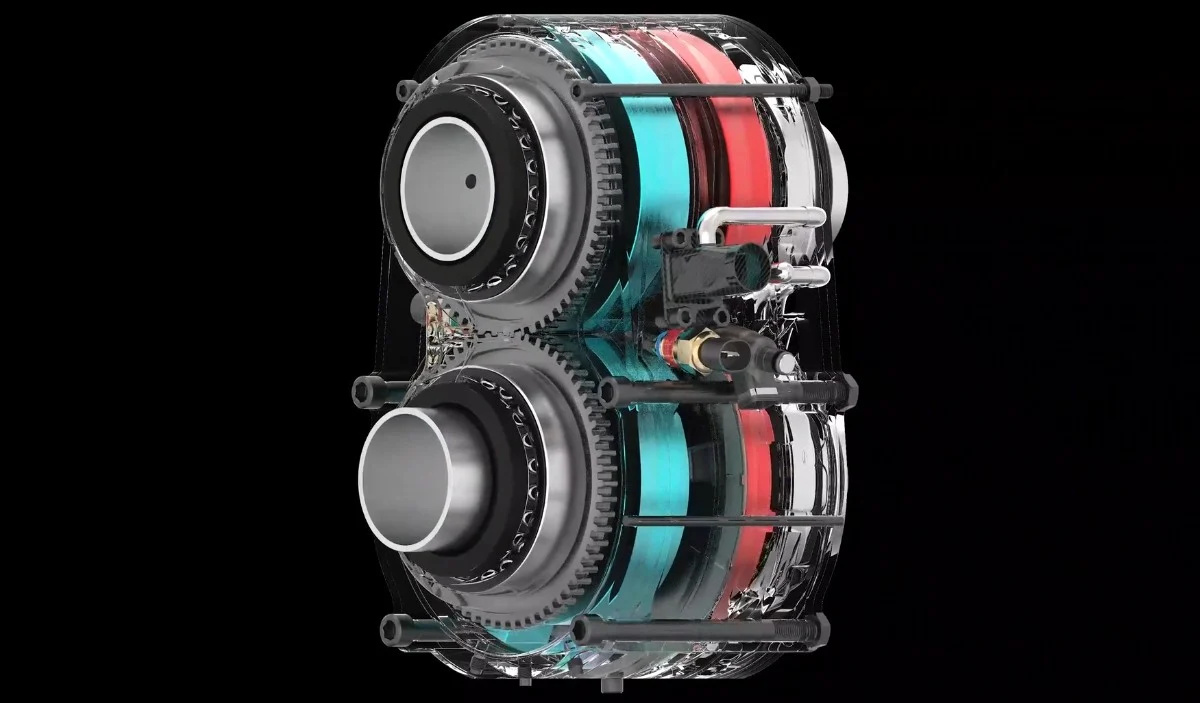
Suitcase-sized hydrogen engine spins at 25,000 rpm, nearly doubling the efficiency of conventional cars and replacing exhaust smoke with water vapor


According to the automaker itself, the car was designed from the start with European urban use conditions in mind, from the narrow city streets to the profile of those who are still hesitant to rely solely on electric charging. This is the strategic differential of the project and marks a new phase of international expansion for the Chinese giant, which has been growing strongly in markets like the United Kingdom and Australia.
How the plug-in hybrid system works
The Dolphin G uses the system that BYD calls Super Hybrid with DM technology, a plug-in hybrid configuration. In practice, what moves the car most of the time is a front electric motor, ensuring a driving experience similar to that of a pure electric, while the combustion engine mainly comes in to extend the range on longer trips.
This combination allows for a combined range of over 1,000 kilometers, measured in the European WLTP cycle, combining the battery charge and a full tank of gasoline. The architecture is derived from the same technological family used in models like the Atto 2 DM-i, with LFP Blade type batteries, known for their durability and safety. BYD has not yet released the official numbers for power, exact battery capacity, and range in electric-only mode, details expected to be revealed at the June launch.
Polo size, leader ambition
In dimensions, the Dolphin G measures 4.16 meters in length by 1.825 meters in width, placing it right in the middle of the European supermini segment. This size positions it as a direct rival to best-sellers like Volkswagen Polo, Renault Clio, Peugeot 208, and Toyota Yaris, models that have dominated the continent’s streets for years.
The detail that BYD explores as an advantage is that these rivals, when electrified, usually come as conventional hybrids, not as plug-in hybrids with the ability to travel significant distances in electric-only mode. The automaker bets that offering this technology in a small car and, according to expectations, at a competitive price, can attract those who want economy and low emissions without giving up the practicality of refueling at any station.
Why the factory in Hungary is a key piece
A central point of this strategy is where the car will be manufactured. There is a high probability that the Dolphin G DM-i will be one of the first models produced at BYD’s new factory in Szeged, Hungary, the brand’s first passenger car unit in Europe, which has already started experimental production.
Producing within Europe is not just any detail. The European Union has imposed tariffs on electric cars imported from China, and local manufacturing helps BYD circumvent these barriers, reduce dependence on imports, and compete on equal footing with the continent’s traditional brands. It’s a move that combines a tailor-made product with local production, showing how seriously the automaker takes the European market.
And Brazil in this story?
It is important to separate what is confirmed from what is speculation. The declared focus of the Dolphin G DM-i is Europe, and there is currently no official confirmation that the model will be sold in Brazil. Any statement about an arrival in the Brazilian market, or about a possible adaptation of the engine to run on ethanol, is for now just speculation, not an announcement from the automaker.
This does not mean that the technology cannot, in the future, arrive here in some form, as BYD has been heavily investing in Brazil, including with a factory in Bahia. But, in the specific case of this hatch, the reader should be cautious with headlines that claim its arrival in the country. What exists is a car designed for Europe, with European production, and a recent history of the brand expanding aggressively across various continents.
Why this topic matters to the CPG reader
For those who follow energy, fuels, and the future of mobility, the Dolphin G is a symbol of an important trend. Instead of pushing only 100% electric cars, BYD bets on the plug-in hybrid as a bridge for consumers still unsure about the charging infrastructure, keeping liquid fuel in the scene, but in a supporting and more efficient role.
This movement directly engages with the debate on energy transition, the future of the combustion engine, and the commercial competition between China and Europe in the automotive sector. For Brazil, a country with a strong tradition in biofuels like ethanol, observing how Chinese automakers balance electrification and combustion helps to understand the directions of a market that will still coexist, for many years, with different types of engines.
The BYD Dolphin G DM-i shows the ambition of the Chinese brand not only to sell cars in Europe but to design tailor-made products for the continent and manufacture them there. With the size of a supermini, a combined range of over 1,000 kilometers, and plug-in hybrid technology, it arrives to challenge well-established names in one of the most competitive segments in the world. We await the June launch, with prices and complete specifications, to see if the bet will indeed shake the leadership of traditional European hatches.
And you, what do you think of BYD’s strategy to target European compact hatches with a plug-in hybrid with more than 1,000 km of range? Would you like to see a car like this in Brazil? Leave your comment, tell us if you would trade your combustion car for a plug-in hybrid, and share the article with those who follow cars, technology, and the future of mobility.