






 Portuguese
  Spanish


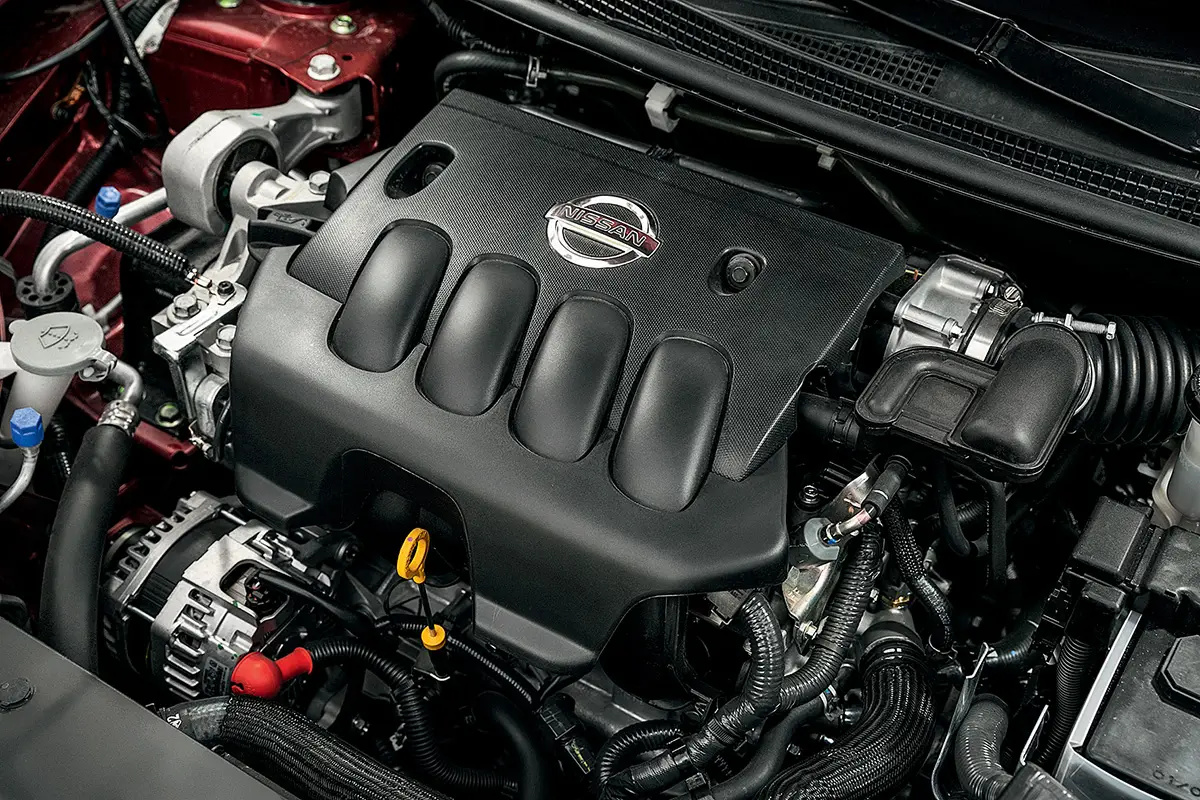


Nissan March, Versa, Sentra, and Kicks Become High-Value Used Cars Due to Low Consumption, Reliable Engines, and Low Maintenance; Here’s Why They Have Surge in Demand.
The used car market has changed significantly in the past three years, and few manufacturers have experienced a “reputation turnaround” as strong as Nissan. Models that once circulated discreetly, without much fanfare, are now among the most sought after by those looking for a car to use daily without mechanical surprises, with realistic fuel consumption, predictable maintenance, and mechanics that won’t give headaches. Starting from R$ 40,000, Nissan has established itself as one of the brands with the best balance of performance, economy, and durability, especially in the four models that form the basis of this article: March, Versa, Sentra, and Kicks.
They may not top the status charts, but they top the lists of those looking for a truly good car to work, travel, and face heavy traffic without fear of overheating, transmission failures, leaks, or fragile components. These cars have aged with dignity, exhibiting a very low incidence of recurring problems and robust mechanics — and that’s precisely why they surged in demand in 2025.
Next, you will understand why these four models have risen so much in public preference and how each of them has become a standout in the used car market.
-
Chinese SUV Achieves 24.4 km/l, Outperforms Toyota Yaris Cross in Real-World Tests with 224 hp Hybrid System, Offers 51-Liter Tank for Greater Range, and Costs Up to R$ 5,000 Less.

-
Uber Black Revamps Fleet, Drops Ten Car Models and Sets Deadline for Electric BYD Dolphin

-
Chinese Giant Uses Metal Structures and Cranes to Deliver Over 700 Electric Cars to Brazil

-
Uber Faces Shareholder Scrutiny as Board Accused of Ignoring Safety, Compliance, and Harassment Warnings Amid Over 3,500 U.S. Lawsuits


March 1.6 16V – The Lightweight, Agile, and Surprisingly Strong Compact
The March is the type of car that many underestimate until they drive it. The 1.6 16V version delivers 111 hp, but the secret lies in its weight: Nissan’s compact is one of the lightest in its category, which makes its performance surprising. The small hatch accelerates quickly, climbs hills easily, and responds immediately to the accelerator, even with a naturally aspirated engine.


Moreover, it is one of the most economical cars in its segment, achieving 12 to 14 km/l on the road with gasoline, depending on driving style. Maintenance is inexpensive, with plentiful parts and simple mechanics. The March rarely presents chronic problems, and even units with high mileage continue to operate smoothly.
The interior may be simple, but it is functional. For urban use, it is one of the best cars in the R$ 40,000 range, especially if the buyer is looking for genuine economy, robustness, and mechanical reliability.
Versa 1.6 – The Sedan That Offers Mid-Sized Space for the Price of a Compact
The Versa was for a long time the most underestimated sedan in Brazil — and possibly the most wronged. While competitors relied on more eye-catching designs, Nissan’s model focused on three pillars that would become its great differentiators: huge internal space, an enormous trunk, and exemplary fuel consumption for a car of its size.
With the same engine as the March, the 1.6 with 111 hp, the Versa delivers more than enough performance for daily use, balance in corners, and impressive fuel efficiency for a sedan: easily 13 km/l on the highway. But what really stands out is the comfort. The rear space is worthy of mid-sized sedans, and the 460-liter trunk makes the Versa an excellent choice for families.

Another important point is maintenance. The sedan has aged very well, showing a very low incidence of recurring defects, a robust manual transmission, and automatic versions with a reliable CVT in the newer units. This has made the Versa one of the most sought-after sedans in the R$ 45,000 range in 2025.
Sentra 2.0 – The Large Sedan with Mid-Premium Behavior
If there is one Nissan model that has undergone an impressive turnaround, it is the Sentra 2.0. For years, it remained hidden behind more popular competitors like Corolla and Civic. However, over time, the Japanese sedan has proven to be one of the best-built cars in the category.
The naturally aspirated 2.0 engine, with 140 hp, delivers smoothness, low vibration, internal silence, and excellent durability.
The CVT transmission in the more recent generations of the Sentra is one of the most reliable in the Brazilian market, showing low failure rates and relatively accessible maintenance. Fuel consumption also aids: 12 km/l on the highway is perfectly achievable, even for a large sedan.

Inside, the Sentra has always been more equipped than many rivals. In top versions, it came with leather seats, digital air conditioning, a proximity key, cruise control, and above-average finishes for its time. The demand for it has grown significantly because today, no sedan in this price range offers as much comfort, onboard silence, and mechanical robustness as the Sentra.
Kicks 1.6 – The SUV That Aged Better than Many New Competitors
The Kicks has established itself as one of the smartest compact SUVs ever sold in Brazil. It does not have complex turbo engines, does not feature excessive electronics, and does not rely on complicated mechanical solutions. Instead, it combines the same 1.6 16V engine with 114 hp, reduced weight, and a CVT that, in practice, has proven to be one of the most durable in its category.

Fuel consumption is one of its great advantages: the Kicks achieves 12 to 14 km/l on highways with gasoline, which is uncommon among compact SUVs. Another important point is the simplicity of maintenance. The SUV uses components shared with March and Versa, meaning affordable and easily found parts.
The driving experience is also highly praised. The Kicks is light for an SUV, easily maneuvers in the city, and has a comfortable suspension, even on bumpy roads. The interior, although simple, is well assembled and durable.
The result of this combination is clear: the Kicks has surged in demand in the used car market, especially in the range between R$ 65,000 and R$ 80,000, where it competes with much more expensive-to-maintain SUVs.
Nissan Becomes a Reference in Reliable Used Cars
The combination of robust naturally aspirated engines, reliable CVT, lightweight structure, low consumption, and simple maintenance has made March, Versa, Sentra, and Kicks some of the most sought-after used cars in 2025.
These models deliver real economy, high reliability, and one of the best costs per kilometer traveled in the market. In a scenario of high prices and expensive maintenance, Nissan has carved out a space that few brands have managed to occupy: that of used cars that are truly worth it.


Porque ninguém fala da minha de ouro que o Tiida Nissan 1.8 manual ou automático? Maravilhoso o carro, 5 anos com um impecável ❤️
Comprei um Sentra 2020 e ainda estou com ele, fui a Florianópolis, saindo do interior do RJ e fez 14,2 na estrada com velocímetro máxima de 100km/h, não pode encher o cano que ele bebe.
É um carro espaçoso, o acabamento é muito bom, ar condicionado digita e 2 zonas, piloto automático, rodas 17, bancos de couro, chave presencial, câmbio cvt.
Troquei o óleo do câmbio com 60 mil/km por garantia pq a montadora recomenda p olhar com 100 mil/km.
É melhor gastar mais de 1500 reais com a troca a 15 mil p reparar um câmbio.
Estou no meu 3° Sentra e na estrada todos na média de 14km/L. Na faixa de 100/110km/h. É só saber andar…..
Ahh e eram viagem longas, Curitiba, Santa Catarina, Goiás…..