






 Portuguese
  Spanish




Subaru Baja: The Japanese Sedan Pickup with Boxer Engine, AWD, and Integrated Bed That Became a Rare Icon in the U.S. and a Dream for Brazilian Importers.
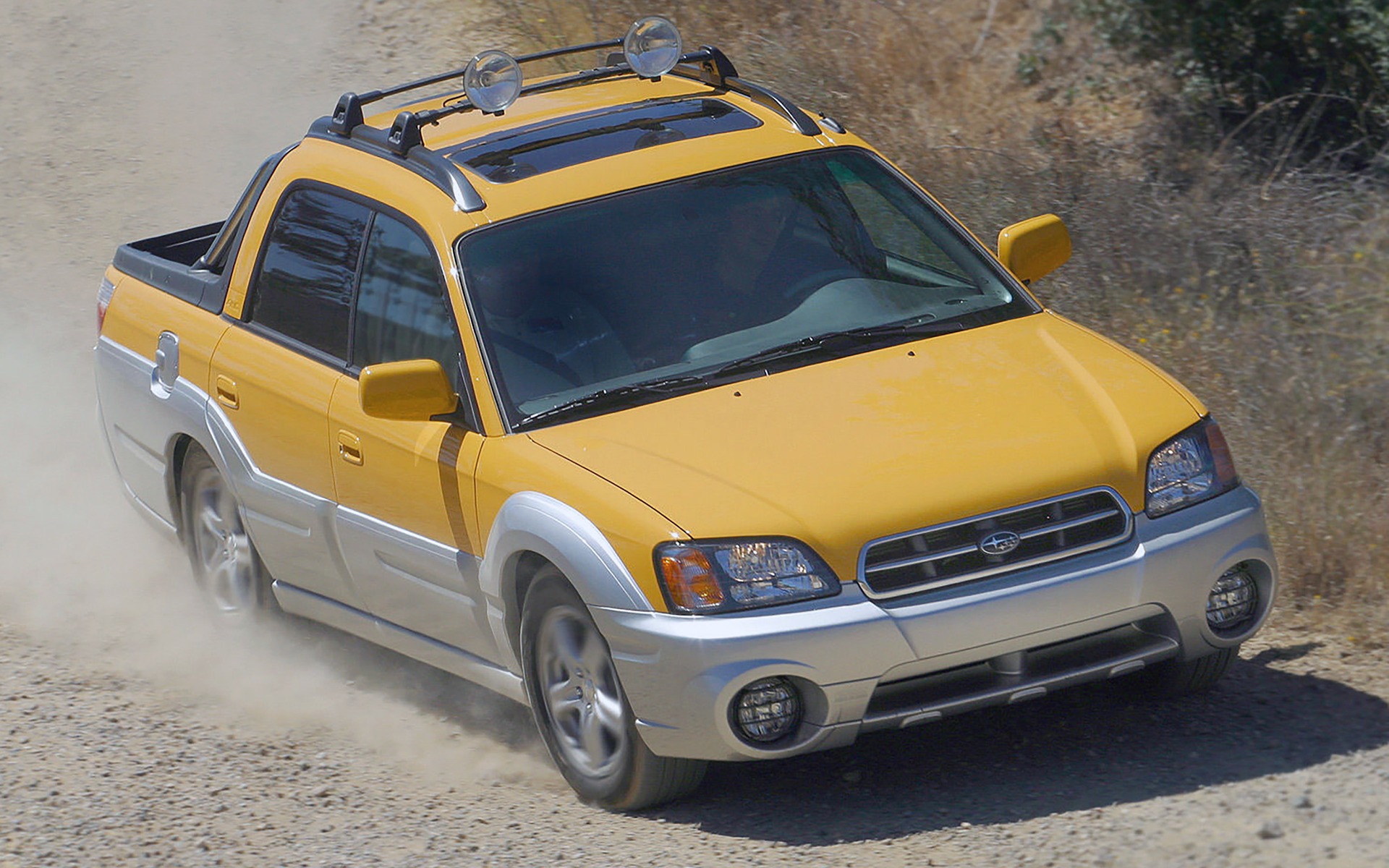
The Japanese sedan pickup that Brazil has never seen on the streets, but which has become a legend among American collectors, emerged from the boldness that only Subaru had in the early 2000s. Amid a market dominated by huge SUVs and muscular pickups, the brand decided to cross two completely distinct worlds: the comfort of a Legacy sedan with the utility of a compact pickup. Thus was born the Subaru Baja, one of the most eccentric vehicles in the recent history of the industry and precisely for that reason it became so revered.
Even though it was never officially sold in Brazil, the Baja gained fame here thanks to enthusiasts of all-wheel drive and to the audience that follows imported Japanese vehicles. Its unusual design, robust mechanics, and unique proposal transformed the model into a collector’s item in the U.S., with well-preserved units appreciating year after year. For many, the Subaru Baja is the kind of car that could only have been created by a brand known for breaking norms and today it is one of the most desired models for those looking for something rare, reliable, and totally out of the ordinary.
The Subaru Baja: When Subaru Decided to Make a Pickup Based on a Sedan
Launched in 2003, the Subaru Baja was built on the same platform as the Subaru Legacy/Outback, sharing interior, suspension, transmission, and the legendary symmetrical all-wheel drive. But what really caught attention was the hybrid body: sedan front, enclosed cabin, and a small rear bed fully integrated into the rest of the structure — creating a look that was irreverent yet utilitarian.
-
Chevrolet Unveils Onix Log 2027: A Hatchback Without Rear Seats, Featuring 1.0 Engine and 1,045 Liters of Cargo Space, Perfect for Businesses and Delivery Workers

-
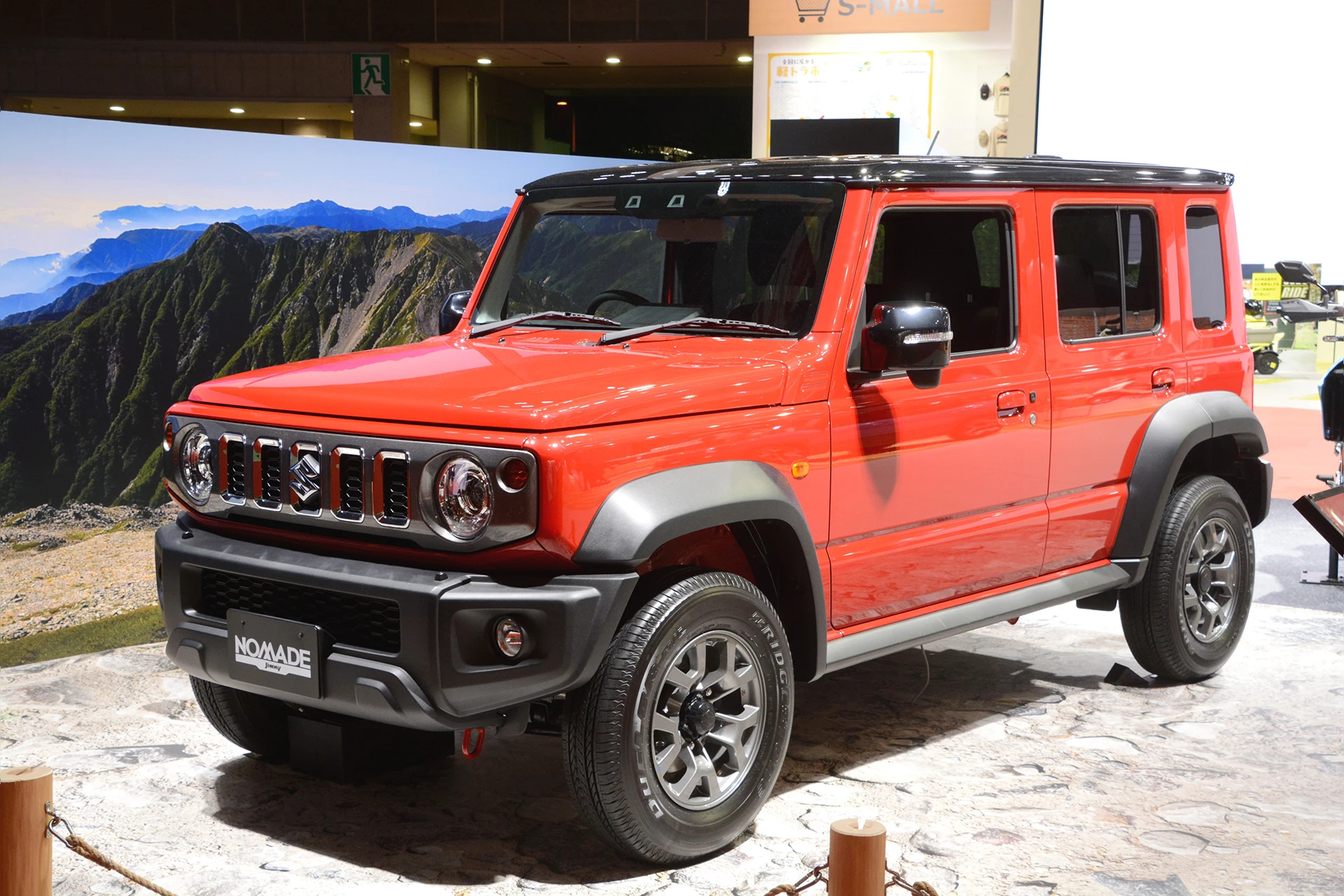
Suzuki Jimny Nomade 5-Door: A Rugged Family SUV with 1.5L Engine and 4WD, Priced Around $18,000 in Brazil

-
Suzuki XL6: Affordable Premium Minivan in India Offers Seating for Six, Hybrid Engine, and Impressive Fuel Efficiency

-
Banco do Brasil and Uber Launch Cashback Program Offering Up to 3.5 Loan Installments Back, Drivers Gain Access to New Cars Worth Up to $30,000 Through Move Brasil Initiative




The name, inspired by the famous Baja 1000 rally, reinforced the proposal of adventure and durability. And this was reflected in both its elevated height and its reinforced suspension, as well as the all-wheel drive designed to tackle uneven terrain.
Reliable Mechanics: Boxer Engine and Permanent AWD
From a technical standpoint, the Baja never disappointed. The versions ranged between:
• 2.5-liter naturally aspirated boxer engine producing 165 hp
• 2.5-liter turbocharged engine producing 210 hp (the same used in the Forester XT of that time)
Both worked in conjunction with permanent all-wheel drive (Symmetrical AWD), one of the most awarded in the world.
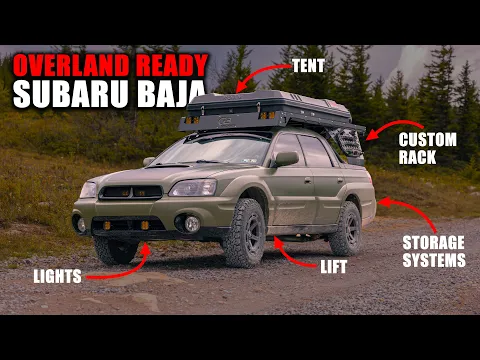

The result was an extremely stable ride, plenty of grip, and a typical Subaru sense of solidity. It was more comfortable than a pickup, more useful than a sedan, and more fun than most compact SUVs of that period.
The Integrated Bed and the Trick That Transformed the Interior Space
At just 1 meter long, the bed seemed small — until Subaru revealed its most ingenious trick: the “Switchback.”
The system allowed part of the rear wall of the cabin to fold down, extending the cargo space into the car, almost like a pickup with an extendable bed. This made the Baja absurdly practical for surfboards, bicycles, and long objects — precisely the audience Subaru aimed to reach.
Why the Baja Failed in Sales and Became a Legend Years Later
The proposal was too bold for the American market at the time, dominated by large pickups and traditional SUVs. Sales did not meet expectations, and the Baja was discontinued in 2006.
But, as happens with all misunderstood cars at launch, time was generous: the Baja became a cult icon.
Today, well-maintained units are sought after and command higher prices. On import forums, it is often mentioned as one of the models that Brazilians would most like to see here — and it is not uncommon for enthusiasts to ask about the possibility of bringing one as a collector’s vehicle.
Why Does the Subaru Baja Fascinate So Much?
• because it mixes two unlikely worlds
• because it has mechanics that hardly break
• because it offers real AWD in a compact body
• because it is a unique car that never had a replacement
• because it provides utility without sacrificing sedan comfort
It’s the typical recipe for a car that becomes a legend.

The Subaru Baja Today: A Valued Rarity in the U.S.
The value of well-maintained units has risen significantly in recent years. Turbo versions in good condition are priced above many modern SUVs. The low production and peculiar design have granted the Baja the status of a collector’s piece.
In Brazil, few units arrived through independent importation, and when they appear, they are treated almost like automotive unicorns.
The Subaru Baja is literally the type of vehicle that would be an immediate success if launched today. Compact, AWD, multifunctional, and stylish: perhaps Subaru was 20 years ahead of its time.


