






 Portuguese
  Spanish
  4 min of reading
  4 comments


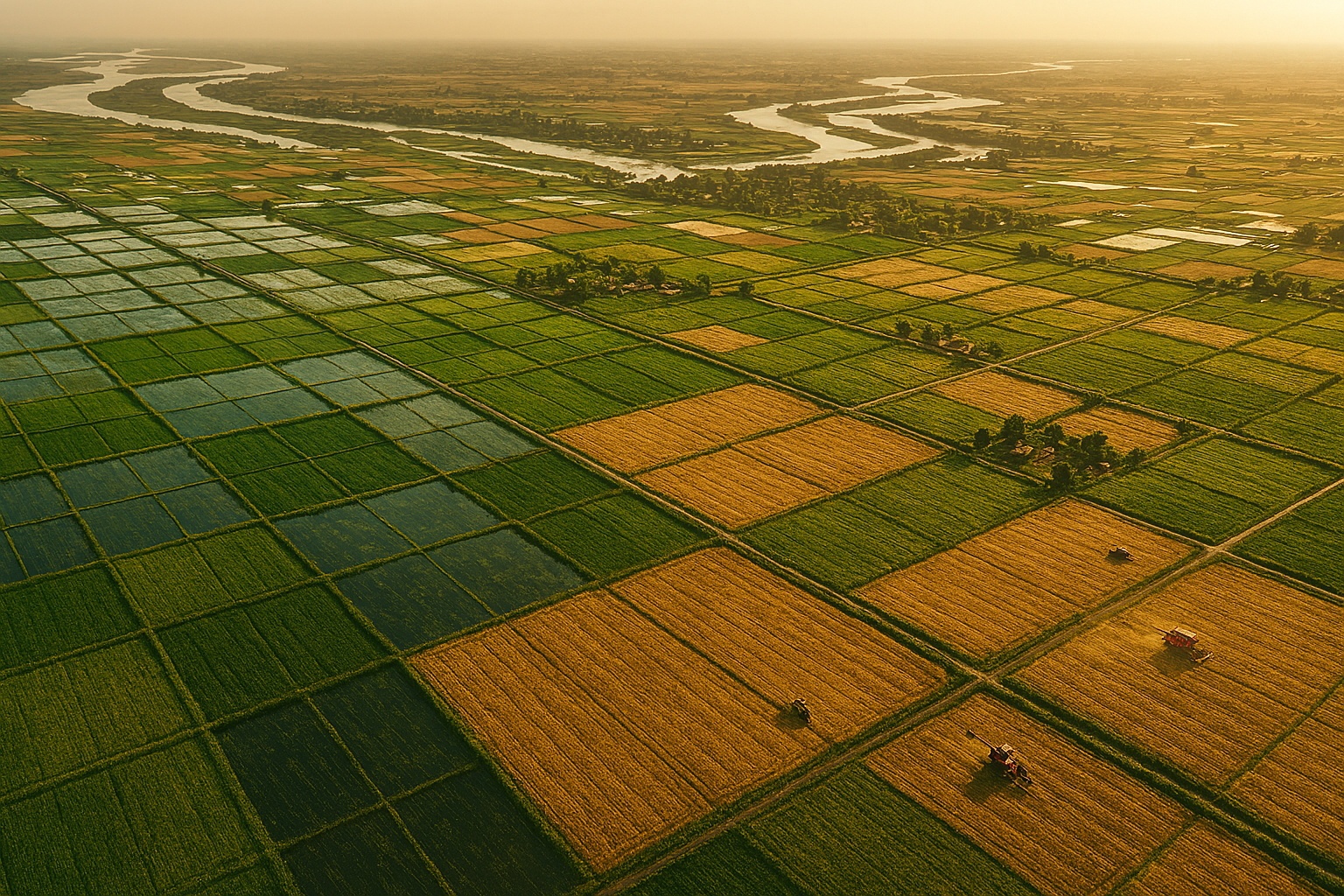


The Indo-Gangetic Plain Produces Rice And Wheat On A Colossal Scale, Feeding Over 1 Billion People Per Year And Is One Of The Pillars Of Global Food Security.
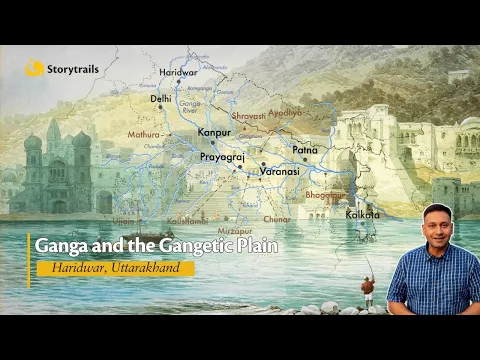
The Indo-Gangetic Plain extends for thousands of kilometers across northern India, eastern Pakistan, parts of Bangladesh and Nepal. It is one of the largest continuous areas of fertile agricultural land in the world, formed over millennia by sediment deposits brought by the Indus, Ganges, and Brahmaputra rivers. These rivers, fed by Himalayan glaciers and intense monsoon patterns, created a deep, nutrient-rich soil with a high water retention capacity.
This rare combination of fertile alluvial soil, water availability, and favorable climate has transformed the region into the true agricultural heart of Asia. Today, tens of millions of hectares are intensively cultivated, sustaining some of the largest human populations on the planet.
An Agricultural System That Spans Millennia
Long before modern agriculture, ancient civilizations were already exploiting the potential of the Indo-Gangetic Plain. Rudimentary irrigation systems, manually dug canals, and the seasonal use of river floods allowed regular harvests thousands of years ago.
-
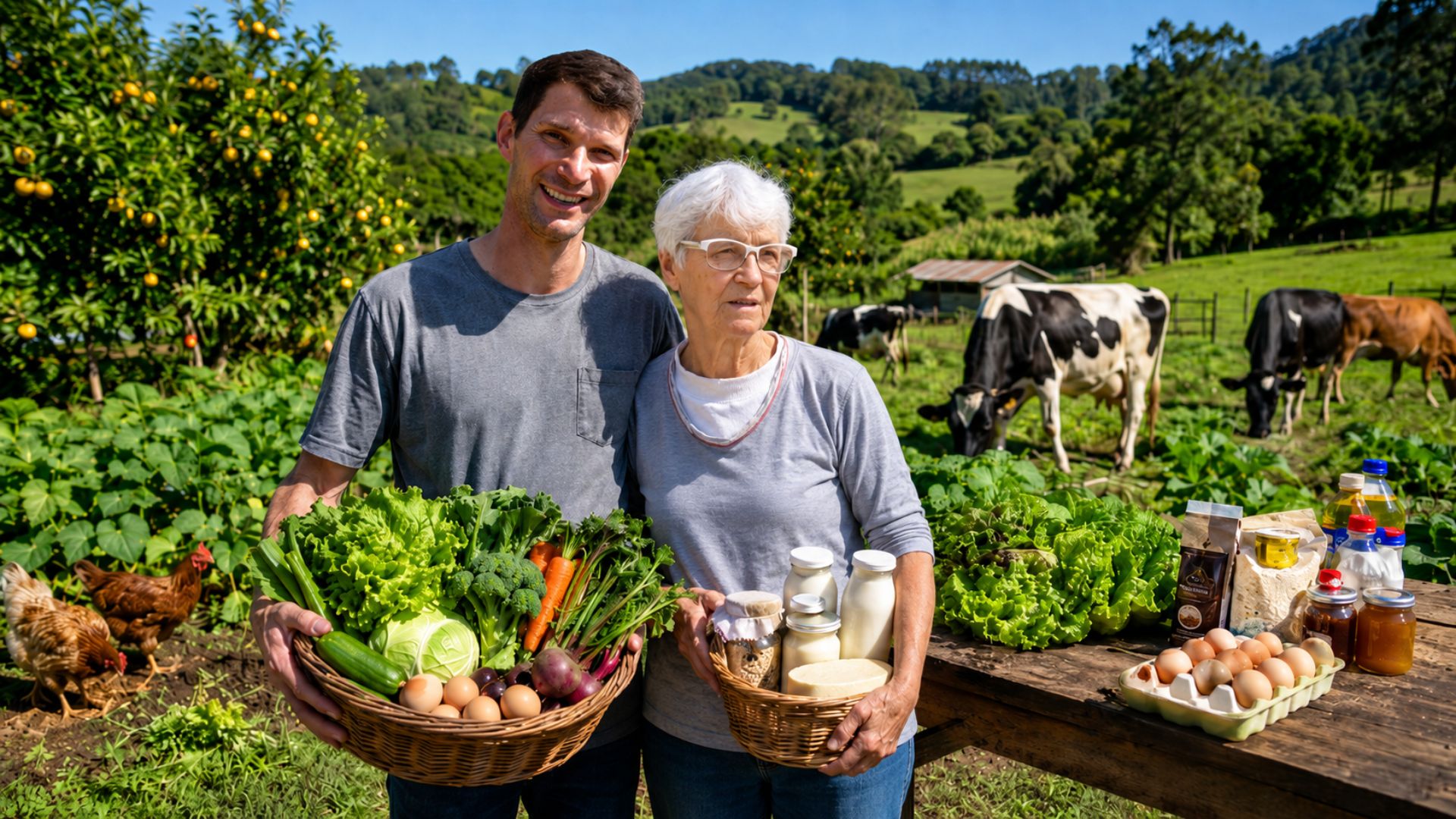
While almost everyone depends on the supermarket, Ângelo, 36, and his aunt Inês, 75, go to the market only to buy salt, coffee, and cleaning products; everything else comes from their own land in Casca, Rio Grande do Sul.

-
Family trades chayote for 100,000 chickens, abandons agricultural tradition after decades, and transforms property in the interior of SP into a reference for demanding exports like those to China and other global markets.
-
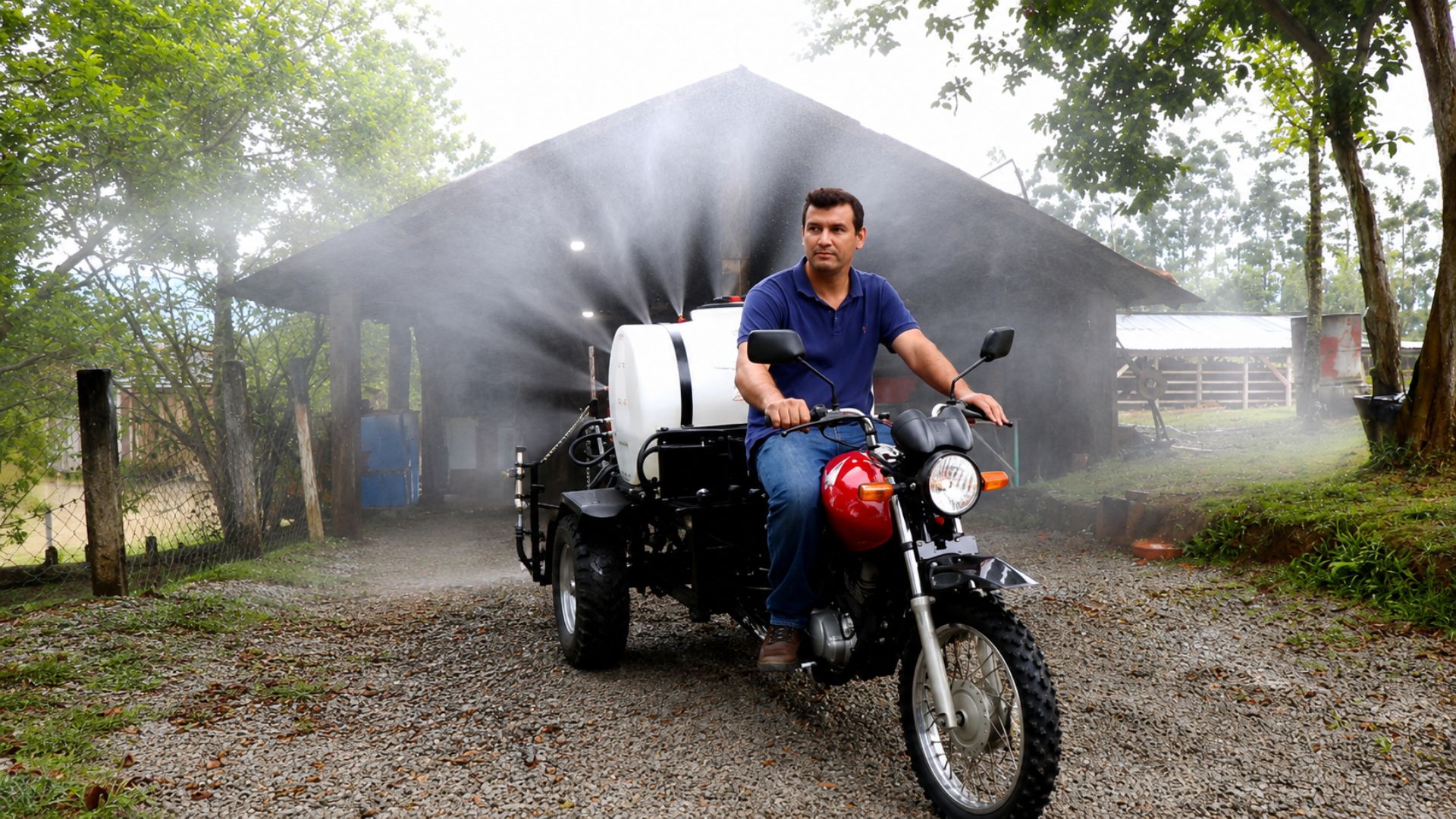
Without money for a tractor or Tobata, a farmer from Presidente Getúlio bought an old motorcycle from an auction and created an agricultural tricycle that carries up to 900 kg of fertilizer in the field; in five years, he has already sold eight to neighbors.
-
A single tank in the lake of a plant yields 90,000 kilos of tilapia every six months, and the company wants to multiply this by 500 to take Mato Grosso do Sul from 11th place to the top in the country.


Agricultural knowledge was accumulated and passed down through generations, creating a culture deeply connected to the cultivation of rice and wheat.

Over time, this traditional model was reinforced by increasingly complex infrastructure. Today, the region combines ancient agricultural practices with modern hydraulic engineering, large dams, canal networks, deep tubular wells, and mechanized irrigation systems that allow for two or three crops a year in many areas.
Colossal Harvests Of Rice And Wheat
The Indo-Gangetic Plain is responsible for a gigantic share of food production in South Asia. Only India and Pakistan rank among the world’s largest producers of rice and wheat, and a large portion of this volume comes directly from this region.
Rice dominates the wetter areas subject to monsoons, while wheat occupies extensive cultivated stretches during the winter, after the retreat of the rains.
Together, these two crops form the daily food base for hundreds of millions of people. It is estimated that the combined annual production of the region is enough to feed over 1 billion people every year, considering direct consumption, strategic reserves, and exports.
It’s not just about volume but also consistency. The predictability of harvests is essential to keep prices relatively stable and avoid food crises in extremely populous countries.
Millennia-Old Irrigation Paired With Modern Engineering
One of the great differentiators of the Indo-Gangetic Plain is water. In addition to the main rivers, the region houses one of the largest underground aquifers in the world, intensively exploited by millions of agricultural wells. This water reserve allows for irrigation even during dry periods, ensuring high productivity throughout the year.
From the so-called Green Revolution in the second half of the 20th century, the use of improved seeds, fertilizers, pesticides, and mechanization radically transformed the agricultural performance of the region.
Tractors, harvesters, electric pumping systems, and agronomic planning began to coexist with traditional methods, creating one of the most intensive agricultural systems ever seen.
This advancement was decisive in preventing major famines in countries like India and Pakistan during the rapid population growth of the 20th century.
Direct Impact On Global Food Security
What happens in the Indo-Gangetic Plain does not only affect South Asia. Fluctuations in rice and wheat production in this region reverberate in international markets, influencing global grain prices and directly affecting food-importing countries.
In years of good harvests, the surplus helps supply external markets and reinforce global stocks. In years of adverse weather, such as prolonged droughts or irregular monsoons, the whole world feels the impact, whether through export restrictions or rising prices of basic foods.
Therefore, the Indo-Gangetic Plain is frequently cited by international organizations as one of the pillars of global food security, alongside regions such as the Corn Belt in the United States and the large producing areas of Eastern Europe.
Environmental Challenges And Limits Of The Current Model
Despite its impressive productivity, the agricultural model of the Indo-Gangetic Plain faces increasing challenges. The intense exploitation of the underground aquifer has caused declines in water levels in various areas, increasing pumping costs and raising concerns about long-term sustainability.
The excessive use of fertilizers and pesticides also pressures soils and waterways, while climate change brings greater unpredictability to the monsoons, a key element of the regional production system. Extreme heat waves, sudden floods, and variations in rainfall patterns are already starting to affect the traditional agricultural calendar.
These factors raise the need to modernize practices, invest in water efficiency, soil management, and climate adaptation, without compromising the ability to feed gigantic populations.
A Vital Gear For The Future Of Humanity
The Indo-Gangetic Plain is not just a large agricultural area; it functions as an essential gear in the global food system.
Millions of small producers, large agricultural properties, irrigation networks, research centers, and public policies converge to keep this machine running year after year.
As the world discusses how to feed a growing global population amid climate change, the experience of the Indo-Gangetic Plain shows both the potential and the limits of agriculture on an extreme scale.
The balance between productivity, environmental preservation, and food security will be crucial for this region to continue fulfilling its role of feeding over 1 billion people per year and, indirectly, sustaining the food stability of the planet.





What is not mentioned is the legacy of the former British Empire, the largest gravity fed canal irrigation network in the world that is still functional to this day physically and administratively.
Man has been creating the know how to feed itself. From ancient times they have tried to sustain their lives and families. It’s not a conversation with the history of Man to always operate in times of future prospects for the people.
Imagine if we. Followed the Bible and stockpiled 7years of grains for famines it means that you need to reduce mouths by many. And not we see famines last year forest fires produced double CO2 emmissions and ever increasing forest development means less rain and greater droughts