Portuguese
  Spanish


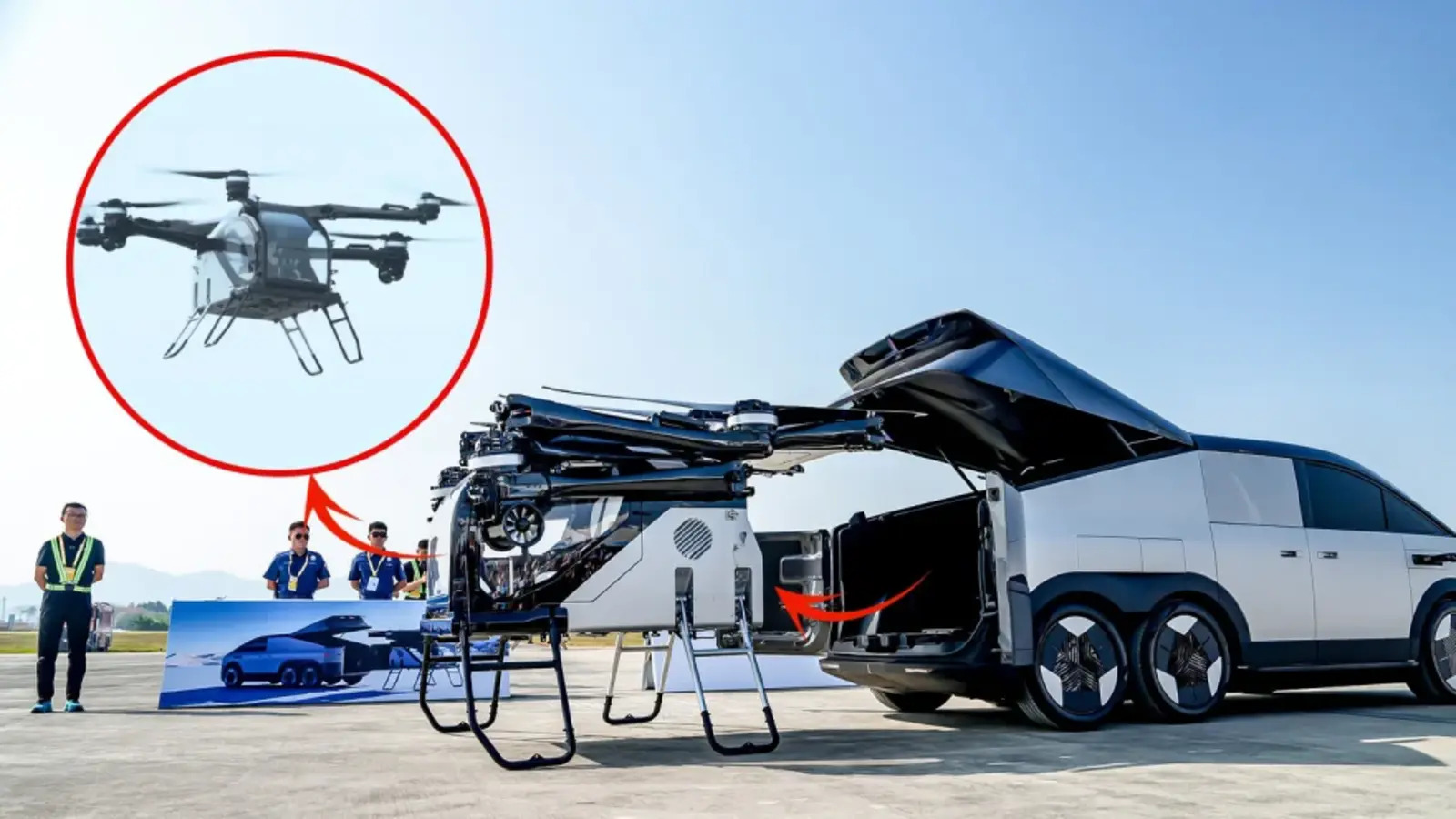

The first mass production factory of flying cars began operations in Guangzhou, China, with a 120,000 m² facility by Aridge, formerly XPeng AeroHT. The unit has already produced the first Land Aircraft Carrier, a six-wheeled vehicle with a detachable aerial module, nearly 5,000 orders, and deliveries expected to start in 2026. This article includes data from Cnevpost.
Factory in Guangzhou marks new stage for the flying car
The main advancement announced by Aridge is not just in the vehicle, but in the attempt to bring the concept of a flying car to an industrial-scale production line. The company belongs to the XPeng group and operates in the aerial mobility sector.
The factory installed in Guangzhou was designed to produce the Land Aircraft Carrier, a modular model that combines a robust land vehicle and an electric vertical takeoff and landing aircraft, known as eVTOL.
-
Sales of Brazil’s Cheapest Electric Car Halted Before First Deliveries: E-Motors Suspends Emova Easy Due to Import Tax Increase and Rising Freight Costs

-
Nissan Discontinues Qashqai SUV Amid Cost-Cutting, Chinese Competition, and Product Line Review

-
BYD Patents Revolutionary System Using Computer Vision to Detect Animals Under Cars Before Starting, Preventing Tragedies

-
Study Reveals Why Cars Are More Expensive to Produce and Buy in Brazil Compared to Mexico, Highlighting Taxes, Logistics, and Industrial Costs as Key Factors.




According to the disclosed information, the first unit has already rolled off the assembly line. The plant covers about 120,000 m² and is organized into five large areas, aiming to bring aircraft manufacturing standards closer to the industrial pace of the automotive sector.
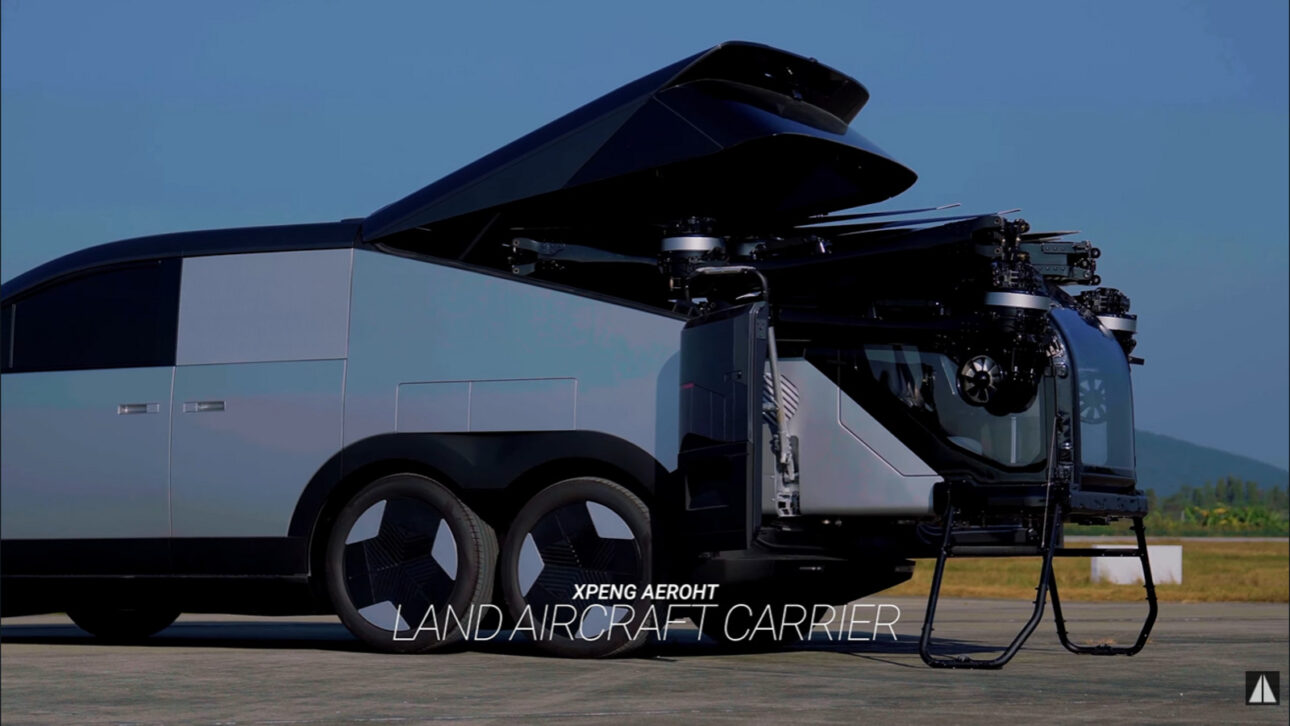
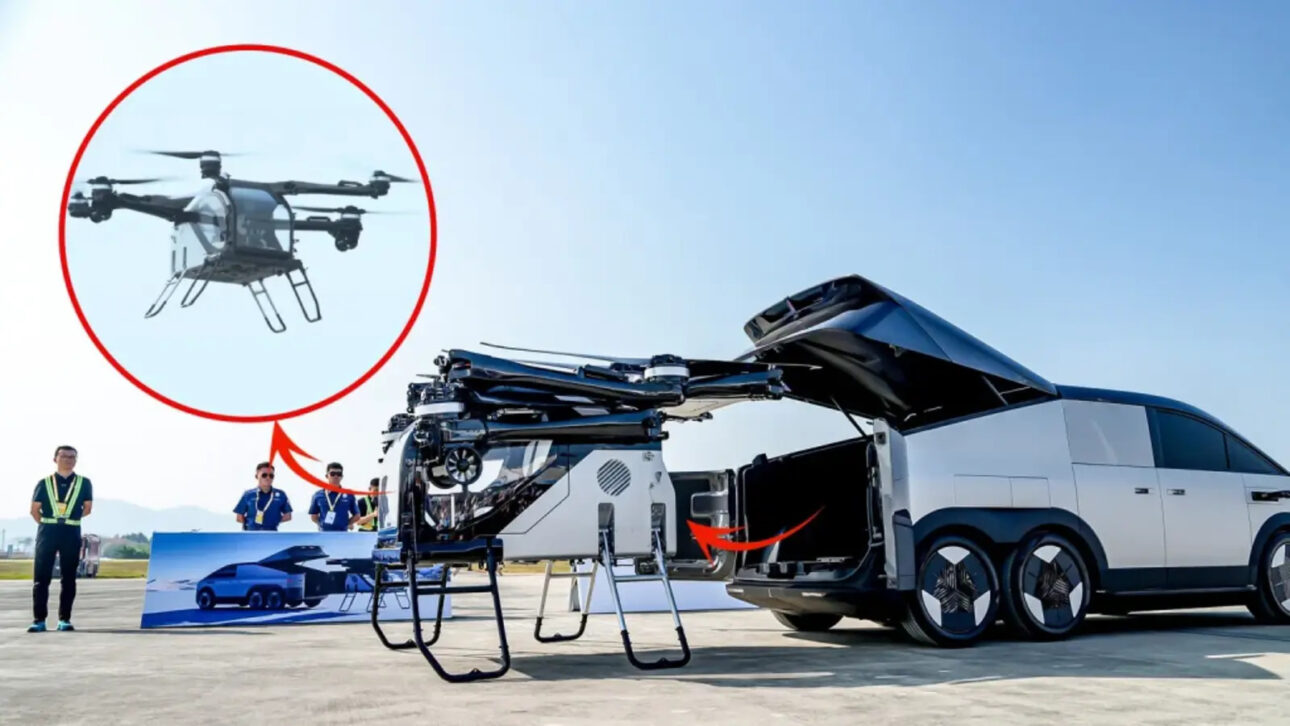
Land Aircraft Carrier separates land vehicle and aerial module
The Land Aircraft Carrier follows a different logic from the traditional image of a car with wings. The system is divided into two modules: the terrestrial “mothership” and the detachable aerial module.
The land part is a three-axle, six-wheel vehicle, 5.5 meters long, with all-wheel drive and active rear-wheel steering. Despite its size, the model was described as being able to fit in a conventional parking space.
This module uses a hybrid system capable of recharging the electric aircraft several times during the journey. The combined range reported for the set is over 1,000 km.
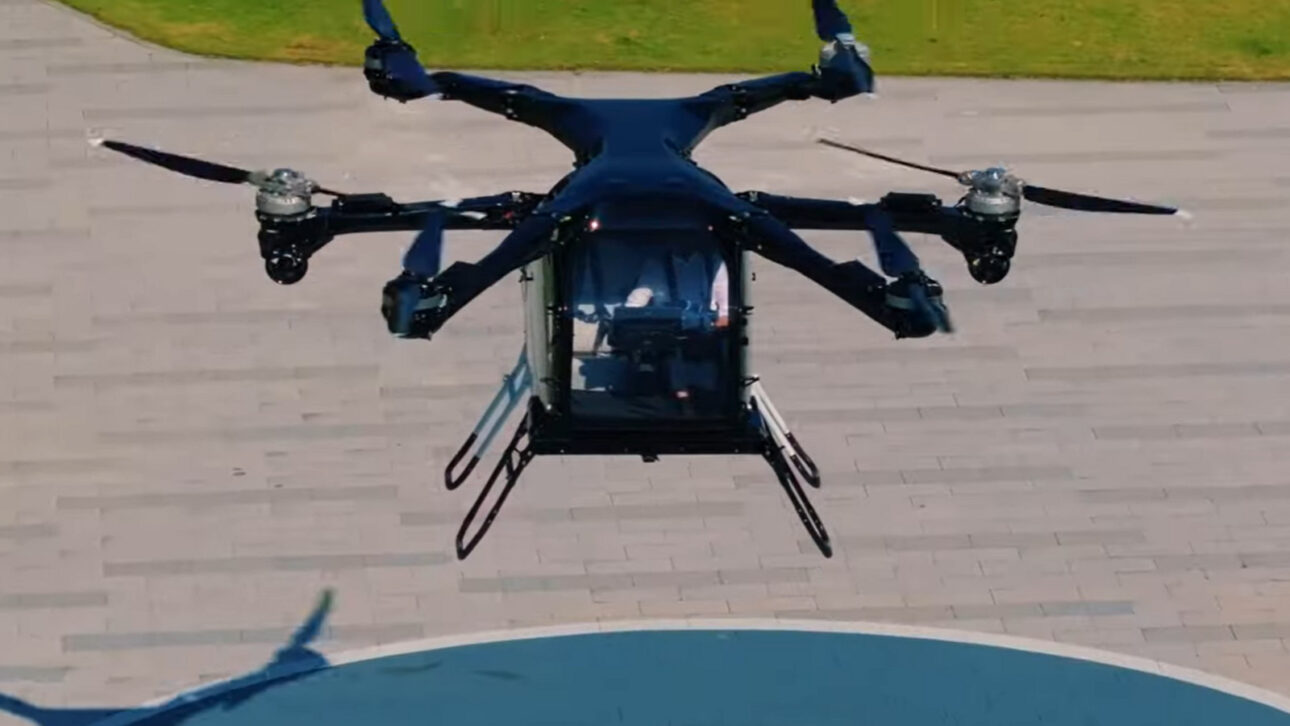
The aerial module is an electric eVTOL aircraft with six rotors and a carbon fiber fuselage. It exits from the rear of the land vehicle and can take off without a runway, supporting autonomous or manual flight, controlled by a single joystick.
Factory production plans for 10,000 units per year
According to data released by Cnevpost, the factory was planned with a capacity for 10,000 units per year, starting with 5,000. When the line is in full operation, the forecast is for one vehicle every 30 minutes.
Another relevant data is the internal production of carbon fiber components. The reported goal is 300 tons annually, a volume that places the plant among the largest units of this type aimed at aviation in the world, according to the consulted material.
The operation also includes photovoltaic energy and digital energy management. These elements are part of the industrial structure described to support the model’s manufacturing in Guangzhou.
The initial demand is already reflected in the company’s numbers. The Land Aircraft Carrier has accumulated almost 5,000 orders since its launch.
Deliveries are scheduled for 2026, and the price estimated by the press is around R$ 1.6 million.
“With thousands of orders, we are definitely at the forefront of the advanced mobility revolution,” said Tan Wang, co-founder of the company.
Regulation is still a decisive step
Despite the factory being operational and the first unit produced, the everyday circulation of a flying car in an urban environment still depends on regulatory approval.
The vehicle registered in China for a type certificate application, a step considered critical for aeronautical approval. The model has also already performed a public demonstration of manned flight.
The point still under construction is the set of rules for low-altitude air traffic. In the base material, this range is described between 100 and 1,000 meters, an area that China has decided to transform into a priority economic sector.
The Chinese strategy combines factory, physical infrastructure, digital structure, and regulation in development.
With this, the country attempts to organize the so-called low-altitude economy while technology advances to an industrial scale.
The global competition also includes Brazilian participation through Embraer, with Eve Air Mobility. The company’s focus, however, is on eVTOLs for urban routes, while the Chinese model bets on the combination between a terrestrial vehicle and a detachable aircraft.
This article was prepared based on information from the provided base material, with data, numbers, and statements preserved as per the consulted material.