Portuguese
  Spanish


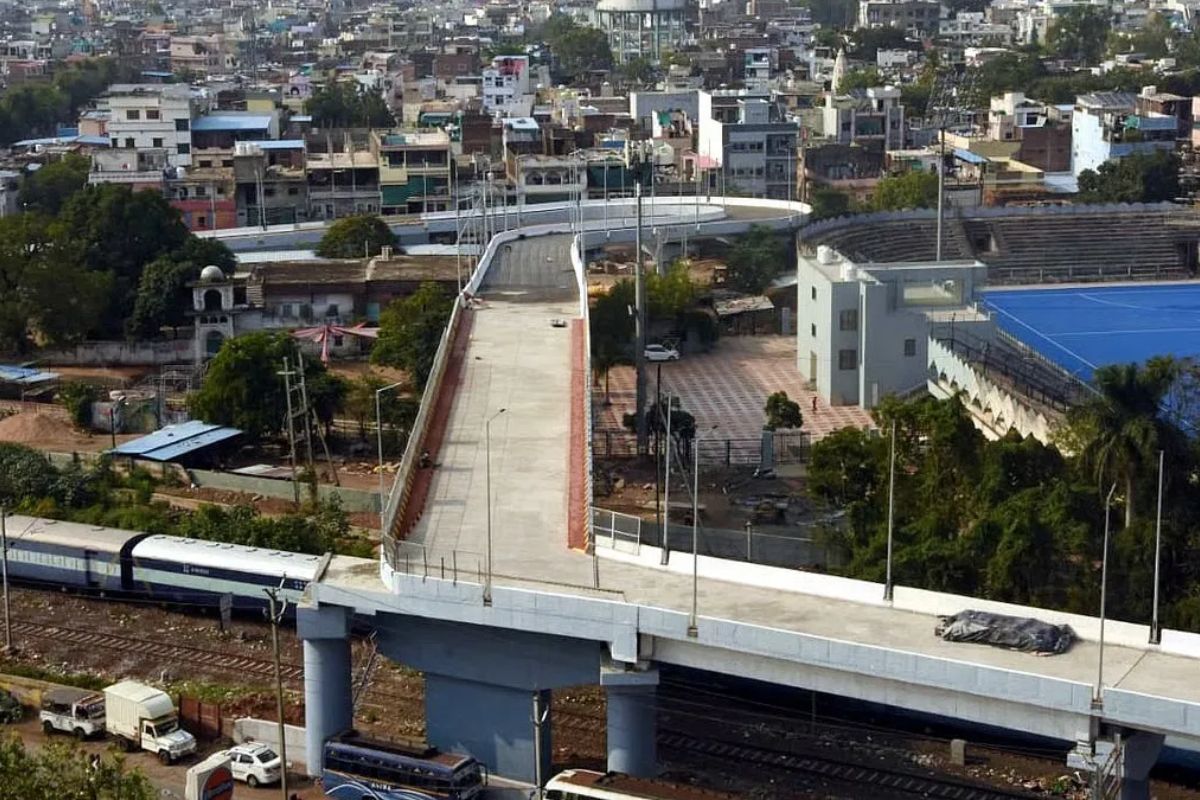

Built in Bhopal, India, the structure that was supposed to solve traffic became an example of planning failure and went viral on the internet.
According to a report published by the ND Mais portal, an engineering project in the city of Bhopal, the capital of Madhya Pradesh state in India, became a viral phenomenon for anything but flattering reasons. A bridge that cost the equivalent of US$ 2.4 million was built with an extremely steep curve, turning what should have been a mobility solution into a dangerous 90-degree bridge.
The project, which aimed to optimize vehicle flow and benefit approximately 300,000 people daily, ended up becoming a monument to planning failure. The negative backlash was immediate, leading to the suspension of engineers and placing the project under investigation, while the internet turned it into a joke.
The Calculation Error That Generated a Dangerous Monument
The main problem with the project is its geometry. The abrupt 90-degree curve in the middle of the route poses a significant risk to driver safety, making the crossing dangerous and inefficient. Instead of easing traffic, the structure became a point of concern and danger.
-
Innovative Project Demonstrates How to Build a Modular, Eco-Friendly Cabin Using Recycled Timber Logs

-
Transform Your Bathroom with Paint, Mirrors, LED Lighting, and Accessories for a Quick, Cost-Effective Makeover
-
Couple Converts 1925 Detroit Bank into Home, Earns $40,000 Annually on Airbnb

-
Tired of Seeing People Sleep in the Cold, London, Canada Opens First Modular Shelter for Homeless with 60 Cabins, Heating, Meals, and Dog Area




The case quickly transcended the borders of India, being used as a negative case study in engineering forums and courses around the world about how inadequate planning can result in public money waste and risks to the population.
Why Does the Bridge Have a 90-Degree Turn?
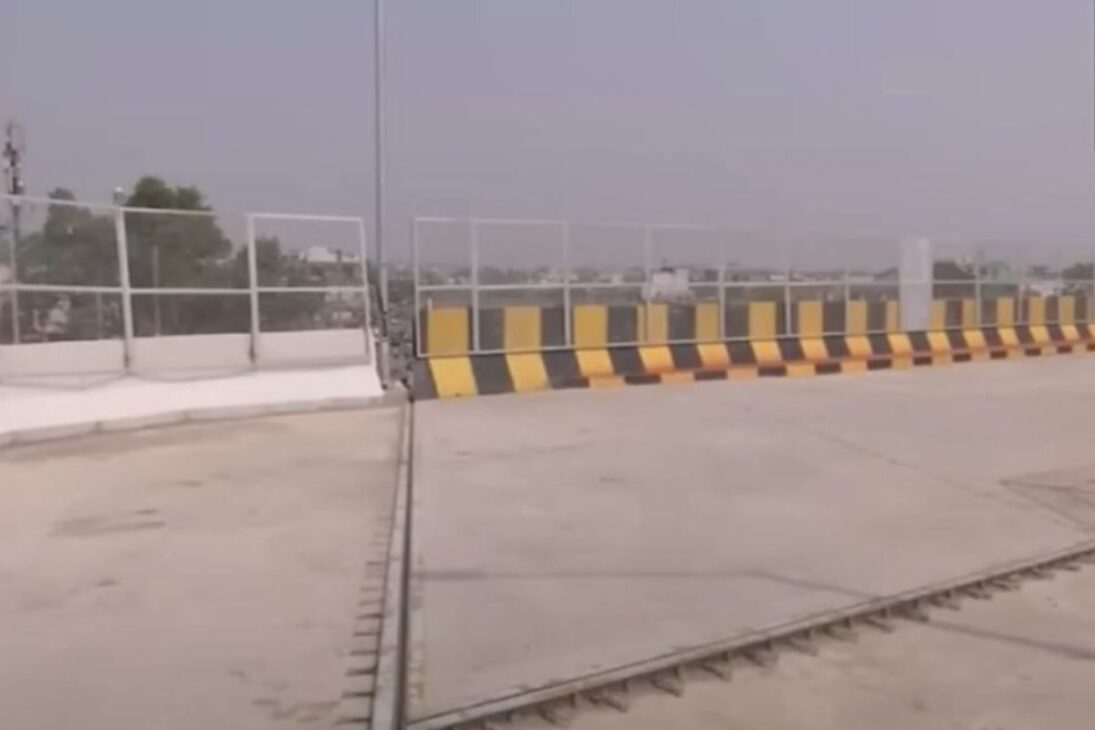
When questioned about the grotesque failure in the project, the chief engineer responsible for the work offered a justification. According to him, the construction of the 90-degree bridge was a “mandatory” measure. The presence of a nearby metro station and the lack of space for a straight alignment reportedly forced the team to adopt this unusual solution.
However, the explanation was not deemed sufficient to quell the wave of criticism, as the solution found compromised the functionality and safety of the structure, the main objectives of a roadway project.
Suspended Engineers and Investigation
The negative fallout from the case led to immediate administrative actions. Seven engineers directly linked to the project were suspended from their duties while the responsibilities for the design failure are being investigated.
In addition to the suspension of the professionals, the construction company responsible for executing the bridge has been placed under investigation. The goal is to determine the causes of the error and identify who will bear the costs and future corrections needed for the structure.
The Future of the 90-Degree Bridge: A Redesign Under Consideration
In light of the impasse and evident risks, the local government of Bhopal is now studying a solution to correct the problem. The main possibility under review is the acquisition of adjacent lands to enable a complete redesign of the bridge.
The idea is to demolish the problematic section and implement a smoother and safer curve that truly meets the needs of vehicle traffic. In the meantime, the 90-degree bridge remains a reminder of the impacts that poor planning can cause.
How the Project Became a Meme
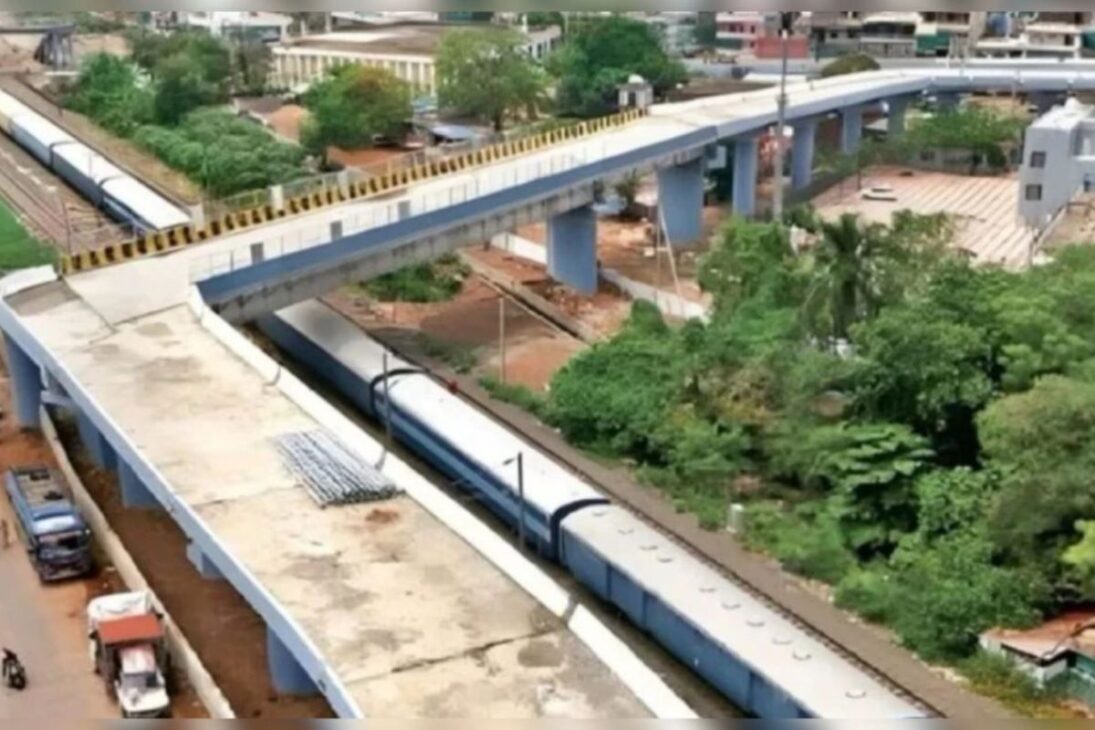
The image of the bridge with its bizarre curve quickly spread across social media worldwide, generating a plethora of memes and sarcastic comments. The structure became a symbol of poorly executed design and a classic example of how engineering can go wrong when planning is not treated with the necessary rigor.