






 Portuguese
  Spanish
 5 min of reading
  0 comments


Lages (SC) Became A Logistics Powerhouse In The South With A Dry Port, Access To Three States, And A Base For Giants Like BRF And Ambev. Understand How The City Transitioned From Livestock To An Export And Distribution Hub.
In the heart of Serra Catarinense, a city historically associated with livestock and the timber industry is undergoing a silent — yet profound — transformation. With a strategic location, multimodal infrastructure, and industrial growth driven by logistical intelligence, Lages (SC) is establishing itself as a logistics powerhouse in Southern Brazil, serving as a base for giants like BRF and Ambev and attracting new investments in transportation, storage, and export.
This economic turnaround, driven by strategic infrastructure and diversification decisions, makes Lages much more than a mountain city. It positions itself as a logistical hub between the states of Santa Catarina, Paraná, and Rio Grande do Sul, and as a key component in the gears that sustain part of Brazil’s agro-industrial exports.
A Privileged Territory For Circulating Wealth
What makes Lages so logistically attractive starts with its strategic geographic position. Located at the junction of the BR-282, which crosses the state from east to west, the city is on the axis connecting the agribusiness of Western Santa Catarina to the export coastline, passing through hubs like Chapecó, Joaçaba, Curitibanos, and reaching Florianópolis and the Port of Itajaí.
-
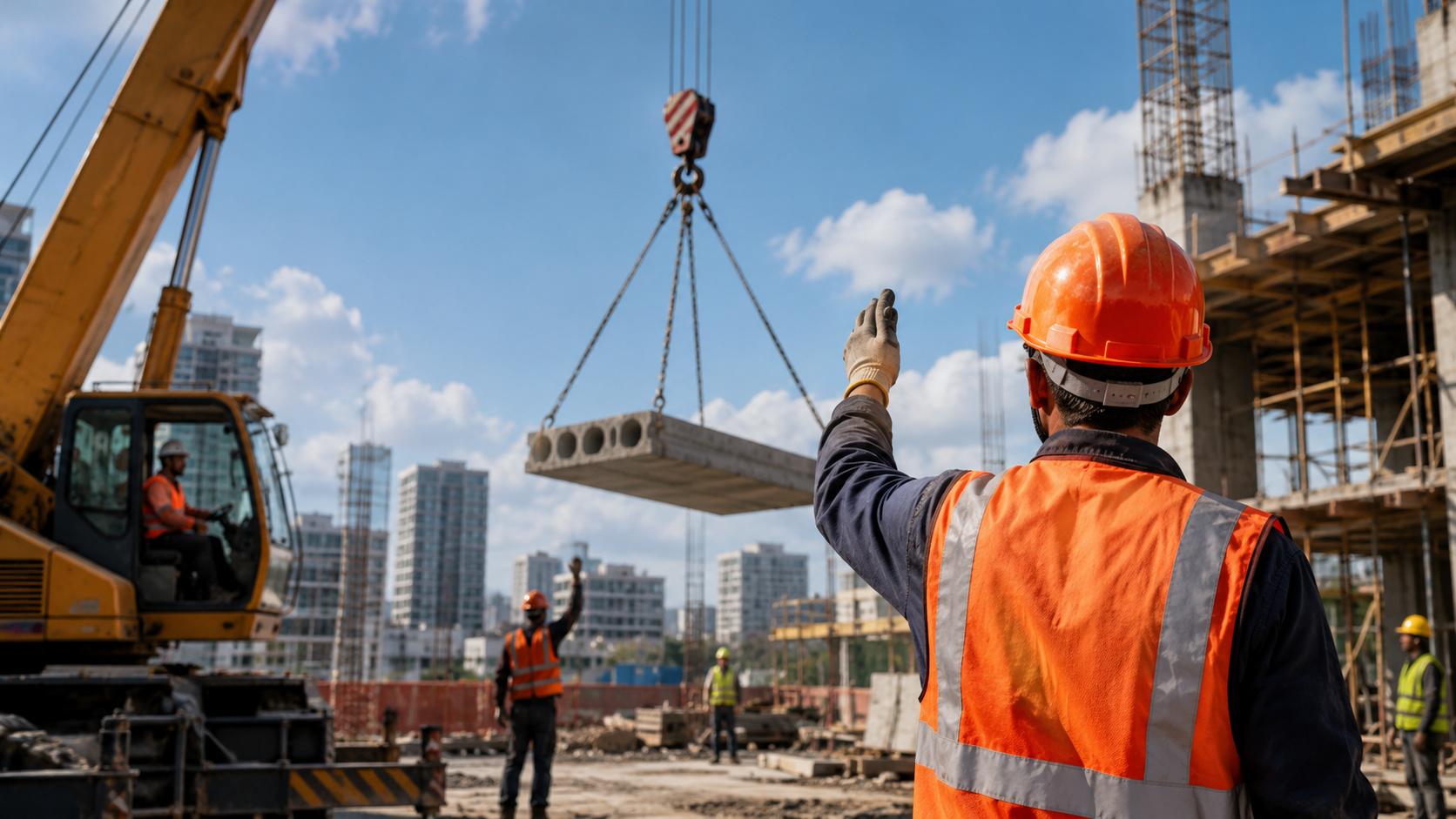
Why can the crane operator only obey the correct signalman on the construction site: among dozens of workers, a hand raised by the wrong person can confuse the maneuver and turn a load of tons into an immediate risk.

-
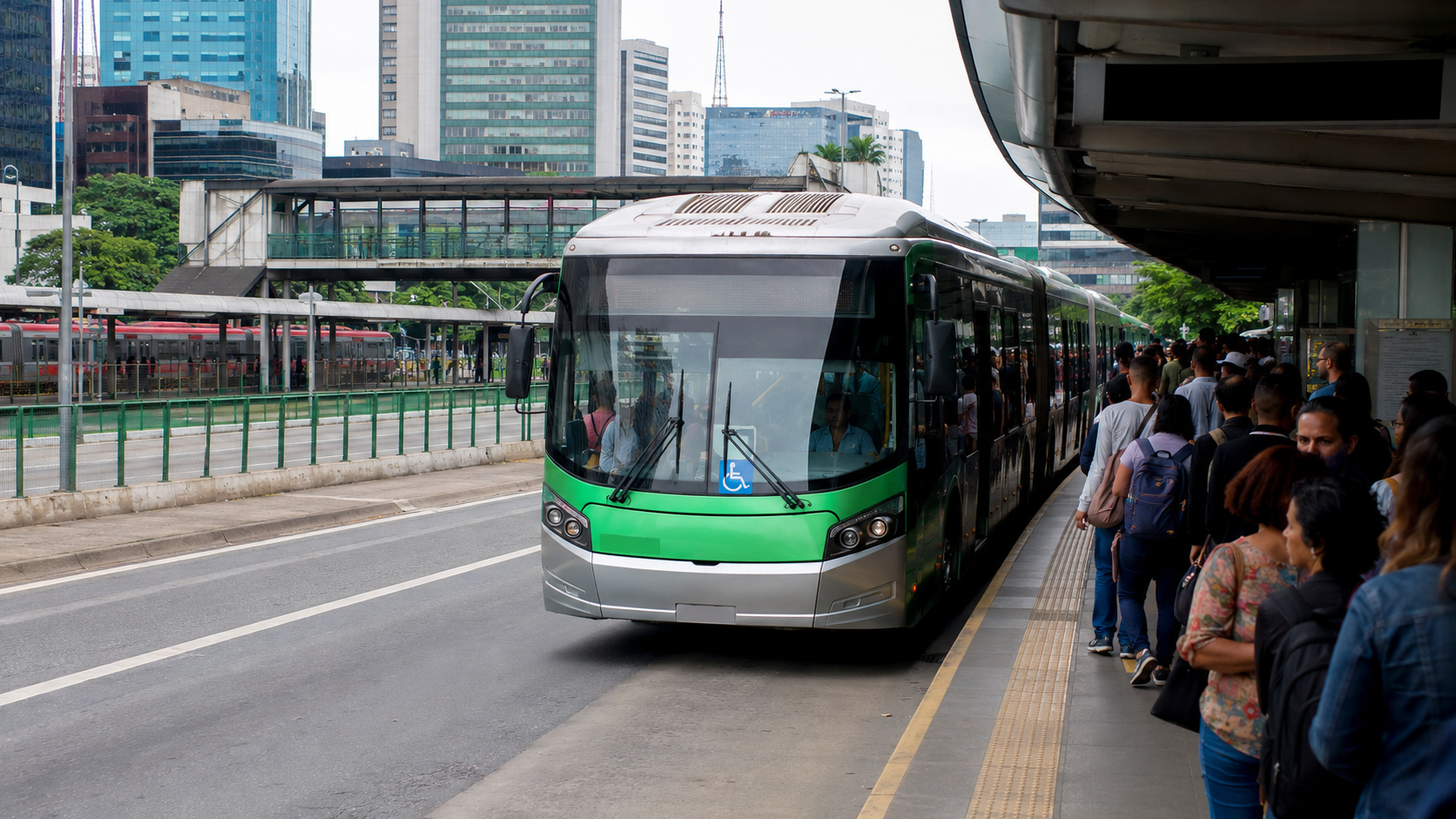
What changes with the new public transportation rules that can reduce pressure on fares and pave the way for zero fare in Brazil?
-
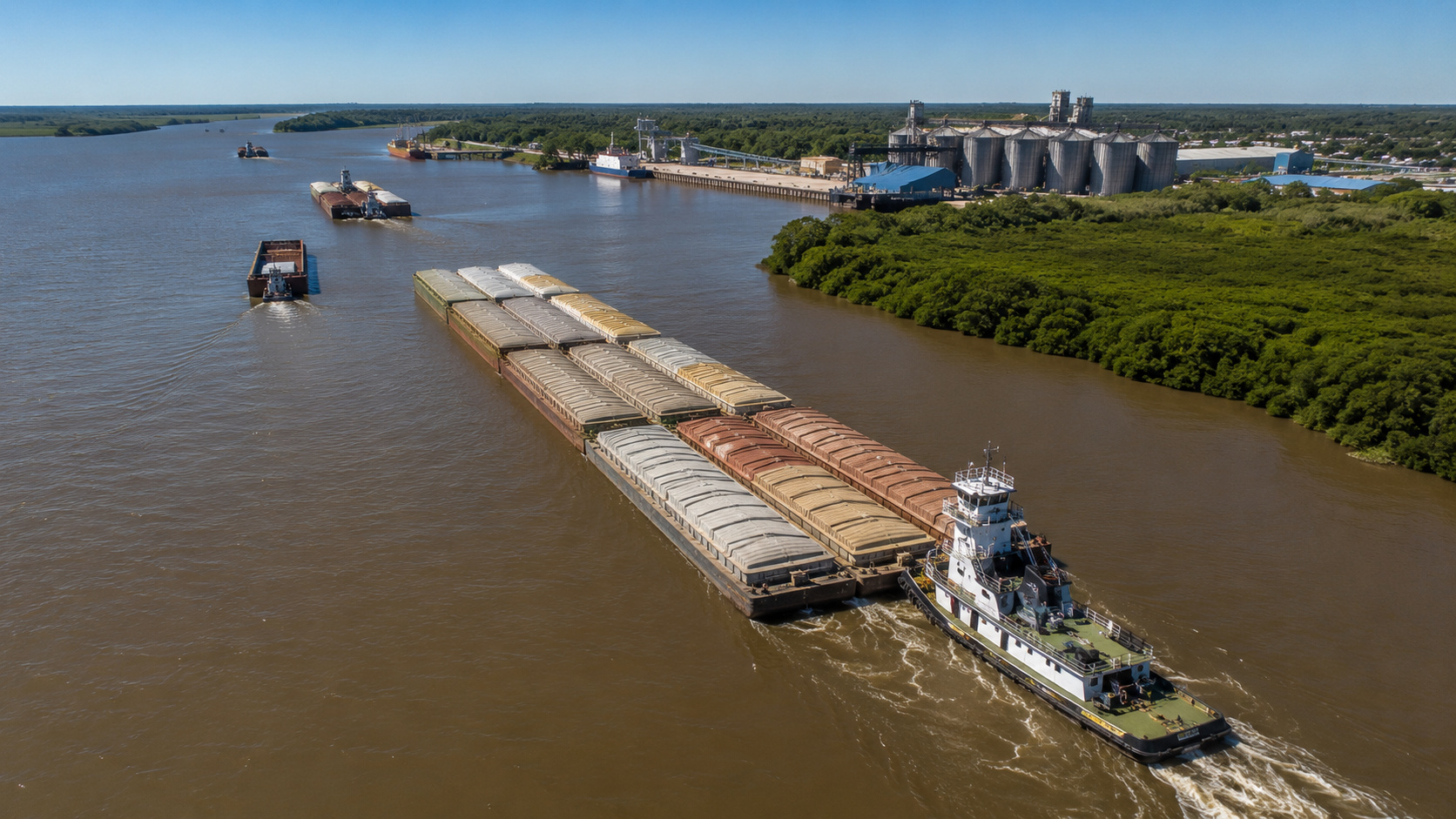
Argentina confirms Belgian giant to lead strategic Paraná River waterway and promises to reduce logistical costs on one of South America’s most important routes
-
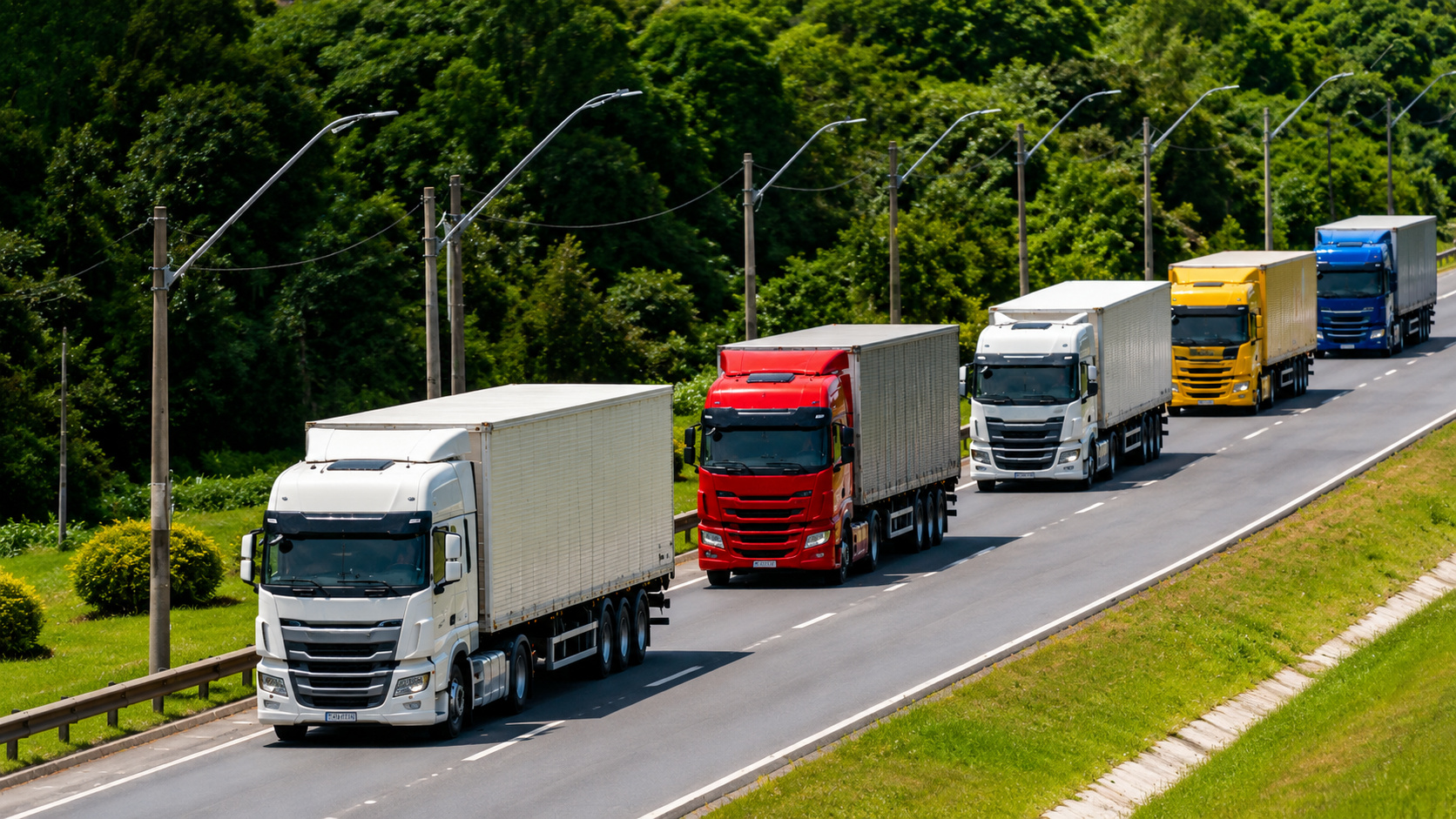
MBRF surprises the logistics sector by demonstrating how Artificial Intelligence can directly influence deliveries throughout Brazil by reorganizing distribution routes in seconds, optimizing fleet usage, reducing logistics costs, and speeding up product arrivals even in the face of unforeseen road incidents.
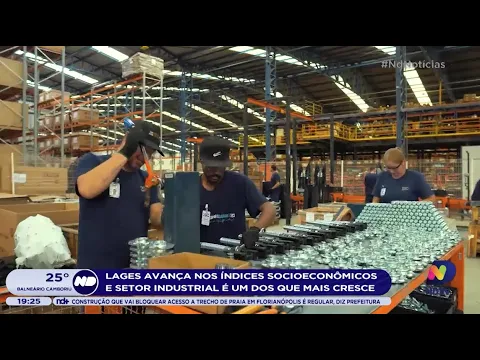

Additionally, its proximity to Rio Grande do Sul and quick link to Paraná allow products and supplies to circulate between three states in just a few hours, reinforcing the city’s role as a regional distribution hub. The mountains, once viewed as an obstacle, have become an advantage: they protect Lages from major floods on the coast and concentrate logistical infrastructure away from the urban chaos of metropolises.
Dry Port: A Competitive Differential Ignored By Many
Few people know, but Lages is one of the few cities in Southern Brazil with a bonded dry port. The Interior Customs Station (EADI) allows goods to be imported and exported directly from the city, without the need to physically go through maritime ports for customs clearance.
This is one of the most important assets of the new Lages: companies can move containers and international cargo directly from the municipality, with agility, lower logistics costs, and full control of the production flow.

This structure attracts distributors, food industries, agro-industries, and logistics operators seeking efficiency without sacrificing scale. The presence of the EADI also reinforces the confidence of multinational groups in establishing complex operations in the city — particularly BRF and Ambev, which have made Lages one of their key locations in the South.
Base of BRF and Ambev: High-Performance Logistics
BRF, one of the world’s largest exporters of animal protein, has one of its oldest and most important operations in Lages. The city’s plant integrates production, storage, and logistics focused on markets in Europe, the Middle East, and Latin America. The presence of the EADI and the road infrastructure allow refrigerated containers to quickly head to Santa Catarina’s ports, such as Navegantes and Itajaí, maintaining export competitiveness.
Ambev also operates in Lages with a focus on regional distribution. The local plant acts as a logistics center to supply part of the neighboring states, taking advantage of the interconnected road network and the region’s lower operational costs. The location allows for speed in transportation and less dependence on saturated centers, such as Joinville or Porto Alegre.
These two companies are just the visible tip of an expanding logistics ecosystem, which already includes distribution centers, major transport companies, industrial warehouses, and export cooperatives.
From Timber Town To The Capital Of Logistics Connectivity
For a long time, Lages’ economy was marked by timber extraction, extensive livestock farming, and a small industry. This profile began to change with public policies aimed at diversification and infrastructure. In the last 15 years, the city has undergone a reindustrialization process focused on agro-industry, technology, and integrated logistics.
The municipality invested in planned industrial zones, with paved access and tax incentives for new enterprises. At the same time, it sought partnerships with universities and SENAI to qualify the workforce in areas such as logistics, production engineering, industrial maintenance, and foreign trade.
Urban requalification and road planning have also contributed. Today, Lages has ring roads, alternative routes for drainage, and infrastructure for heavy truck traffic, which facilitate the operation of warehouses and cross-docking centers.
The Role Of Railways And Plans For The Future
Although road transport is still predominant, the rail network crossing the Southern Plateau is seen as a strategic asset for the coming years. There are plans to revitalize railway sections connecting Lages to the Port of São Francisco do Sul, via Mafra, focused on transporting grains, processed wood, and ores.
If realized, this project will enhance the city’s logistical competitiveness, allowing for the use of integrated modes (road-rail-maritime) and attracting new investors from the export chain.
Moreover, Lages has been articulating to become part of lithium and fertilizer transport routes, which are being drawn to serve the agribusiness of the Midwest and Western Santa Catarina. The dry port and the geographic position give the city the potential to act as a logistics center for strategic minerals and agricultural inputs, two of the most promising sectors of the new global economy.
Quality of Life And Safety To Attract Talent – Lages SC
Another factor little explored in the logistical narrative is the urban environment of the city. Lages combines a lower cost of living than capitals, satisfactory urban infrastructure, a good health network, and a mild climate — characteristics that attract families and technical talent to live and work in the region.
This human differential has been leveraged by companies seeking to escape the stress of large centers, yet still needing skilled labor and connectivity with airports and ports.




Be the first to react!