Portuguese
  Spanish




Fruit of the Fourth Industrial Revolution, the Use of Technology in Civil Construction Can Elevate Productivity, Gains, and Competitiveness in the Sector.
Many expect that in 2021, the demand for civil construction will be resumed by the market and that by the end of 2021, we will have reversed the results of 2020 with gains and help from technology. The construction market did not stop completely, but we noticed a general setback in all sectors during this difficult period we have lived through.
Read Also
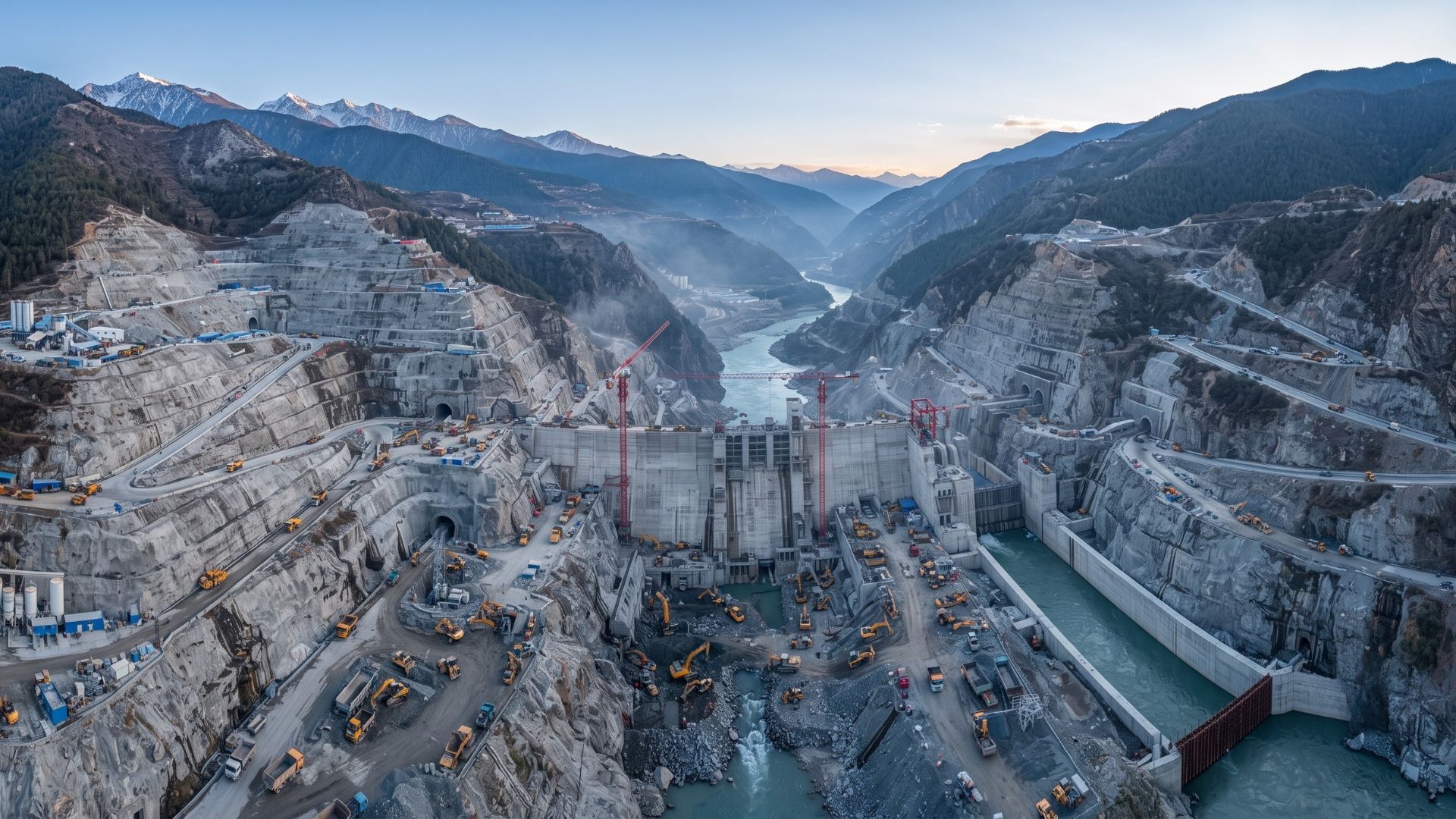
The Power of Technology in Civil Construction
Technology in construction can be defined as the study and application of techniques, methods, and tools used in the civil construction industry. As this segment belongs to the field of engineering, it is natural that it is significantly influenced by inventions and technological innovations to boost gains.
Indeed, these innovations have enabled and continue to generate progress in construction. In general, technological evolution occurs in response to the quest for greater productivity and profits – goals of industries across all sectors.
-
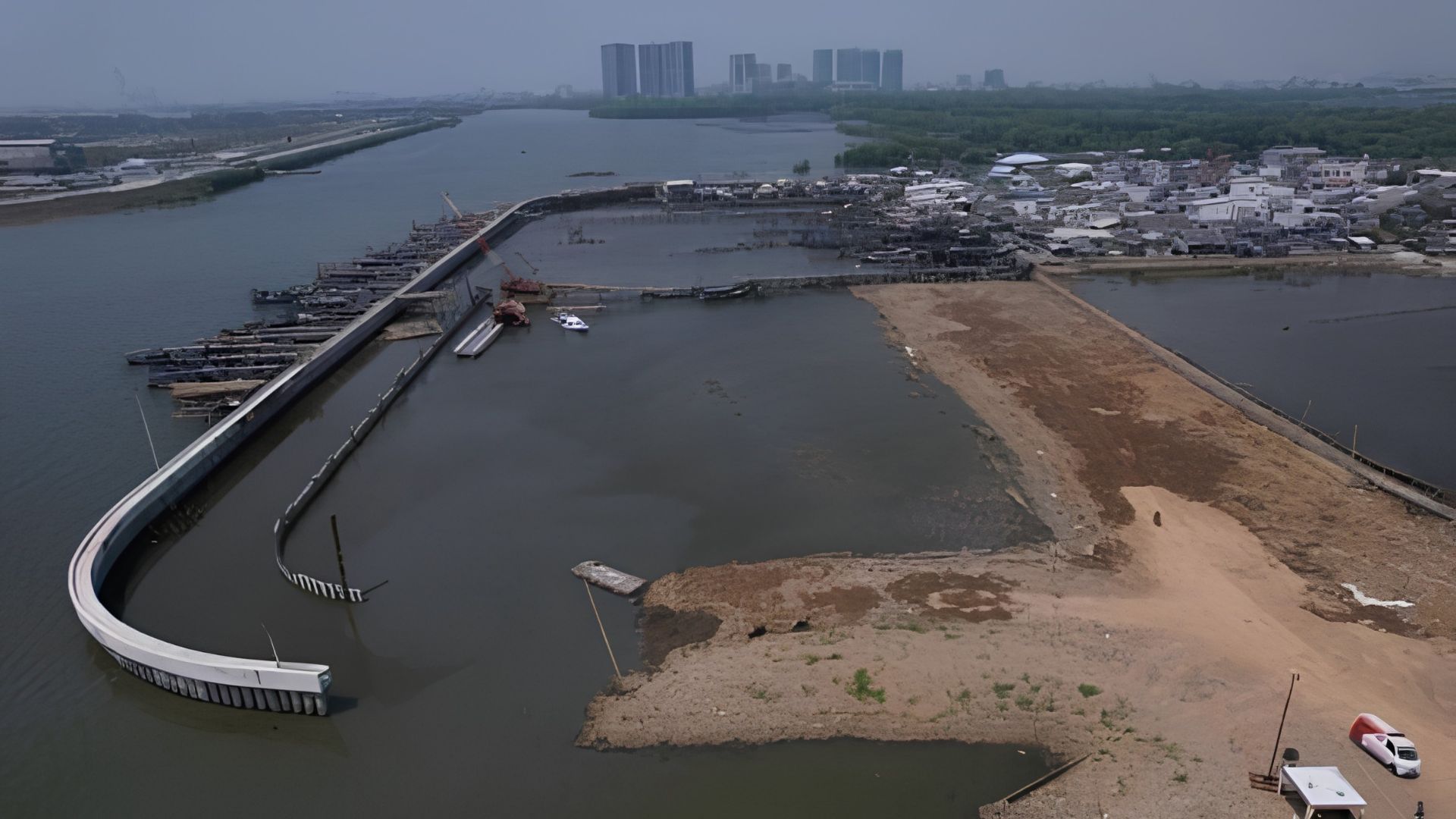
Indonesia to Build 700-Kilometer Sea Wall on Java Island, Investing $80 Billion to Combat Flooding and Erosion

-
Indonesia Plans to Build 5,000 Suspension Bridges by 2026 to Connect Rural Communities to Schools, Health Centers, and Markets

-
Self-assembling 200-ton tower crane climbs skyscrapers floor by floor using hydraulic jacks, dismantles itself without larger cranes.

-
U.S. Invests $75 Million in Projects to Extract Rare Earths, Gallium, Germanium, and Aluminum from Coal Waste



To achieve these goals and increase gains, many organizations invest in research and development, in addition to keeping themselves updated about the tools and new theories available in the market. This practice has been common since the emergence of these institutions but gained momentum with the era of globalization and, more recently, with the Fourth Industrial Revolution.
Responsible for the emergence of Industry 4.0, the Fourth Industrial Revolution is nothing more than the continuation of a process of technology improvement or, specifically, of machines.
Technology and the Increase in Gains
The use of technology is an essential factor for conferring efficiency to production activities in civil construction and increasing gains. In other words, technological innovations are important allies in reducing, or even eliminating, one of the sector’s biggest problems: waste.
The complexity and multidisciplinarity of projects in construction make it difficult to manage all types of resources – materials, human, financial – which can lead to great waste.
In addition to the more evident resources, time is another scarce item during the execution of projects, which tend to result in pressure on construction companies to deliver buildings within increasingly tight deadlines. Without support from technology, it becomes difficult to meet the goals, resulting in delivery delays, which are relatively common when it comes to civil construction.
According to studies, since the beginning of the 21st century, companies in this sector have been facing a moment of transition, evidenced by more demanding consumers, increased competition, and a lack of trust in organizations.
In this scenario, institutions need to prioritize the improvement of building quality, the rationalization (modernization) of processes, and innovation, which leads to the development of new products. Investing in technology is essential for these three aspects, as it enables the development and use of modern and innovative materials and processes.