






 Portuguese
  Spanish


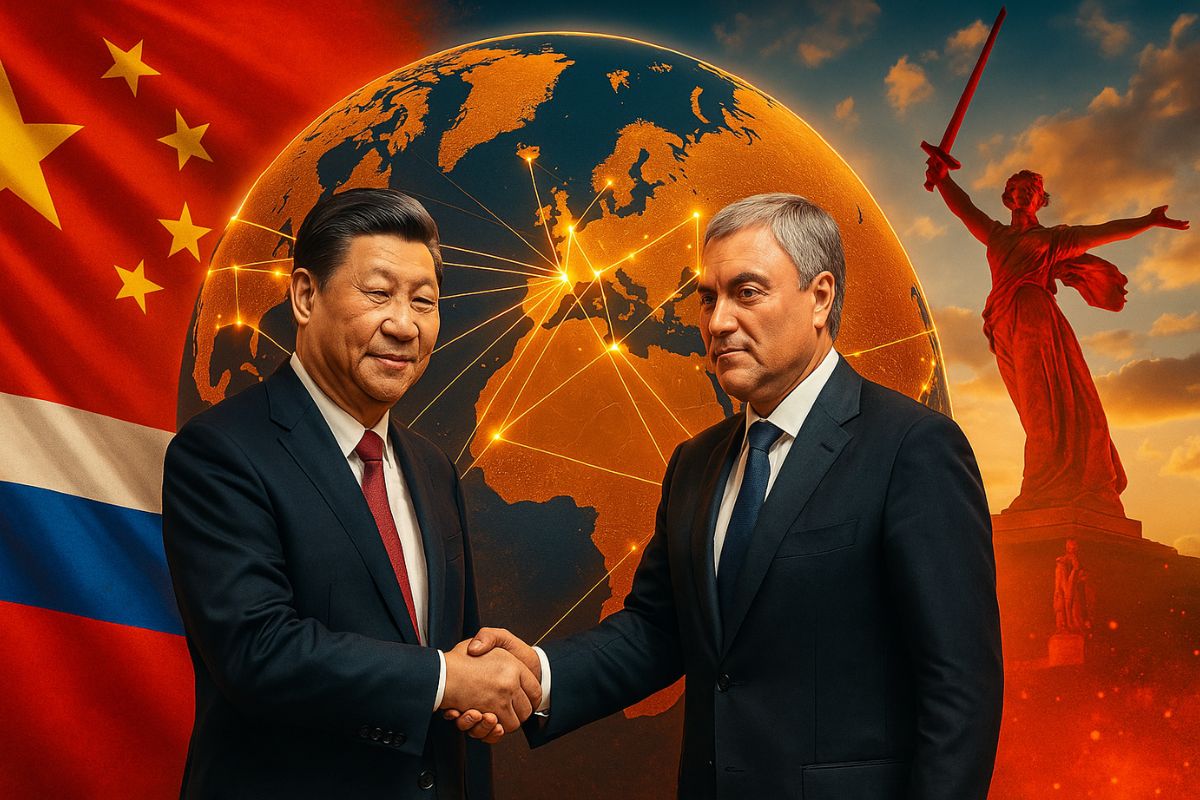


Meeting In Beijing Between Xi Jinping And Vyacheslav Volodin Symbolizes The Sino-Russian Alliance And Prepares The Ground For The Shanghai Cooperation Organization Summit, With More Than 20 Countries.
The recent meeting in Beijing was not just diplomatic: it was a public rehearsal for the consolidation of a new multipolar world order, led by China and Russia. By evoking the memory of World War II, Xi Jinping and Vyacheslav Volodin sought historical legitimacy to justify the central role they intend to assume in international balance.
According to analysts cited by Lena Petrova, the gesture is clear: Moscow and Beijing are no longer just acting as bilateral partners, but as the two pillars of a system that aims to reduce Western hegemony.
The Memory Of World War II As Political Legitimacy
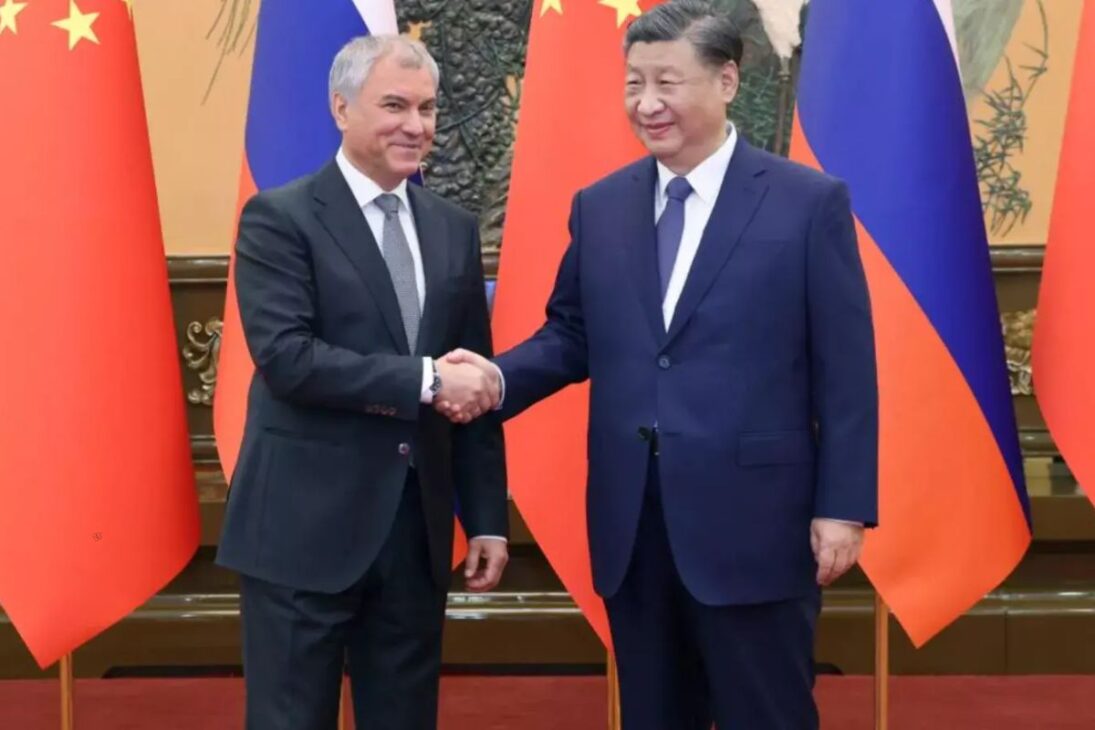
Xi Jinping stated that Sino-Russian relations are now “the most stable and strategically important in the world.” The speech referenced the past, when millions of Chinese and Soviets died to defeat fascism. By recovering this narrative, both governments seek to present themselves as legitimate defenders against what they call “Western revisionism.”
-
Couple Sold Their Home to Save Business, Now Run Platform Handling $180 Million Monthly and Managing Over 51 Million Listings

-
Brazil’s 2026 Tax Refund: Record 9.58 Million Filers in Largest Payout Ever, But a Key Detail on Priority Recipients Draws Nationwide Attention

-
Itaú Alters Hybrid Work Model, Increasing Office Days from 2028, Prompting Employees to Adjust to New Routine
-
Facing Labor Shortage, Japan Plans to Invest $34 Million to Attract Foreign Workers in Construction, Healthcare, Industry, and Commerce





Volodin reinforced the same line by declaring that China and Russia have fought side by side before and need to do so again, this time in defense of sovereignty and a balanced global order. This symbolic construction prepares the ground to expand the coalition in the international arena.
The Shanghai Cooperation Organization As A Showcase Of Multipolarity
The meeting also served as a preview of the Shanghai Cooperation Organization (SCO) Summit, scheduled for August 31 in China, which will bring together more than 20 countries and 10 international organizations, including India and Belarus.
For analysts, the message is not one of direct confrontation against the United States, but a search for alternatives to the exclusive dominance of the West in global institutions. Blocks like BRICS and SCO are presented as platforms for cooperation based on sovereignty, shared development, and mutual respect.
A Partnership That Goes Beyond Economics
Although trade and energy are important dimensions, Beijing and Moscow demonstrate that their alignment is also political and ideological. Cooperation in security, technological integration, and diplomatic coordination in multilateral forums indicate that the Sino-Russian alliance is already projecting itself as a cornerstone of multipolarity.
In this context, the meeting in Beijing symbolized a milestone: the axis formed by China and Russia is no longer limited to defending their immediate interests, but presents itself as a structural alternative to the Western model of global governance.
The meeting in Beijing makes it clear that the new multipolar world order is not just an academic thesis, but a political project in progress, in which China and Russia seek to legitimize themselves both through the past and the future.
And you, do you believe this movement strengthens a fair balance among powers or just replaces one hegemony with another? Leave your opinion in the comments — we want to hear your analysis of this scenario.








