Portuguese
  Spanish


2,400 Km Bioceanic Corridor Will Connect the Midwest to the Pacific, Reducing Grain Exports by 10 Days and Generating R$ 20 Billion Per Year.
The Brazilian agribusiness is about to experience one of the greatest logistical revolutions in its history. The Bioceanic Corridor, a 2,400-kilometer project, promises to connect the Midwest of Brazil to the Pacific ports in Chile, creating a shorter, cheaper, and more strategic route for exports. The estimate is that the project will cut transportation time for grains and meats to Asia by up to 10 days, as well as generate around R$ 20 billion per year in cargo and boost investments in infrastructure and regional trade.
What Is the Bioceanic Corridor and How Will It Be Implemented
The project, also known as the Bioceanic Route, is a plan for integration between four countries — Brazil, Paraguay, Argentina, and Chile — that aims to transform the transportation of goods between the Atlantic and Pacific.
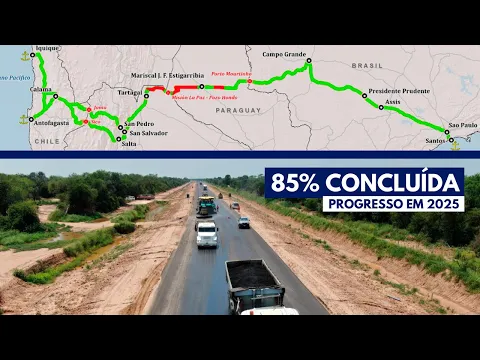
The route starts at Porto Murtinho (MS), crosses Paraguay, goes through Argentina, and reaches the Chilean ports of Antofagasta and Iquique in the north of the country. In total, there will be 2,400 km of paved roads, bridges, customs centers, and logistical connections.
-
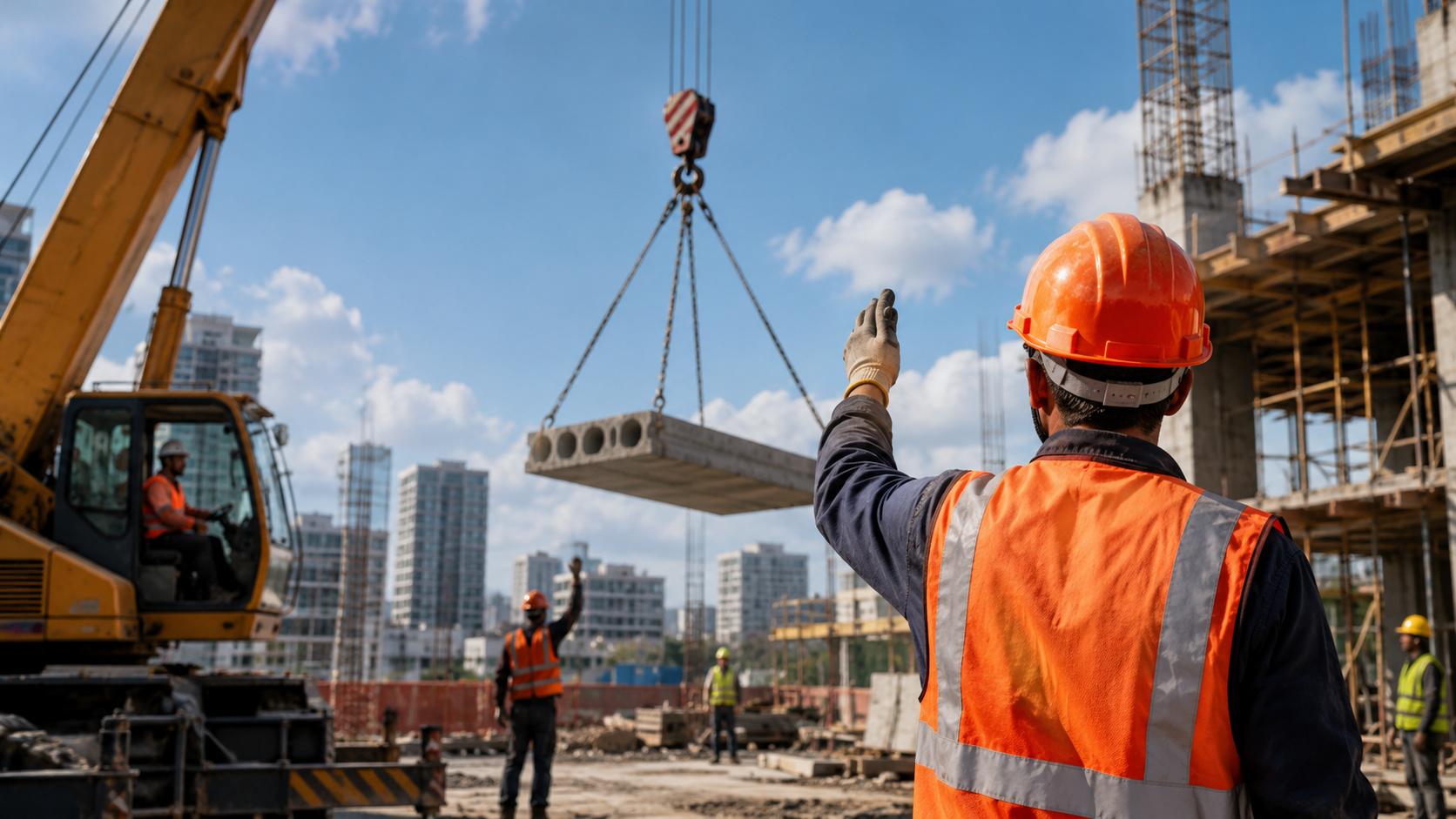
Why can the crane operator only obey the correct signalman on the construction site: among dozens of workers, a hand raised by the wrong person can confuse the maneuver and turn a load of tons into an immediate risk.

-
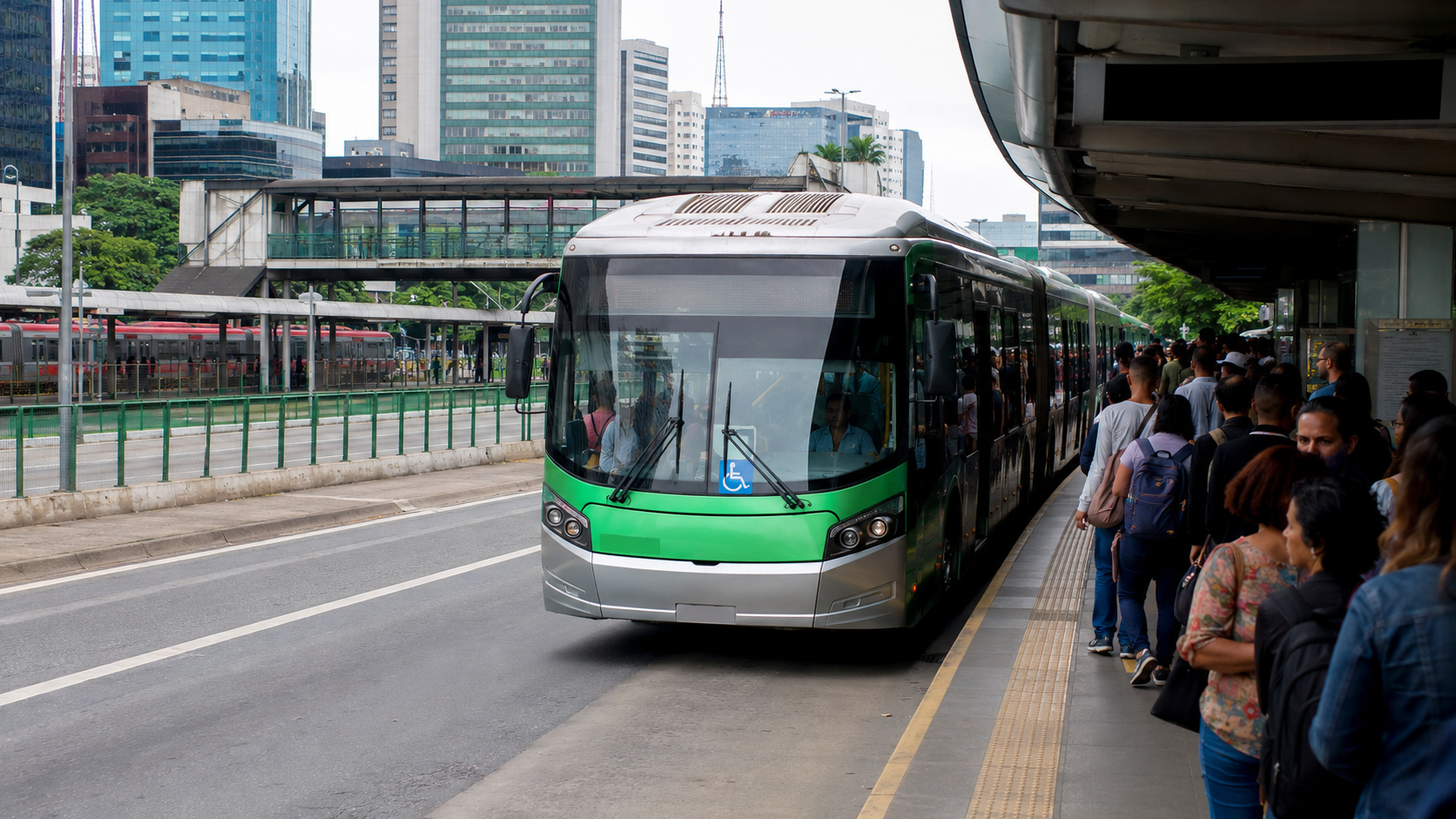
What changes with the new public transportation rules that can reduce pressure on fares and pave the way for zero fare in Brazil?
-
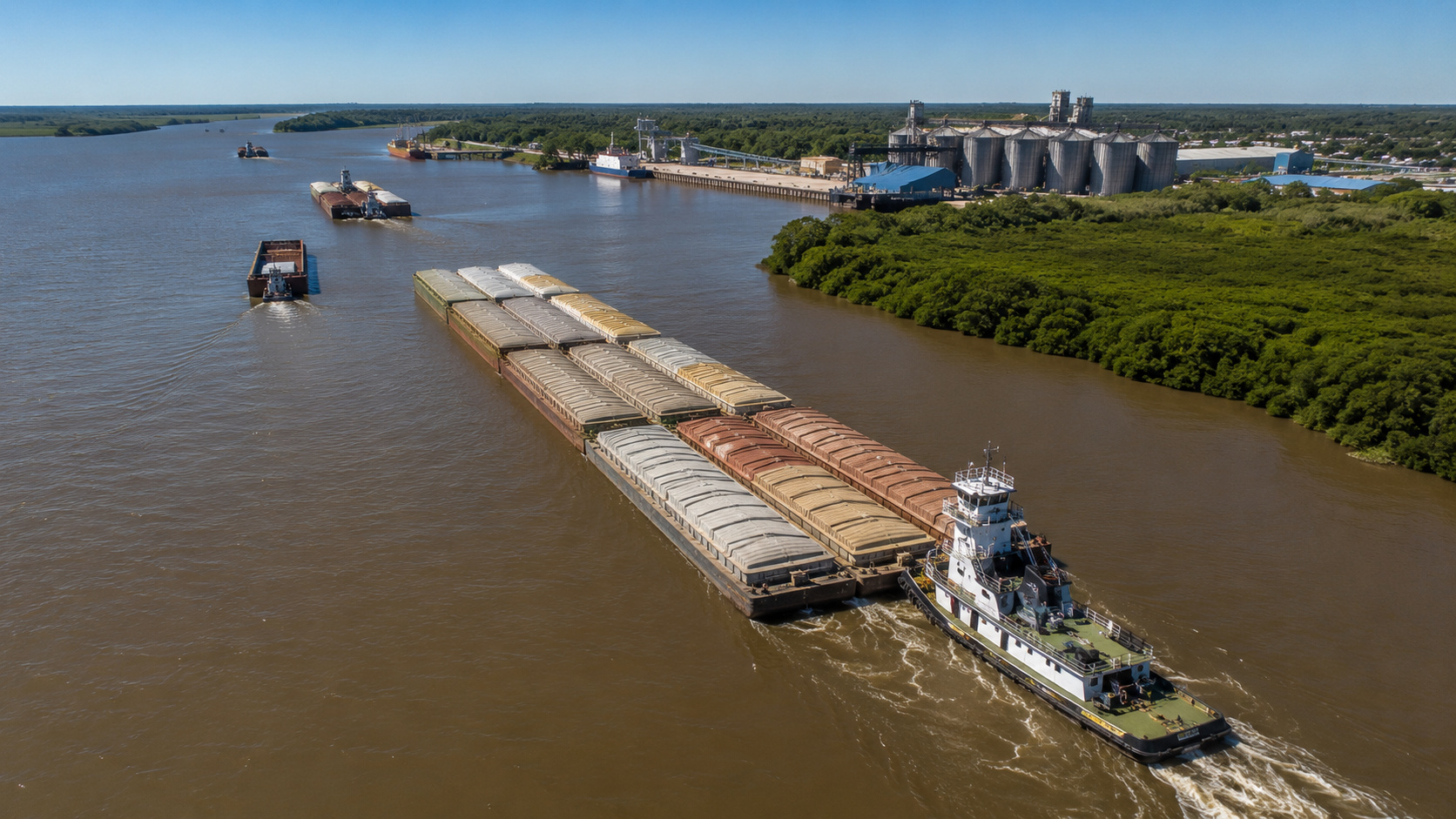
Argentina confirms Belgian giant to lead strategic Paraná River waterway and promises to reduce logistical costs on one of South America’s most important routes
-
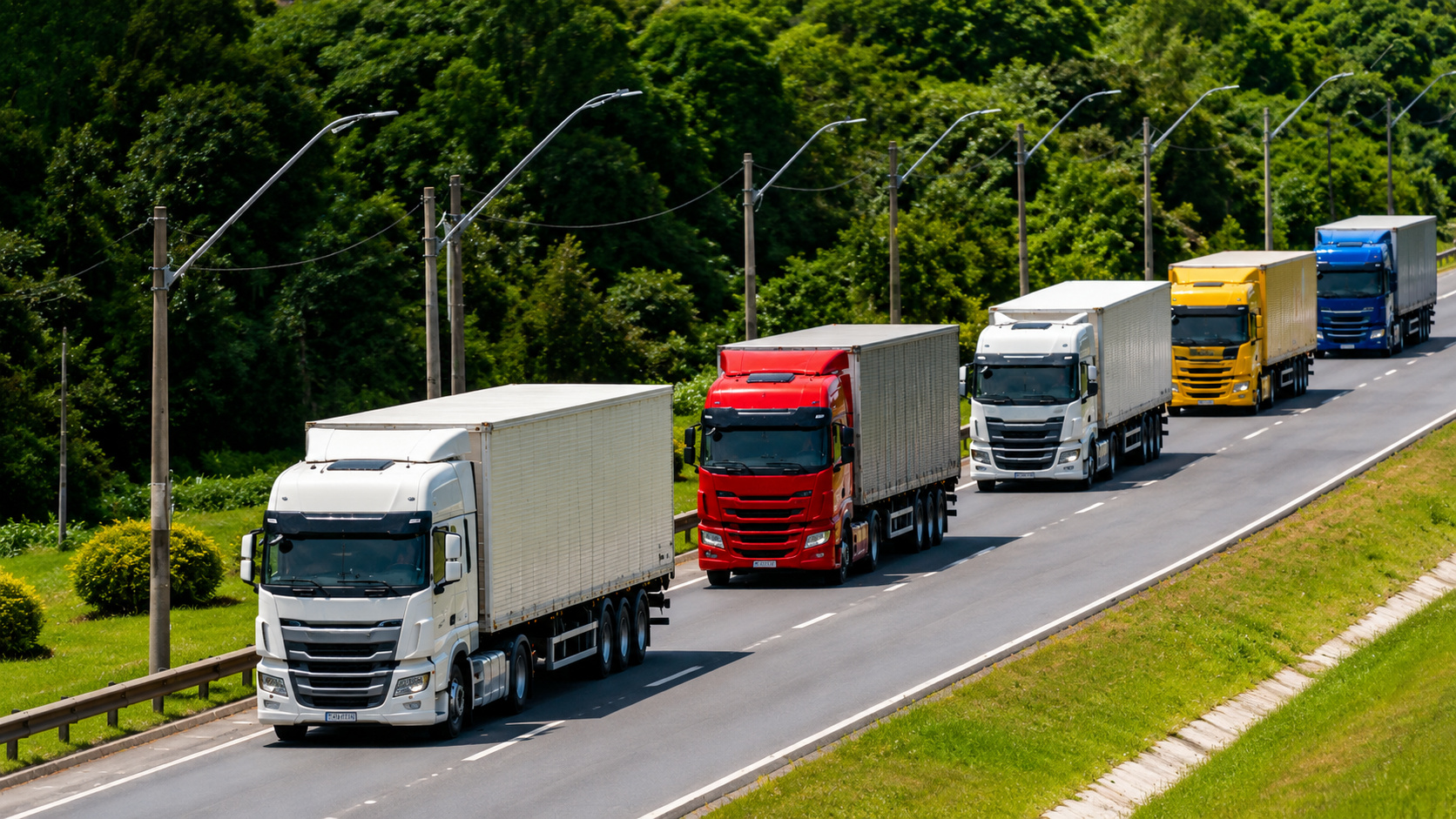
MBRF surprises the logistics sector by demonstrating how Artificial Intelligence can directly influence deliveries throughout Brazil by reorganizing distribution routes in seconds, optimizing fleet usage, reducing logistics costs, and speeding up product arrivals even in the face of unforeseen road incidents.
Some segments already exist and only need modernization; others will be built from scratch, including the bi-national bridge over the Paraguay River, which will link Porto Murtinho (MS) to Carmelo Peralta (Paraguay).
Why Is the Bioceanic Corridor So Important for Brazil?
Currently, most Brazilian exports to Asia leave from the Southeastern and Southern ports, mainly Santos (SP) and Paranaguá (PR). To reach Asian ports, cargoes rely on long routes through the Atlantic and the Panama Canal, which increases costs and delays transportation.

With the bioceanic corridor, the journey to Asia will be up to 10 days faster. This means that soy, corn, meat, and minerals can reach markets like China, Japan, and South Korea more competitively.
For agribusiness, this reduction in time is a huge differential. Brazil is the world’s largest exporter of soy and competes with the United States for markets. A shorter and cheaper route could increase Brazil’s market share and generate billions in profits.
Investments and Works Already Underway
The Bioceanic Corridor is not just an idea on paper — it is already being realized.
The government of Mato Grosso do Sul leads the investments on the Brazilian side, with infrastructure works and the duplication of strategic segments. In Paraguay, the paving of 531 km of the bioceanic route is underway, which will cross the country from east to west, linking Carmelo Peralta to the border with Argentina.
The Paraguayan segment is one of the most advanced: according to the Paraguayan Ministry of Public Works, more than 50% of the work is already completed, and the remainder is expected to be finished by 2026. The bi-national bridge between Brazil and Paraguay, funded by Itaipu Binacional, has already begun construction and is expected to be completed in up to three years.
Who Is Funding the Bioceanic Corridor?
The project’s funding is shared among national governments, multilateral organizations, and development banks. Brazil has already released federal resources for the adaptation of highways in Mato Grosso do Sul, while Paraguay has received funding from the Development Bank of Latin America (CAF).
Additionally, the project attracts the attention of private investors, particularly logistics companies, agricultural trading firms, and port operators. The expectation is that up to R$ 20 billion will be generated annually once the route is fully operational.
Direct and Indirect Benefits for the Four Countries
Brazil will be the biggest beneficiary, but not the only one. Paraguay, by becoming a logistics corridor, will attract companies, distribution centers, and jobs. Argentina will gain a new export route to the Pacific, and Chile will have its ports transformed into hubs connecting to Asia.
The integration promises regional development, job creation and new economic hubs in areas that are currently underexplored.
The Impact on Grain and Meat Transportation
Currently, a ship loaded with Brazilian soy takes between 35 and 45 days to reach China. With the Bioceanic Corridor, this timeframe could be reduced to 25 to 35 days, making Brazil even more competitive.
In addition to soy, other products will also benefit: corn, beef, chicken, cotton, iron ore, and even industrialized products can follow the new route.
Environmental Issues and Project Challenges
Although it is an integration project, the route is not free from criticism. Environmental organizations warn of the potential impacts of new highways in sensitive areas in Paraguay and northern Argentina.
On the other hand, supporters argue that most of the route passes through already anthropized areas (used for agriculture or livestock) and that the project could reduce CO₂ emissions by decreasing the distances traveled by trucks.
What Is Needed for the Bioceanic Corridor to Become Reality
The coming years will be decisive. In addition to completing the works in Paraguay and the bi-national bridge, it will be necessary to adjust customs, create integrated cargo control systems, and harmonize customs legislation among the four countries.
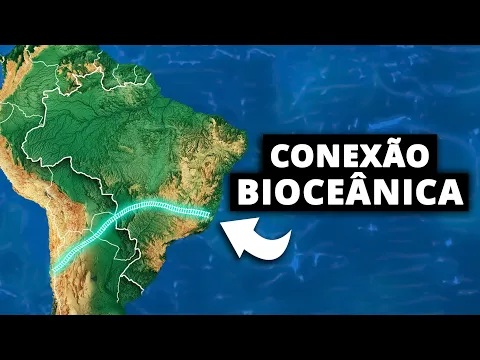
The forecast is that the route will be fully operational by 2028 or 2029, but some segments may be usable earlier, as the works are completed.
The Bioceanic Corridor has the potential to change the economic geography of South America. More than a network of roads, it will be a new backbone of trade connecting the main agricultural producers in Brazil to the largest consumer market in the world: Asia.
If it materializes as projected, it will be one of the greatest achievements of regional integration in recent decades and a catalyst for transforming Brazilian logistics and competitiveness.