






 Portuguese
  Spanish
  3 min of reading
  0 comments


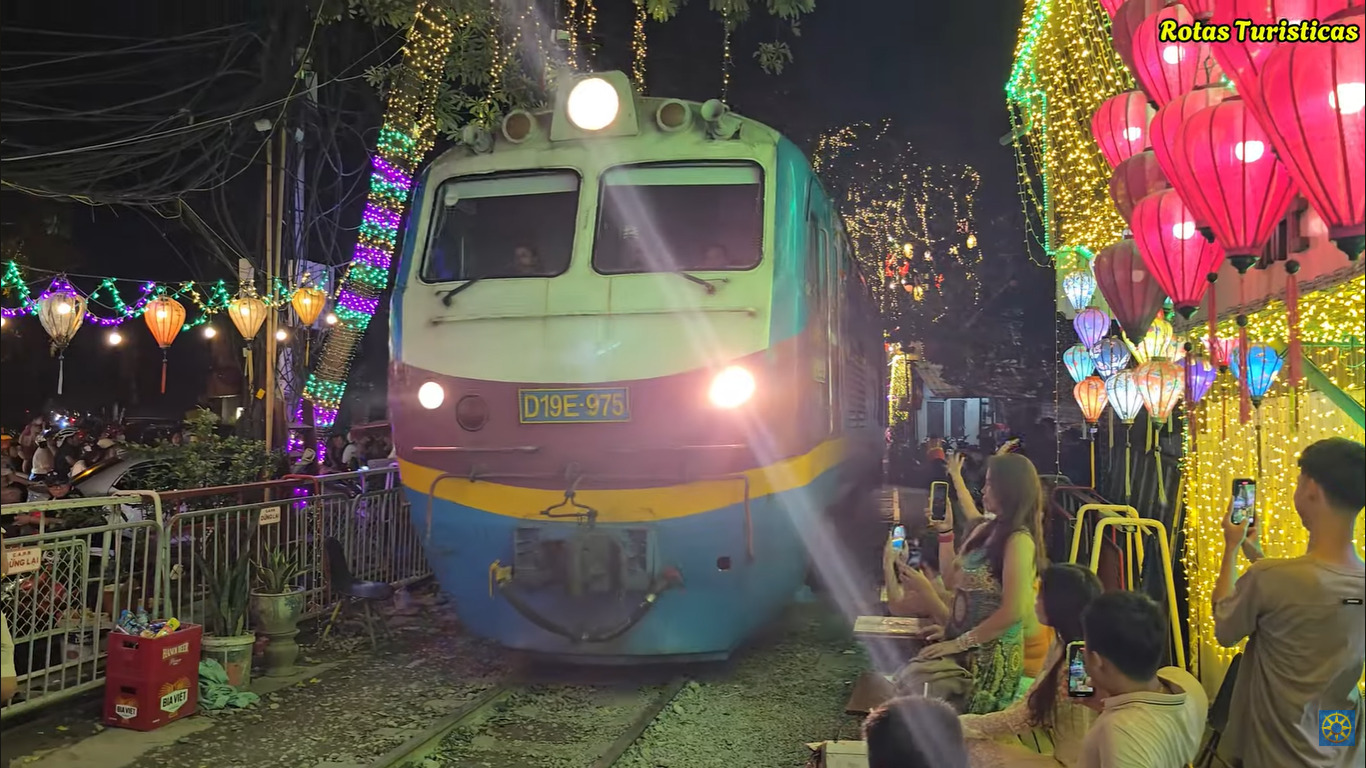
Train Street in Hanoi Features Active Colonial Railway, Houses Inches from the Tracks, Official Restrictions from March 2025, and Daily Tourism in Hoan Kiem Alley with No Physical Barriers
On a narrow street in Hanoi, in the Hoan Kiem district, houses share inches with active tracks; trains pass several times a day, attracting tourists and prompting official restrictions in March 2025 due to urban safety risks.
Urban Coexistence Without Formal Separation
The everyday scene shows doors, balconies, and tracks at the same level, without barriers or platforms, requiring precise coordination from residents when the train approaches daily.
The railway, built during the French colonial era, has remained active while residential expansion progressed, incorporating tracks into the urban fabric without service interruptions.
-
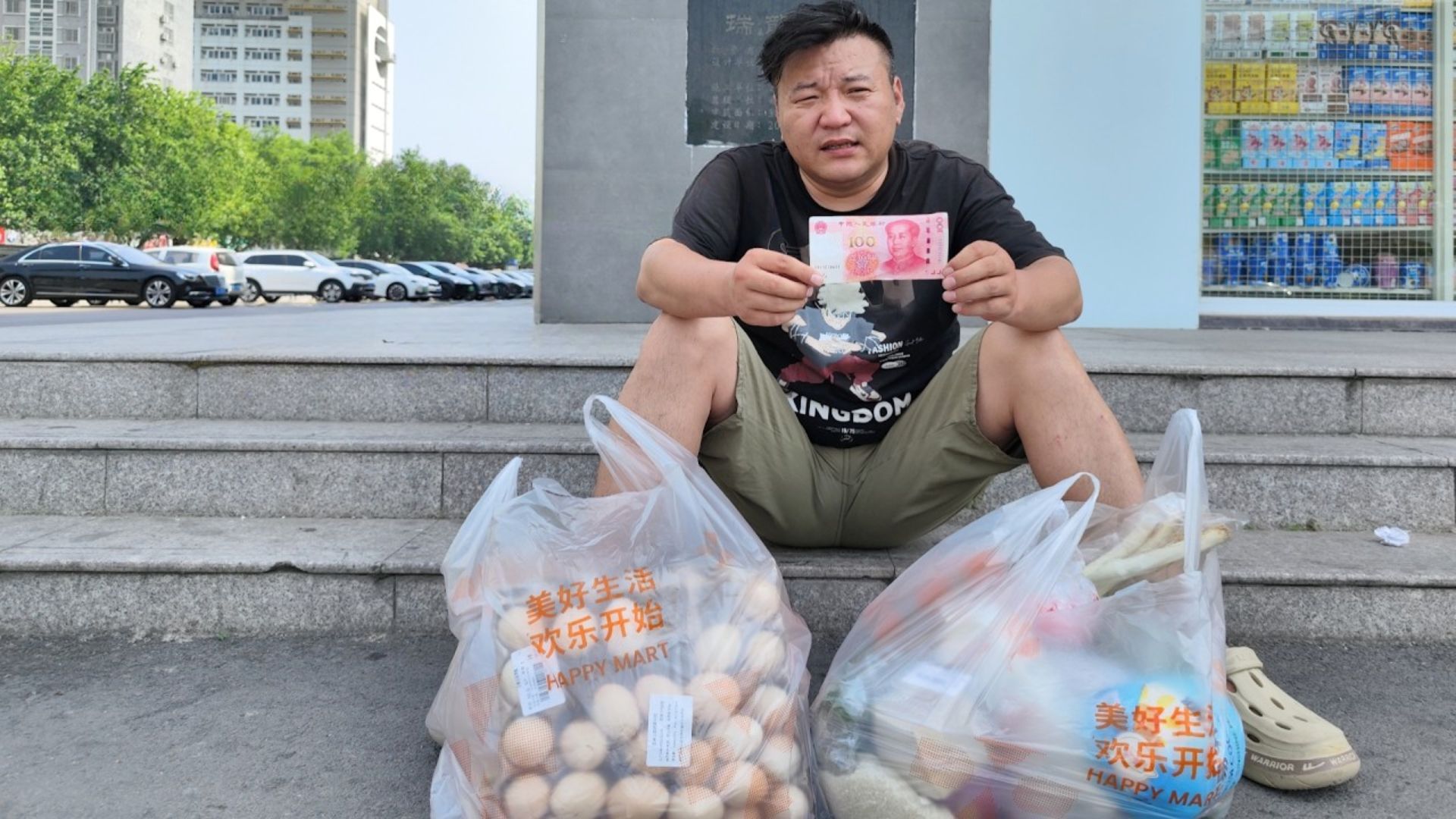
A man went to the supermarket in China with the salary of a single day’s work, and what he put in the cart will make any Brazilian question why they pay so much to eat so little.

-
Man creates floating islands in a lake of more than 20,000 square meters and releases 10,000 baitfish.

-
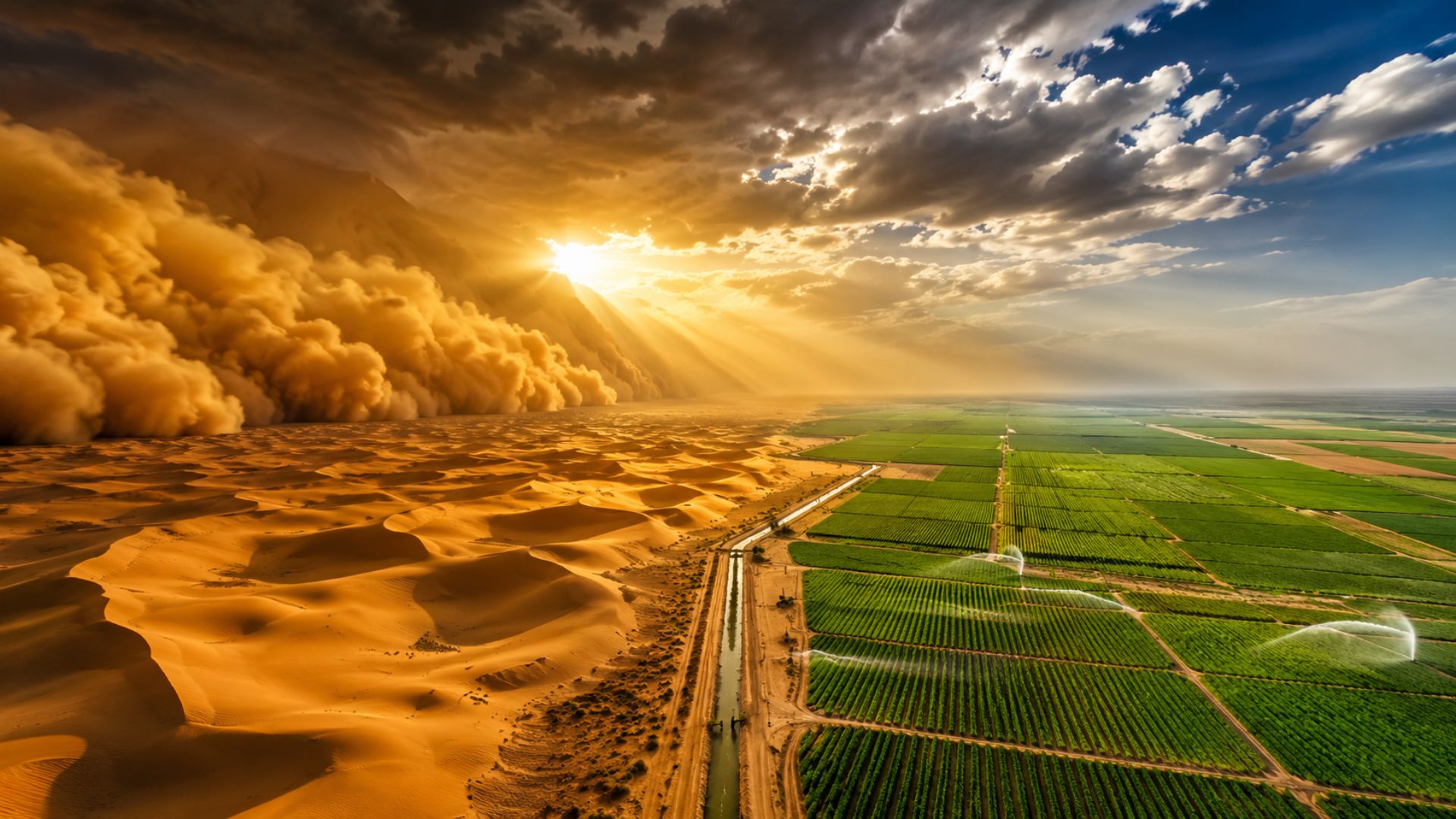
Father said it was impossible, and a storm buried the first crop overnight, but today a young Chinese man harvests alfalfa up to six times a year on 1,530 hectares of the Taklimakan Desert.
-
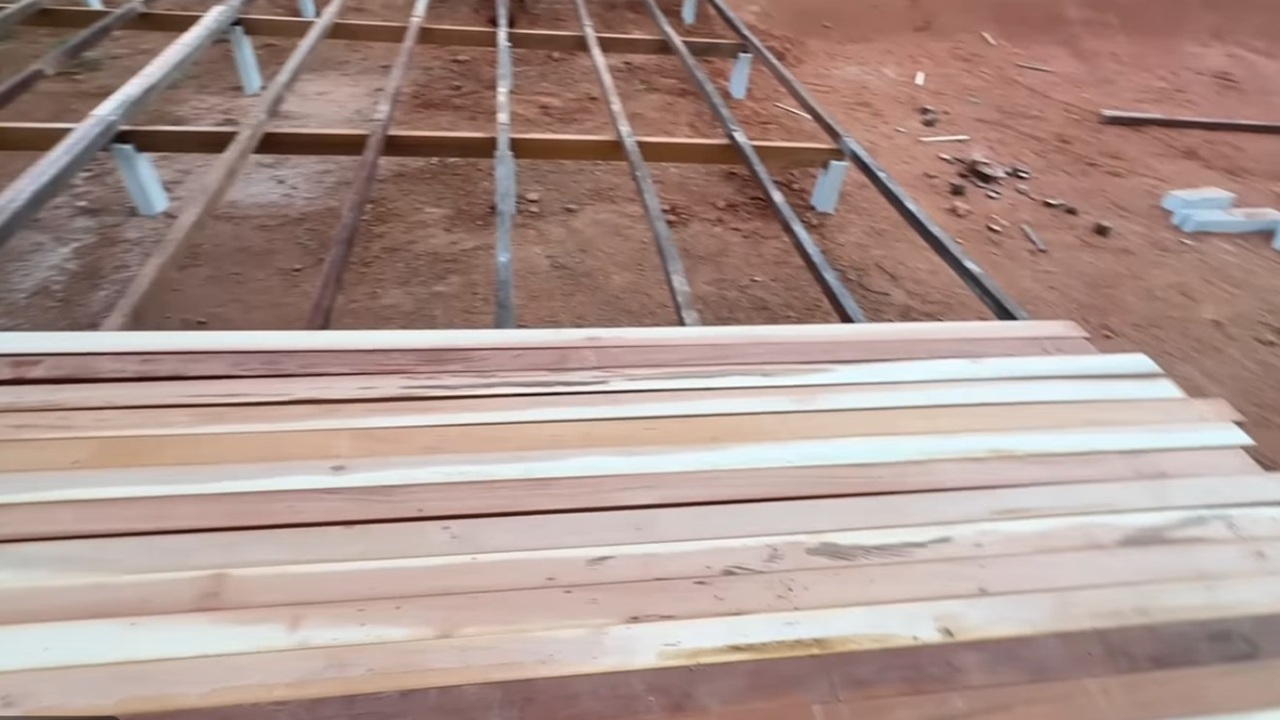
Woman starts her own home project on the land, builds an 8×8 meter deck, faces hard soil, improvises a campsite, and sees construction stop after running out of wood halfway through the job.

Over time, houses grew aligned with the railway line, consolidating an extreme coexistence that redefines boundaries between housing, public circulation, and heavy infrastructure.


Tourist Viralization and Economic Pressure
In recent years, social media has boosted the location’s fame, with images of trains passing mere inches from visitors holding coffees.
The constant flow has spurred cafés, terraces, and makeshift stalls, creating local income while amplifying conflicts between safety, oversight, and economic dependence on tourism.
Residents have adjusted their routines to the train schedule, removing furniture and goods minutes before its passage, in a daily urban ballet.
Official Measures and Security Justifications
In March 2025, the Hanoi Department of Tourism mandated the suspension of organized tours to the location, citing recurring risks and incidents.
The decision included physical barriers and warning signs, as well as the closure of unlicensed establishments, according to statements from the Hanoi Department of Tourism.
Authorities cited an increase in visitors and the extreme proximity of the tracks as central factors for restricting access to specific segments.
Intermittent Enforcement of the Rules
In practice, the street continues to receive visitors, especially at the less-monitored ends, where shops remain open despite the ongoing restrictions.
Tourists crowd behind the barriers to watch the train, keeping the location among the most photographed in the city, even with irregular control.
This intermittent enforcement reinforces the tension between official norms and local economic reality, which remains reliant on daily foot traffic.
Daily Life Under Constant Risk
Living next to active tracks imposes discomfort and danger, but in dense, low-income areas, the space is continuously redefined.
People cook, chat, and play while waiting for the train, integrating risk into their routine, in a quiet and persistent adaptation.
Train Street serves as an urban metaphor, revealing how cities pragmatically absorb pre-existing infrastructure, albeit with risks.
Visual Exception or Global Pattern
While rare in degree, the extreme proximity is not conceptually unique, appearing in cities in Southeast Asia, Africa, and Latin America.
In these contexts, informality and limited planning bring housing and infrastructure closer, producing makeshift solutions to space scarcity.
Questions for the Urban Future
What makes Hanoi unique is the transformation of this coexistence into a postcard, increasing visibility and regulatory pressure on residents.
The central question remains: what kind of city is built when the borders between public, private, and hazardous become thin, demanding urgent urban choices.
As a precedent, previous attempts at control had already occurred, but the combination of digital tourism and the local economy kept the street active, despite the measures, in a delicate balance.
With information from O Globo.







-

-

6 people reacted to this.