Portuguese
  Spanish


The babies named Cecília were born at 10:09 AM at Ruth Cardoso Hospital in Balneário Camboriú, and surprised Santa Catarina by the coincidence of the name and time. The sequence was curious because, the day before, the maternity registered another Cecília and a Maria Cecília in the same hospital, reinforcing the rare hospital case.
Two babies named Cecília were born at exactly the same time, 10:09 AM, on June 5th, at the Regional Ruth Cardoso Hospital in Balneário Camboriú, on the North Coast of Santa Catarina. The coincidence involved two different families and surprised the hospital staff, who saw a maternity routine turn into a rare story.
The case was disclosed by the hospital unit and published by NSC Total on June 26, 2026. Besides the same name and the same minute of birth, another detail increased the curiosity: the day before, the hospital had already registered the birth of two girls with similar names, Cecília and Maria Cecília.
Same name, same minute, and same hospital drew attention
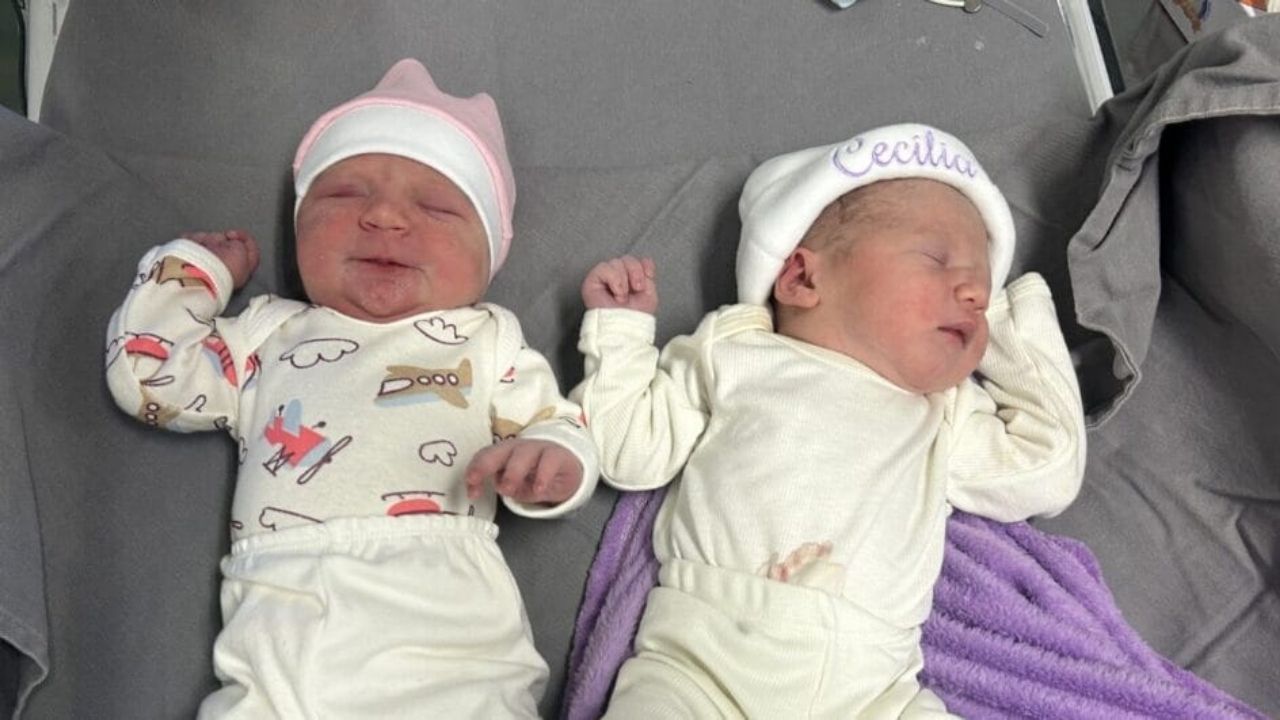
In a maternity ward, births are part of the daily routine, but records do not always intersect in such a specific way. At Regional Ruth Cardoso Hospital, two newborns arrived in the world at the same minute and received exactly the same name. The combination of time, name, and place was the point that made the case unusual.
-
Brazilian Couple Turns Property into Culinary Hub, Investing $400,000 to Build a Business Earning $800,000 Annually

-
Couple Quits Jobs, Converts 1981 VW Van into Home, Travels 80,000 Kilometers Across the Americas, and Wins Surprise Tickets to See Messi Make History at the World Cup

-
Rio de Janeiro School’s Listening Program Reduces Dropout Rates and Boosts Literacy, Set to Expand to 350 Municipal Schools
-
Five-Year-Old Turns Crayon Drawings of Colorful Socks into a Brand, Raising $200,000 to Aid Vulnerable Children


The families only learned of the coincidence after the births. For the medical team, the episode brought surprise and lightness to the shift, especially because it was not just about repeated names. The two babies were born at 10:09 AM, in the same hospital, in an interval marked by the same time record.
Little Cecílias became an emotional memory for the families
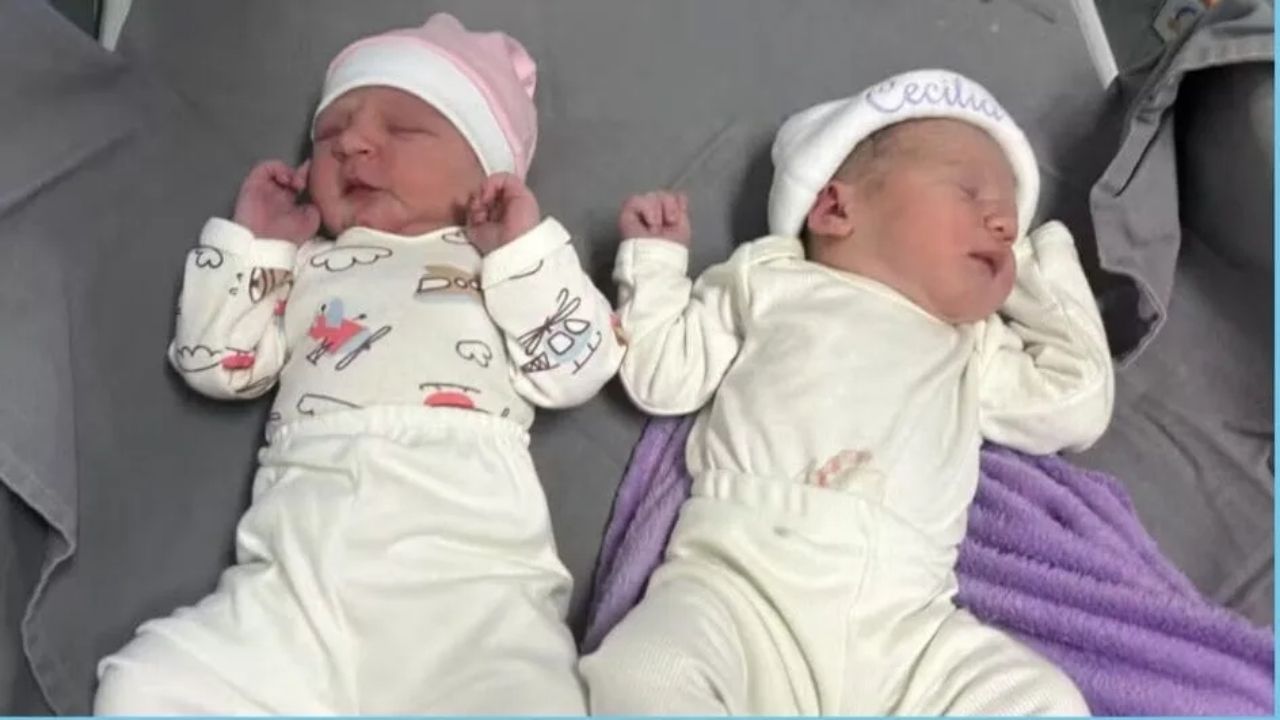
After the discovery, the families of the newborns enjoyed the situation and decided to take photos of the little ones side by side. The images of the two Cecilias together helped turn the coincidence into a concrete memory, shared among parents and hospital professionals.
One of the mothers, Ysadora Helena, told NSC Total that she was surprised to learn that another child with the same name had been born at the same time. She also highlighted the welcome received from the team. The episode, besides being curious, gained an affectionate tone by involving the beginning of life for two children and the emotional reaction of the families.
Previous day made the coincidence even more curious
The birth of the two babies named Cecilia would already attract attention by itself, but the history of the previous day made the sequence even more unusual. According to the hospital, on June 4, the unit had also recorded the birth of two girls with similar names: one Cecilia and one Maria Cecilia.
This detail reinforced the perception that that shift was marked by unlikely repetitions. Although popular names appear frequently in maternity wards, the concentration of similar records on two consecutive days gave the case a special character. It was not just a repetition of name, but a sequence that surprised those following the unit’s routine.
Name Cecilia was among the most registered in Santa Catarina
The popularity of the name helps to contextualize the coincidence. According to the Civil Registry Transparency Portal, Cecilia was the second most registered name in Santa Catarina in 2025, with 1,191 registrations. The name was second only to Helena, which led the state survey with 1,338 registrations.
Even so, the high frequency of the name does not eliminate the rare aspect of the episode. Many children may receive similar names throughout the year, but being born in the same hospital, at the same minute, and with the same name creates a combination difficult to repeat. The strength of the story lies precisely in the sum of the details.
Why do stories with babies and coincidences gain so much attention?
Stories involving babies often spark interest because they carry emotion, family, and the beginning of life. When this type of narrative is accompanied by an easily visualized coincidence, the reach tends to grow. The audience quickly understands what happened and connects with the families’ surprise.
In this case, the plot is simple and strong: two girls, the same name, the same time, and the same hospital. There is no conflict, tragedy, or exaggeration. Curiosity arises from the unlikely. It is a light news story, but with enough human appeal to generate shares, comments, and personal memories from those who have experienced something similar.
Hospital recorded one of those cases that break the routine
For healthcare professionals, the birth of children is part of the daily work, but some episodes remain in memory precisely because they break predictability. The arrival of the two Cecilias at 10:09 AM was received as a rare and endearing coincidence within the hospital.
The institution itself treated the moment as a special situation, highlighting the charm caused by the repetition of the name and the time. Amidst appointments, protocols, and shifts, two newborns ended up creating a moment of lightness in an intense routine.
In the end, the story of the two babies shows how an apparently small detail can gain great significance when it involves birth, family, and chance. The Cecilias will have, from the very first days of life, an unusual memory to carry: they were born at the same minute, in the same hospital, and with the same name in Balneário Camboriú.
Do you think it was just a coincidence, or are there encounters so unlikely that they seem hard to explain? Tell us in the comments if you’ve ever seen a similar story involving identical names, repeated dates, remarkable times, or curious births in the same family.