Portuguese
  Spanish


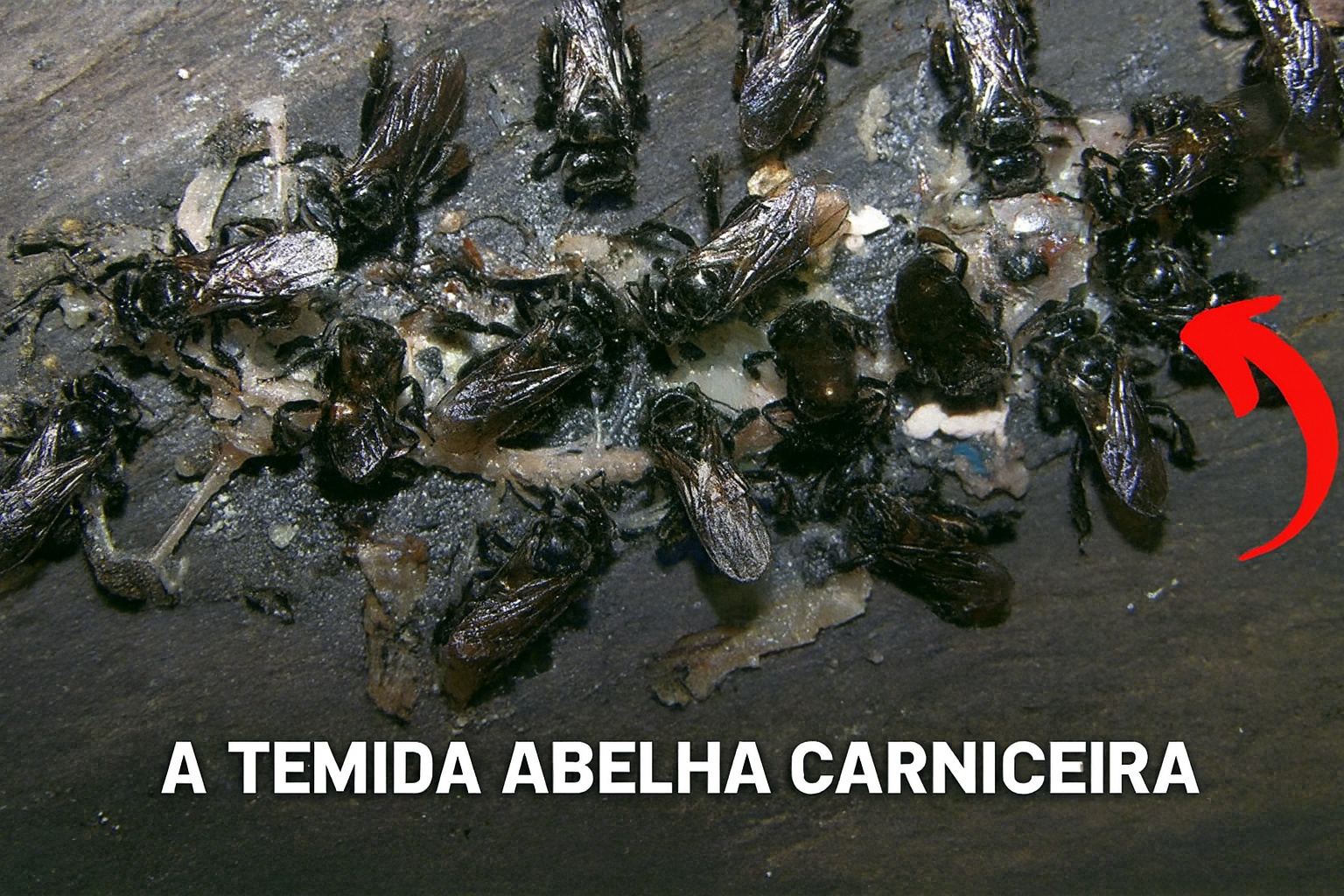


Scientists Discover Vulture Bees That Eat Decaying Meat and Produce Acidic Honey, Modifying Their Microbiota and Challenging Insect Logic.
When it comes to bees, the image that usually comes to mind revolves around flowers, pollen, aromatic hives, and golden honey. But in the tropical forests of Central and South America, biology took a drastic detour from this narrative. There exists a peculiar group of stingless bees — popularly known as vulture bees — that have abandoned flowers and begun feeding on decaying meat, scraping tissues from animal carcasses much like vultures or blowflies. The result of this extreme diet is not just a curiosity: it creates a dark and acidic honey, profoundly modifying the digestive system and microbiota of these insects.
These bees belong to the genus Trigona, particularly species like Trigona hypogea, Trigona crassipes, and Trigona necrophaga, and are mainly found in the humid tropical regions of Mexico, Costa Rica, Panama, and parts of the Amazon. The behavior had been reported since the 1980s, but for years it remained little studied by science.
Why Would a Bee Eat Meat?
To understand this dietary change, it is necessary to observe the environment. Tropical regions are highly competitive for pollinators. Many species compete for flowers year-round, and resources can become scarce during certain seasons. In this scenario, accessing a resource that is virtually ignored by other bees, carrion offers evolutionary advantages.
-
Rescue Teams Use Flashlights to Find 47 Dogs in Abandoned, Powerless U.S. Home, Offering Them a Fresh Start Through Responsible Adoption

-
Siblings Discover 1939 Superman Comic in Late Mother’s Attic, Sets Record at $9.12 Million Auction

-
12-Year-Old Discovers 80-Million-Year-Old Marine Tylosaurus Fossil During Kansas Field Trip
-
At 24, Beatriz Becomes First Woman from Mato Grosso to Work on Live Power Lines with Energisa, Starting as a Meter Reader in 2022



Vulture bees land on the carcasses of small vertebrates, such as reptiles, birds, and mammals, and scrape pieces of meat using adapted jaws. Unlike blowflies, they do not lay eggs and are not larval decomposers; carrion serves exclusively as adult food and as material for honey.
This curious behavior led researchers from the University of California – Riverside (UCR) and the Organization for Tropical Studies (OTS) to investigate how an originally herbivorous insect adapted to deal with highly contaminated and bacteria-laden material.
A Stomach That Resembles That of Real Vultures
The results of these microbiological analyses surprised scientists. Vulture bees have developed a <stronghighly specialized intestinal microbiota. Instead of the pollen and nectar-digesting bacteria common to bees, they possess microorganisms similar to those found in vultures, hyenas, and other scavengers.
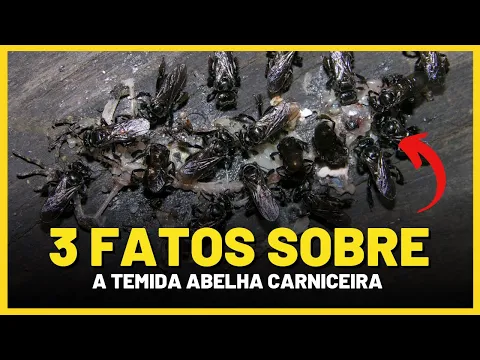

A study published in 2021 in the journal mBio (American Society for Microbiology) showed that these bees exhibit:
- Bacteria resistant to acidic environments
- Reduction of microorganisms typical of plant-based diets
- Digestive systems adapted for animal proteins
- Lower internal pH, which helps destroy pathogens
According to biologist Quinn McFrederick of UCR, “these bees have essentially converted their digestive tract to handle carrion, which is extremely rare among pollinators.”
How Is the So-Called “Cadaver Honey” Produced?
Despite the alarming common name, it is not a poisonous honey but rather a very distinct product from conventional honey.
When collecting meat, the bees store it in special cells in the hive, separate from the pollen and traditional honey cells. Within these chambers, the meat undergoes a fermentation process with the aid of symbiotic microorganisms, resulting in a strong-smelling, acidic honey with a flavor described as “sweet and sour”.
This honey is consumed only by the bees themselves — there are no records of modern human use — and serves as an alternative source of energy and proteins.
A Hive Without Stingers, but With Chemical Weapons
Another relevant detail is that vulture bees do not have stingers, like all bees in the tribe Meliponini. To defend themselves, they rely on:
- Strong jaws to bite and tear fur
- Resins and chemical compounds to repel predators
- Collective smearing, covering intruders with resinous dyes
It’s an effective defense system against ants, predatory crickets, and even curious mammals.
An Ecological Anomaly With an Important Role

Contrary to popular belief, the behavior of these bees is not “macabre,” but rather ecologically relevant:
- They accelerate nutrient recycling in the soil
- They compete with blowflies, reducing disease vectors
- They maintain living colonies during times without flowers
- They demonstrate exceptional evolutionary plasticity
Furthermore, many bees in the genus Trigona still pollinate plants when they encounter flowers, playing an unusual dual role in the ecosystem.
What Does This Discovery Change for Science?
The existence of vulture bees breaks the simplistic notion that “bees = pollen + flowers.” It shows that:
- Pollinators can occupy extreme niches
- Carnivorous diets are possible even among floral insects
- Microbiotas evolve rapidly in response to environmental pressures
For researchers of animal evolution, this opens doors to study dietary transitions, microbial symbiosis, and decomposition ecology in much more detail.
Where Are They Found Today?
Confirmed records point to their presence mainly in:
- Mexico
- Guatemala
- Costa Rica
- Panama
- Colombia
- Brazil (in the Amazon)
This does not mean they are restricted to these areas; their actual distribution may be greater but poorly documented due to a lack of specialists in Meliponini.
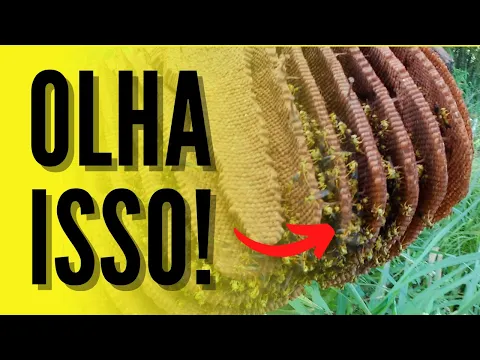
The history of vulture bees reveals that nature does not follow scripts and does not repeat formulas. An insect that produces honey from decaying meat seems like something out of science fiction, but it is a real adaptation, born from fierce competition and the quest for nutrients in life-filled tropical environments.
While it may cause strangeness, this discovery offers one of the best proofs that evolution is creative, opportunistic, and surprising, even among organisms we thought we knew well.