Portuguese
  Spanish


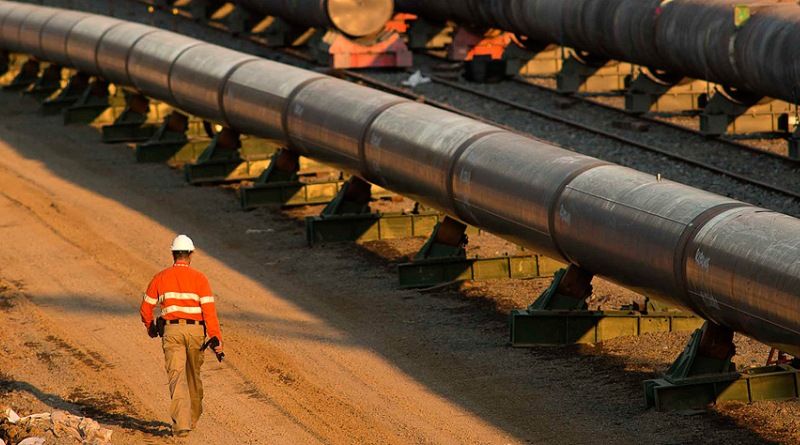

According to the Secretary of Development, Mining and Energy, the expectation is that the new supply of piped natural gas will attract investments to the State
The state of Pará plans to join the group of Brazilian states that will channel natural gas by 2022. The Secretary of Development, Mining and Energy expects that alternative energy options will attract companies to the region because the use of fuel is more competitive than electricity. According to the state government, the opening of the natural gas market could generate R$ 4 billion in investments and approximately 7,500 direct and indirect jobs.
See Other News:
- Service provider in the oil and gas sector seeks professionals from Macaé or Rio das Ostras for onshore activities in the role of safety technician
- Mining company Vale was ordered to pay more than R$ 3.5 million to the families of victims of the dam collapse in Brumadinho
- Many job vacancies for engineers (civil, instrumentation, processes, electrical), machinists, technicians, assistants, helpers, analysts, and more, on this 24th
Initially, the use of natural gas will be directly applied in the assembly and supply of the aluminum industry and the thermoelectric plant in the municipality of Barcarena. The project expects that the expansion of the gas pipeline network will be carried out by the Gas Company of Pará, aiming to adapt the supply of products to final demand, reigniting economic activity as soon as the Covid-19 pandemic ends.
Bernardo Sicsú, director of electricity and gas at Abraceel and deputy coordinator of the Gas Forum, informed that “the gas segment plays a relevant role in the global energy matrix. The price of gas is spread across various products, thus the cost is multiplied throughout the economic chain. A reduction in its price will generate benefits for the entire economy in a cascading effect.”
-
OPEC+ Boosts Oil Supply by 188,000 Barrels per Day in July 2026, Leading to Price Drop from $112 to $89 per Barrel in Under Two Months

-
TotalEnergies Signs 20-Year Deal to Purchase 2 Million Tons of LNG from Alaska, Boosting Project Viability
-
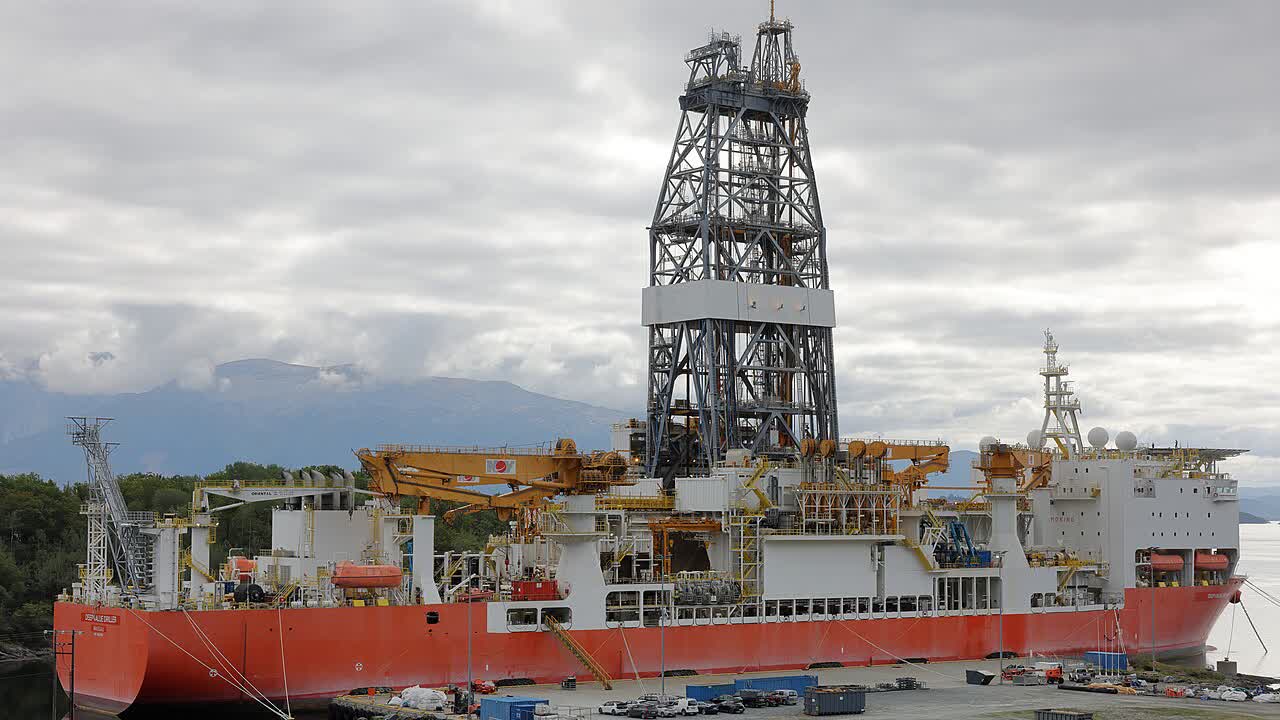
Turkey Deploys Çağrı Bey Drilling Ship to Explore New Oil Frontier Off Somalia’s Coast
-
Golden Pass LNG Ships First Liquefied Gas Cargo from the U.S., Completing $10 Billion QatarEnergy and ExxonMobil Investment


To ensure competitive prices in the markets, specialists, market agents, and production departments require greater competition in the natural gas sector, one of the main points of the proposal referred to as the “New Natural Gas Law” (PL 6.407 / 2013). The text, which will be voted on in the Chamber of Deputies in the coming weeks, proposes to reduce the bureaucracy in the construction of natural gas pipelines and promote investors’ access to the entire natural gas chain.
The main obstacle is the Petrobras monopoly, which currently controls about 100% of Brazilian natural gas processing and 80% of natural gas commercialization. “The lack of competition stifles prices and hinders the advancement of the industry, the main consumer of fuel in the country,” said Deputy Paulo Bengtson.
“The entire national industry will benefit from the expansion of the gas market. When you can bring this energy closer, the industry spends less. Thus, the final price of various products will drop significantly. I am quite optimistic about the approval of this matter and also regarding the benefits it can generate,” the deputy added.
Deputy Laércio Oliveira, who is the rapporteur in the Commission for Economic Development, Industry, Commerce and Services, explained that in many states, building infrastructure involves constructing pipelines, similar to household plumbing used to transport natural gas. To expand and internalize the network across the national territory, PL 6.407 / 13 suggests that companies only need to obtain authorization from the National Agency of Petroleum, Natural Gas and Biofuels (ANP), rather than going through public tenders for the construction of these structures as is done today.
Laércio expects that the New Gas Law will be voted on by July and stated that the clear expression of the topic to be discussed in the plenary meeting depends on the approval of the emergency request made by Vice President Paulo Ganime, and acceptance from the leaders and the President of the Chamber of Deputies, Rodrigo Maia.