Portuguese
  Spanish


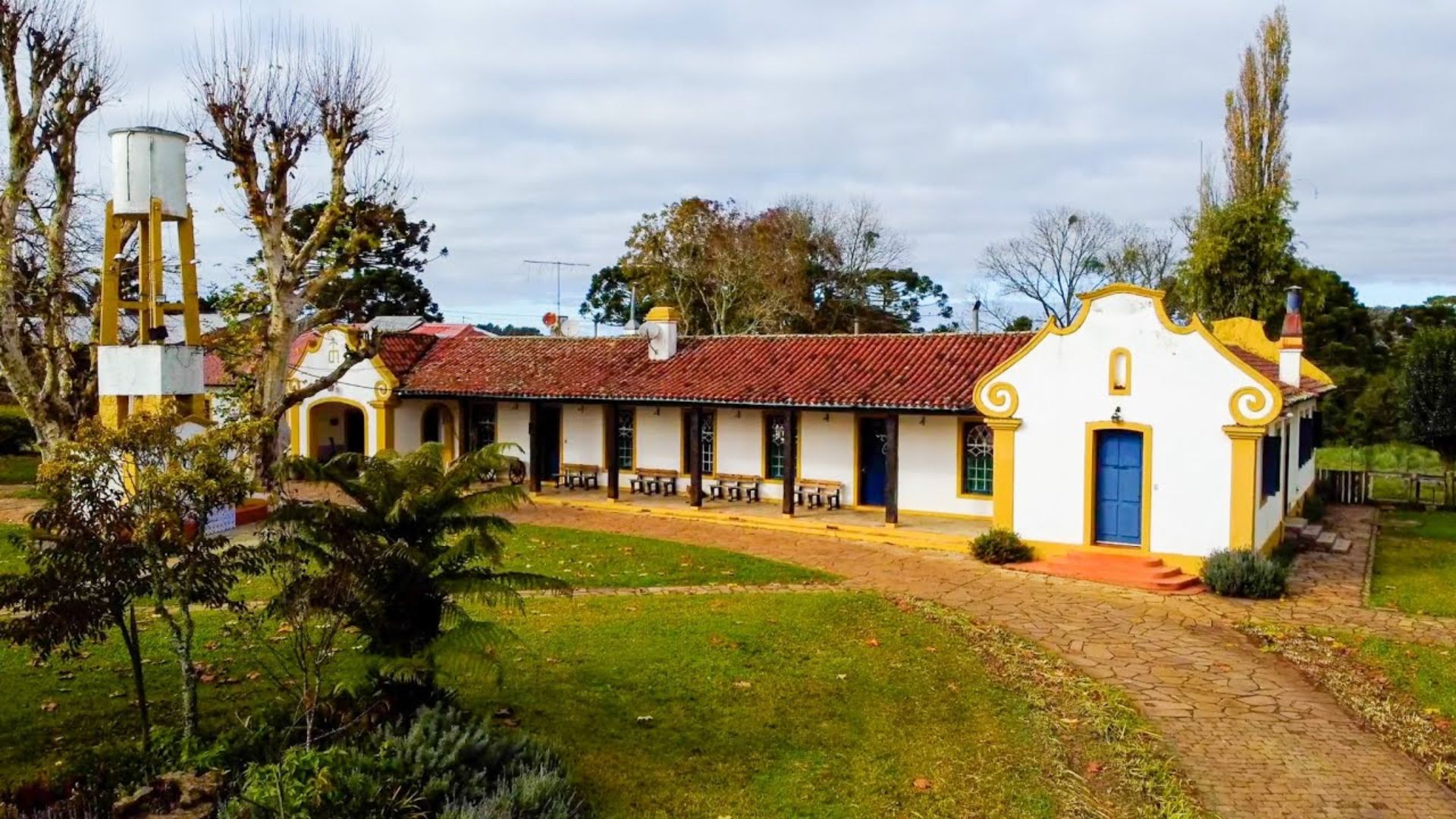

In the Campos de Cima da Serra, the Fazenda do Socorro was one of the first sesmarias in Rio Grande do Sul and gave rise to the municipality of Vacaria. In its original 22 thousand hectares, there are chapters of glory and tragedy, from the drovers to family disputes, including a woman ahead of her time.
One of the first farms in Rio Grande do Sul, the Fazenda do Socorro once had about 22 thousand hectares and was the birthplace of the municipality of Vacaria. But its history is not only beautiful. Between one chapter and another, there are marriages between cousins, infertility, inheritance disputes, and even murder over land possession.
According to the Vale Agrícola program, it all started around 1770, when that part of the Serra Gaúcha was seen as a demographic void. The lands were donated, under the Portuguese Crown’s sesmarias system, to João de Campos Brandemburgo, with the mission of populating the region and raising cattle. Cattle raising, by the way, was the main source of income for the property.
The farm that became a stop for the drovers
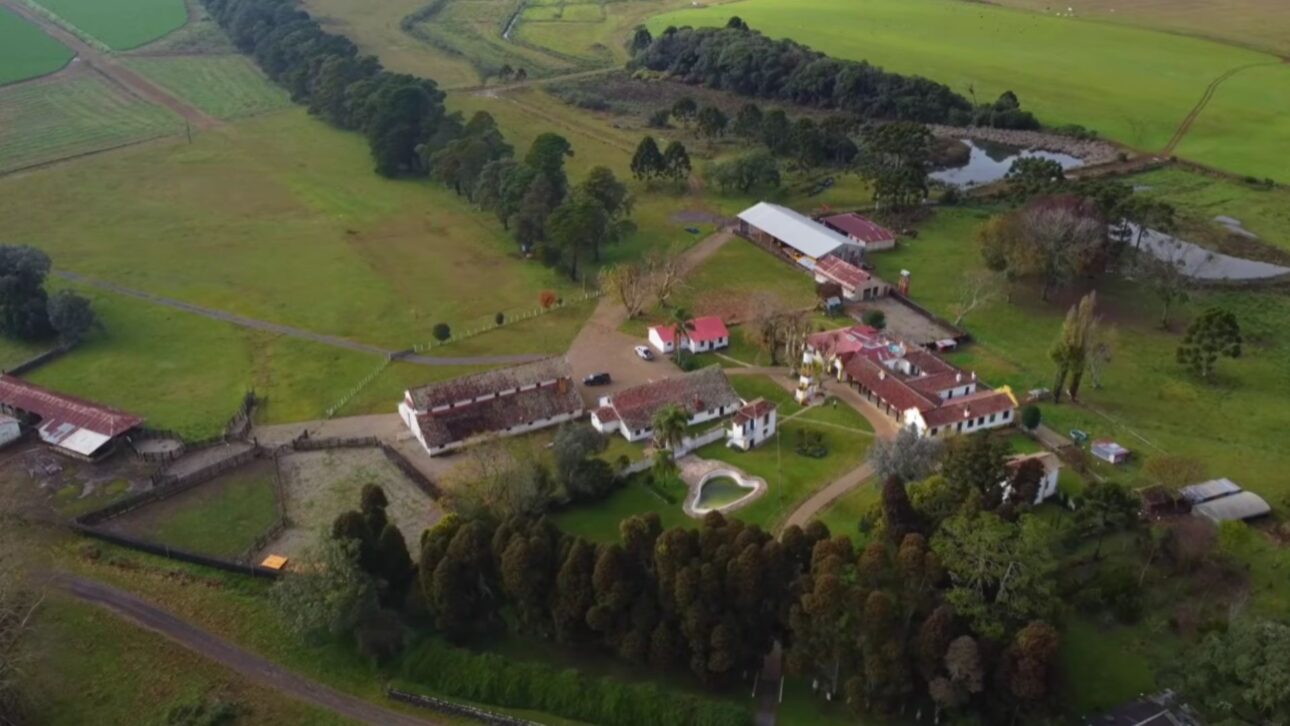
The Fazenda do Socorro once had about 22 thousand hectares and bordered three rivers, including the Pelado River and the Socorro River.
-
Volcanic Soils from Destructive Eruptions Turn into Million-Dollar Crops: Ashes Nourish Grapes in Lanzarote, Bananas in the Canary Islands, Blood Oranges on Mount Etna, and Cacti in Mexico, Showcasing How Lava-Formed Lands Sustain Rare Harvests in Seemingly Barren Regions

-
In the Caucasus Mountains, a Community Preserves a Language So Rare Few Outsiders Can Understand It

-
Slovakia’s Ice Cave Holds Over 110,000 m³ of Frozen Wonders, Boasts Walls Up to 27 Meters Thick, and Was Among the First Electrified Caves Globally

-
Street Cleaner Accidentally Receives $200,000 Transfer, Returns Unexpected Fortune to Rightful Owner
Over time, it became a well-known stop on the drovers’ route.
And what a route. Starting from Cruz Alta, it passed through Passo Fundo, Vacaria, and Lages until reaching Sorocaba, in São Paulo, on a path of over a thousand kilometers that took months.
The farm served as a safe haven for the drovers to rest.
The region was considered safe, protected by rivers, and for this reason, the Jesuits brought the cattle they raised closer to the coast, an area that suffered constant raids.
Charque, work, and slavery in the 19th century
This was a period when the property also had enslaved people, at the height of its production. It is a part of history that cannot be erased.
The work structure, however, was different from that of the large sugar mills.
Unlike the sugar and coffee plantations of Bahia, São Paulo, and Rio de Janeiro, which required huge contingents of labor, there the work revolved around cattle handling.
According to the account recorded by the program, there was no slave quarters, and the workers lived in barns.
Marriages between cousins, infertility, and death
From 1770, the farm began to shrink and became a cause of dispute.
The lands passed from hand to hand among the heirs of the Brandenburgs, and therein lies a dark detail.
As many marriages happened between relatives, including cousins, infertility problems were common.
Without children, the inheritance would go to a nephew, then another also wanted it, and the dispute heated up.
The result, according to the program, even included murder over land possession.
In 1913, Marcos de Flores Noronha bought the farm from an heir, when it already had about 11,000 hectares, half its original size.
Maria de Lourdes, the woman who reinvented the farm


Amidst so many men, it was a woman who changed the history of the place.
Maria de Lourdes Noronha inherited the Fazenda do Socorro from her father in 1929 and was far ahead of her time.
The father had already brought pure Jersey cattle from the United States, and she went further, transforming the property into one of the most complete in Rio Grande do Sul.
The details impress. In 1948, the farm already had its own hydroelectric plant, when even the city did not have electricity.
Maria de Lourdes set up a butcher shop within hygiene standards and made the place self-sufficient, with cheese, curd, salami, and preserves made right there.
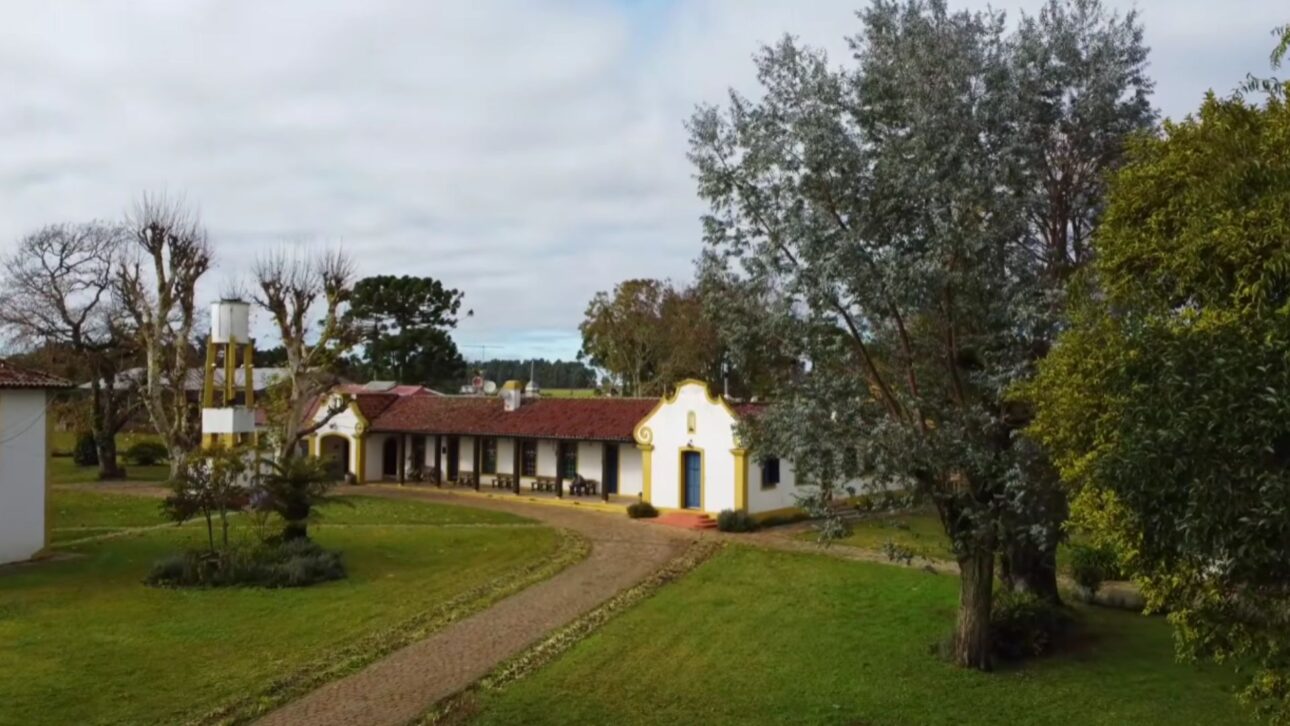
The buildings in Portuguese colonial style, with tiles and stained glass brought from Europe, completed the scene.
The collection, the dream of the museum, and the farm today
She also gathered a huge collection of ancient pieces.
There were about 5,000 items, from tools to shoes, cribs, clothes, and hats, many coming from Europe.
In a TV interview at the time, Maria de Lourdes said she dreamed of opening a museum so that the people of the state could see all that, but she faced a lack of support from the authorities.
The museum never materialized.
Today, a good part of the pieces remains on display at the farm itself.
Fazenda do Socorro was bought by Patrícia’s family in 2006, from the Noronha heirs, and hosts tourists, horseback rides, and school excursions on scheduled dates.
Maintenance, however, is a sacrifice, as there is no public funding and everything comes out of the owners’ pockets, who use part of the income from agriculture to preserve the place.
More than land and cattle, Fazenda do Socorro holds centuries of Gaucho history.
From the birth of Vacaria to the routes of the drovers, from family disputes to the boldness of Maria de Lourdes, it has traversed time carrying glories and wounds. And it stands today, preserved almost entirely by the efforts of its owners.
And you, did you know the history of Fazenda do Socorro and its role in the formation of Vacaria? Would you visit a place with so much memory? Tell us in the comments, with respect to different opinions and experiences, and share this article with that friend passionate about history and the Brazilian countryside.