Portuguese
  Spanish


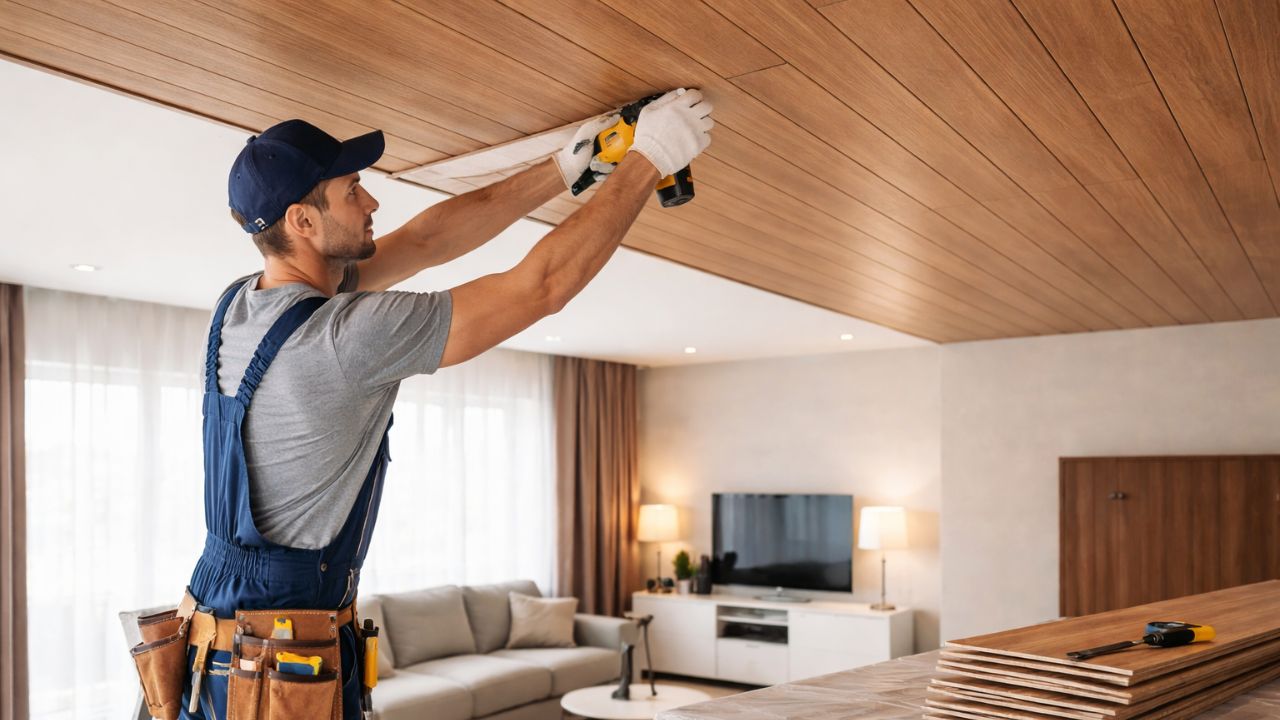


Brazilians Are Saying Goodbye to Plaster: Vinyl PVC Ceiling Promises Quick, Clean, and Cheaper Installation.
A new internal finishing solution is saying goodbye to traditional plaster, and promises to transform renovations with a quicker, cleaner, and more economical installation.
In Brazil, residents and construction professionals have been adopting vinyl PVC ceiling, a material that replaces conventional plaster by allowing almost dry assembly, with less impact on routine and without the excessive mess typical of construction.
This technique is winning over those who want to renovate without headaches and with modern aesthetic results.
-
MIT Scientists Develop Method to Transform CO₂ into a Construction Ally, Boosting Cement Strength by 13% in 24 Hours for More Sustainable Infrastructure

-
Canadian City Builds 8 Tiny Homes in 72 Hours for Homeless Youth, Plans 40 Affordable Houses for Female-Led Families Amid Housing Crisis

-
45-year-old Brazilian mother of 9 and grandmother of 12 receives 27 m² house made from recycled plastic, built in 15 hours with interlocking blocks and a recycled roof.
-
Ireland Installs 654 Modular Homes to Shelter 2,640 Ukrainian War Refugees, Offering a 60-Year Guarantee and a Model for Future Housing Crises


What Is Vinyl PVC Ceiling and How Does It Work?
The vinyl PVC ceiling is a covering system for ceilings composed of PVC boards or pieces with predefined finishes.
These pieces are fitted into a support structure installed beneath the slab, creating a finish that can be seen in living rooms, bedrooms, and corporate environments.
Unlike plaster, which requires application processes with paste, sanding, and painting, the vinyl PVC arrives ready — and this reduces work stages and minimizes delays.
Additionally, the material can come with matte or satin textures, even mimicking wood, which appeals to those who want a modern aesthetic without complications.

The main reason why many Brazilians are choosing to say goodbye to traditional plaster is the practicality of installing vinyl PVC.
While traditional plaster requires cutting, mixing compound, sanding, painting, and prolonged care, PVC is mounted in a drier way, drastically reducing dust and debris.
This difference makes life for those living or working in the renovated environment less impacted — the house or establishment can even continue to be used during the work, something rare in renovations with conventional plaster.
Practical Advantages of Cleaner and Quicker Installation
One of the biggest advantages of saying goodbye to traditional plaster is the time saved.
Professionals can install the vinyl PVC ceiling in just a few hours, avoiding weeks of work and prolonged interruptions in residents’ routines.
In addition to the timeline, another benefit is the reduced impact on the environment. The installation generates much less mess as it does not involve intense sanding or mixtures that spread fine dust throughout the house.
This ease of cleaning, combined with the material’s resistance — even in humid areas such as kitchens and bathrooms — makes the technique an attractive option for quick renovations.
Comparison Between Vinyl PVC and Traditional Plaster
For those who still hesitate, the difference between saying goodbye to traditional plaster and choosing vinyl PVC becomes clear when putting the two options side by side:
- Installation: PVC is assembled with ready-made pieces, generating little debris; plaster requires cutting, sanding, and several finishing stages.
- Mess: Vinyl produces little dust and waste; plaster spreads fine powder and requires protection for furniture.
- Maintenance: PVC tends to be cleaned with a cloth and mild detergent; plaster may need repairs and repainting over time.
These differences show why many professionals and homeowners prefer more practical alternatives.
How Much Does It Cost and When Is It Worth Choosing PVC
From an economic standpoint, saying goodbye to traditional plaster can also mean savings.
Even though the price per square meter of PVC may be comparable to that of well-specified plaster, the reduction in labor and auxiliary material costs (such as paste, sandpaper, and paint) generally makes the final price lower.
This advantage tends to be more evident in large areas, such as integrated living rooms, offices, or commercial properties, where reduced installation time makes a difference in the total budget.


Points to Consider Before Opting for PVC
Despite the advantages, saying goodbye to traditional plaster also has limitations.
Architectural projects with curved cornices, complex volumes, or recessed lighting are still more easily executed with plaster.
Furthermore, although PVC is resistant to moisture, it has different thermal and acoustic behavior, which can influence the choice depending on the type of environment.
Increasingly, Brazilians are opting to say goodbye to traditional plaster in favor of techniques like vinyl PVC ceiling, which promise quicker, cleaner renovations with fewer hassles.
For those seeking practicality, savings, and contemporary aesthetic results, this solution has proven to be an effective alternative — and can be the ideal answer for those looking to modernize without headaches.