Portuguese
  Spanish




Adaptive System Adjusts Traffic Signals in Real Time, Expanding Urban Traffic Control Options and Introducing New Forms of Roadway Prioritization Based on Circulation Data, Traffic Incidents, and Mobility Guidelines Adopted by Major Cities.
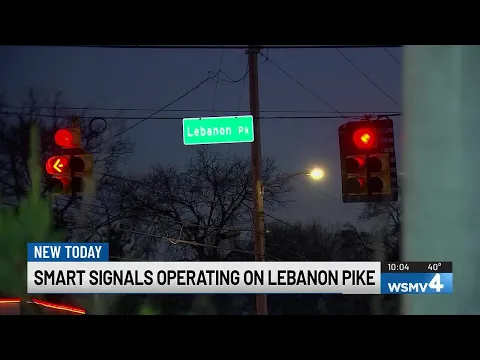
Nashville, in the United States, has begun operating a traffic signal system with adaptive programming that selects, in real time, 12 timing plans based on traffic and situations such as accidents and events, according to information released by the municipal administration.
The proposal does not eliminate the red, yellow, and green colors themselves.
The system alters the traditional logic of fixed cycles by adopting a control that adjusts the signaling times according to the demand observed at each intersection, as described in official city communications.
-
Why can the crane operator only obey the correct signalman on the construction site: among dozens of workers, a hand raised by the wrong person can confuse the maneuver and turn a load of tons into an immediate risk.

-
What changes with the new public transportation rules that can reduce pressure on fares and pave the way for zero fare in Brazil?
-
Argentina confirms Belgian giant to lead strategic Paraná River waterway and promises to reduce logistical costs on one of South America’s most important routes
-
MBRF surprises the logistics sector by demonstrating how Artificial Intelligence can directly influence deliveries throughout Brazil by reorganizing distribution routes in seconds, optimizing fleet usage, reducing logistics costs, and speeding up product arrivals even in the face of unforeseen road incidents.



Operation of Intelligent Traffic Signals with Adaptive Control
According to information from Portal6, the technology uses monitoring equipment and software to analyze circulation conditions and, based on that data, automatically selects the most appropriate signal plan for each moment.
In practice, the system operates with a set of 12 pre-configured timings and alternates between them based on the identified scenario, such as variations in flow throughout the day, traffic incidents, and impacts of events in high-traffic areas, according to technical information from the project.
Timing Plans and Response to Urban Situations
Municipal authorities indicate that the plans can be activated to respond to situations such as accidents, changes in urban routine, and atypical traffic periods associated with events, aiming to adjust intersection operations to observed conditions.
The modernization also includes resources focused on pedestrian crossings, with the adoption of safety parameters in corridors served by the city’s traffic management center, according to public documents.
Traffic Signal Priority for Public Transport and Emergencies
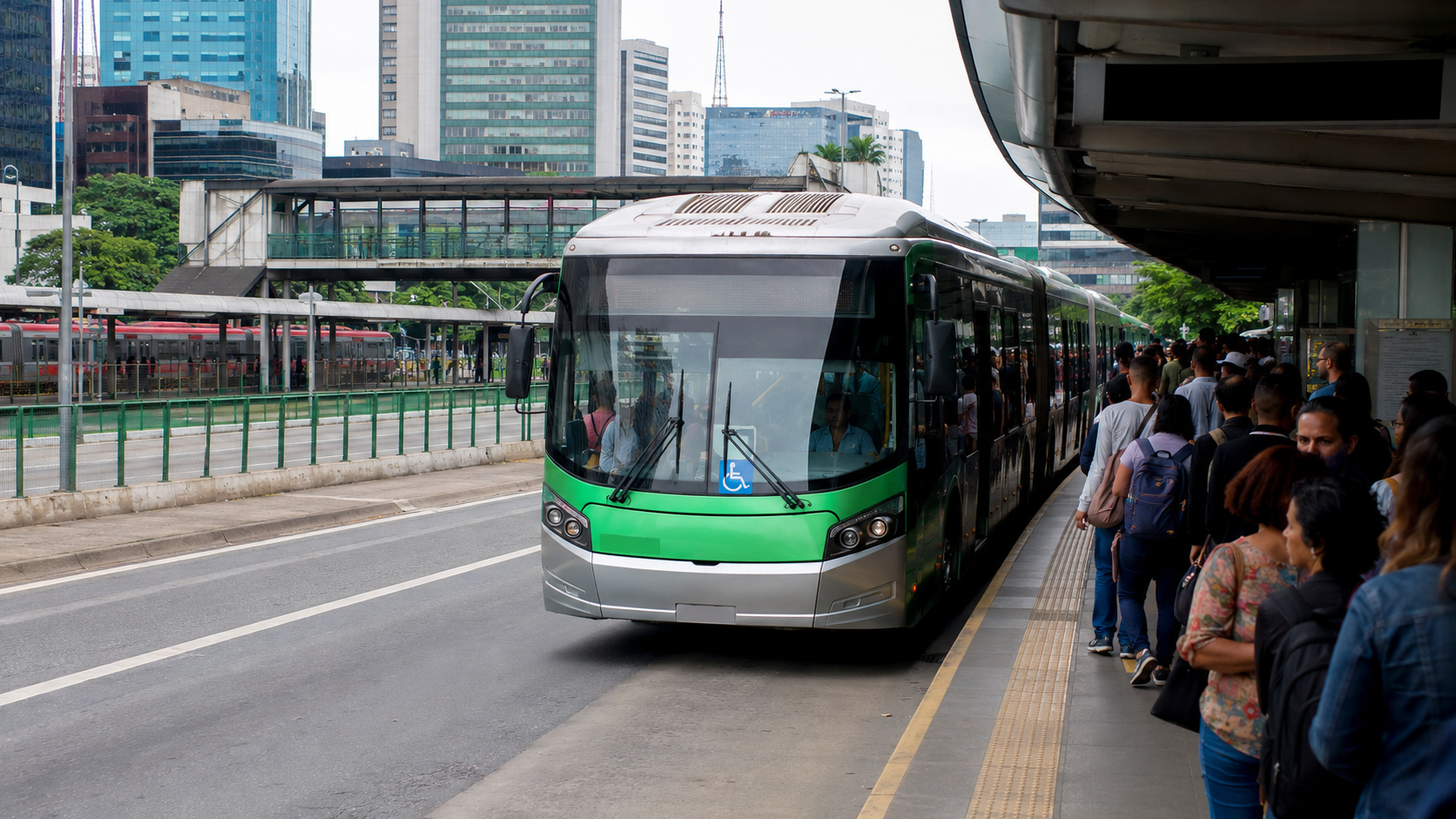
Within Nashville’s mobility program, official documents indicate that the signal updates on certain routes provide priority at intersections for public transport buses and emergency vehicles, such as ambulances, on pre-defined segments.
In the case of public transport, the traffic signal priority is described by the administration as a set of operational adjustments that may include extending the green time or reducing the red to accommodate the passage of buses in specific corridors.
Modernization of the Traffic Signal Network in Nashville
Information released by the mayor’s office and local media indicates that the project includes the update of traffic signals in high-traffic corridors, including the installation of technology at 36 intersections along Lebanon Pike.
These records indicate that part of the municipality’s traffic signal network remained without a comprehensive update for decades, a point made by authorities to justify modernization in light of urban growth and increased vehicle circulation.
International References and Debate in Brazil
Urban mobility experts classify adaptive traffic signal systems as tools associated with real-time traffic management, frequently cited in intelligent infrastructure projects adopted by major cities.
In Brazil, there are isolated experiences with adaptive signal control, but, according to sector technicians, there is still no national standard for large-scale implementation similar to the model announced for Nashville.