





 Portuguese
  English
  Spanish
  5 min of reading
  0 comments


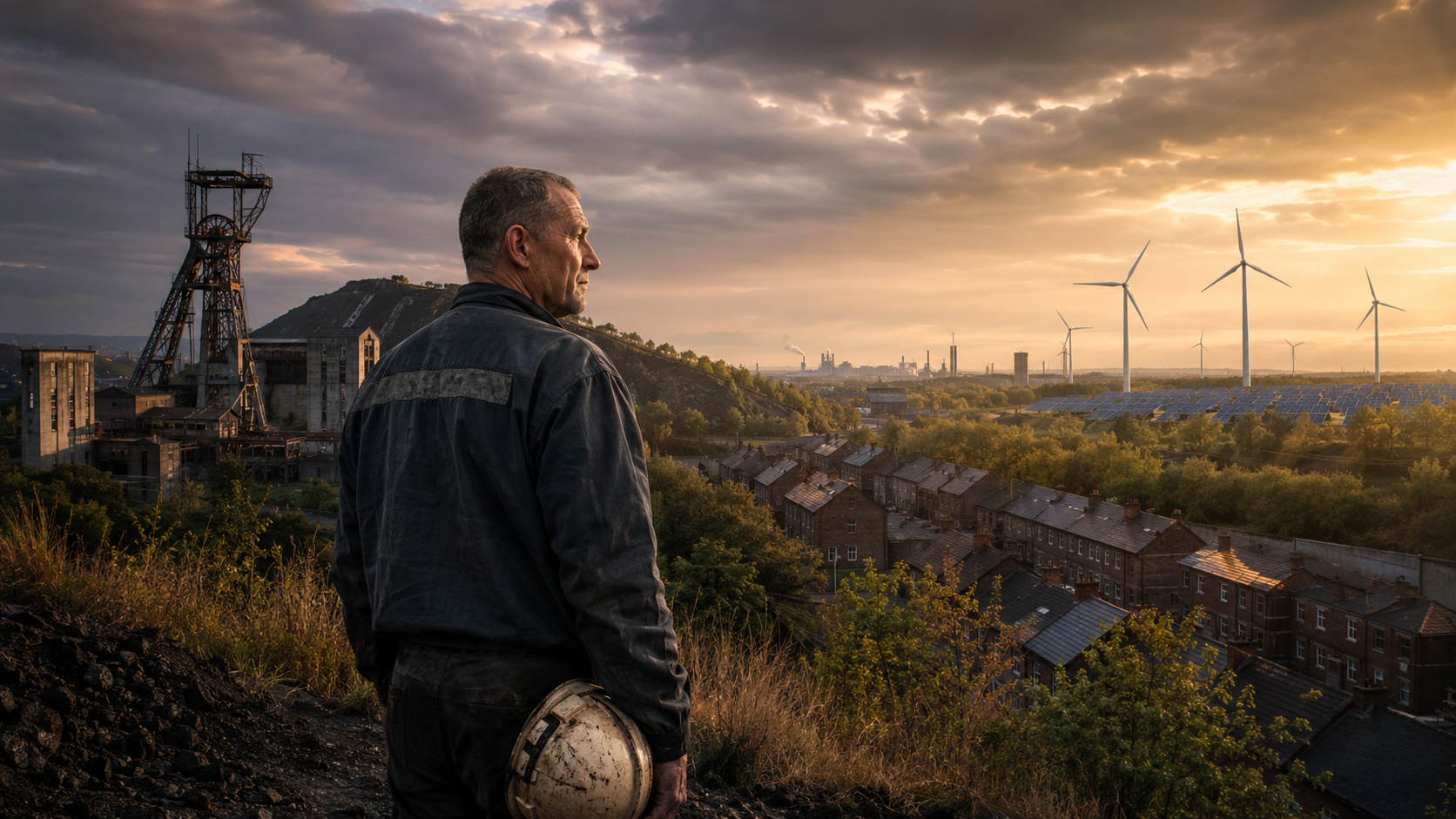
Poland’s energy transition attempts to reduce the weight of coal in electricity, but without repeating the social pain of the 1990s. In Katowice, old mines become museums, workers’ neighborhoods gain new functions, and jobs in renewable energy could reach 300,000 by 2030. The challenge is to prove that closing a mine does not have to mean abandoning entire families.
Poland tries to swap coal for clean energy without leaving cities behind, after seeing mines close and entire neighborhoods lose jobs, friends, clubs, and identity in the 1990s.
In 2024, coal still generated 57% of Poland’s electricity, but most of the remaining mines are expected to close in the next decade. The information was published by Reuters, an international news agency with global coverage, on June 9, 2025.
The case shows a less visible part of the energy transition. For those who lived in mining regions, the mine was not just a workplace. It organized income, rent, routine, social ties, and the sense of belonging.
-
One of the first farms in Rio Grande do Sul, Fazenda do Socorro once had 22,000 hectares and gave rise to the municipality of Vacaria; centuries of cousin marriages brought infertility, inheritance disputes, and even murder over the land.

-
Want to live without neighbors? For R$ 2.3 million, this private island of 35.6 hectares has only one house with solar power, rainwater, an eco-friendly bathroom, and access by electric boat — all in Scotland.
-
Divers record images of a Soviet pier sunk more than 30 years ago in Siberia; built in the 1960s with cedar logs, the structure still preserves metal chains and today houses aquatic species in a UNESCO reserve.
-
The end of the 144-year construction of the Sagrada Família: a 100-ton cross, assembled in 14 parts and raised to 172.5 meters, finally completes the tallest tower envisioned by Gaudí.


In Katowice, a pile of waste covered by trees reminds that coal shaped entire cities
In Murcki, a suburb of Katowice, paths climb a large pile of waste taken over by pines and birches. The material came from the Boze Dary mine, which dumped waste there for more than 100 years until it was closed in 2015.
The green landscape hides a heavy industrial memory. The Silesia region was marked by mines, workers’ neighborhoods, families dependent on coal, and an urban life built around mineral extraction.
Poland once had about 70 coal mines and 400,000 miners. These numbers show why the closure of a mine affects more than just energy production. It impacts entire cities.
When an activity of this size loses strength, the impact appears in commerce, schools, homes, clubs, and relationships between neighbors. Therefore, the energy transition needs to be seen as a social change, not just a change of fuel.
The trauma of the 1990s came when mines closed too quickly and thousands of workers were left without support
In the 1990s, Poland transitioned from a communist economy to a market economy. State support for coal ended abruptly, and many mines considered uneconomical were closed.
Thousands of miners lost their jobs. The problem went beyond salary. In many cases, the mines helped support rent, bills, sports clubs, and part of community life.
The transition was tough because many people received money but did not receive practical guidance to start over. Opening a business, changing sectors, or learning another skill does not happen automatically.
In Katowice, Momika Bajka founded the House of Guardian Angels in 1994, after seeing homeless children near the city’s train station. The organization began supporting families affected by the breakdown of social life caused by the mine closures.
Coal still generated 57% of electricity in 2024, but the remaining 19 mines face an uncertain future
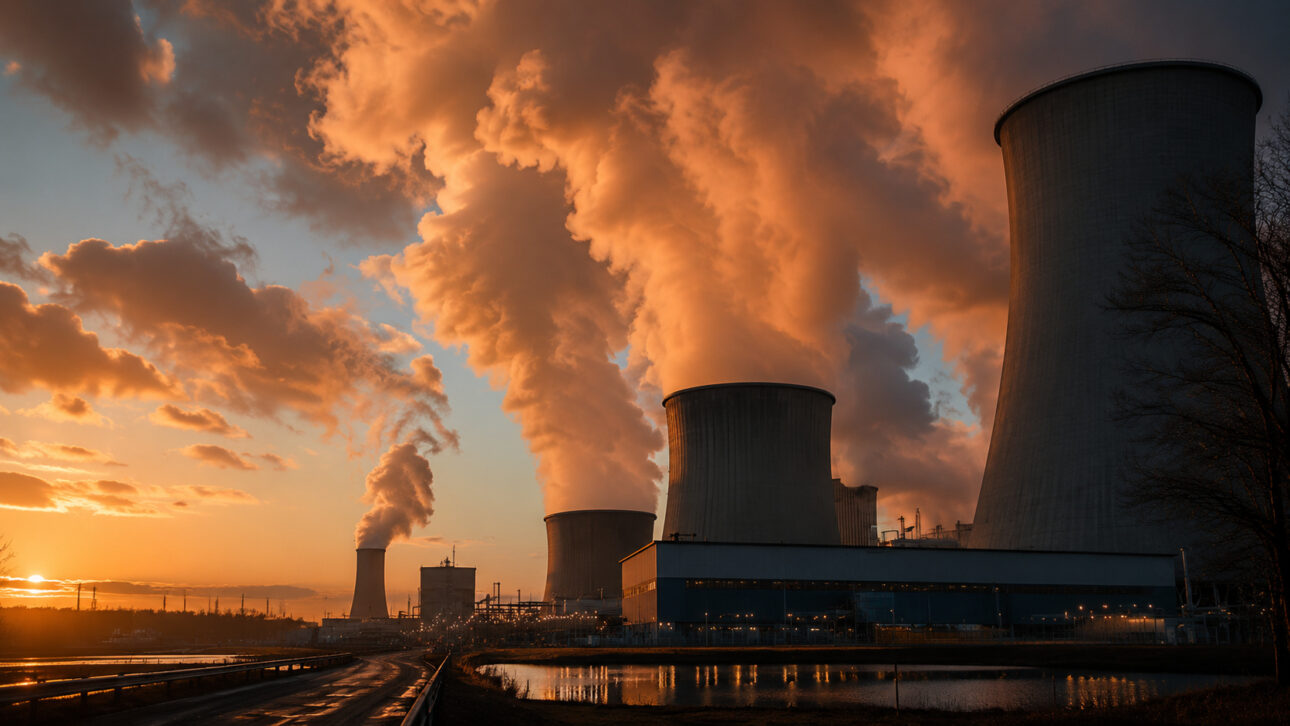
Poland still heavily depends on coal. In 2024, this source generated 57% of the country’s electricity and nearly 150 million tons of CO2, a gas associated with global warming.
The remaining 19 mines produce about 60 million tons of thermal coal per year. Thermal coal is the coal primarily used to generate electricity in power plants.
Research by the Instrat Foundation, a Warsaw-based study group, indicates that most of the surviving mines are expected to close in the next decade. Production may drop to about 23 million tons in 2030.
Reuters, an international news agency with global coverage, provided the key numbers on electricity, remaining mines, coal production, and renewable energy job forecasts.
Clean energy can create jobs, but it does not automatically swap the miner’s helmet for another profession
The renewable energy sector already employs about 194,000 people in Poland. The forecast mentioned reaches 300,000 jobs by 2030, an important number for a country trying to reduce its dependence on coal.
But this does not mean that all miners will be able to change jobs without preparation. A person who has spent years in a mine needs training, clear information, and a real opportunity to enter another sector.
Among the areas mentioned are the installation of solar panels, heat pumps, and wind turbines. These activities require technical labor and can leverage some of the experience of those who have already worked with machines, maintenance, and difficult environments.
The big difference is in time. Preparing workers before the mines close can prevent families from receiving the news only when the problem has already reached their doorstep.
Old mines become museums, tourist neighborhoods, and technology centers to give new use to the industrial past
Katowice and nearby cities are trying to transform old coal areas into new spaces for work, memory, and visitation. The Silesian Museum was opened in a former mine in Katowice.
In Zabrze, the Coal Mining Museum operates inside the old Guido mine. These spaces help preserve the history of mining and can also attract visitors to regions that have lost industrial strength.
In Bytom, the historic area of Kolonia Zgorzelec, formed by workers’ housing, has undergone revitalization over the past decade. Meanwhile, Nikiszowiec, about 5 kilometers from Katowice, has become a tourist attraction with a museum, art gallery, and restaurants.
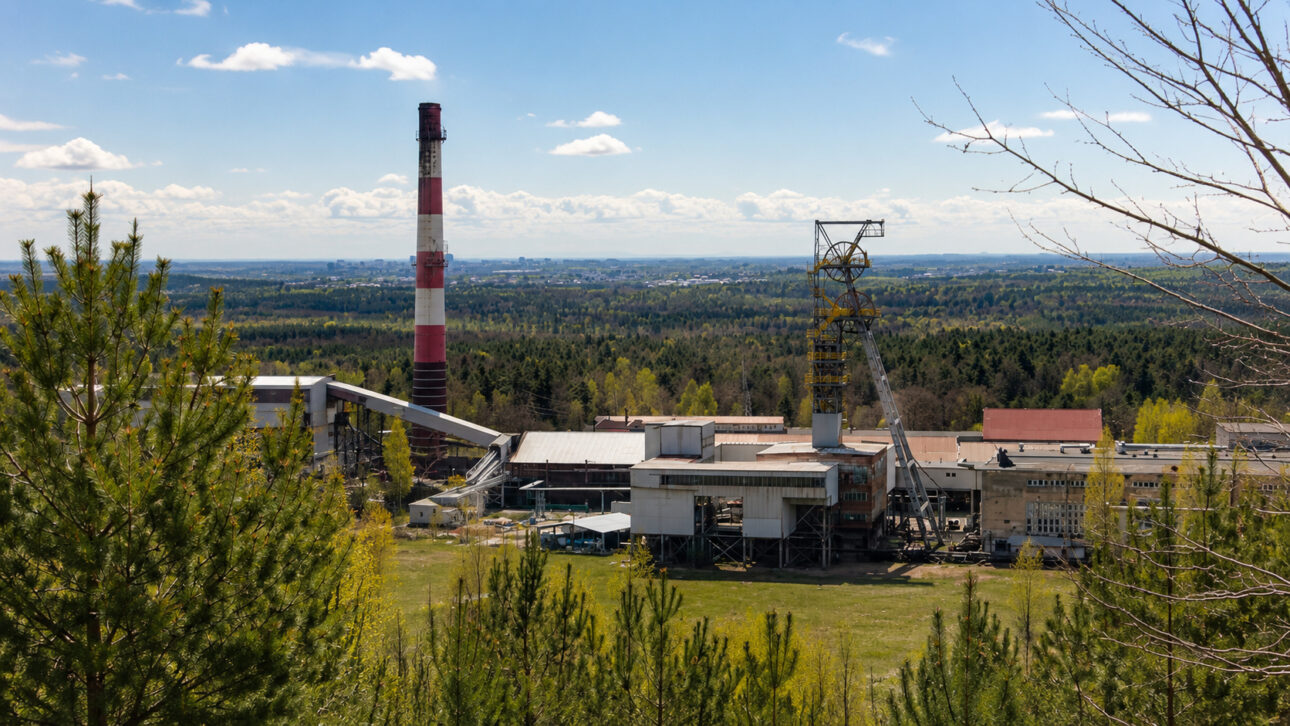
Warehouses and storage facilities of the former Wieczorek mine are also planned to become the Katowice Gaming and Technology Hub, a center focused on new businesses. The proposal gives another function to buildings previously directly linked to coal.
Closing mines without planning for the future can repeat the social wound that Poland is still trying to overcome
The lesson from the 1990s is simple to understand and difficult to apply. When a mine closes, not only a job disappears. Meetings, habits, financial security, and part of a city’s identity also vanish.
Therefore, Poland’s energy transition needs to combine coal reduction, job creation, urban recovery, and dialogue with communities. Without this, clean energy may arrive alongside a new social crisis.
The country’s challenge is to make the change before abandonment appears. Most of the remaining mines are expected to close in the next decade, while the renewable sector could grow to 300,000 jobs by 2030.
Switching from coal to clean energy can reduce emissions and open new opportunities. But for mining cities, the main question remains human: who will ensure that the future also arrives for those who lived from the past?
If an entire city grew around mining, is closing the mine enough to call this progress, or does true advancement begin when workers can also rebuild their own lives?





Be the first to react!