Portuguese
  Spanish


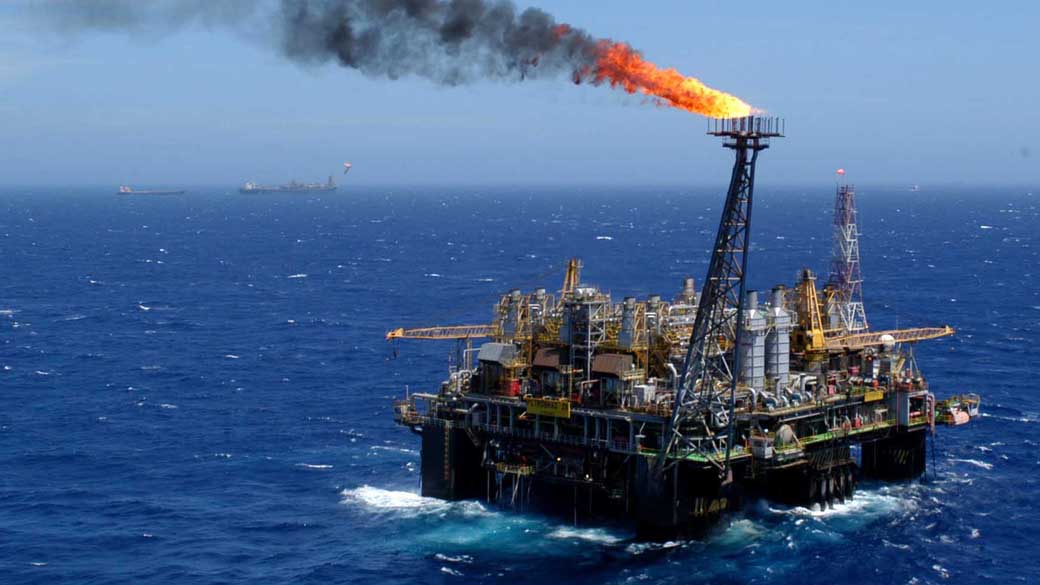

According to ANP, The Pre-Salt Was Key, Responsible for More Than Half of National Production in 2019
ANP published on (30/6) information about the evolution of the oil and natural gas sector in Brazil and around the world in 2019. Data presented by the agency show the leadership of the pre-salt in Brazil, responsible for more than half of national production.
See Also Other News:
- Technicians and Engineers Are Called for Job Vacancies in Minas Gerais on This Day, July 3
- Merchant Marine Fund Approves Transfer of R$ 757 Million Destined for the Naval Sector
- Utilities and Boiler Operator Being Requested for Immediate Embarkation – Shift 21×21
Oil production grew 7.8% in 2019, reaching the mark of 2.88 million barrels/day. The increase was led by the supply of oil from the pre-salt, which rose from 521.5 million barrels in 2018 to 634 million barrels in 2019, averaging 1.7 million barrels/day for the year. The pre-salt accounted for 62.3% of total national production.
-
Petrobras Approves $1.2 Billion Refinery in Brazil to Produce Aviation Fuel and Diesel from Plants

-
Petrobras Secures $2.2 Billion Contract to Build and Operate Four Support Vessels for Brazil’s Offshore Oil Fields
-
Oil production grows in Rio, but reserve replacement raises a warning sign

-
Petrobras is expected to complete the drilling of the Morpho well in the Foz do Amazonas in August 2026, the first well in the Equatorial Margin, an oil frontier that the ANP estimates at more than 30 billion barrels and could redraw the map of Brazil.



Natural gas production increased by 9.5% in 2019, marking the tenth consecutive year of growth, reaching 123 million cubic meters/day. In the pre-salt area, natural gas production maintained its share of the national total, corresponding to 57.9%.
In 2019, petroleum derivatives production was 108.1 million m³, 17.1 thousand m³ higher than in 2018. Of this volume, 104.3 million m³, 96.4% of the total, were produced in refineries, with the remainder split between petrochemical plants.
Thus, Brazil maintained its position as the 10th largest oil producer in the world and holds the title of largest producer in Latin America, a leadership assumed in 2016.