Portuguese
  Spanish



Pátria Investimentos Announced New Wind Farm São Vitor in Bahia, Which Could Start Operating in 2024 After Setbacks
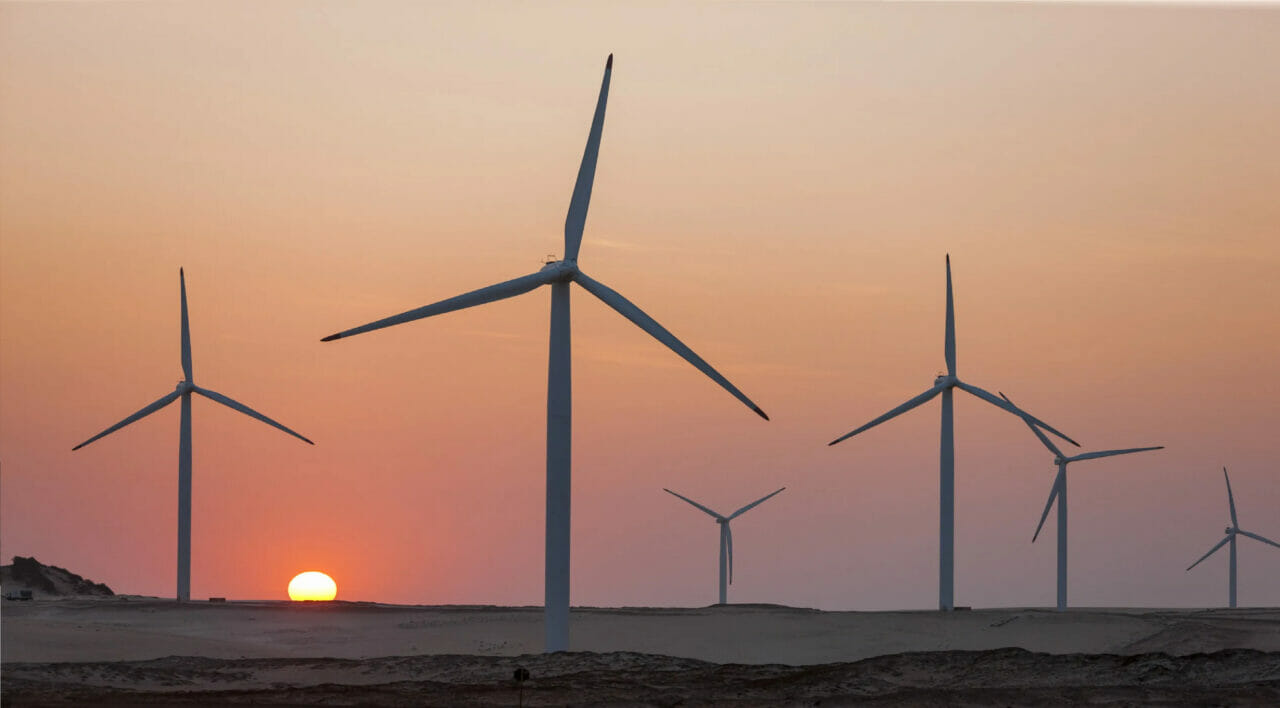
The highly anticipated São Vitor project, a massive wind farm in Bahia backed by the alternative investment manager Pátria Investimentos, is finally ready to begin operations in mid-2024 after overcoming a series of technical setbacks.
The Bahia project, which had been delayed due to problems with the turbines provided by Siemens Gamesa Renewable Energy, is now finally set to start generating power. Marcelo Souza, Head of Energy in Brazil at Pátria, announced in an interview with Bloomberg News that the farm is on the verge of commencing its activities.
Growth Strategy in Bahia
Renewable energy is a key part of Pátria’s strategy to reach the milestone of US$ 50 billion in assets under management by the end of 2025, a significant increase from the current US$ 32 billion.
-
Brazilian scientists are simultaneously advancing two research projects on clean hydrogen and driving solutions that could transform the energy matrix, enhance industrial competitiveness, and accelerate large-scale emission reduction targets.

-
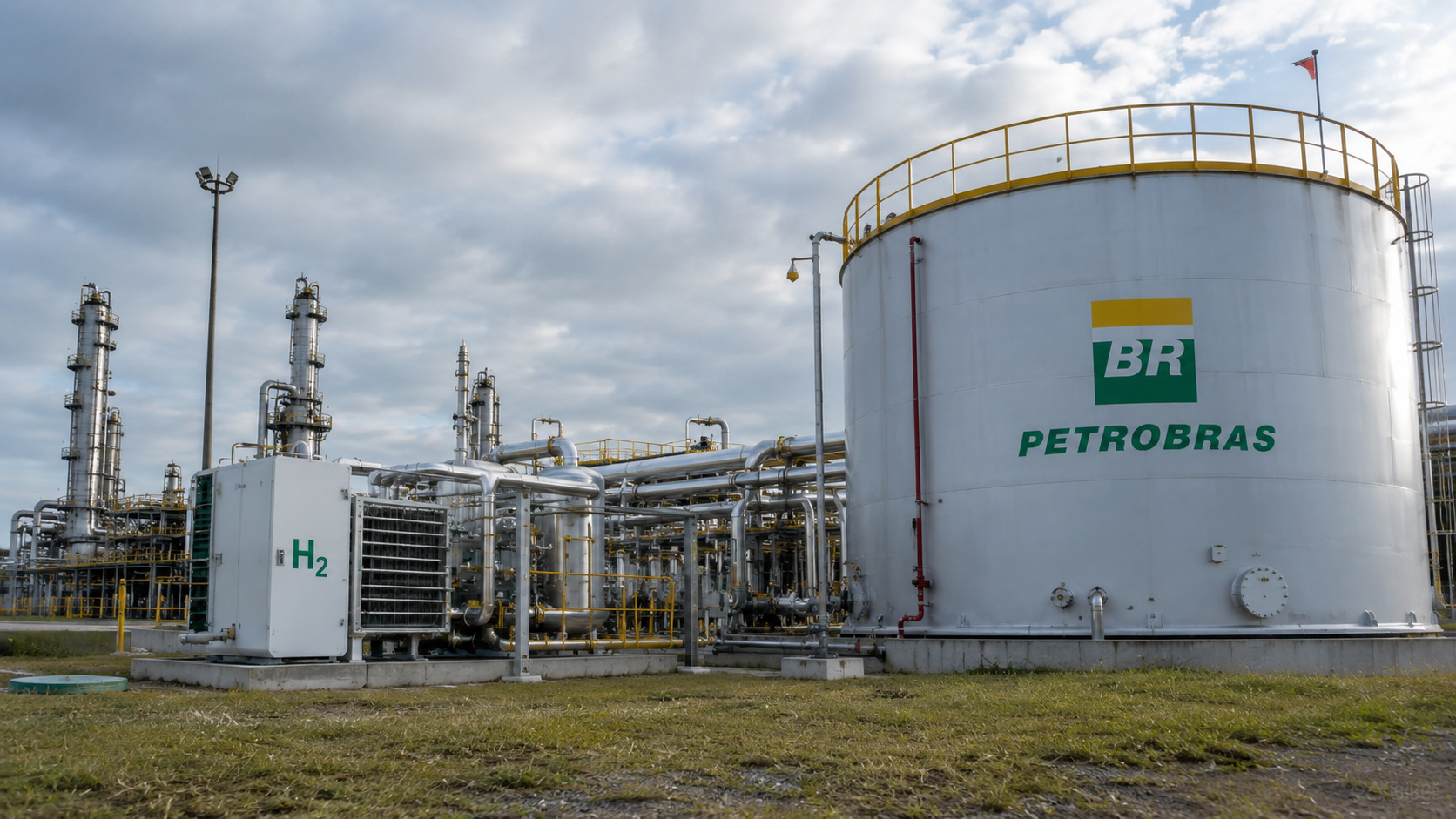
Advancement in renewable energy: A R$ 150 million project launched by Petrobras and Finep aims to create state-of-the-art electrolyzers for green hydrogen, strengthening national research and preparing Brazil to compete in a billion-dollar energy market.
-
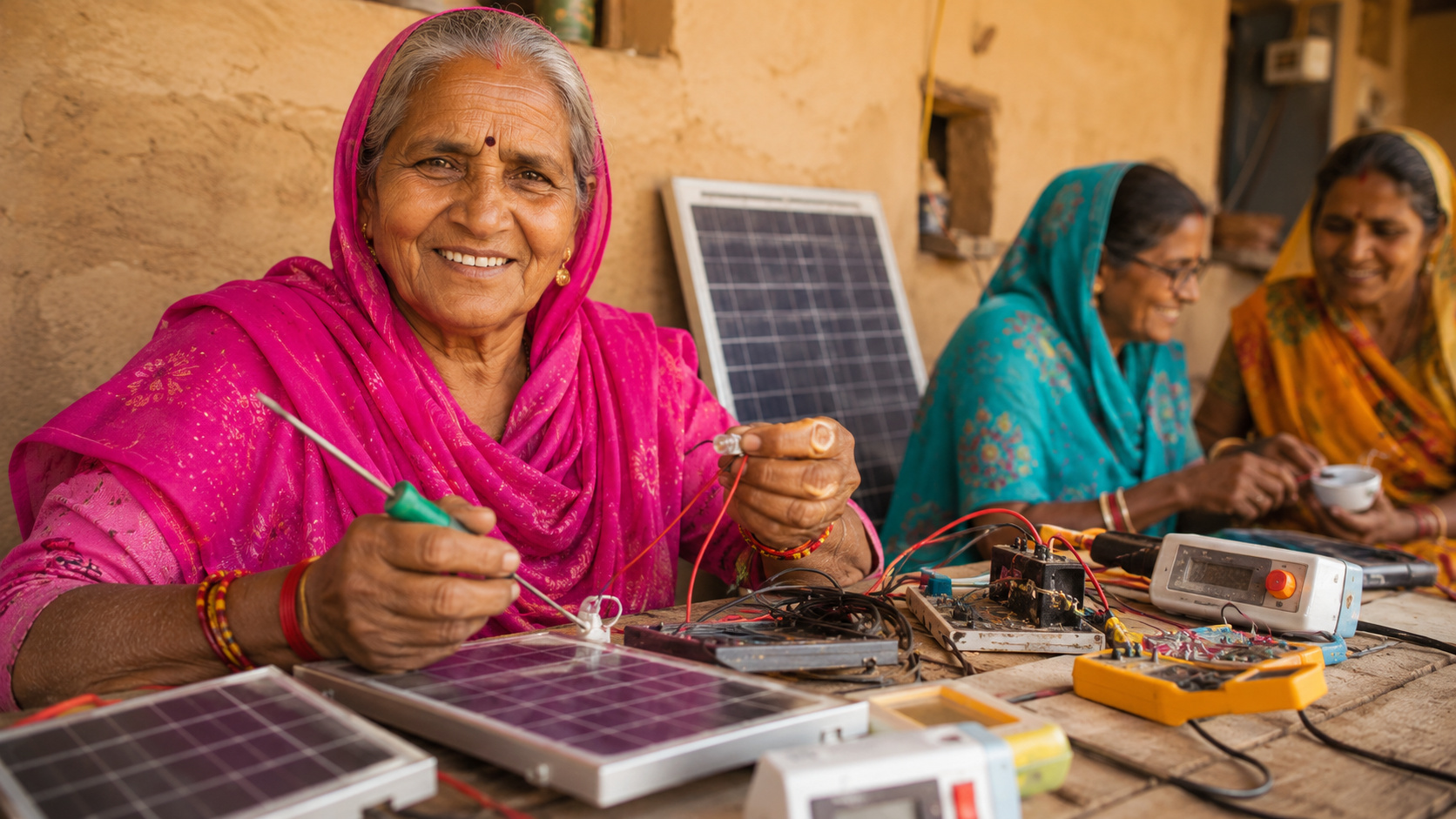
Illiterate or semi-literate grandmothers were trained to repair solar systems, open rural workshops, and light up homes that still depended on kerosene.
-
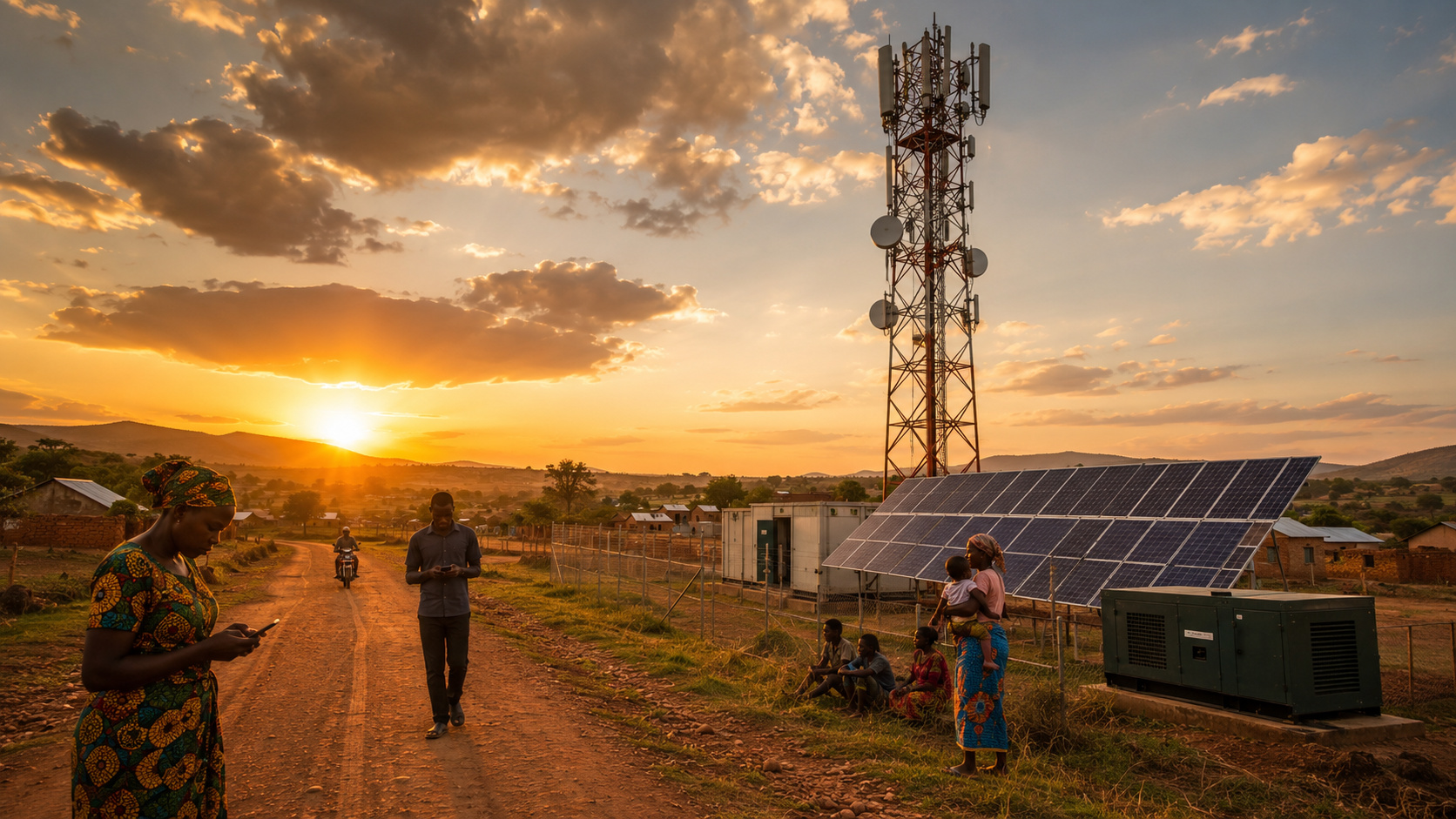
The world has bet on green hydrogen as the fuel of the future, but now faces the side effect: producing 1 kilogram requires about 9 liters of ultrapure water, and the largest projects on the planet are precisely in the driest regions of the Earth, where water is already scarce for people.


The São Vitor project faced technical difficulties, particularly with the turbines provided by Siemens Gamesa. The company stated via email that it is working to complete the installation and commissioning. The farm, representing an investment of R$ 2.3 billion, has an installed capacity of 465 megawatts across 75 turbines and is over a year behind its initial schedule.
Impact on the Wind Turbine Sector in Bahia
The contract for supplying turbines in Bahia was Siemens Gamesa’s largest deal in Brazil at the time it was signed. Pátria, in turn, owns Essentia Energia, a unit dedicated to investments in the wind and solar industries, rapidly growing sectors in Brazil.
With the commissioning of the São Vitor farm in Bahia, the expectation is that the capacity for wind energy generation with turbines in Brazil will increase significantly, contributing to the diversification of the country’s energy matrix and the expansion of the renewable energy sector.
What Are Wind Farms?
Wind farms are facilities designed for generating electrical energy from wind power. They consist of a series of wind turbines, also known as wind generators, that convert the kinetic energy of the wind into mechanical energy through their rotating blades. This mechanical energy is then converted into electricity by an internal generator, which transfers it to the power grid.
Wind farms are usually constructed in locations where winds are consistent and strong, such as coastal areas, mountainous regions, or large plains. Brazil, for example, has great potential for wind energy generation, especially in the Northeast and South regions of the country, due to favorable winds in these areas.
In addition to being a clean and renewable energy source, wind farms also have a positive impact on the local economy, creating jobs during the construction and operation of the facilities. They also contribute to the diversification of the energy matrix, reducing dependence on non-renewable energy sources such as oil and coal.