





 Portuguese
  English
  Spanish
  9 min of reading
  0 comments


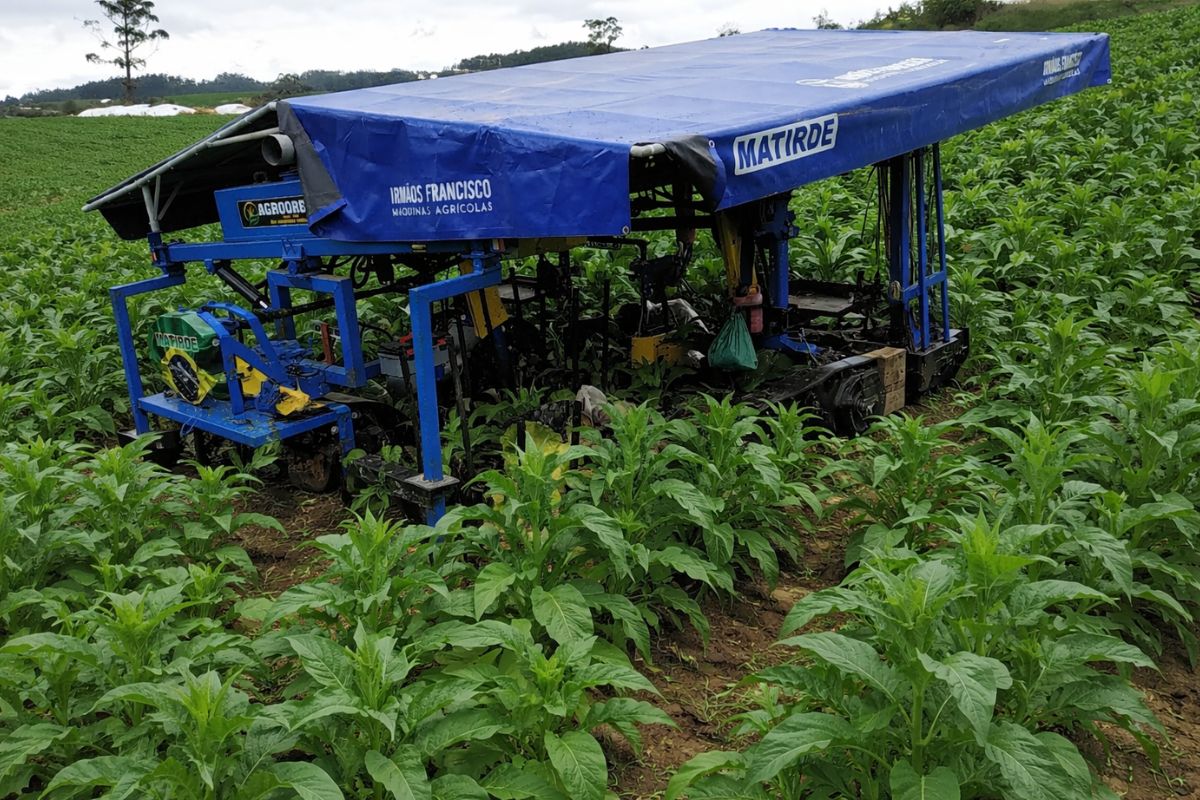
True Story in SC Shows How a Farmer Transforms Tobata into Harvester, Transforms Tobacco Harvesting Machine and Harvester into the Basis of a Family Business in Tobacco Farming.
In the rural area of Araranguá, Santa Catarina, a Farmer Transforms Tobata into Harvester, Solves a Back Problem in the Tobacco Farm and Unintentionally Gives Rise to a Machine That Today Crosses Paraná, Santa Catarina, and Rio Grande do Sul. Martide, written with a strong R on the canvas, Was Born Out of Need, Stubbornness, and a Lot of Curiosity in the Workshop and Ended Up Becoming a Recognized Family Business, with a Line of Producers Wanting to See “The Machine Working on the Hill.”
What Started with an Adapted Tobata to Harvest Tobacco Without Destroying the Farmer’s Body Turned into a Story of Practical Engineering in the Field. From an Improvised Machine in the Shed to a Park with Dozens of Employees, Martide’s Journey Shows How Observing the Farmer’s Pain, Listening to the Field, and Insisting on One’s Own Idea Can Create a Lasting Business in the Interior of Santa Catarina.
The Story That Begins in the Tobacco Field and Ends on Top of the Tobata
The Story of Martide Does Not Begin in an Office, Spreadsheet, or Laboratory. It Was Born in the Tobacco Farm of the Francisco Family in Southern Santa Catarina, Where Newton Grew Up Working from a Young Age.
-
NASA satellites captured the impossible in the Thar Desert, India, with scorching sand turning into a green patch of crops, but the same miracle that feeds millions already covers 50,000 hectares of salt and threatens to sink the land that just flourished.

-
China has fully entered the coffee game, and Brazil is preparing to meet a demand that only continues to grow. The country has more than doubled production in recent decades using the same cultivation area and still has room to expand without deforestation.
-
The United States shipped 149 thousand tons of Brazilian beef in four months of record exports, with revenue reaching 962 million dollars, and the World Cup in American territory could further accelerate Brazilian livestock.
-
He was going to throw it away, but the ugly stone from the field hid agate and amethyst worth up to R$ 600 each: this is how a retired farmer from Itapiranga, Santa Catarina, turned what hindered planting into a treasure mine sold throughout Brazil.


Back in the 1970s, the family Received One of the First Tobacco Harvesting Machines Imported from Canada by a Tobacco Company, an Advanced Equipment for the Time, with Hydraulic System, Remote Commands, and Complete Solution for Harvesting and Finishing.
While Other Similar Machines Stopped Due to Lack of Parts and Assistance, the Family’s Machine Kept Running for a Simple Reason: Newton Had Curiosity, Mechanical Reasoning, and Did Not Accept Leaving a Machine Idle Due to Lack of Solution.
When Maintenance Depended on Parts That Did Not Exist in Brazil, He Would Go to the Machinist, Explain What He Needed, Mentally Draw the Component, and Together with the Professional, Create the Custom Piece.
Years Later, Around 2000, He Left the Partnership with His Brothers, Became Secretary of Agriculture, and Then Returned to the Field on His Own. That Was When Reality Hit Harder.
Without the Old Imported Machine, He, His Sons, and the Whole Family Went Back to Harvesting Tobacco by Hand, Under the Sun, Carrying Weight, and Straining Their Backs Day After Day. The Physical Toll Was Not Sustainable.
When the Farmer Transforms Tobata into Harvester to Save His Back

Facing Back Pain and a Lack of Machine, Newton Decided He Was Not Going to Return to the Past. This Was When the Farmer Transformed Tobata into Harvester for the First Time, Using What He Had on His Property.
He Took a Whole “Tobatinha,” Used the Mechanics as a Base, and Built on Top the Chassis of a Tricycle for Tobacco Harvesting.
The Principle Was Simple and Genius at the Same Time. The Lever Transmission Continued, but Became More Ergonomically Controlled. You Pull to Stop One Wheel, the Other Turns, the Machine Makes a Turn in the Middle of the Field.
In Front, Newton Placed a Steering Wheel with a “Crazy” Wheel, Making Maneuvering Easier. The Result Was a Kind of Extended Tobata, with a Structure of Iron, Steel, Seats, and a Harvesting Platform Designed for Line Work.
Inside the House, the Invention Did Not Surprise Anyone. The Children Say They Always Grew Up Among Sheds, Tools, and Inventions, Watching Their Father Create Solutions for Everything That Was Too Heavy or Complicated to Handle.
From an Improvised Pesticide Pump to Accessories to Facilitate Handling, the Mindset Has Always Been the Same: If the Work Is Too Hard, It’s Because the Machine Is Not Right Yet.
From Tobacco Sheds to the Martide Family Business
The News That There Was Someone “Making Tobacco Harvesting Machines in Brazil” Spread Quickly Through the Region. Gradually, Neighboring Producers Started Appearing to See the Invention in Action, Request Modifications, and Ask if It Could Be Made Like Theirs. The Old Tobacco Sheds Ended Up Becoming a Workshop, and the Workshop Became a Blueprint for Industry.
The Beginning, However, Was Anything but Romantic. Without Capital to Invest in Parts, Newton Even Sold the Family Car to Keep Producing.
He Claims He Went from a Comfortable Standard of Living to a Financial Moment “Slightly Below Zero,” Holding on to the Vision that One Day the Machine Would Be Recognized and Have a Market.
As Often Happens, “A Saint at Home Doesn’t Make Miracles”: The First to Doubt Were Those Close to Him, Who Did Not Believe the Invention Could Become a Business.
Even So, He Insisted. From One Machine a Month, Production Went to Two a Week. From One Man Alone Welding, Machining, and Assembling, the Project Grew to Employ About 18 People.
The Strongest Turning Point Came Around 2020, When Advertising Stopped Being Advertising and Became Word of Mouth.
Farmers Who Had the Machine on Their Properties Started To Share, Show Videos, Recommend, and, Most Importantly, Report the Real Impact on Harvesting and Health.
How Martide Works, the Harvester Born from Tobata
Today, Martide Maintains the DNA of Tobata but with a Consolidated Own Project. The Engine is a Diesel with Approximately 12.9 Horsepower, Considered Economic for the Routine of Tobacco Farming, Consuming Around 5 Liters Per Day of Harvest.
The Machine Has Five Reduced Gears, with the First Two Being the Most Used in the Field, Allowing Slow Work in the Row While Having Speed for Movement.
The Harvesting Platform is Modular for Three to Five Rows, Adjusting the Width to the Reality of Each Producer. In 2026, the Price Ranges from 145 to 195 Thousand Reais, with Strong Participation from Tobacco Companies in Financing, Many of Which Offer Interest-Free Conditions to Encourage Mechanization.
The Load Capacity Goes from About 40 to 96 Bundles of Tobacco, All Tied with Straps, Ready to Go to the Curing Shed.
The Lameiro Tires with Grips Ensure Traction on Wet and Irregular Terrain, and Mechanical Traction Works Together with the Hydraulic System, Which is Responsible for the Chassis Articulation, Steering Movement, Brakes, and Operating the Platforms and Spraying Bars.
The Same Machine That Harvests Can Also Apply Pesticides, Such as Insecticides and Specific Tobacco Products, Reducing Back and Forth Trips in the Field.
Hillside Articulation: Why It Works on Difficult Terrain
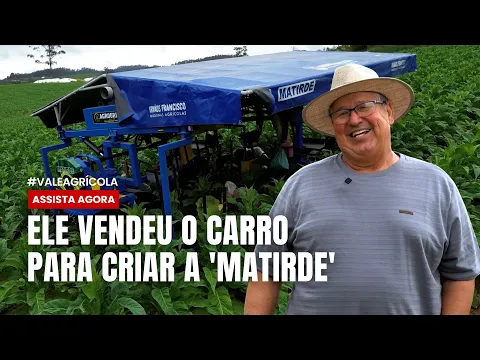

After Martide Spread Throughout Southern Santa Catarina, It Started to Move Up the Map Towards the Alto Vale and Other Hill Regions.
Producers Such as Jeferson in Petrolândia Were Left with “A Flea Behind the Ear”: Would a Machine Like This, Born on Flatter Ground, Withstand Steep Slopes Without Slipping or Tipping?
The Answer Came in the Form of Practical Demonstration. Instead of Promises, Newton Took the Machine to the Property, Put It to Work on the Hills, and Only Then Talked Business.
Martide Works with Hydraulic Articulation, Using Pistons That Allow the Chassis to Tilt, Compensating for Differences in Level and Keeping the Harvesting Platform Operating with Stability Even on Inclines Near 30% or More.
This Design Adjustment Was Essential for the Expansion of Martide Throughout the Southern Region Because in Practice, What Most Discourages Farmers from Mechanization Is the Feeling of Insecurity on Uneven Terrain.
By Showing That the Machine Adapts to the Terrain, Maintains Traction, and Distributes Weight Without Requiring Exaggerated Effort from the Operator, the Invention Has Shifted from Being “A Flat Thing” to a Solution for Slopes as Well.
Comfort, Back, and Shade: Impact on the Tobacco Farming Routine
Despite All the Technical Aspects, Those Who Work with Tobacco Know That the First Benefit Is Not Numbers, But the Body. Tobacco is a Summer Culture, Hot, Humid, Often Under Strong Sun.
Harvesting While Sitting, in the Shade, on a Martide Made from the Idea of a Farmer Transforming Tobata into Harvester, Completely Changes the Workday Experience.
The Machine Accommodates Four People: Usually Three Harvest and One Operates. The Seats Are Made of Injected Foam, the Same Type Used in Tractors, with Adjustable Height and Distance to Preserve the Back.
On the Platform, the Worker Supports His Feet in Specific Spots, Activates the System with His Own Weight, Lowers the Structure, and Picks Up the Tobacco Leaf Without Having to Bend Down All the Time.
Instead of Pulling Heavy Trailers by Hand or Pushing Improvised Equipment over Wet Terrain, the Operator Now “Guides” the Harvest. This Drastically Reduces Physical Effort, Eases Chronic Pain, and In Many Cases, Allows Older Producers to Continue Working with Less Suffering.
In a Scenario Where There Is a Lack of Labor for the Field Work, This Mechanization Is Not a Luxury; It Is a Condition for the Survival of the Production System.
Financing, Labor Shortage, and Presence in All Three Southern States
The Growth of Martide Is Also Linked to a Broader Context. Tobacco Companies, Interested in Ensuring the Continuity of Production with Less Risk of Abandonment Due to Exhaustion, Have Started Financing the Purchase of Machines.
Many Offer Interest-Free Options or Extended Terms, Helping Small and Medium Producers Access Technology That Previously Seemed Distant.
At the Same Time, It Is Becoming More and More Difficult to Find People for Laborious Work in the Field. Young People Migrate to the City, Seek Other Types of Jobs, and Leave Families with Little Labor Force.
A Machine That Replaces Manual Labor with Assisted Operation Reduces Costs, Increases Productivity, and Makes the Property More Competitive Even with Fewer People.
Today, Martide Is Present in All Three Southern States: Paraná, Santa Catarina, and Rio Grande do Sul. In Many Places, It Has Become a Visual Reference for the Modernization of Tobacco Farming.
A Producer Who Visits His Neighbor, Sees the Machine Working, Tests a Harvest, and Often Becomes a Customer Soon After.
Family Business, Copies, and Pride in Seeing the Idea Spread
Behind the Brand Is a Well-Defined Family Structure. Newton Continues on the Technical Front Line and on the Road, Participating in Field Days, Demonstrations, and Conversations with Farmers. His Wife Closely Follows the Routine, While the Children Take on Specific Roles.
One Manages Administration and Flow within the Factory, Another Handles Technical Delivery and Maintenance, Another Looks After Finances and Customer Relations. The Son-in-Law Works on Sales and Event Organization.
The Feeling Within the Family Is One of a Mission Accomplished in Construction: The Initial Idea Did Not Die in the Workshop; It Became a Company, Employment, and a Real Solution for Hundreds of Producers. So Much So That, According to Newton, There Are Already Companies Copying Martide’s Concept.
Instead of Getting Irritated, He Uses This as a Quality Meter. If Someone Is Copying, It’s Because the Machine Really Solved a Problem Many People Had.
At the Same Time, He Preserves the Bond with Those Who Believed in the Beginning. Many Customers Have Transitioned from Being Just Buyers to Friends, People Who Host the Team at Home Years After Delivery, Show How the Machine Changed Their Routine, and Share Improvements, Adjustments, and Ideas.
A Future That Continues to Emerge from the Country Shed
The Journey of Martide Shows How Innovation in the Field Does Not Always Come from Large Laboratories. Sometimes, It Emerges When a Farmer Transforms Tobata into Harvester Because His Back Can No Longer Handle the Old System, Looks at His Own Pain, and Decides There Must Be a Better Way to Work.
From Araranguá to the Rest of Southern Brazil, the Martide Harvester Combines Practical Workshop Knowledge, Fine Observation of Tobacco Farming, and a Family Vision That Decided to Bet on Its Own Solution.
The Story Is Still Ongoing, with New Models, Different Terrains, and Challenges Such as Fuel Prices, Machine Costs, and the Future of Tobacco Culture.
Have You Ever Seen a Farmer in Your Region Transform Tobata into Harvester or Create Their Own Machines to Facilitate Work in the Field?







-

-

-

4 people reacted to this.