Portuguese
  Spanish


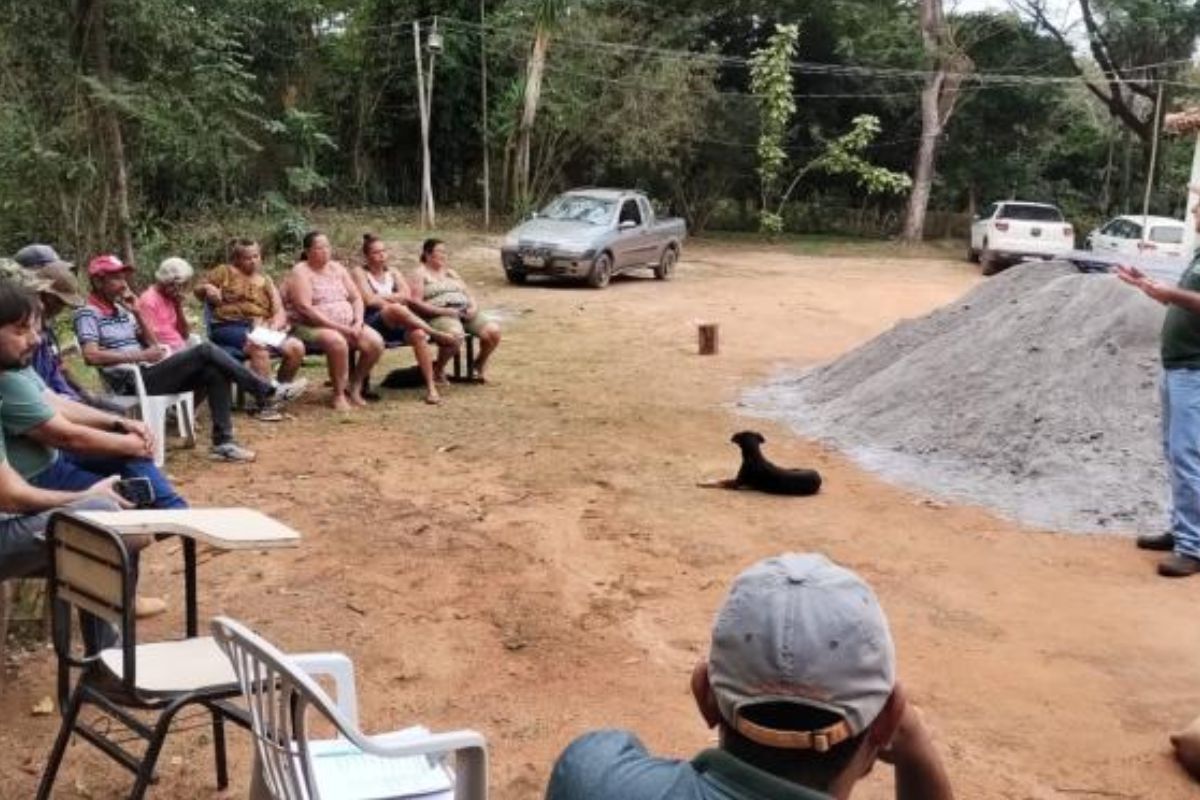

With The Use Of Agrosilico In Properties Of Eastern Minas Gerais, Family Farmers Reduce Production Costs, Improve The Soil And Assure More Sustainable Productivity
Agrosilico is helping family farmers in Eastern Minas Gerais to take better care of the soil and produce more without increasing expenses.
This year, the regional office of Emater in Governador Valadares distributed 980 tons of the input in 28 municipalities, reaching around 400 producers, according to a report published.
This free delivery was only possible thanks to the partnership between the State Secretariat of Agriculture, Livestock and Supply (Seapa), Emater-MG, city halls, and Harsco Environmental.
-
Brazilian Farmer Invents Low-Cost Tractor Using Motorcycle Parts, Efficiently Working 2 Acres on 1 Liter of Diesel

-
Warm water hidden deep in the ocean has been moving towards Antarctica for 20 years, potentially accelerating glacier melting from below.

-
Regenerative Farmers Use Keyline Plow to Improve Pasture Hydration, Storing 1 Gallon of Water Every 30 Centimeters

-
U.S. Offers Nearly $200,000 to Combat Invasive Mussels Threatening Waterways and Hydroelectric Plants


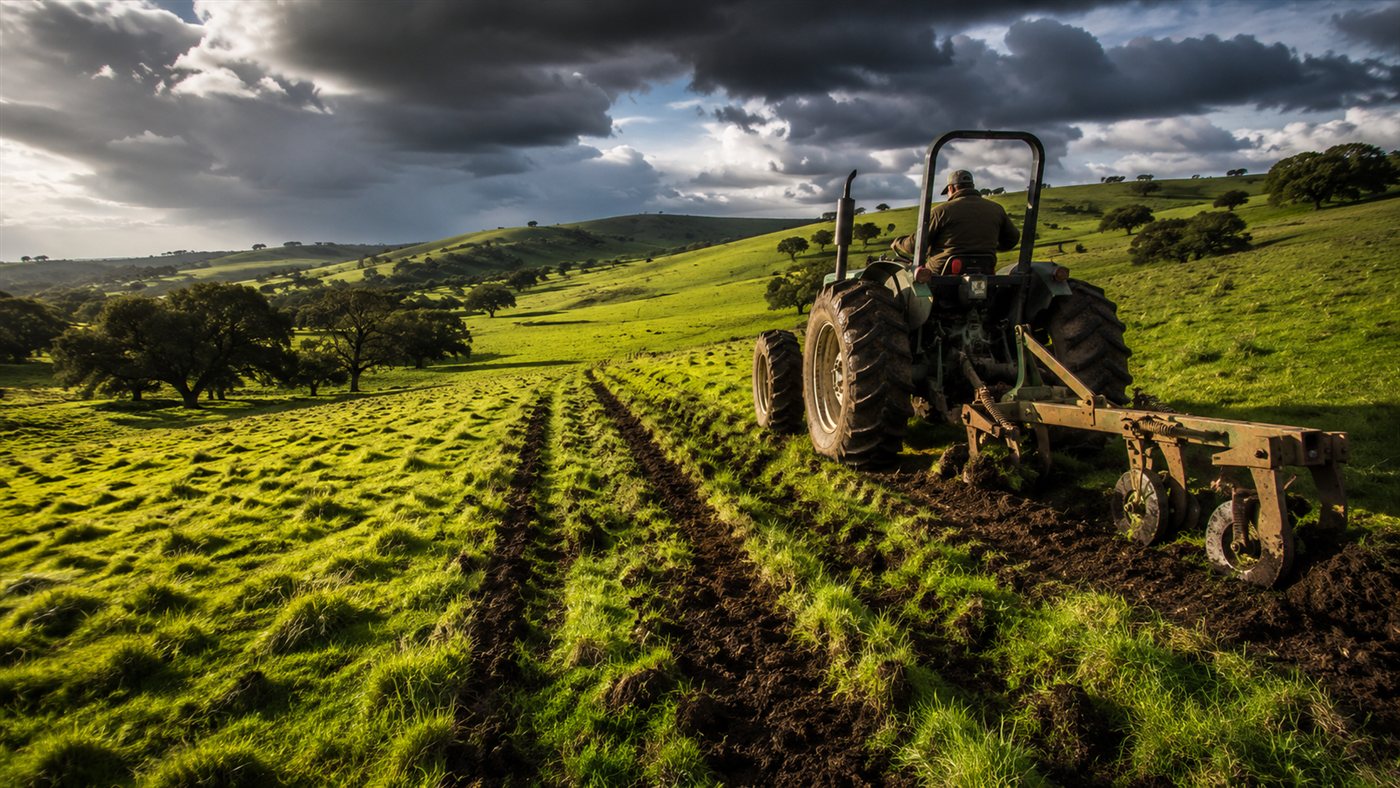

The major highlight of the program is to allow the producer to use agrosilico instead of limestone to correct the soil’s pH.
This correction is essential for plants to absorb nutrients and develop healthily.
Besides saving on the use of chemical products, the result is directly reflected in the increase of crop productivity and the quality of food.
Soil Correction And Family Farming In Eastern Minas
The key word to understand the impact of agrosilico lies in family farming. According to the regional coordinator of Crops at Emater-MG, Jader Murta, the program not only distributes the input but also encourages farmers to analyze and take better care of the land.
This creates a new culture in the field, with greater responsibility in the use of natural resources and appreciation of local production.
The initiative also directly connects with the National School Feeding Program (Pnae), as food grown in soil treated with agrosilico arrives with better quality for school meals.
Thus, what starts with soil correction ultimately benefits not only the producing families but also the students who receive healthier food.
Real Stories From Those Who Already Use Agrosilico
The impact of agrosilico becomes clear when observing the routine of producers like Gislei Alves dos Santos, from the municipality of São José do Divino.
He works with dairy cattle and produces 200 liters per day, sold to a cooperative in the region. Since 2024, he has started using the input in pasture and sugarcane cultivation, which serves as feed for the herd.
With the use of agrosilico, Gislei was able to reduce costs and improve the quality of grass and sugarcane, ensuring better feeding for the cattle.
He has already noticed an improvement in regrowth and plans to double the planted area with sugarcane, in addition to increasing the space allocated for pasture.
This type of result shows that the program is not limited to delivering the product, but also generates real changes in the daily lives of families living off the land.
Sustainability In The Field With Partnerships And Exceeded Goals
Another important point is how agrosilico is reaching the producers. The Fertilizer Donation Program, launched in 2024, united public agencies and the private sector to ensure that the input reaches those who need it most.
In 2025, distribution surpassed goals: 12,667 tons were delivered, when the forecast was 10,000. This number reflects the commitment to expanding access to the product and increasing benefits in the field.
According to the superintendent of Innovation and Agricultural Economy, Marlon Gomes Dias, this union strengthens family farming and democratizes access to technologies that previously did not reach everyone.
Meanwhile, the state technical coordinator for Crops, Sérgio Brás Regina, highlighted that, just in 2025, 111 municipalities were benefited.
In the previous year, about 5,000 tons were allocated to 90 municipalities. With each harvest, the numbers show that the program is growing and consolidating as a tool for sustainability for agriculture.