Portuguese
  Spanish


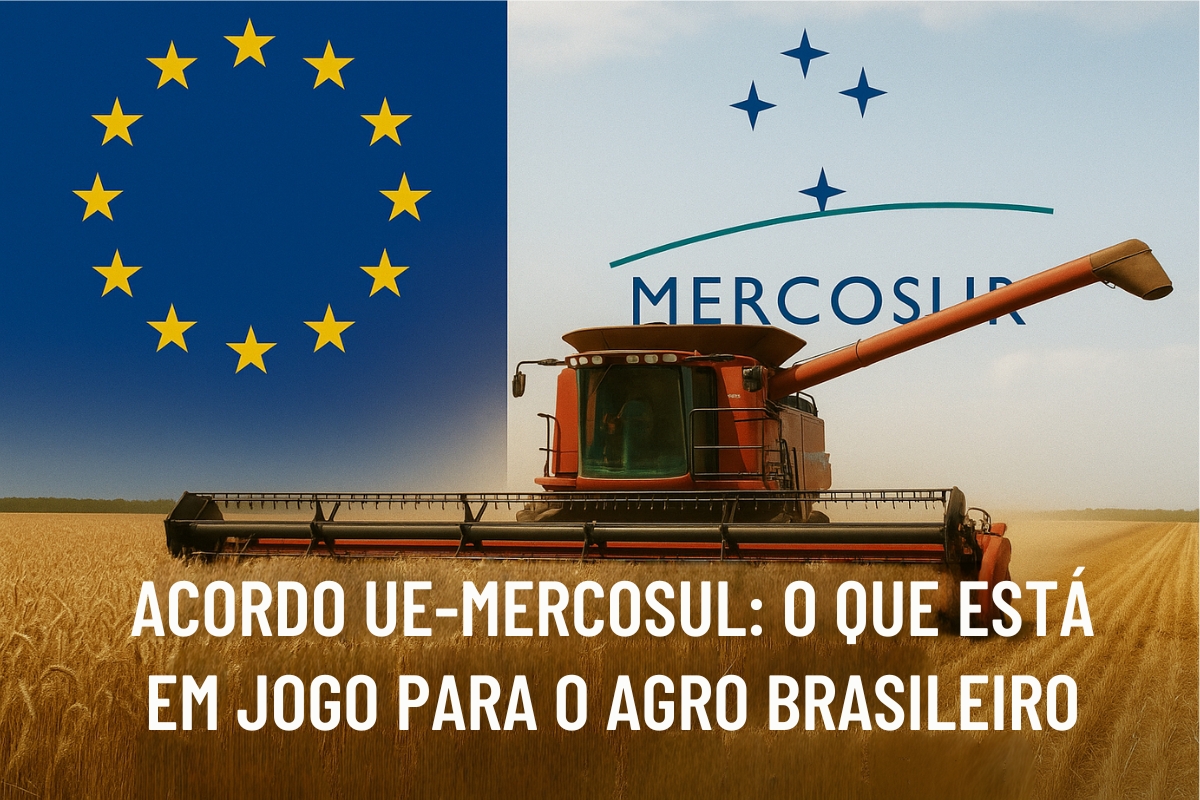

Anticipated Vote in the EU Paves the Way for Signing on December 20, but Rules for Protecting European Agriculture Become a Sensitive Point for Brazilian Exporters.
After 26 years of negotiations, the free trade agreement between Mercosur and the European Union may take a decisive step as early as next week. The Brazilian government’s expectation is that the signing will take place during the Mercosur Summit, scheduled for Saturday (20), in Foz do Iguaçu.
The progress, however, depends on developments in Europe. The text still needs to be confirmed by the EU member states before formalization can occur.
An official linked to the presidency of the EU Council stated on Friday (12) that the intention is to bring the topic to a vote next week. The idea would be to allow the President of the European Commission to sign the agreement in Brazil on December 20.
-
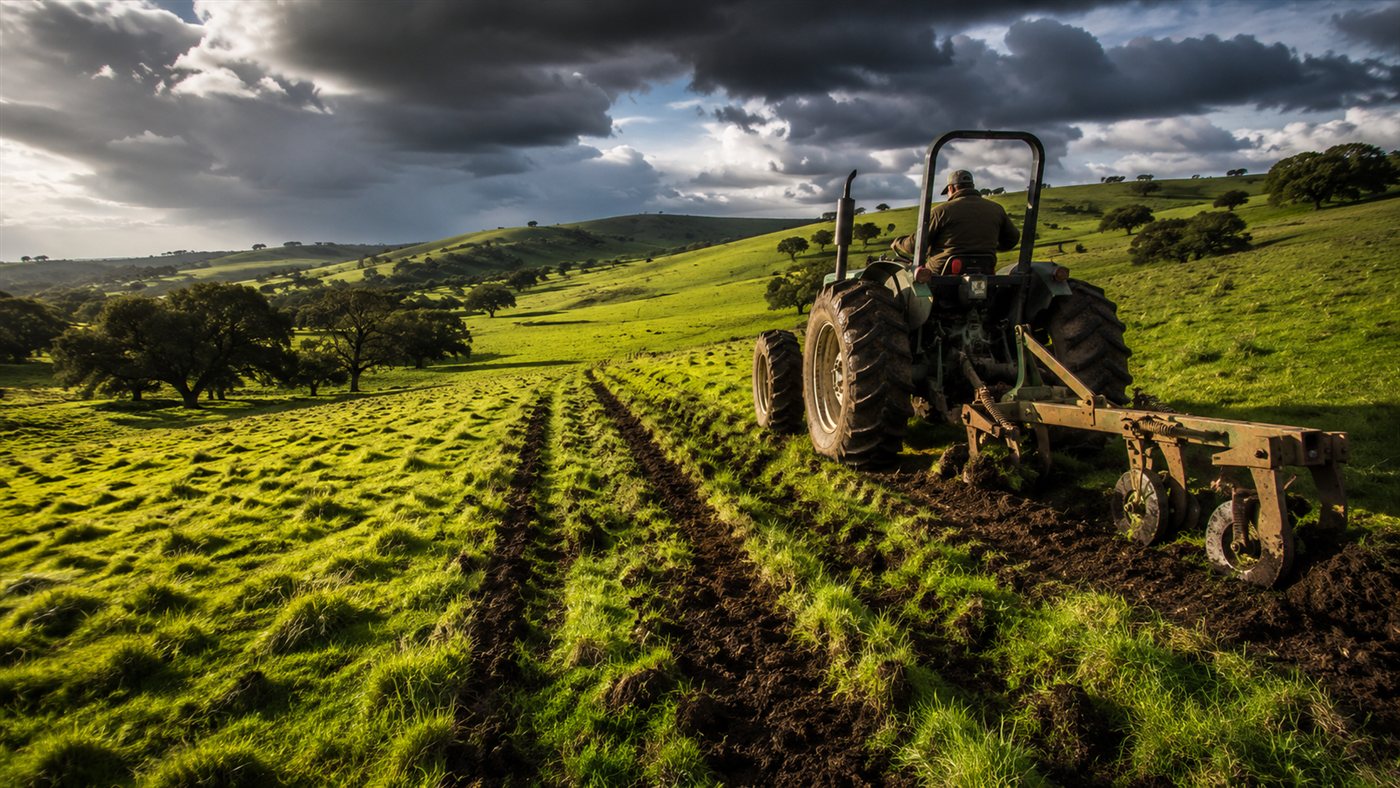
Regenerative Farmers Use Keyline Plow to Improve Pasture Hydration, Storing 1 Gallon of Water Every 30 Centimeters

-
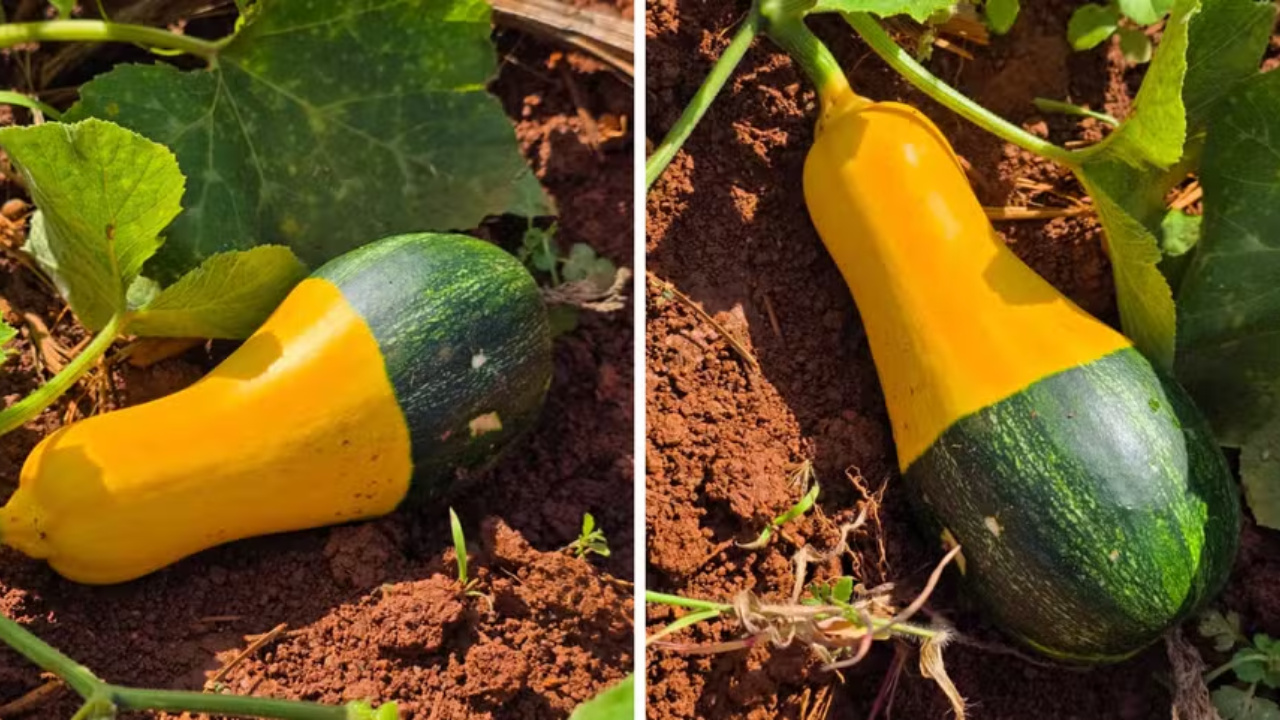
Bicolor Pumpkin Resembling Hand-Painted Art Discovered by Brazilian Researchers in the Capital Due to “Spontaneous Mutation”

-
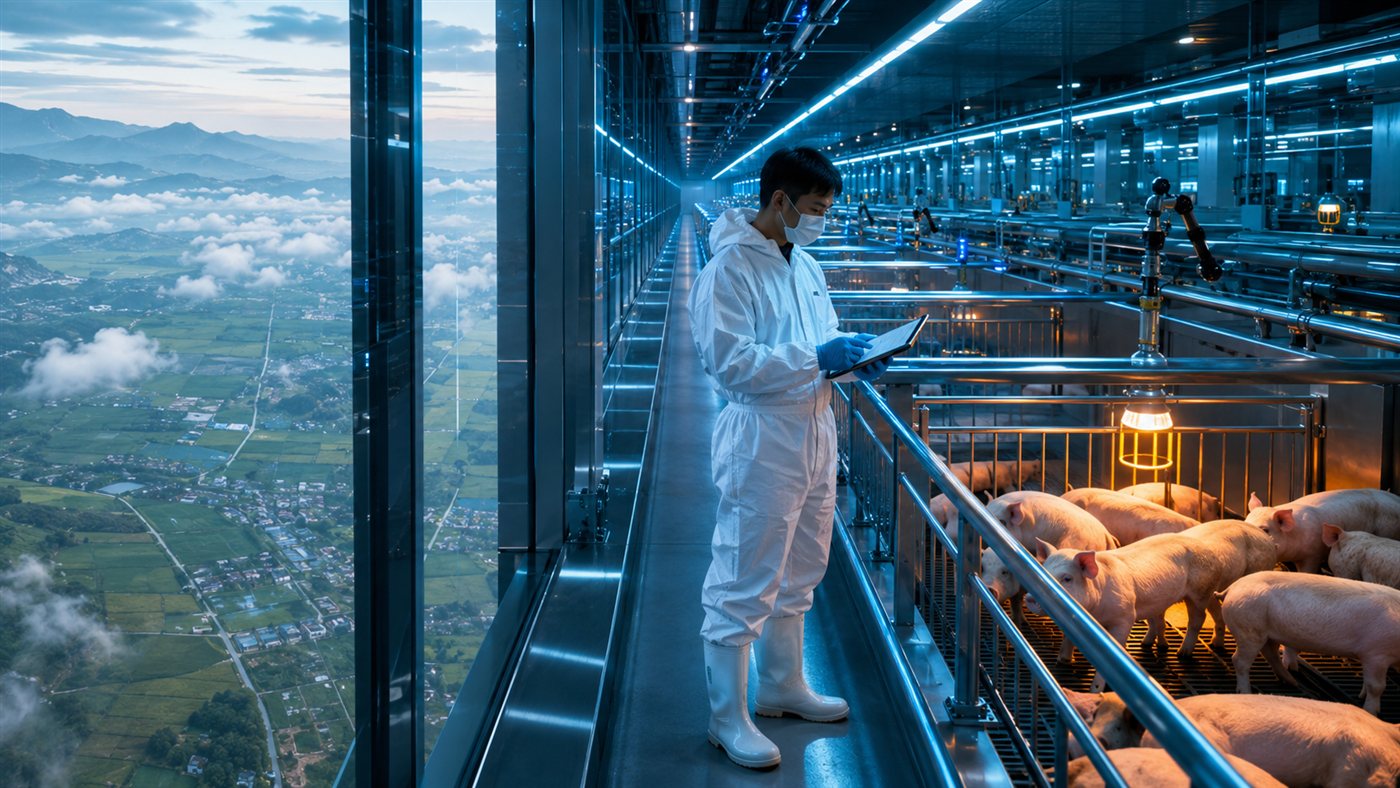
In China, a 26-story building produces 1.2 million pigs annually, revolutionizing livestock farming with tube feeding and AI surveillance.
-
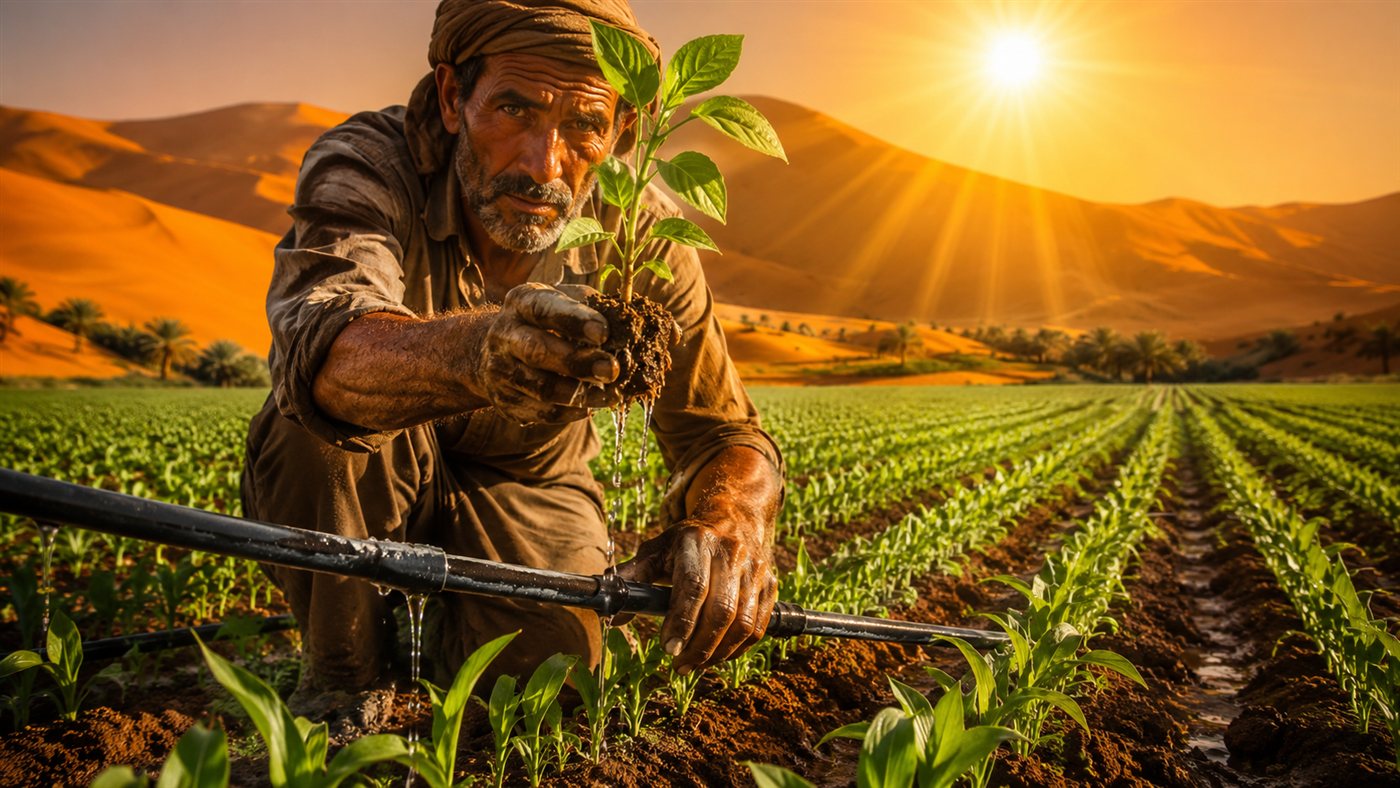
With Nearly 60% Desert, Israel Desalinates Seawater and Recycles 90% of Wastewater to Build a Billion-Dollar Agricultural Powerhouse in Dates and Cotton
European Calendar and Parliament Vote Come into Focus
The Council of the European Union is set to meet on Thursday (18) and Friday (19). Before that, the European Parliament is expected to vote on measures aimed at protecting European agriculture, considered one of the most critical points of the negotiation.
These measures, called safeguards, went through the European Commission on Monday (8). They foresee the possibility of temporarily suspending tariff benefits granted to Mercosur if the European Union determines that any sector of local agriculture is being harmed.
The move is seen as a nod to countries that strongly oppose the treaty, particularly France. At the same time, the topic has raised an alarm in Brazilian agriculture.

Brazilian Agriculture Fears Limits on Exports and Stricter Rules
The Director of International Relations at the Confederation of Agriculture and Livestock (CNA), Sueme Mori, stated that the safeguards are worrisome as they could limit Brazilian exports to the European market, which contrasts with the free trade proposal of the agreement.
She also criticized the fact that the European Union advanced with the safeguards without consulting the Mercosur countries. According to the leader, what may be signed on December 20, if the signing occurs, is the text negotiated between the two blocs.
Brazil emerges as one of the main beneficiaries of the agreement, being one of the largest food producers in the world. The European Union is the second-largest client for Brazilian agriculture, behind China and ahead of the United States.
International Context Reinforces Pressure for Agreement
The potential progress of the agreement occurs amid a decline in Brazilian agricultural sales to the United States. The drop came after the tariffs imposed by then-President Donald Trump.
The surcharge was lifted in November, but nearly half of Brazilian agricultural exports are still subject to it. This context also affects the European Union itself and helps explain why countries like Germany and Spain tend to support the agreement, despite the opposition led by France.
In addition to agriculture, the European Union is also looking to increase exports to Mercosur in sectors such as cars, machinery, and chemical products, as well as agricultural items like cheese and wine. Another stated interest is to reduce dependency on China in the mineral sector.

What the Agreement Provides for Brazilian Agriculture
The treaty is expected to eliminate import tariffs on 77% of agricultural products purchased by the European Union from Mercosur. The expectation is to gain for items such as coffee, fruits, fish, shellfish, and vegetable oils, with import duties being gradually reduced to zero.
Timelines for eliminating tariffs may vary from 4 to 10 years, depending on the product. Foods considered sensitive by Europeans, due to direct competition with local production, will enter a model with export quotas, as is the case with beef and chicken.
Meats: Quotas, Tariffs, and Dispute with European Producers
The meat sector is one of the main focal points of tension. European ranchers, especially in France and Poland, oppose the treaty due to fears of losing ground to South Americans.
France leads European beef production, while Poland is at the forefront for chicken. Brazil, in turn, is the largest global exporter of both types of meat and has been practicing lower prices than competitors for years.
In the case of beef, the Brazilian Association of Meat Exporting Industries (Abiec) explains that there is the Hilton quota, designated for premium cuts, which allows for the export of 10,000 tons per year with a 20% tariff. This percentage would be eliminated if the agreement is approved.

For other types of beef, the current tariff is 12.8% plus 221.1 euros per 100 kg. With the entry into force of the EU-Mercosur agreement, according to Abiec, Brazil would stop paying this tariff by operating with a new joint quota among the other countries in the bloc. Under the treaty, Brazil, Argentina, Uruguay, and Paraguay could jointly export up to 99,000 tons per year, with an initial tariff of 7.5%.
For chicken, the Brazilian Animal Protein Association (ABPA) states that there are currently different quotas for accessing the European market. In the case of fresh chicken, for example, Brazil can export 15,050 tons with zero tariff, and volumes above this limit pay 1,024 euros per ton.
With the agreement, Brazil, along with other Mercosur countries, would have an annual quota of 180,000 tons with zero tariff. This volume would start smaller in the first year and increase in equal annual increments until reaching the total in the sixth year, as detailed by ABPA.
The association assesses that exports outside the quota established in the treaty would still be subject to current tariff rules. For the association, there is room to increase sales as long as implementation occurs with predictability and respect for the rules.

Instant Coffee Gains Momentum and May Attract Investments
Coffee is the second most sold Brazilian product to the European Union in terms of export value, second only to soy. Green coffee, which accounts for 97% of the sector’s sales to the European bloc, already enters duty-free.
The difference lies in instant coffee, which currently incurs a 9% tax, and roasted and ground coffee, which incurs a 7.5% tax, according to Marcos Matos, General Director of the Coffee Exporters Council of Brazil (Cecafé). He points out that Vietnam, the main competitor in instant coffee, already has a zero tariff, which places Brazilian products at a disadvantage.
Under the EU-Mercosur agreement, tariffs on instant coffee and roasted and ground coffee would be eliminated in 4 years. Matos also notes that if the treaty advances, there could be increased interest from European groups to invest even more in the coffee industry in Brazil.

Soy Remains Unchanged: Tariff Has Been Zero for Years
For soy, the agreement is not expected to bring any tariff impact. The grain and meal already enter the European Union with zero tariff, according to Daniel Furlan Amaral, Director of Economics at the Brazilian Association of Vegetable Oil Industries (Abiove).
He explains that this treatment has been maintained for many years. Thus, the Mercosur-European Union agreement does not alter the tariff scenario for soy.
Safeguards: Faster Triggers and Risk of Unpredictability
The safeguards being analyzed in Europe define when the European Union can temporarily suspend the tariff advantages granted to Mercosur. In practice, if imports of an agricultural product deemed sensitive increase by 5% over a period of three years, the EU may open an investigation to assess the suspension of benefits.
In the original proposal released in October, this threshold was set at 10%. The European Commission also reduced the investigation time from 6 to 3 months in general, and from 4 to 2 months for sensitive products.

Researcher Leonardo Munhoz from the Getulio Vargas Foundation’s Center for Bioeconomy (FGV) evaluates that this allows the EU to apply sanctions more rapidly, reducing the time for Mercosur countries to respond and defend themselves.
The Commission also proposes a rule that requires Mercosur countries to adopt the same production standards demanded in the European Union. Munhoz points out that this clause is not included in the original agreement and could generate legal uncertainty, leading to potential challenges regarding agricultural chemicals or fertilizers used in Brazil, for example.
For ABPA, the protections do not eliminate export potential, but they may affect predictability depending on how they are applied. The entity advocates that any safeguard be technical, transparent, and based on objective criteria, so it does not become a disguised barrier.
A Treaty That Arose in the 90s and Returned to the Center of Debate
The EU-Mercosur agreement does not only address agricultural products, but this sector has concentrated much of the disputes. Discussions began in 1999 and reached an understanding in 2019, but the process ended up paralyzed.
Conversations were resumed in 2024 at the request of the European Commission. President Lula stated in November during the G20 that this is an agreement involving around 722 million inhabitants and US$ 22 trillion in Gross Domestic Product (GDP), classifying it as extremely important and potentially the largest trade agreement in the world.