Portuguese
  Spanish


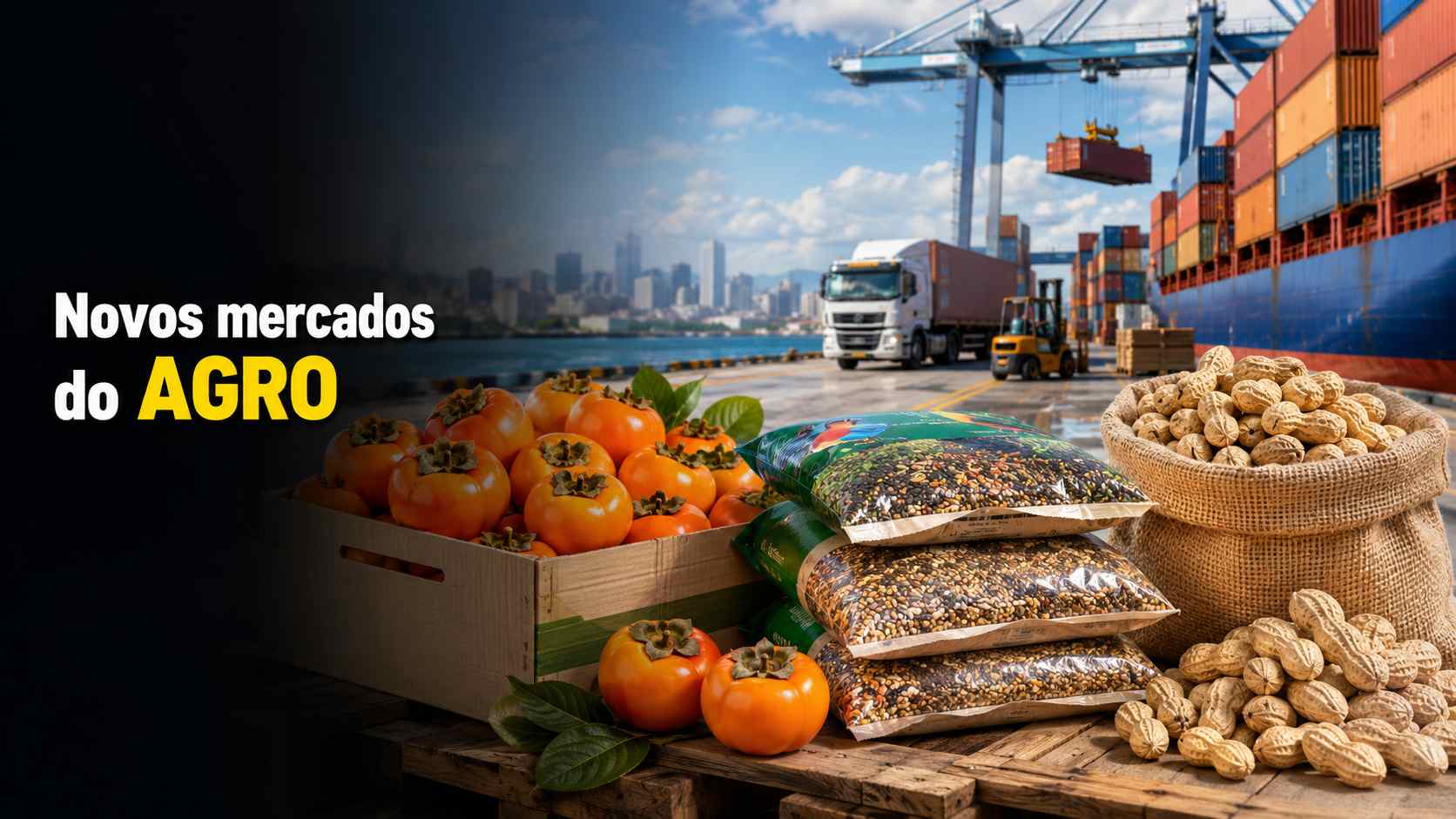

New authorizations for Costa Rica, Mexico, and Nicaragua expand the reach of Brazilian agribusiness, which has reached 616 market openings since 2023, while the Mapa mission in China reinforced dialogues on trade, fertilizers, agricultural technology, sustainability, and bilateral cooperation
Openings for persimmons, feed for ornamental birds and turtles, as well as shelled peanuts, raise the number to 616 markets since 2023, while the Mapa mission addresses trade, fertilizers, sustainability, and technical cooperation with China, the sector’s main global trading partner.
Brazilian agribusiness has reached 616 market openings since the beginning of 2023 after new authorizations to sell products to Costa Rica, Mexico, and Nicaragua, in an advance announced by the Brazilian government and articulated by Mapa and MRE.
The measure opens doors for specific products, diversifies trade destinations, and strengthens Brazil’s presence in countries that already purchase significant volumes. For exporters, each authorization reduces barriers and creates possibilities for external sales.
-
Brazilian Farmer Invents Low-Cost Tractor Using Motorcycle Parts, Efficiently Working 2 Acres on 1 Liter of Diesel

-
Regenerative Farmers Use Keyline Plow to Improve Pasture Hydration, Storing 1 Gallon of Water Every 30 Centimeters

-
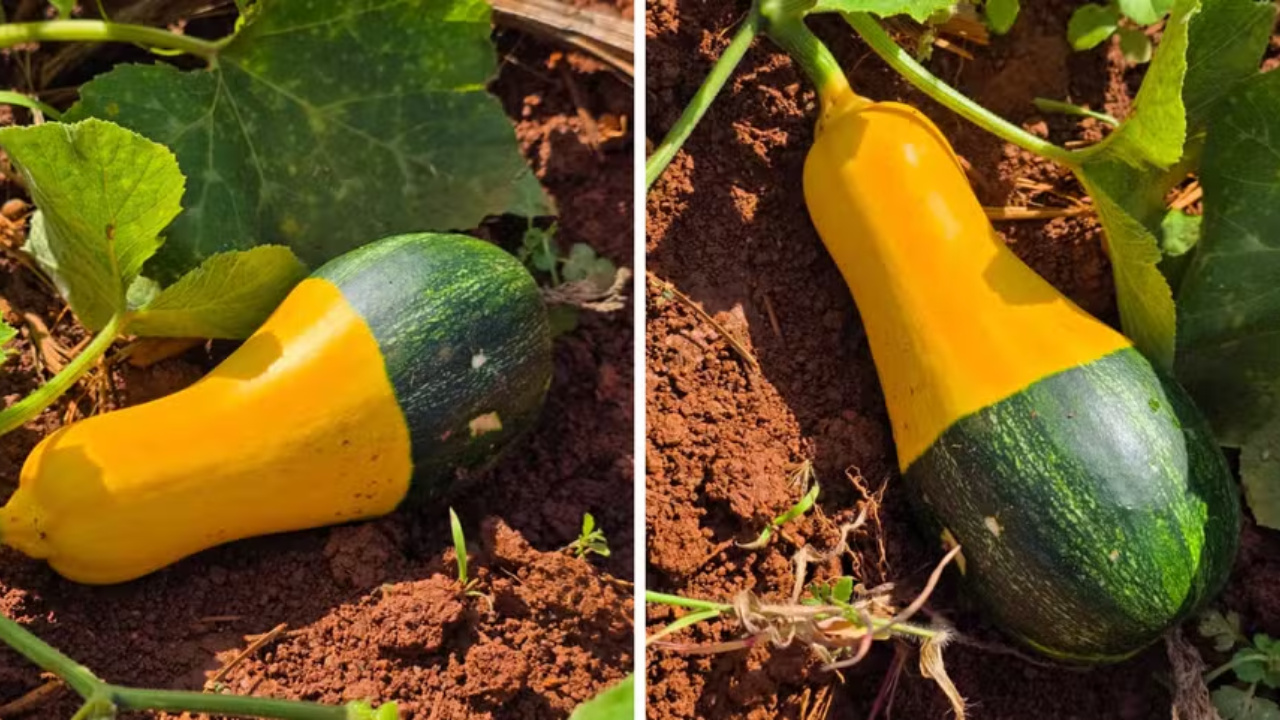
Bicolor Pumpkin Resembling Hand-Painted Art Discovered by Brazilian Researchers in the Capital Due to “Spontaneous Mutation”

-
In China, a 26-story building produces 1.2 million pigs annually, revolutionizing livestock farming with tube feeding and AI surveillance.



Brazilian Agribusiness Gains Three Fronts in Latin America
In Costa Rica, Brazil obtained market access to export persimmons. In 2025, the country bought more than US$ 137 million in Brazilian agricultural products, showing an active trade relationship before the new authorization.
In Mexico, local authorities approved the Brazilian export of feed for ornamental birds and turtles. The Mexican market is the largest among the three mentioned: in 2025, it received more than US$ 3.1 billion in agricultural products from Brazil.
Nicaragua authorized the entry of shelled peanuts. Last year, Brazilian agricultural exports to the country totaled more than US$ 73 million, highlighting corn, rice, seeds, forest products, and feeds.
The data shows the difference between the markets. Mexico appears as a large-scale destination, while Costa Rica and Nicaragua represent concentrated opportunities for products with specific demand.

China Focuses on Trade and Cooperation Agenda
Simultaneously with the new openings, André de Paula concluded a mission to China with meetings in Beijing this Wednesday (20). The agenda included meetings with the Ministry of Commerce, MOFCOM, and the Ministry of Agriculture and Rural Affairs, MARA.
At MOFCOM, André de Paula met with Vice Minister Jiang Chenghua and stated that he chose China as the destination for his first international trip to acknowledge its importance as the main commercial partner of Brazilian agribusiness.
Jiang Chenghua highlighted that Brazil is China’s main supplier of meat, soy, cotton, sugar, and chicken. He mentioned Chinese investments in Brazil in infrastructure, seed improvement, and agricultural technology.
Sustainability and technology enter the agenda
At MARA, André de Paula met with Minister Zhang Zhu. The conversation addressed the diplomatic trajectory between Brazil and China, initiated in 1974, and the recent advancement of bilateral cooperation under the governments of Luiz Inácio Lula da Silva and Xi Jinping.
The delegation presented programs from Mapa related to sustainable, innovative, and low-carbon emission production. The ABC+ Plan, the National Bioinputs Program, and Embrapa’s actions in research, innovation, and technology transfer were mentioned.
The agenda also addressed biotechnology, food security, agricultural modernization, and sustainability. By combining new authorizations in Latin America with strategic dialogue in China, Brazilian agribusiness strengthens technical cooperation.
This article was prepared based on information released by the Ministry of Agriculture and Livestock. The content was supported by AI tools in editorial organization and underwent human review before publication.