Portuguese
  Spanish


Brazil Records Expressive Increase in Agricultural Exports to China While US Tariffs Bring Down Shipments of Beef and Green Coffee
The Brazilian agribusiness recorded significant growth in exports to China in August.
According to the Ministry of Agriculture and Livestock, the increase was 32.9% compared to the same month last year.
The value rose from US$ 3.85 billion to US$ 5.12 billion, confirming the Asian country as the main destination for shipments. This result accounts for 35.8% of the sector’s total revenue for the month.
The growth was driven by products that lost market share in the United States. Green coffee, for example, saw an increase of 131.8% in sales to China. Raw beef also grew by 89.8%, while raw cane sugar rose by 20.3%.
-
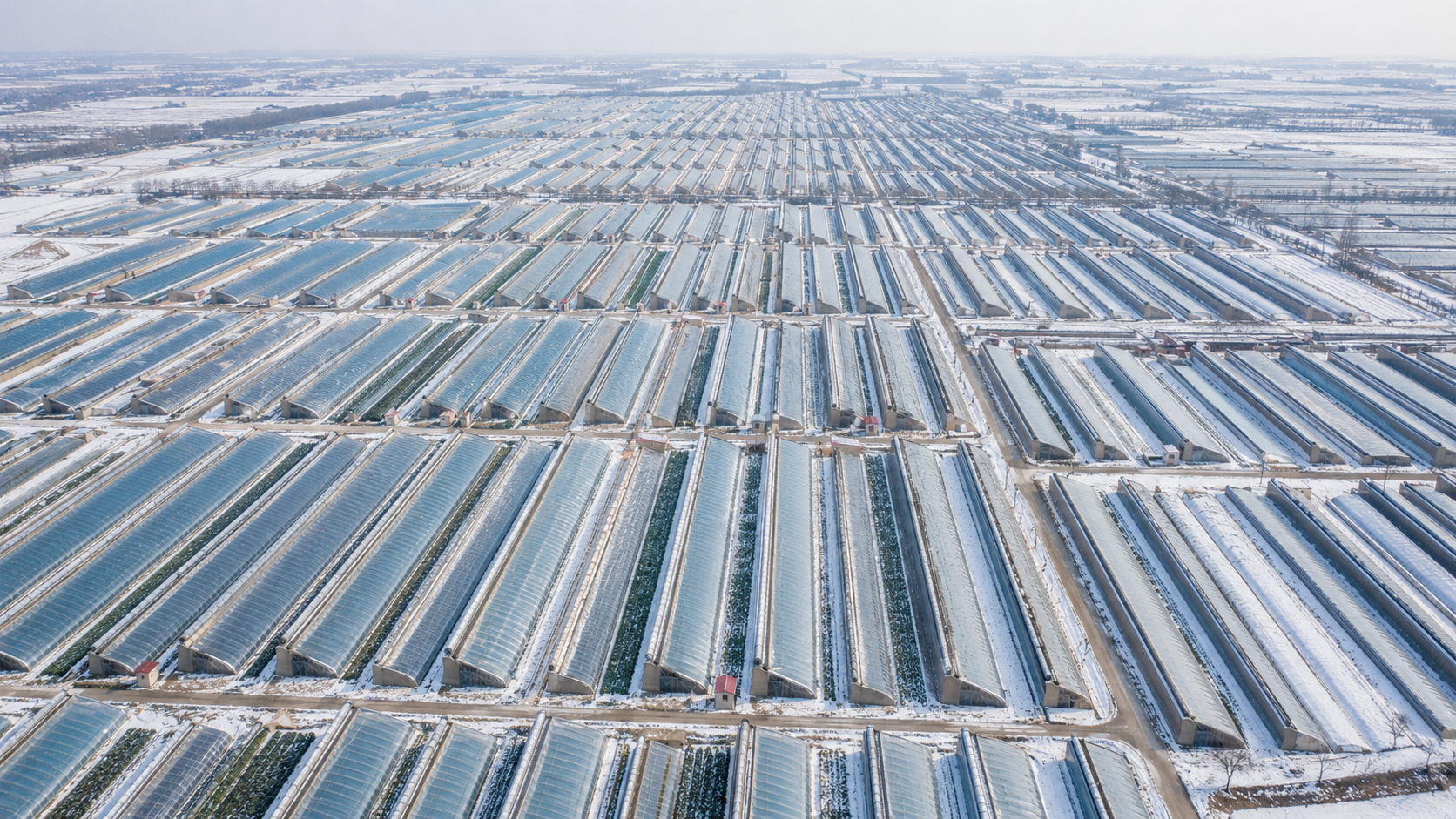
Chinese Farmers Develop “Blanket Greenhouses” to Grow Vegetables in Extreme Winter Without Heaters

-
Centuries Before Modern Greenhouses, English Gardeners Used Horse Manure to Grow Pineapples in Cold Climates

-
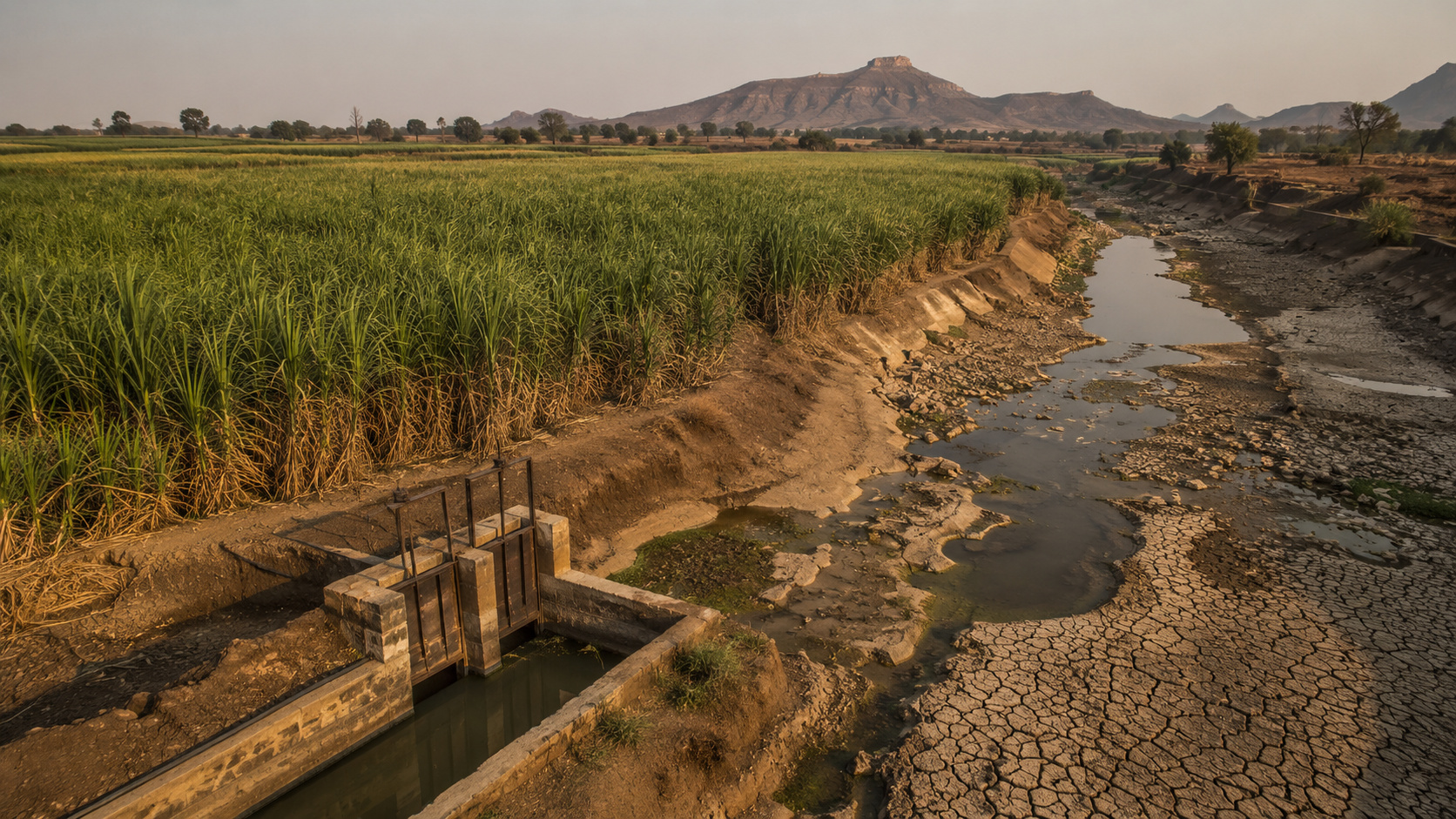
Sugarcane Cultivation in India: A Symbol of Water Stress and Environmental Strain Amidst Global Demand for Sugar and Green Fuel
-
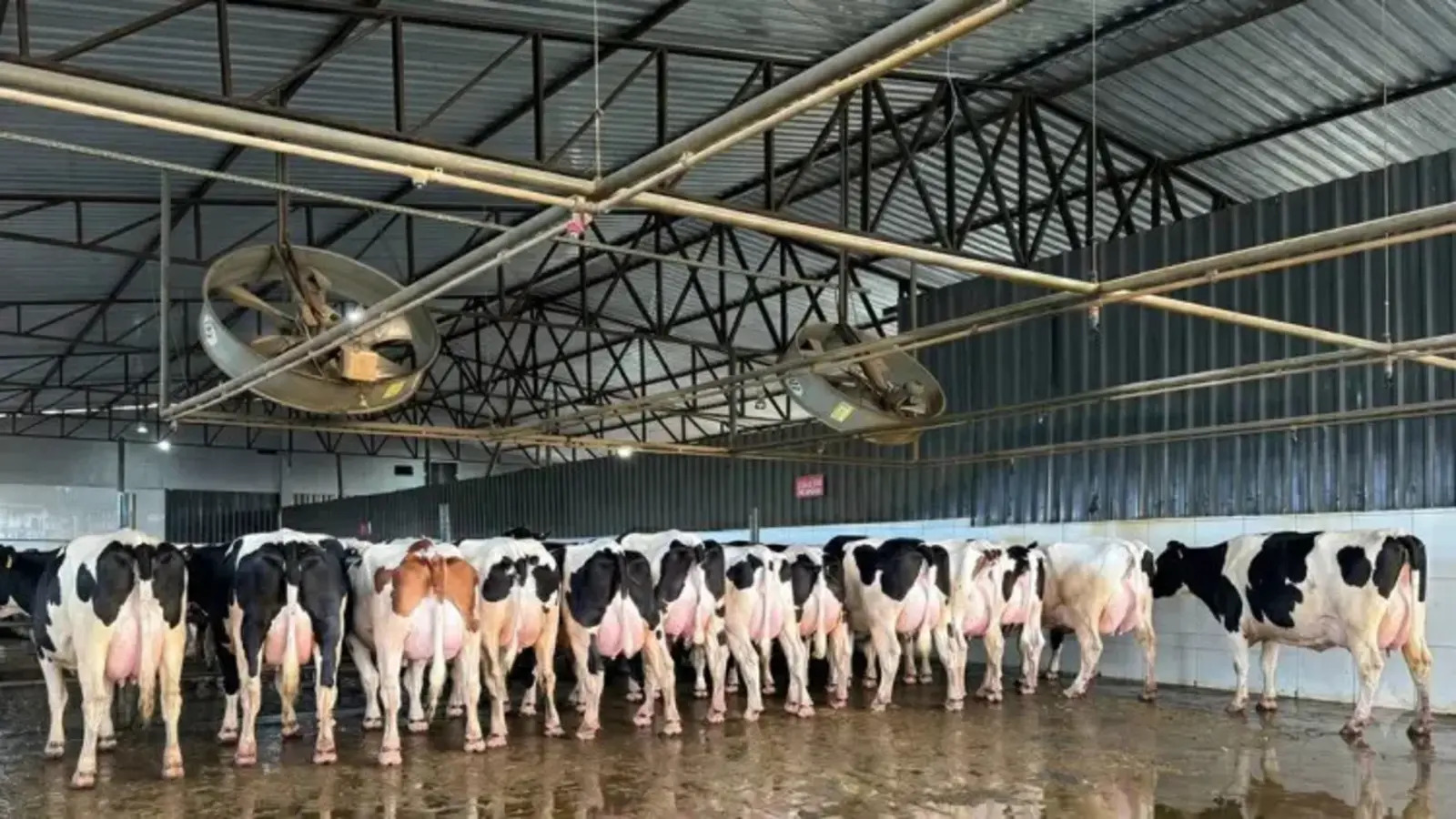
Innovative Farm in Northeastern Brazil Combats Drought with Advanced Techniques, Aiming for 10,000 Liters of Milk Daily Production


Retraction in the United States
While China increased its purchases, the United States reduced its participation. Brazilian sales to the North American market fell by 17.6%, totaling US$ 764.97 million.
This result represents a decline compared to the US$ 928.52 million recorded in August 2024. The drop is linked to the imposition of additional tariffs by the Donald Trump administration.
Traditional products were the hardest hit. Raw beef plummeted by 46.2%. Meanwhile, processed beef fell by 33%.
In the case of green coffee, there was a retraction of 16.4%, with shipments of 18,000 tons, the lowest volume in four years.
Not all products declined. Orange juice, which was not subject to tariffs, recorded an increase of 6.9% compared to the previous year.
European Union Also Reduces Purchases
The European Union remained the second-largest destination for Brazilian agribusiness but also showed a retraction. In August, the bloc moved US$ 1.90 billion in purchases, a decrease of 15.4% compared to 2024.
Therefore, even with negative results from two important partners, market diversification helped maintain a positive balance for Brazil.
Overall Export Balance
Total agribusiness exports reached US$ 14.29 billion in August, a 1.5% increase over the same month in 2024. The performance was supported by soybeans, corn, and raw beef.
Five major sectors accounted for 80.8% of the sales:
- Soy Complex: US$ 4.70 billion (+5.5%)
- Meats: US$ 2.63 billion (+21.5%)
- Sugar-Ethanol: US$ 1.60 billion (-15%)
- Cereals, Flours, and Preparations: US$ 1.46 billion (+15%)
- Forest Products: US$ 1.15 billion (-9.7%)
In the product ranking, soybeans led with US$ 3.88 billion. Next, raw beef recorded US$ 1.50 billion. Corn accounted for US$ 1.36 billion.
Following were raw cane sugar, at US$ 1.31 billion, and green coffee, which totaled US$ 882.7 million.
Imports on the Rise
In addition to the increase in exports, Brazil imported more in August. The rise was 1.2% compared to 2024, reaching US$ 1.60 billion.
The main items were wheat, totaling US$ 114.3 million; palm oil, with US$ 93 million; and soybeans, which accounted for US$ 57.6 million. A large part of these inputs is used in processing industry.
Food Prices Falling in Brazil
On the international scene, the FAO global food index rose by 6.9% in August. However, in Brazil, some products recorded significant price declines.
- Raw sugar fell by 11.7%.
- Soybean meal dropped by 19.2%.
- Orange juice devalued by 45.4%.
- Raw chicken lost 12.9%.
Each of these items experienced reductions exceeding US$ 100 million. These declines helped ease pressure on domestic prices.
Products That Boosted Exports
Despite the decline in some segments, others played a decisive role in overall growth. Soybeans added 1.3 million tons to the exported volume.
Corn also gained ground, with an increase of 784.5 thousand tons and a 3.7% rise in price.
Meanwhile, raw beef added 51.1 thousand tons, with an average price increase of 26.3%.
Together, these three products contributed US$ 1.12 billion to exports, reinforcing the surplus.
Final Result
The month of August showed clear contrasts for Brazilian agribusiness. On one hand, the barriers imposed by the United States reduced sales of beef and coffee.
On the other hand, the increase in Chinese demand balanced the scale. The growth of nearly 33% in purchases from the Asian country was decisive in maintaining positive numbers.
Thus, Brazil ended the period with a growth surplus in exports, consolidating China as a central destination for the sector and highlighting the impact of American tariffs on the agricultural trade agenda.
With information from Exame.