






 Portuguese
  Spanish




With Coffee, Meats, and Less Traditional Products on the Rise, Brazil Reaches US$ 15.6 Billion in Agro Exports and Expands Markets.
Brazilian agriculture exports reached US$ 15.6 billion in July, the highest value ever recorded for the month.
The increase was 1.5% compared to July 2024, with an additional US$ 225 million. The performance was driven by growth in shipped volume and rising prices.
Coffee stood out, with a 25.3% increase in export value.
-
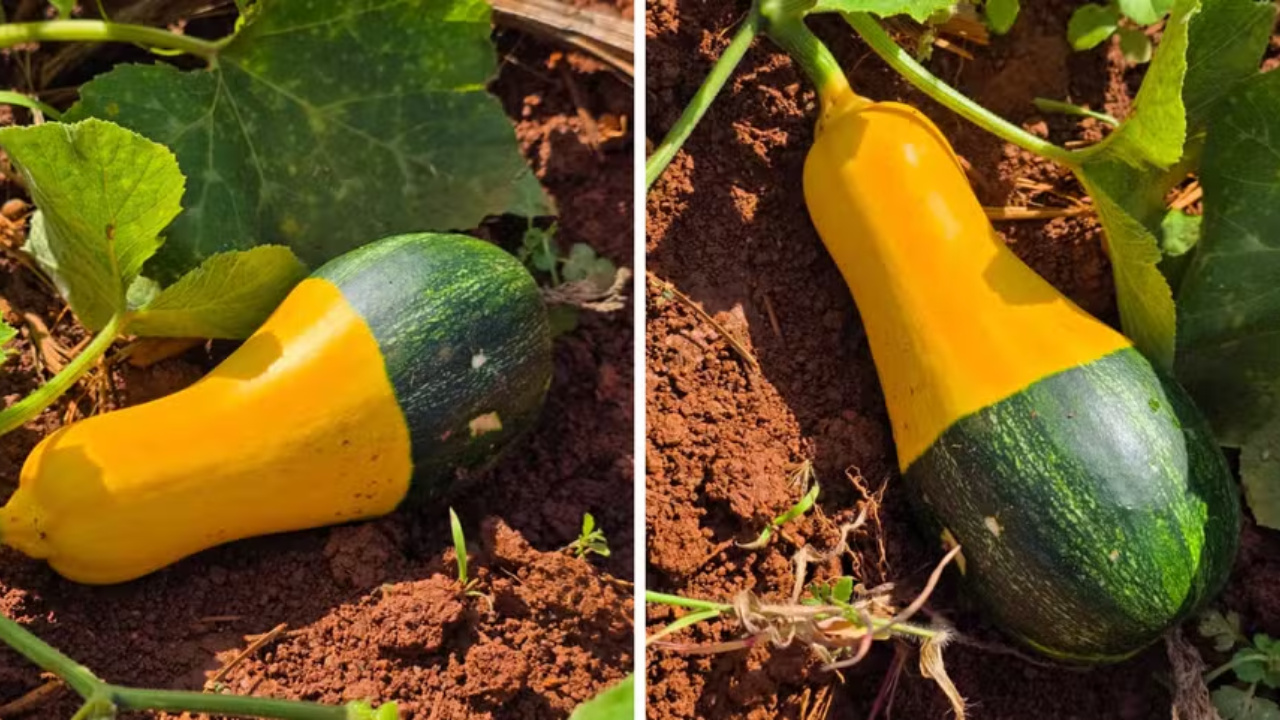
Bicolor Pumpkin Resembling Hand-Painted Art Discovered by Brazilian Researchers in the Capital Due to “Spontaneous Mutation”

-
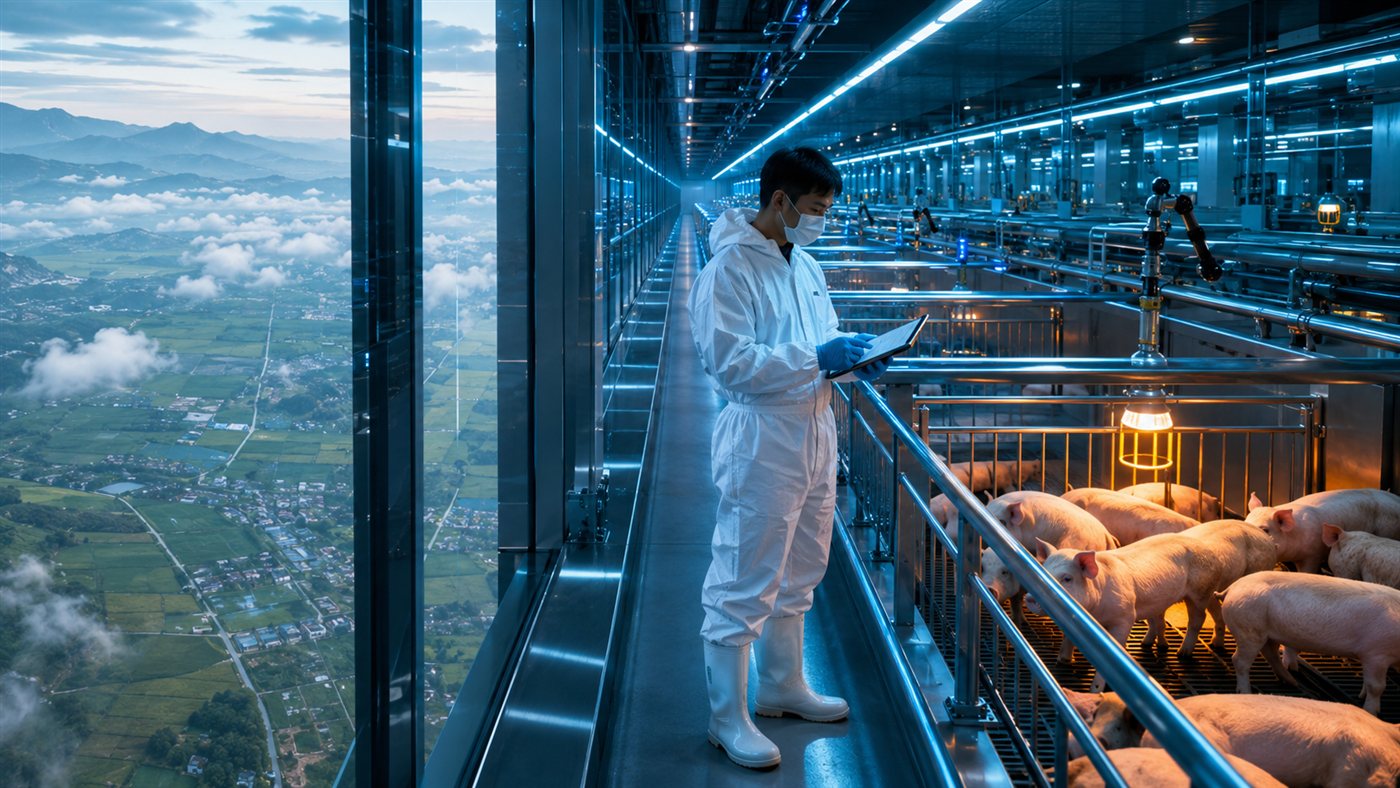
In China, a 26-story building produces 1.2 million pigs annually, revolutionizing livestock farming with tube feeding and AI surveillance.

-
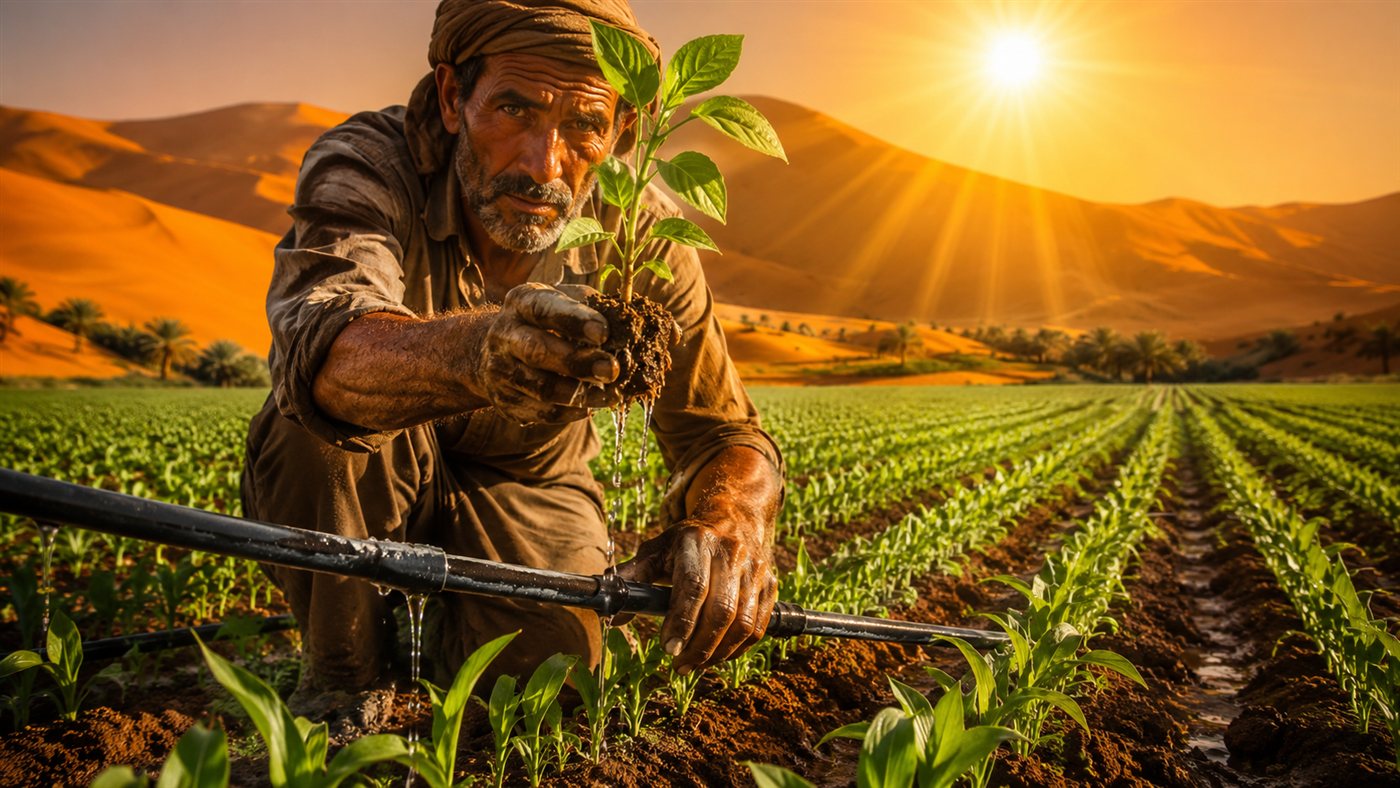
With Nearly 60% Desert, Israel Desalinates Seawater and Recycles 90% of Wastewater to Build a Billion-Dollar Agricultural Powerhouse in Dates and Cotton
-
74-Hour Barbecue in Brazil Sets World Record: 3.4 Tons of Meat, 10,500 Meals Served


In recent months, 32 companies were authorized to sell the product to China, totaling 452 authorized establishments.
Additionally, products such as apple juice (+623%), tobacco (+91.5%), bananas (+79%), eggs and yolks (+62%), hides and skins (+57%), fruits (+37.3%), and meats (+16.7%), especially beef, recorded significant increases.
Advancement of Less Traditional Products
Items with historically lower participation in agro exports also gained ground.
Corvina rose 161% in export value, while fresh grapes advanced 89.4%. Cashew nuts (+88%), vegetable oils (+87%), and honey and derivatives (+37%) also grew.
These results show opportunities identified by agricultural attachés abroad. Tools like AgroInsight help broaden reach and diversify the export agenda.
Main Destinations and Expanding Markets
China remained the main buyer, with US$ 5.62 billion in July.
Next is the European Union, with US$ 2.36 billion, up 16.4%.
Among the markets that grew the most are Mexico (+23%), Saudi Arabia (+28.8%), and Thailand (+18%). Morocco, Bangladesh, and Taiwan also made significant advances in purchases.
Balance from January to July
In the first seven months of the year, external sales totaled US$ 97.5 billion, maintaining the 2024 level. Products outside the traditional core grew 21% in value.
Since the beginning of the current administration, 399 new markets for agricultural products have been opened. More than 200 access expansions have been carried out, 13 of them just in July.
Strength and Stability of Brazilian Agriculture
Even with drops in prices for soybeans, sugar, cellulose, and cotton, the sector maintained exchange revenues. This is due to the strategy of opening and diversifying markets, in addition to constant dialogue with trade partners.
Brazil continues to be a reliable and safe supplier, with regular supply, recognized sanitary conditions, quality, and commitment to sustainability, reinforcing its role in global food security.









Is the title transferable?