Portuguese
  Spanish


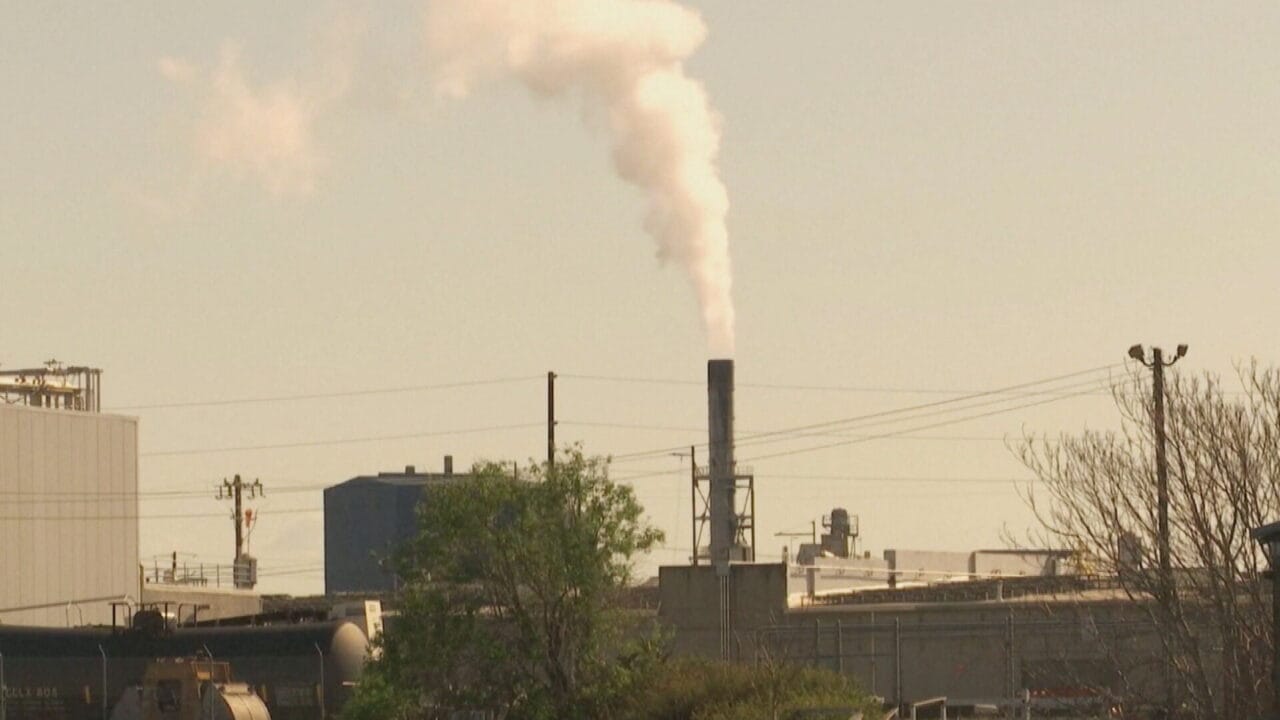

Furthermore, the report highlights that sustainable energy initiatives still face “challenges” in the markets.
The energy transition is an increasingly important topic in the global landscape, as the demand for fossil fuels reaches its peak. According to the International Energy Agency (IEA), the demand for oil, coal, and natural gas is expected to reach its peak by 2030. This data underscores the need to seek alternatives for clean energy.
Although the deployment of low-emission energy sources is growing, the IEA points out that there are still obstacles to the expansion of the clean energy sector. Inflated costs, supply chain bottlenecks, and higher financing are some of the challenges faced by clean energy projects.
However, even with the decline in demand for fossil fuels, the IEA report emphasizes that this does not mean the end of investments in this sector. However, it weakens the justification for increased spending. It is necessary to rethink priorities and direct investments toward the energy transition.
-
With a record production of nearly 3 million barrels per day, Petrobras resumes importing diesel in July, highlighting the bottleneck in Brazilian refining.

-
Qantas and Airbus Invest in Company Aiming to Convert Unsorted Household Trash into Jet Fuel

-
Brazil’s ANP Opens 86 New Oil Blocks in the Equatorial Margin, Expanding the Amazon River Mouth Frontier

-
OPEC+ Boosts Oil Supply by 188,000 Barrels per Day in July 2026, Leading to Price Drop from $112 to $89 per Barrel in Under Two Months


The IEA uses three scenarios for its forecasts: the Stated Policies Scenario (STEPS), the Announced Pledges Scenario (APS), and the Net Zero Emissions by 2050 Scenario (NZE). All scenarios project dynamic growth of clean energy due to political and market incentives.
It is essential to emphasize that investment in clean energy is critical to achieving emission reduction goals and limiting global warming to 1.5 degrees Celsius. However, cutting spending on oil and gas is not enough to achieve these targets. It is crucial to increase investments in all aspects of a clean energy system.
Volatility in energy markets highlights the importance of an affordable, reliable, and resilient supply, especially for developing economies. These economies are responsible for a significant share of global electricity demand growth, making them more sensitive to prices and dependent on sustainable energy solutions.
The energy transition requires a collective effort among governments, businesses, and civil society. It is necessary to invest in research and development of clean energy technologies, promote tax incentives for the use of renewable sources, and implement policies that encourage energy efficiency.
In summary, the demand for fossil fuels is reaching its peak, driving the need to transition to clean energy sources. Although there are challenges to overcome, such as high costs and supply chain bottlenecks, investment in clean energy is essential to meet emission reduction targets and build a sustainable future.